

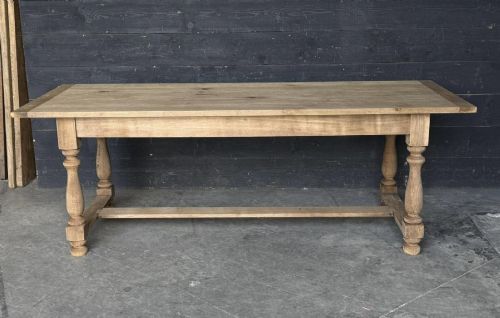
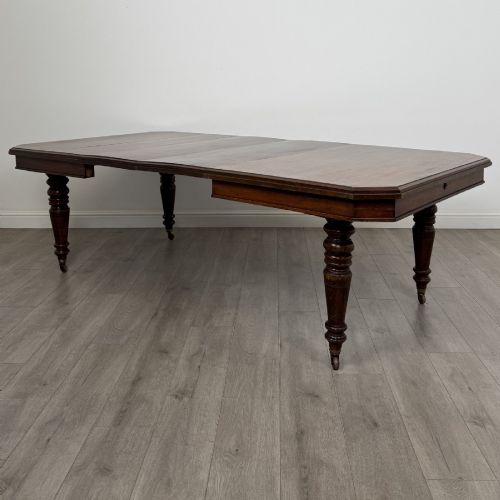
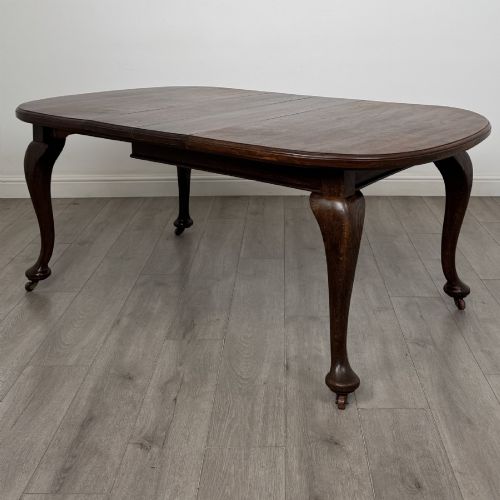
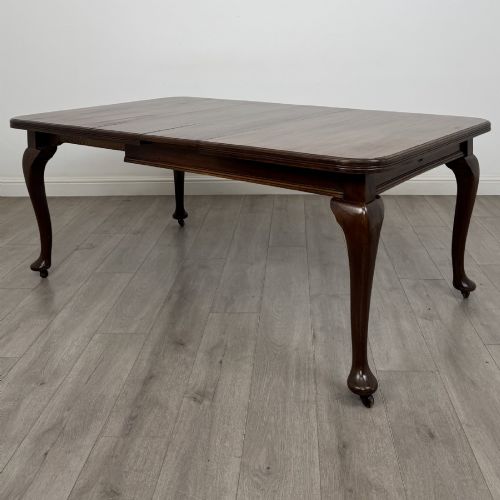
Vintage Extension Dining Table
A vintage extension dining table brings adaptable seating to a room, shifting effortlessly from daily family meals to larger gatherings.
Vintage Extension Dining Table
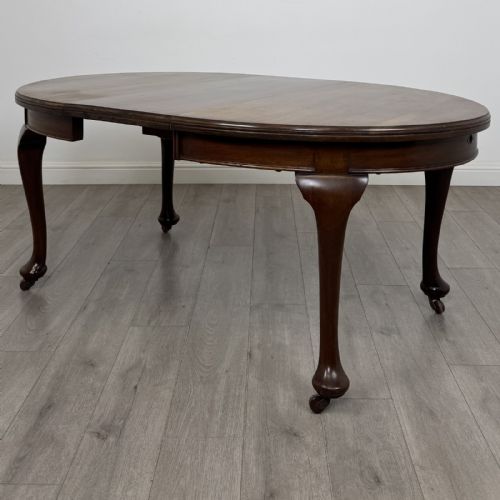
A vintage extension dining table is a practical piece designed to expand when extra surface area is needed. The selection on this page centres primarily on mahogany and oak examples spanning the nineteenth and twentieth centuries.
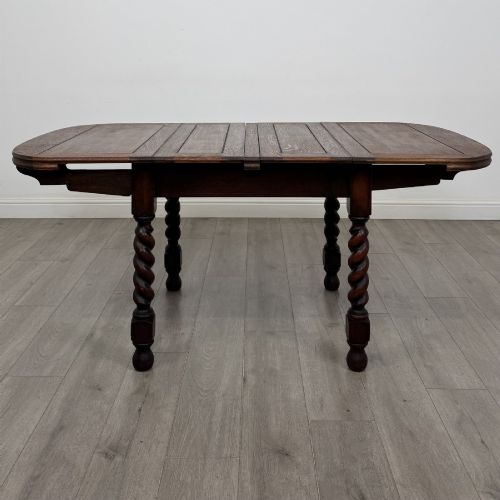
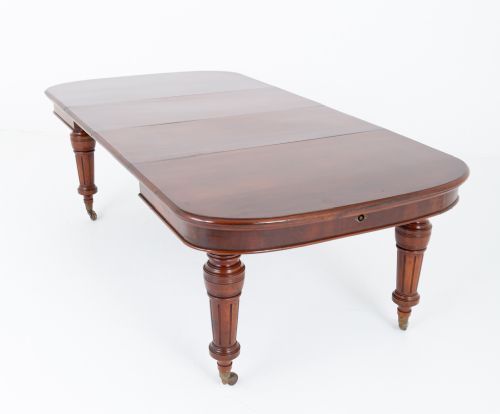
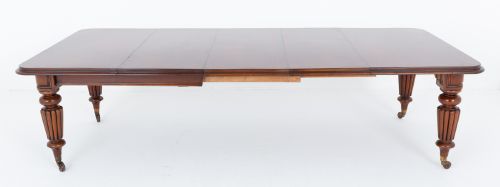
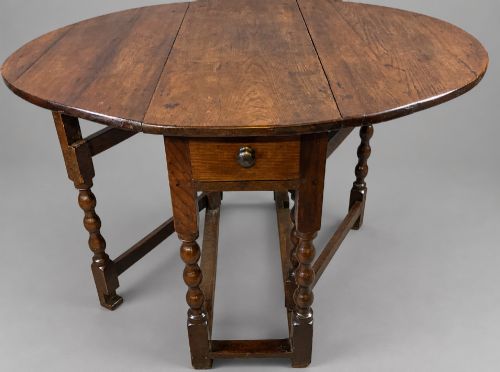
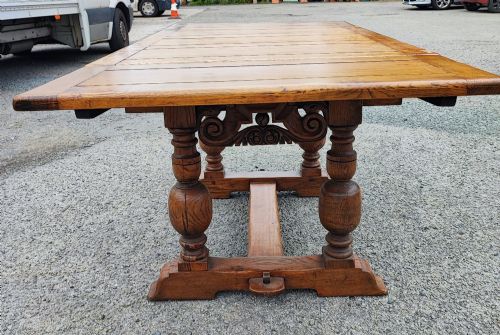
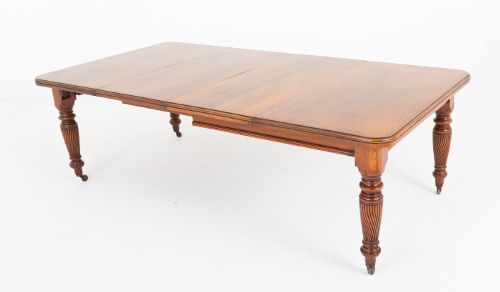
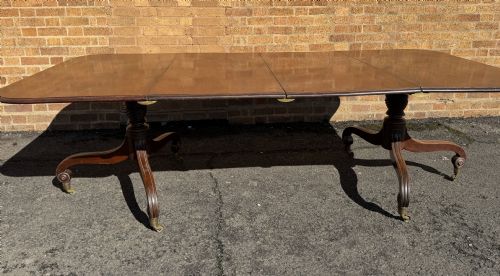
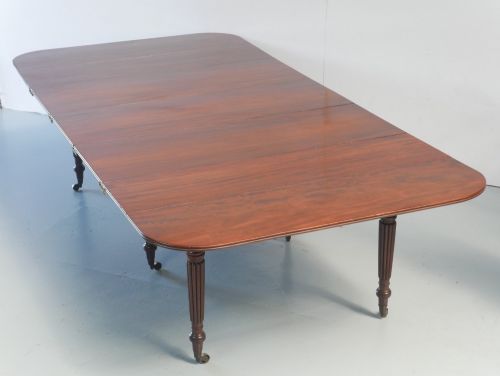
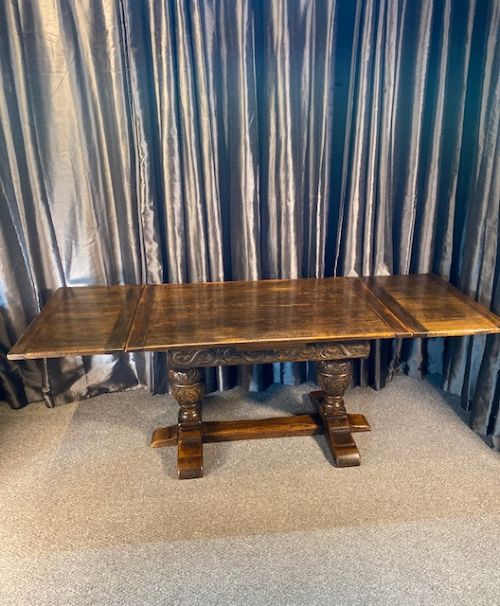
Buyers will encounter multiple configurations, from twin-pillar and triple-pedestal mahogany designs reflecting Regency and Georgian tastes to solid oak draw-leaf and gateleg tables built in the Edwardian and later periods.
Many items draw inspiration from earlier eras, displaying Jacobean, Elizabethan, or Chippendale revival details while offering the modern convenience of pull-out leaves or drop sides.
Judging Quality
Quality rests in the precision of the extending mechanism and the stability of the frame when fully opened. Smooth operation of leaves, solid timber thickness, and clean integration of extra sections set finer examples apart.
The refinement of the timber finishing, such as figured mahogany veneers or carefully carved oak refectory legs, dictates the visual elegance of the piece. Superior construction ensures the table remains rigid and level across all configurations.
Vintage Extension Dining Table Retail Price Guide 2026
Typical asking prices for vintage extension dining table among the pieces listed under this phrase on Sellingantiques today, from the lower quarter to the upper quarter. They describe what is for sale here now, not the wider market.
Periods represented span from the seventeenth century through the Regency, Victorian, and Edwardian eras into the nineteen-thirties.
Heal s
The Vintage Extension Dining Table Glossary
- Draw leaf
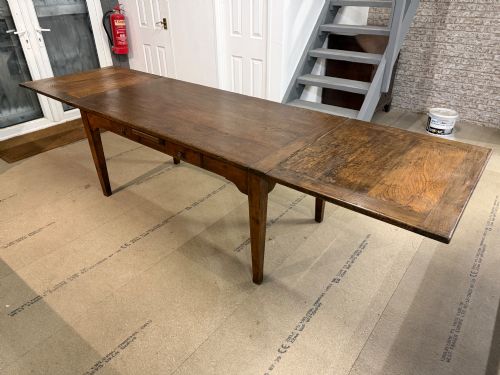
- A table with pull-out leaves stored beneath the main top that slide out to extend the surface area.
- Pedestal table
- A design supported by one or more central pillars rather than four corner legs, allowing greater legroom.
- Gateleg
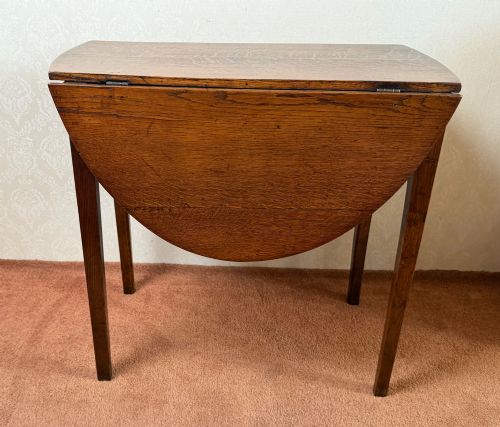
- A table with hinged drop leaves supported by swinging legs that pivot out like a gate.
- Refectory
- A long, narrow table style traditionally used for communal dining, often constructed in solid oak.
- Parquetry
- A geometric mosaic of wood pieces used for decorative inlay on tabletops.
Vintage Extension Dining Table: Frequently Asked Questions
How do draw leaf tables work?
Draw leaf tables feature two hidden panels stored underneath the main surface. To extend the table, you pull these leaves out from each end while the main top drops slightly into place.
This mechanism allows the table to lengthen quickly without requiring separate loose leaves to be stored elsewhere in the home.
Can I seat ten people comfortably?
Many multi-pillar and large extending tables are specifically designed to accommodate ten or more guests. Triple pedestal and substantial refectory formats provide the necessary length and leg clearance.
Checking the maximum extended length and the placement of table legs or pedestals helps ensure chairs fit easily around the perimeter.
How do I identify a Regency style?
Regency style pieces often showcase rich mahogany timber, elegant pedestals with brass claw feet, and clean classical lines. They reflect the furniture fashions of early nineteenth-century Britain.
Revival versions produced in later decades often emulate these refined proportions and decorative brass accents.
Are gateleg tables suitable for daily use?
Gateleg tables offer exceptional versatility because their leaves drop down to save space when not in use. Sturdy oak versions from the early twentieth century provide a stable surface for everyday dining.
The swinging leg supports lock securely into position to bear weight safely during meals.