



Vintage European Landscape
These vintage european landscape works capture rural vistas and urban street scenes through the distinct brushwork of continental artists.
Vintage European Landscape
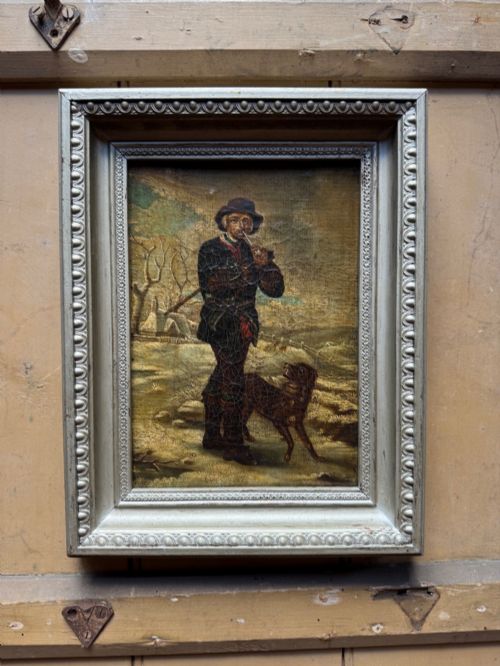
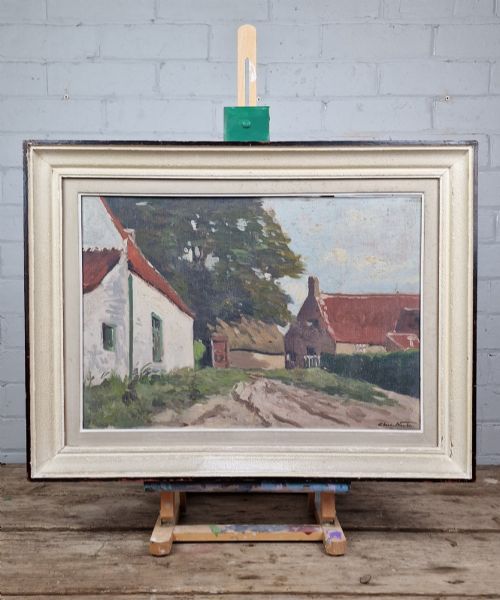
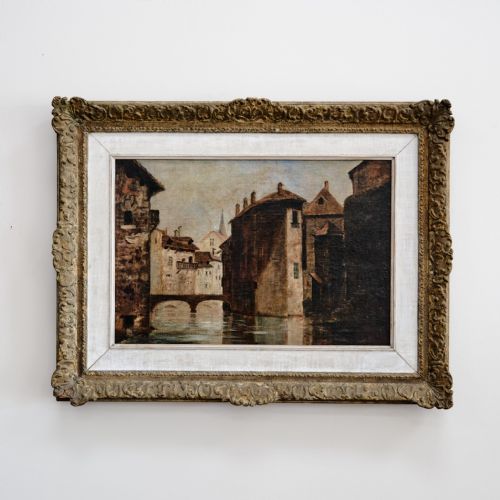
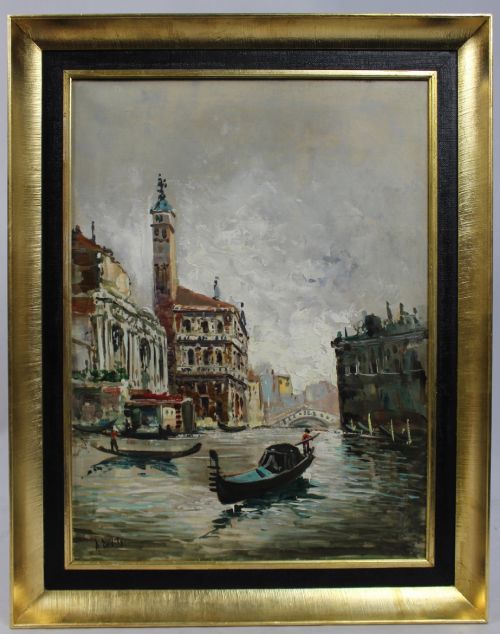
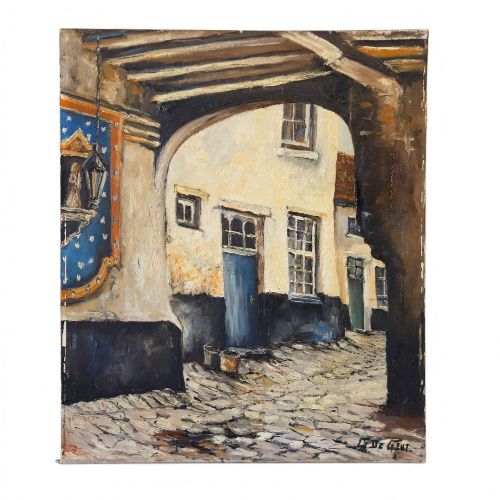
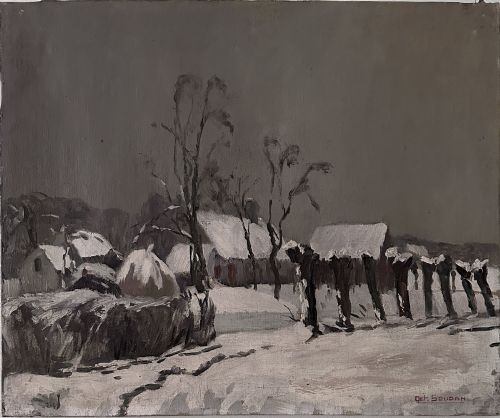
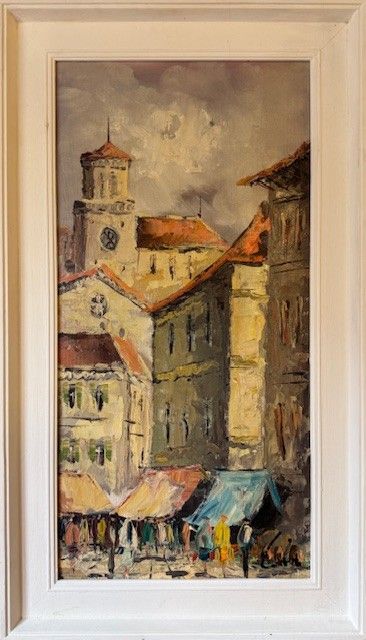
A vintage european landscape brings the rural vistas, city streets and mountain views of the continent directly to the wall. These works span from the nineteenth century into the mid-twentieth century, capturing varied terrain from quiet farmyards to bustling market squares.
The most common examples encountered in this selection include oil paintings on canvas or board, alongside watercolours on paper. Artists from France, Italy, Belgium, Germany and the Netherlands dominate these compositions.
Subjects range from snow-capped alpine peaks and coastal sorrento views to Flemish street scenes and Dutch lakes. Buyers encounter both named artists and skilled anonymous hands working in traditional styles.
Materials and technique
Oil paint applied to canvas or wood panel forms the primary medium for these works, allowing for rich texture and deep colour layering. Painters also utilised watercolour and pencil on paper for lighter, more fluid topographical views.
Several canvases manage to make freezing European winter lakes look suspiciously cosy.
Distinguishing quality
Quality rests primarily in the confidence of the brushwork and the artist's command of light and atmosphere. Stronger works demonstrate a deliberate handling of paint that defines space and mood without relying on rigid detail.
The integrity of the original surface, stability of the canvas or panel, and harmony of any period frame contribute significantly to the standing of an individual piece.
Charles Houben·Antonio DeVity·Paul-Élie Gernez·Cecil Rochfort D'Oyly-John·Mercedes Legrand·E A Minardo·Hendricus Joseph Dillens·Joseph W. Milliken·Job de Vogel·Noel Harry Leaver·Alois Arnegger·Franz Reder-Broili·Karel Frans Philippeau·Louis Smets·Henri Therme
The Vintage European Landscape Glossary
- Canvas
- A heavy woven fabric stretched across a wooden frame to serve as a durable painting surface. It provides the foundational support for the majority of oil works in this selection.
- Gesso
- A plaster-like mixture applied to wood panels or frames to prepare a smooth surface for painting or gilding. It gives structure and a bright white base for decorative elements.
- Post-Impressionism
- An art movement extending beyond impressionism to focus on symbolic content and heavier brushwork. Artists working in this style prioritise personal expression over literal optical fidelity.
- Watercolour
- A paint consisting of water-soluble pigments applied to paper. This medium creates transparent washes of colour ideal for rapid topographical studies and atmospheric views.
Vintage European Landscape: Frequently Asked Questions
What periods do these paintings cover?
The works span from the nineteenth century through the mid-twentieth century, capturing shifting artistic movements across several decades.
Most examples date from the Victorian era up to the nineteen-sixties, reflecting traditional realism alongside impressionist developments.
How should I hang an oil painting?
Ensure the wall supports the weight of the frame and use appropriate fixings suited to the wall construction. Keep the artwork away from direct sunlight and excessive moisture to protect the canvas and paint layers.
Position the centre of the piece at eye level for optimal viewing balance within your living space.
How do I distinguish watercolours from oils?
Watercolours utilise paper supports and present a translucent, fluid appearance with visible paper grain showing through the pigment washes. They require protective glass framing to prevent surface damage.
Oils utilise heavy canvas or wood panels with thicker, opaque paint layers that sit proud of the surface and do not require glass.
What subjects are most common?
Rural farmyards, mountain ranges, coastal views and continental city streets form the core subjects of these regional works. Artists frequently depicted local landmarks, architectural scenes and everyday rural life.
Winter landscapes featuring snow and ice also appear regularly among the available regional depictions.