





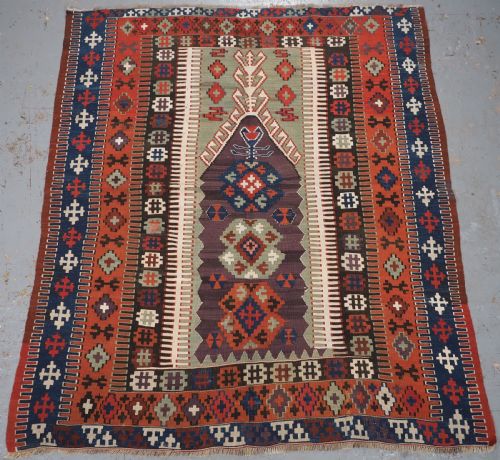
Vintage Ethnic Area Rug
A vintage ethnic area rug brings genuine character and warmth to a room through traditional nomadic designs and rich, historic textiles.
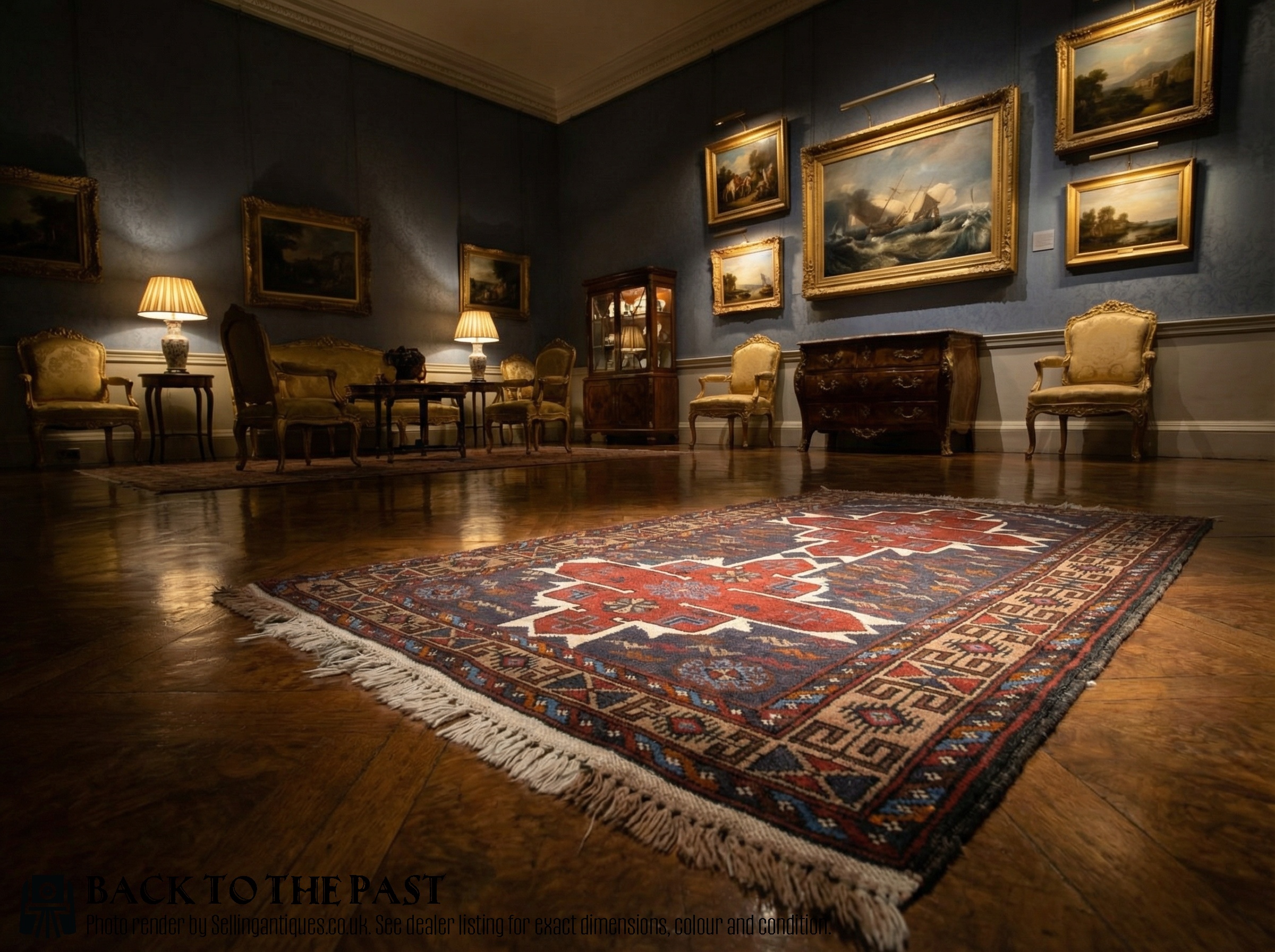
Vintage Ethnic Area Rug
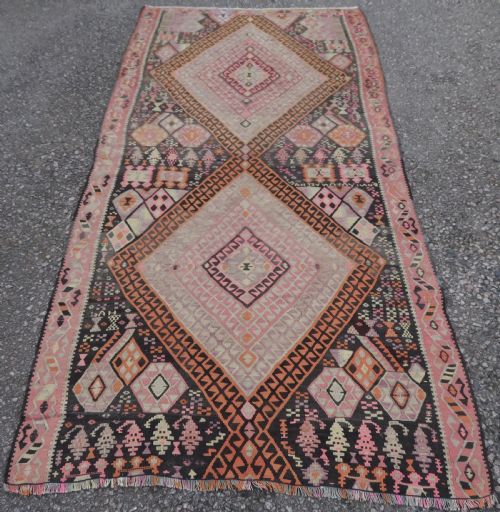
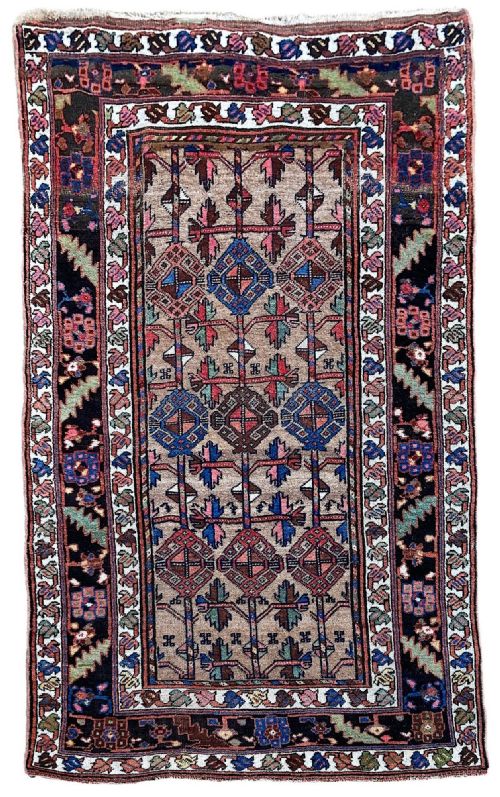
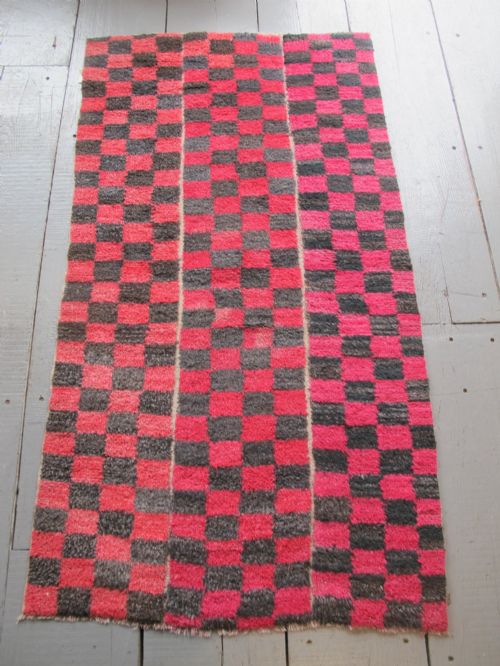
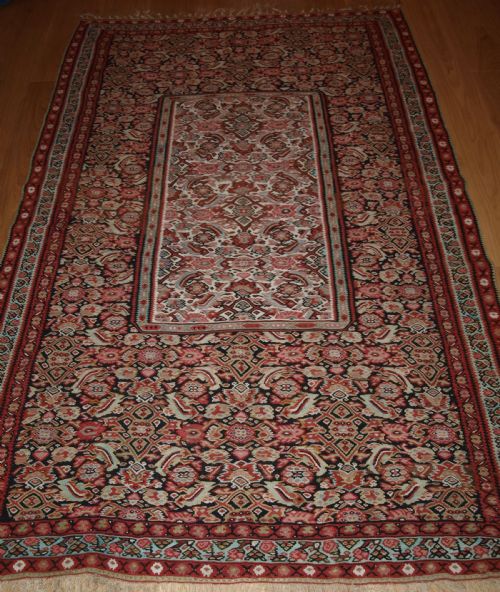
When you search for a vintage ethnic area rug, you are looking at hand-woven floor coverings originating from various tribal and regional traditions. These textiles include meditation rugs, flat-woven kilims, and village carpets produced across Persia, Turkey, the Caucasus, Afghanistan, and Tibet.
The pieces available here span several decades from the early twentieth century, encompassing periods such as nineteen hundred, nineteen ten, nineteen twenty, and nineteen thirty. You will encounter forms ranging from smaller prayer kilims and family rugs to larger traditional carpets and runners.
Tribal and nomadic styles dominate the selection, showing distinct regional patterns such as Kurdish, Baluch, Hamadan, and Sarkoy designs. Each piece reflects the specific cultural artistry and weaving heritage of its maker without relying on mass-produced uniformity.
Materials and construction
The construction of these textiles relies primarily on natural animal and plant fibres, with wool serving as the main material for pile and flat-weave surfaces. Artisans frequently utilised hand-spun wool and durable cotton foundations, alongside specialised materials like goat hair and Tibetan wool.
Weaving techniques vary between knotted pile carpets and flat-woven kilim structures, depending on the regional workshop or nomadic group. These methods produced robust textiles intended for practical daily use, resulting in durable floor coverings that retain their structural integrity over generations.
Vintage Ethnic Area Rug Retail Price Guide 2026
Typical asking prices for vintage ethnic area rug among the pieces listed under this phrase on Sellingantiques today, from the lower quarter to the upper quarter. They describe what is for sale here now, not the wider market.
Materials recorded across the inventory include standard wool, hand-spun wool, Tibetan wool, cotton, and goat hair.
Assessing quality
Quality in these textiles depends on the tightness of the weave and the skill involved in executing regional patterns. Pieces with precise knotting or careful flat-weave construction demonstrate superior craftsmanship compared to simpler village productions.
The integrity of the natural materials and the depth of the dye work also separate standard examples from finer specimens. Well-preserved wool and harmonious colour palettes indicate careful original creation and successful survival through decades of domestic use.
The Vintage Ethnic Area Rug Glossary
- Kilim
- A flat-woven carpet or rug made without a pile, produced throughout Turkey, the Balkans, and Persia. These textiles are known for their geometric patterns and lighter weight.
- Meditation rug
- A small format rug traditionally used for contemplative practices, particularly associated with Tibetan monastic traditions. They often feature specific symbolic imagery.
- Prayer kilim
- A flat-woven textile featuring a mihrab or niche design indicating the direction of prayer, common in Turkish weaving traditions. They were utilised for daily religious observance.
- Hand-spun wool
- Yarn produced by twisting sheep fleece by hand rather than by machine, resulting in variable thickness and a more receptive surface for natural dyes.
- Nomadic design
- Motifs and patterns created by wandering pastoral groups rather than urban workshops. These designs typically reflect tribal heritage and local folklore.
Vintage Ethnic Area Rug: Frequently Asked Questions
What is a vintage ethnic area rug?
A vintage ethnic area rug is a hand-woven textile created by tribal or village weavers in regions such as Persia, Turkey, and Central Asia during the early twentieth century.
These pieces use traditional motifs and natural materials to provide both practical floor covering and cultural history for modern interiors.
How do I care for my rug?
Care involves regular gentle vacuuming without a rotating brush to protect the historic wool pile and flat-weave structures.
Professional cleaning suited for antique textiles should be utilised when deep maintenance is required to preserve the natural dyes.
Where were these rugs made?
These textiles originate from specific tribal lands and villages, including Kurdish regions, the Caucasus, Afghanistan, and the Obruk area of Turkey.
Each geographic origin imparts distinct weaving techniques, colour choices, and geometric patterns unique to that local community.
How do I identify a kilim?
A kilim is distinguished by its flat-woven construction rather than a raised pile surface, making it thinner and reversible.
This technique creates sharp geometric patterns and allows the textile to function easily as a wall hanging or light floor covering.
Can I use these rugs daily?
These historic textiles are robust enough for everyday living when placed in areas with moderate foot traffic.
Using an appropriate underlay helps protect the natural wool and cotton foundations from excessive wear on hard floors.