

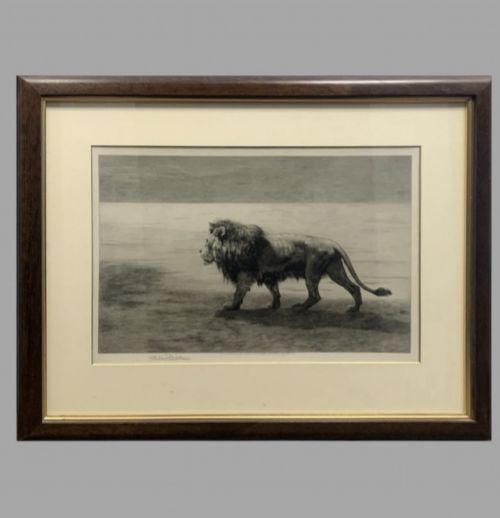
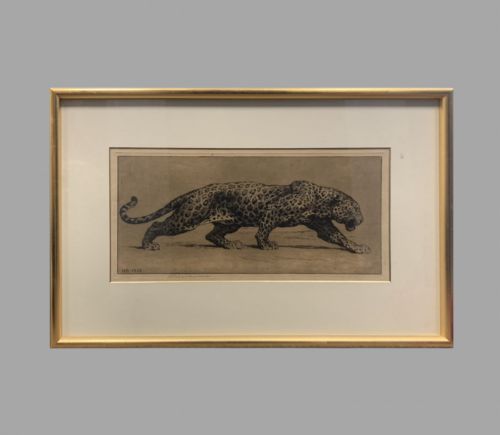
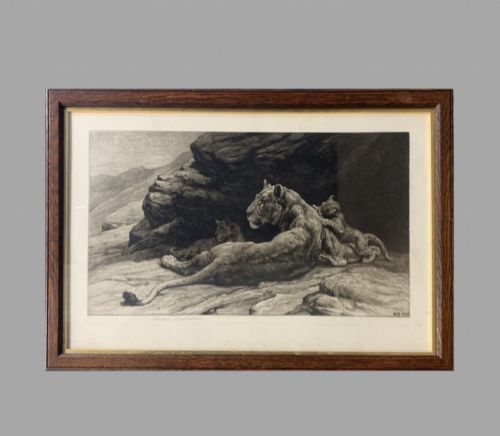
Vintage Etched Artwork
These vintage etched artwork pieces capture fine lines and historic scenes, offering collectors depth and character for their walls.
Vintage Etched Artwork
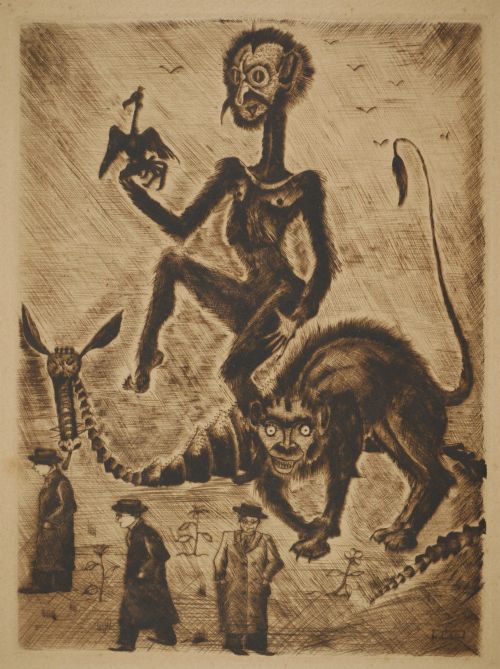
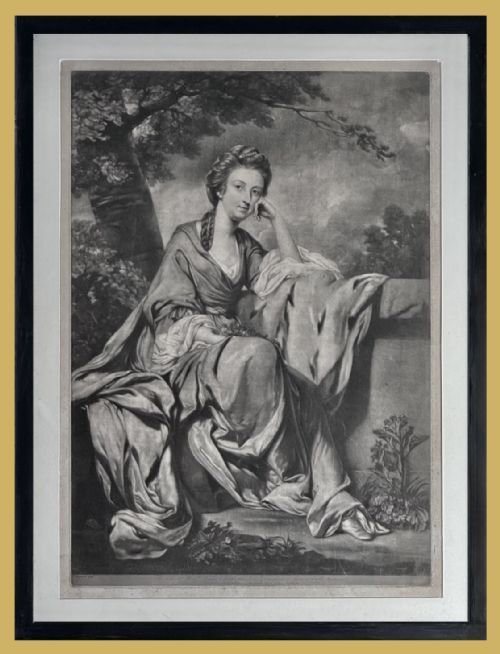
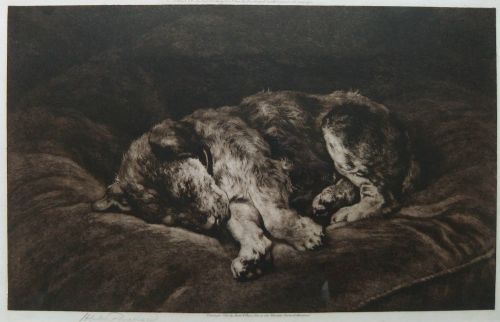
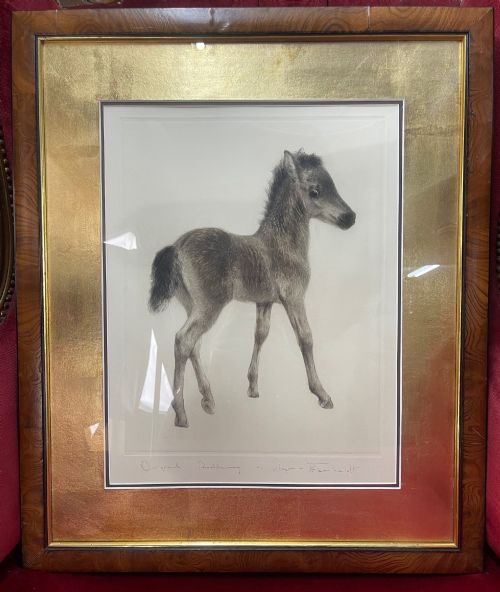
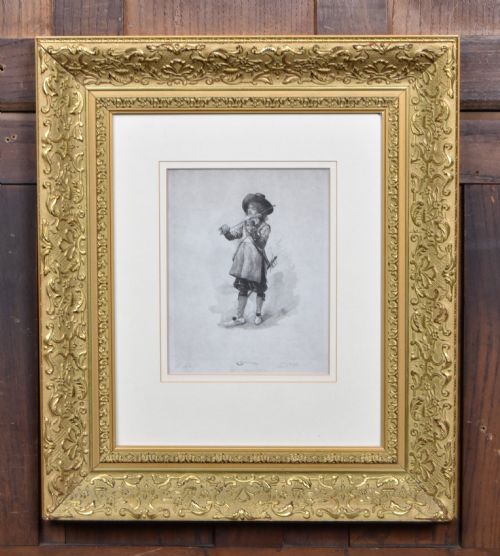
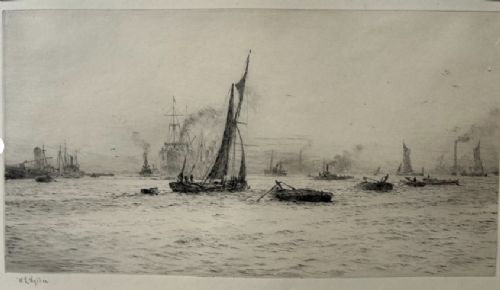
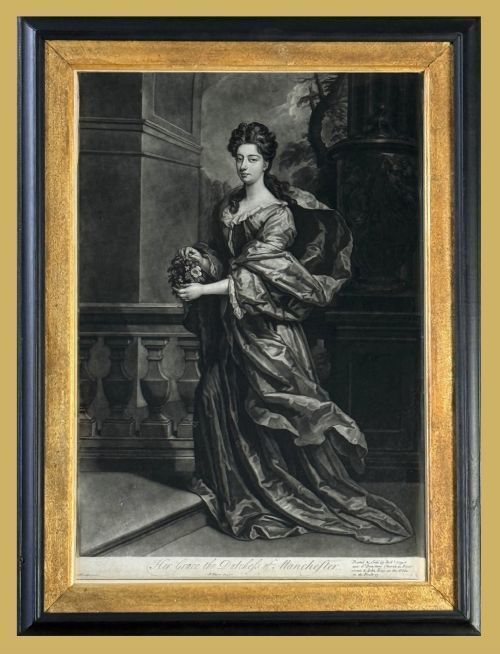
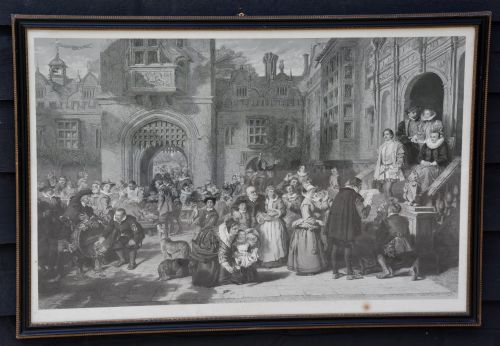
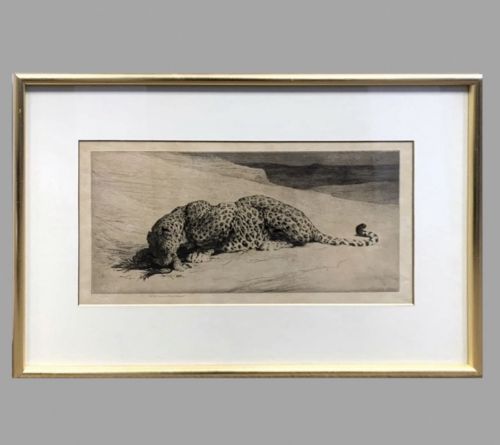
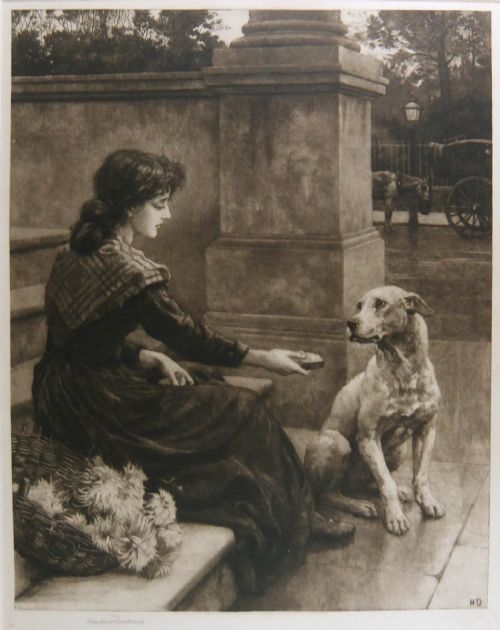
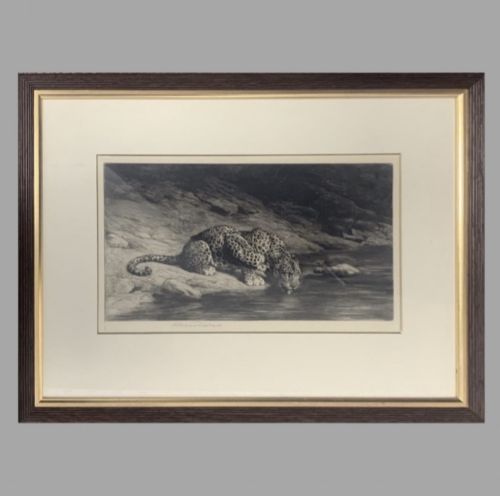
When you search for vintage etched artwork, you encounter printed graphics created through acid biting or direct incision on metal plates. The selection spans centuries from the seventeenth century through the Art Deco period, showcasing portraits, landscapes, and animal studies.
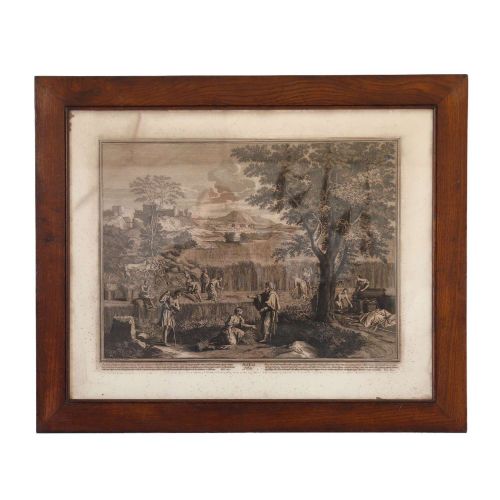
Framed prints and etchings on paper form the bulk of the selection, frequently presented behind glass in wood or gilt wood frames. Subjects range from classical mythologies and architectural views to detailed animal subjects by notable printmakers.
The objects combine graphic ink work with support materials like paper and vellum, sometimes finished with hand colouring or watercolour highlights. These pieces bring historical printmaking techniques directly into domestic spaces.
Materials and Technique
Makers utilised copper or metal plates, incising lines directly or biting them with acid to hold printing ink. The resulting image was then transferred under pressure onto sheets of paper or vellum.
Framing materials included oak, gilt wood, and standard timber mouldings, protecting the delicate paper supports beneath glass. Selected pieces received additional hand colouring using watercolour or gold leaf highlights after the initial printing process.
Materials documented across the pieces include paper, vellum, oak, gilt wood, watercolour, and gold leaf.
Variations in Quality
The clarity of the plate impression and the strength of the ink transfer determine the visual punch of the image. Sharp, crisp lines reveal an early state or a well-maintained plate, whereas worn plates yield softer, blurred details.
The presence of artist signatures, pencil inscriptions, and period framing significantly elevates the standing of an individual piece. Condition of the paper support, including freedom from heavy foxing, also dictates desirability among collectors.
Kurt Lorein Victor Peiser·Edward Fisher·Herbert Dicksee·Kurt Meyer Eberhardt·William Lionel Wyllie·John Faber Jr·Louis Icart·Francesco Piranesi·James Dobie
The Vintage Etched Artwork Glossary
- Etching
- A printmaking method where acid bites lines into a metal plate to hold ink. Artists draw through a protective ground before the acid bath creates the recesses.
- Drypoint
- An intaglio technique where the artist scratches directly into the metal plate with a sharp needle. This process raises a metal burr that produces velvety lines when printed.
- Mezzotint
- A tonal printmaking process where the metal plate is roughened uniformly to produce rich darks. Lighter areas are scraped and smoothed to create gradual tonal variations.
- Aquatint
- A printmaking variation that produces tonal areas resembling watercolour washes. Acid bites around resin particles dusted onto the metal plate.
- Vellum
- A fine parchment prepared from calfskin used as a durable printing support. It offers a smooth surface that absorbs ink differently than standard paper.
Vintage Etched Artwork: Frequently Asked Questions
How do I identify an original etching?
Original etchings display a distinct plate mark where the edges of the metal plate pressed into the paper during printing. You will also notice tactile ink lines that sit slightly raised on the sheet.
Reproductions and modern photo-mechanical prints lack this physical indentation and show flat dot patterns under magnification.
What is an artist proof?
An artist proof is an impression pulled outside of the standard numbered edition for the creator's personal review. These carry significant appeal because printmakers kept them for quality checks or personal archives.
They often feature handwritten signatures and annotations regarding the state of the plate.
How should I frame and display these prints?
Protect works on paper by using acid-free mounts and UV-filtering glass to prevent fading from sunlight. Hang them away from direct heat sources and damp environments to preserve the paper and ink stability.
Period frames add historic context, but ensure the internal backing materials meet modern conservation standards.
What is the difference between an etching and an engraving?
Engravings rely entirely on physical force with a burin tool to push metal away and carve lines into the plate. Etchings use acid to bite the lines into the metal after the artist draws through an acid-resistant coating.
Engraved lines tend to look sharp and precise, while etched lines often display a softer, freer character.