



Vintage Equine Wall Art
These vintage equine wall art pieces capture the enduring majesty of horses through oil paintings, pastels, and watercolours spanning multiple centuries.
Vintage Equine Wall Art
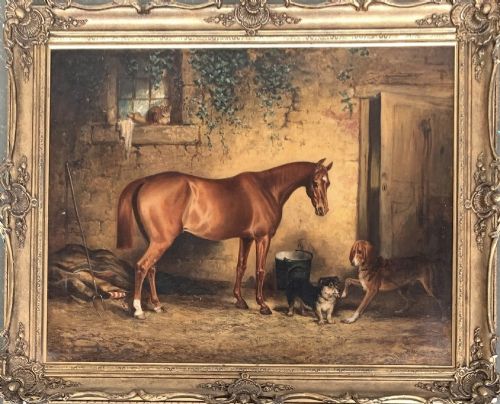
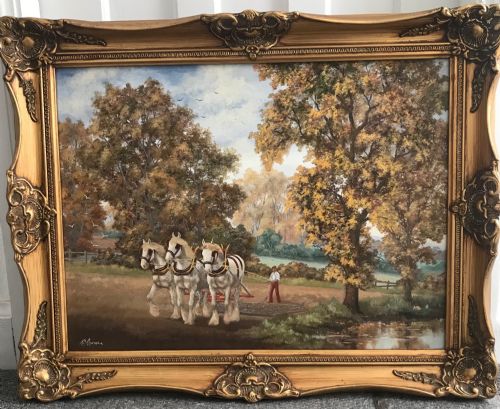
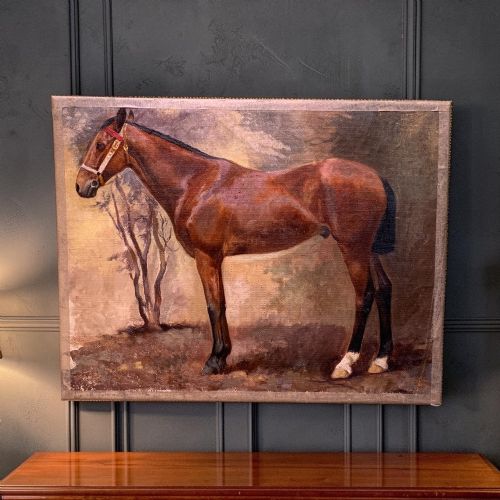
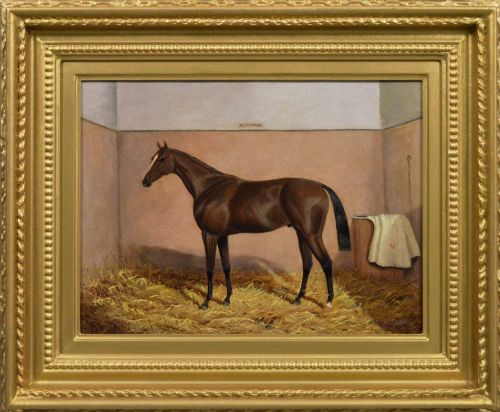
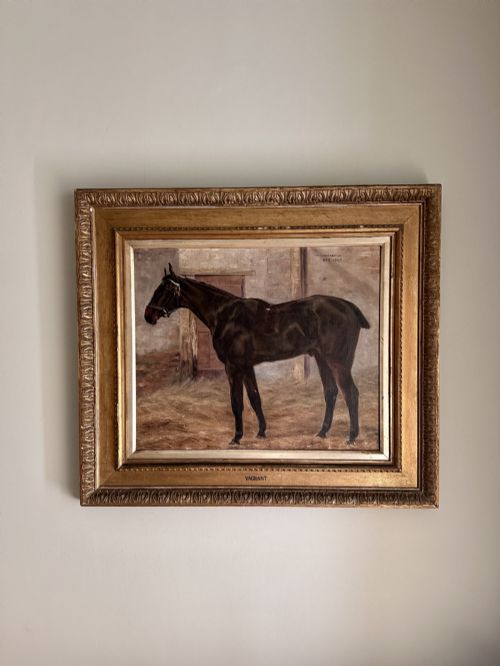
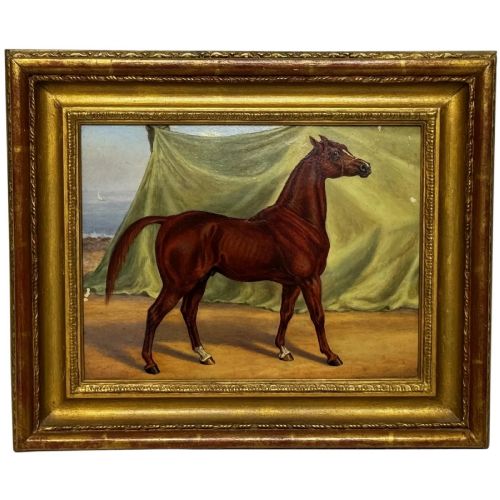
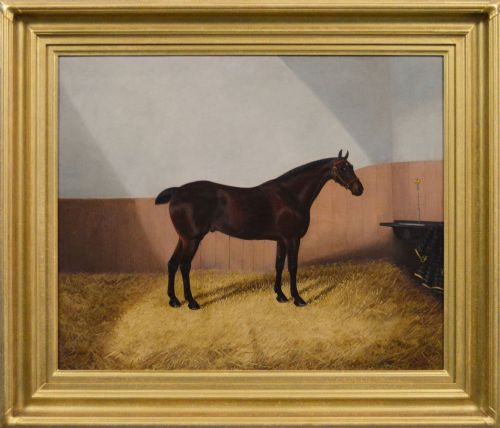
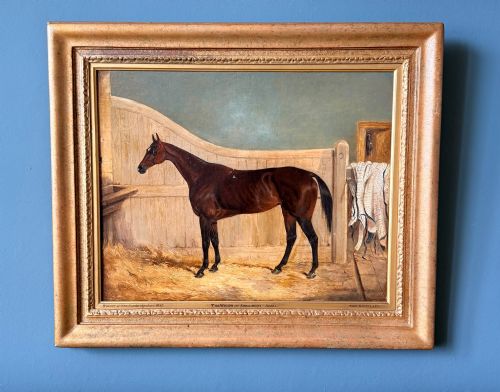
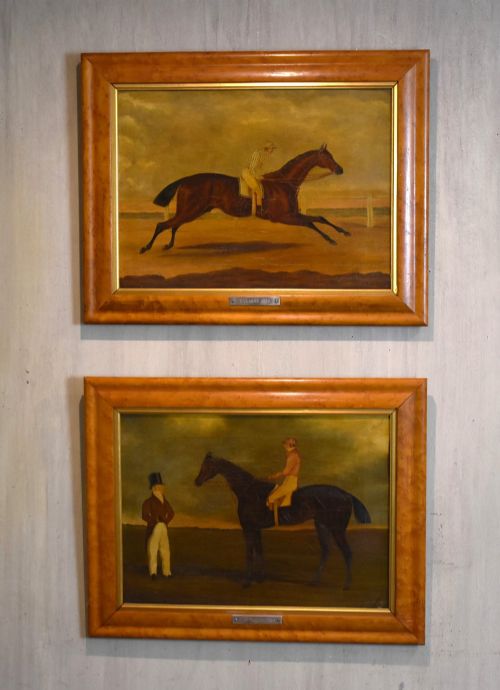
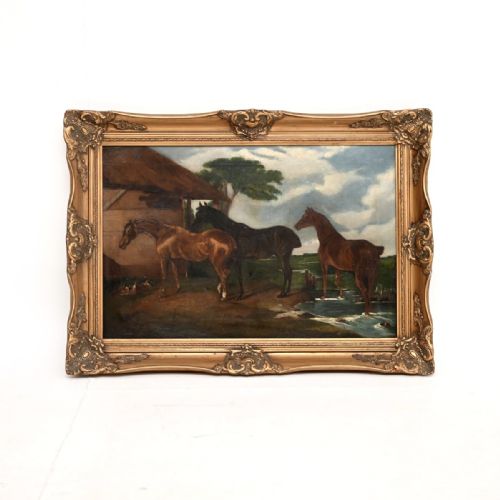
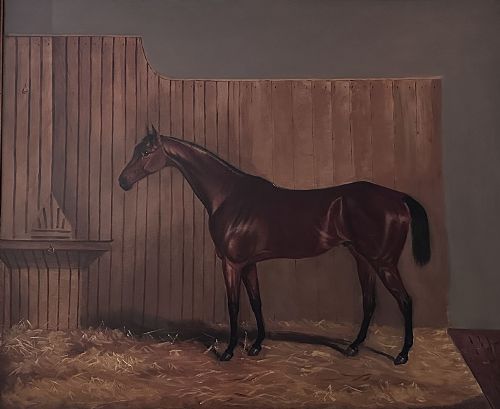
Vintage equine wall art encompasses framed works depicting horses, ranging from individual portraits of champion racehorses and hunters to rural landscape scenes with working horses. Buyers searching for vintage equine wall art encounter depictions created across the nineteenth and twentieth centuries, capturing animals in stables, fields, or racing environments.
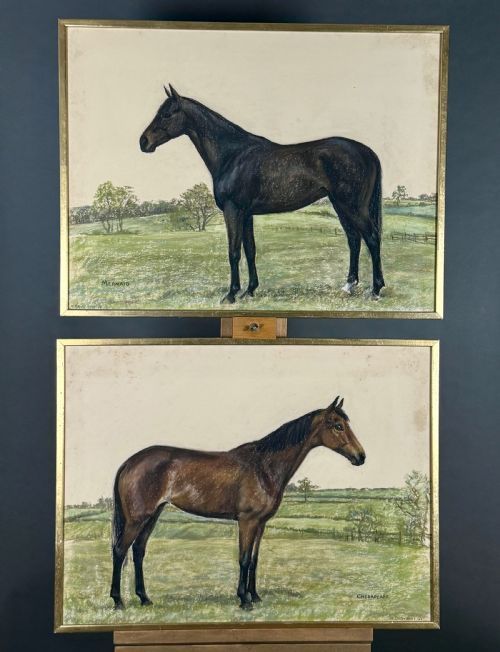
The selections span traditional oil paintings on canvas and wood panels alongside works executed in pastel, watercolour, and gouache on paper. Portraiture dominates the offerings, capturing named thoroughbreds, grey shires, and arab stallions alongside vernacular rural views.
Originating predominantly from British and European traditions, these framed artworks reflect changing artistic interpretations of horses from the Georgian and Victorian eras through to the mid-twentieth century. The pieces utilise period framing, including giltwood and wood surrounds, preserving their historical context for modern interiors.
Materials and methods
Painters applied oil paint to stretched canvas, wooden panels, or paper supports, building up rich layers to render the musculature and coats of the subjects. Artists working in watercolour, gouache, and pastel utilised paper substrates to achieve lighter, immediate effects in studies and racing scenes.
Framing materials primarily consist of wood and giltwood, often protected behind glass in the case of works on paper and photographic prints. Pigments and binders were selected for permanence, allowing nineteenth and twentieth-century works to retain their chromatic depth over generations.
Several pieces preserve the exact names of nineteenth-century champions, ensuring famous horses still command the room today.
Markers of distinction
The distinction between standard decorative pieces and superior examples rests upon the anatomical accuracy and expressive vitality captured by the artist's brush or pastel stroke. Master painters convey the specific bone structure, tension, and character of an individual animal rather than relying on generic equine templates.
Provenance and documentation elevate certain pieces, particularly when a work identifies a famous racehorse, a notable owner, or a recorded painter. The harmony between the artwork and its period frame further influences the overall integrity of the piece.
Henry Barraud·Albert Clark·Fred Fitzpatrick·Thomas Walker Bretland·John Frederick Herring Snr·George E Sharpe·Benjamin Cam Norton·Clifton Tomson·Alfred Moginie Bryant·Abraham Cooper RA·Charles Bilger Spalding RA·Walter Herbert Wheeler·Edward Lloyd
The Vintage Equine Wall Art Glossary
- Oil on Canvas
- A traditional painting medium where coloured pigments are suspended in a drying oil and applied to a woven fabric stretched across a wooden frame. This method allows for subtle blending and rich texture.
- Giltwood
- Wood that has been coated with a thin layer of gold leaf or gold paint. It is commonly found on traditional frames designed to enhance the visual weight of the artwork.
- Gouache
- An opaque water-based paint that produces a flat, matte colour surface. It is frequently combined with watercolour in works on paper to add highlights and density.
- Equestrian Art
- Depictions of horses and horse riding in painting, drawing, and sculpture. This genre encompasses racing scenes, hunting portraits, and military subjects.
- Pastel
- A medium consisting of powdered pigment combined with a binder and shaped into sticks. Artists use pastels on paper to create works with luminous colour and soft textures.
Vintage Equine Wall Art: Frequently Asked Questions
What subjects appear in equine wall art?
These works primarily feature named racehorses, hunters, and working horses in settings such as stables, pastoral fields, and racecourses. Portraiture of individual animals commissioned by owners forms a large proportion of the available pieces.
Other examples place horses within wider rural landscapes, capturing activities like ploughing, harvesting, and coaching scenes from the nineteenth and early twentieth centuries.
How do I date a horse painting?
Dating relies on stylistic clues within the painting, the clothing of any accompanying jockeys or figures, and the construction methods of the frame. Signatures, dates inscribed by the artist, and archival labels on the reverse provide definitive chronological markers.
Contextual details such as the specific breed conformation popular in certain decades or documented racing history also help narrow down the period of creation.
Are works on paper framed differently from canvases?
Works executed on paper, such as watercolours, pastels, and prints, require glass protection to shield the fragile surface from dust and atmospheric moisture. They are typically mounted behind glass within wood or giltwood frames.
Oil paintings on canvas or wood panels are traditionally left unglazed to allow the textured surface of the paint to be viewed without reflection.
How should I hang vintage equine art?
These artworks suit traditional study spaces, libraries, and living areas, often serving as strong focal points above mantelpieces or along hallways. Proper placement avoids direct sunlight to protect pigments, particularly on paper works and watercolours.
Matching the weight of the frame to the surrounding interior helps integrate these historical pieces into both period and contemporary rooms.