


Brown Rural Landscape Artwork
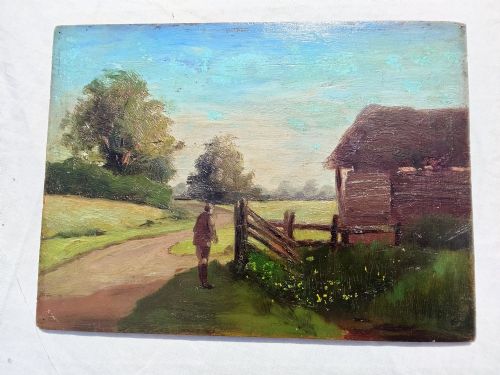
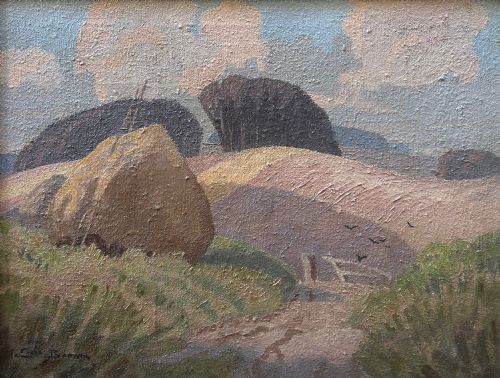
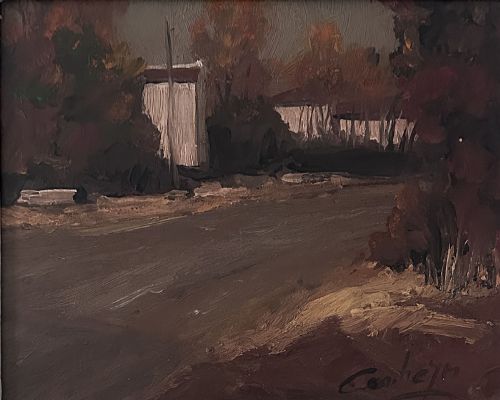
Brown rural landscape artwork captures the quiet rhythm of fields, farms, and rivers through traditional British and European painting.
Brown Rural Landscape Artwork
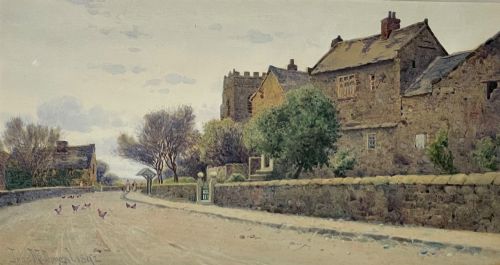
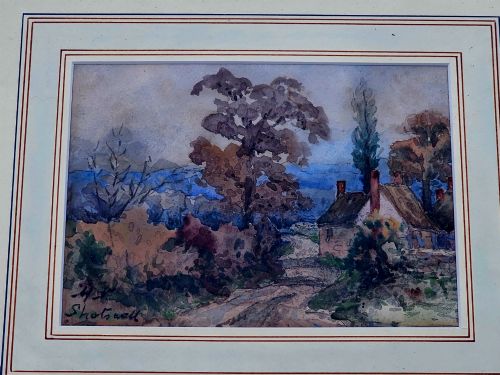
When you search for brown rural landscape artwork, you encounter painted scenes of countryside life, farming, and pastoral views from the nineteenth and twentieth centuries. These pieces typically depict agricultural labour, country cottages, and livestock in muted earthy palettes.
The selections available here range from nineteenth-century pastoral watercolours to mid-century British oils. Painters from the Victorian era onward focused on working horses, haymaking, and river valleys to document traditional rural existence.
Materials and Methods
Artists relied primarily on oil paint and watercolour pigment applied to canvas, wood panels, wooden boards, and heavy paper. These mediums allowed painters to build up rich brown tonalities through layered washes or thick impasto strokes.
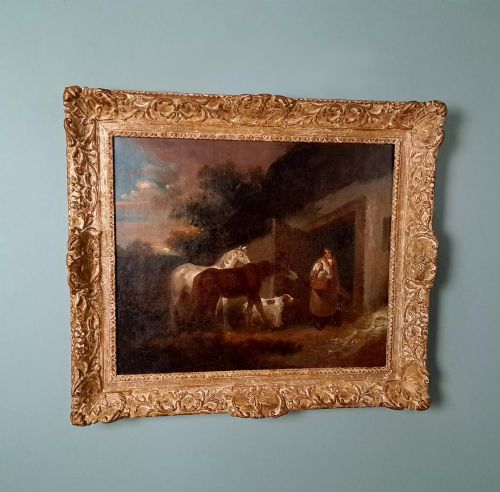
Framed works frequently utilise original wood mouldings that complement the earthy tones of the compositions. The physical support often dictates the texture of the scene, with wooden boards providing a firm ground for detailed brushwork.
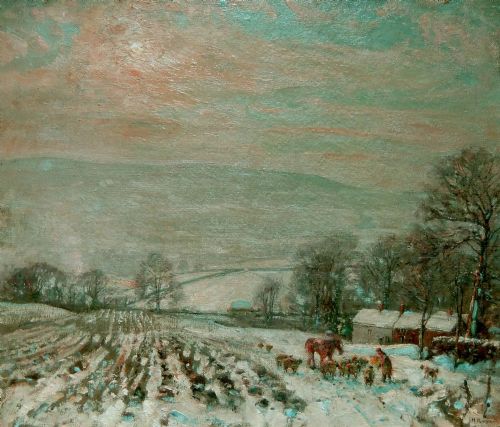
Several sheep and heavy working horses diligently appear across these fields, keeping watch over centuries of quiet farming.
Assessing the Pieces
The distinction between standard works and finer examples lies in the confidence of the brushwork and the structural composition of the scene. Masterful pieces capture light and atmospheric depth effectively within a restrained monochrome or brown palette.
Provenance and attribution also influence the standing of an artwork, as signed pieces by recorded painters carry clearer historical context. The preservation of the original pigment and the stability of the canvas or paper surface remain central to the integrity of each item.
William Joseph Shayer Senior·John McDougal·Herbert Royle·Herman S Melville·John Horace Hooper·Harry Freckleton·Raimond Louis Lecourt·Henry Charles Fox·Fred Lawson·James William Booth·Owen Bowen·Ernest Pile Bucknall·Samuel Joseph Clark·John Atkinson·William Greaves·John Linnell·Robert Finley McIntyre·Florence Hess·William Joseph Boyes·John Frederick Herring Jnr·Arthur Winter Shaw
The Brown Rural Landscape Artwork Glossary
- Watercolour pigment
- A water-soluble colorant suspended in a binder that produces transparent washes on paper. Artists use this medium for quick landscape studies and finished rural views.
- Canvas
- A heavy woven fabric stretched across a wooden frame to serve as a support for oil painting. This material provides a durable and textured surface for large countryside scenes.
- Impasto
- Paint applied thickly to a canvas or board so that the strokes stand proud of the surface. This technique adds tactile dimension to foliage, fields, and rustic buildings.
- Pastoral style
- An artistic genre focused on idealized or realistic depictions of rural life, shepherds, and agricultural labour. These scenes emphasise the peaceful character of the countryside.
- Provenance
- The documented history of ownership of an artwork from its creation to the present day. Clear records help verify the origin and authenticity of older paintings.
Brown Rural Landscape Artwork: Frequently Asked Questions
What periods do these artworks cover?
The listings span from the early nineteenth century through the Victorian period and into the mid-twentieth century. This timeline covers shifting approaches to landscape painting across multiple decades.
Most examples originate from the Victorian era up to the mid-century British period, reflecting changing stylistic movements in rural art.
What subjects appear most frequently?
Common subjects include farmyards, haymaking scenes, livestock, rivers, and country cottages. Artists frequently recorded working horses, sheep grazing on moors, and agricultural laborers.
These motifs illustrate traditional rural industries and pastoral life across various regions of Britain and Europe.
How should I care for these paintings?
Keep works on canvas and paper away from direct sunlight to prevent fading of watercolour pigments and oil colours. Stable room humidity protects both wooden panels and paper supports from warping.
Displaying pieces in dry environments preserves the structural integrity of the frames and the paint layers alike.
How can I identify the era of a piece?
Examine the materials, stretcher frames, and paper types used in the construction of the artwork. Victorian and nineteenth-century pieces often feature specific framing styles and canvas stamps.
Signatures, dates inscribed on the reverse, and recorded artist biographies provide further chronological markers.