

Vintage Equestrian Sporting Painting
A vintage equestrian sporting painting captures the power and elegance of horses, hounds and riders through the lens of nineteenth and twentieth-century artists.
Vintage Equestrian Sporting Painting
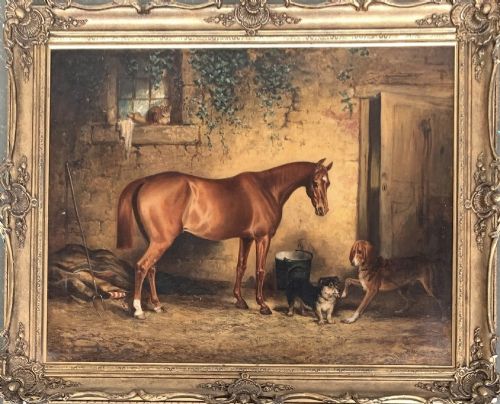
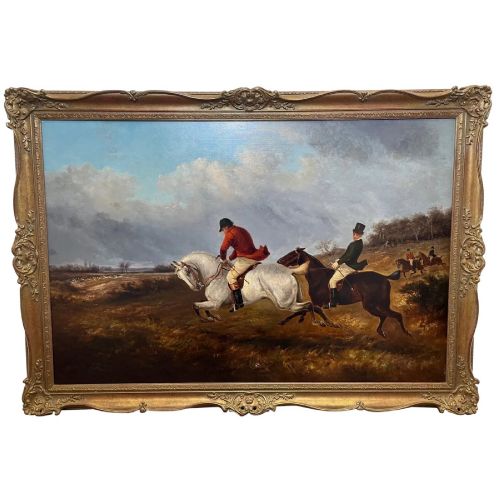
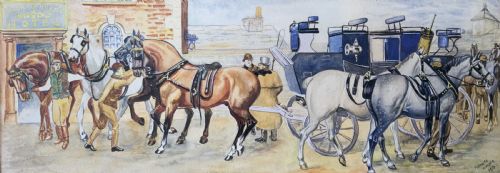
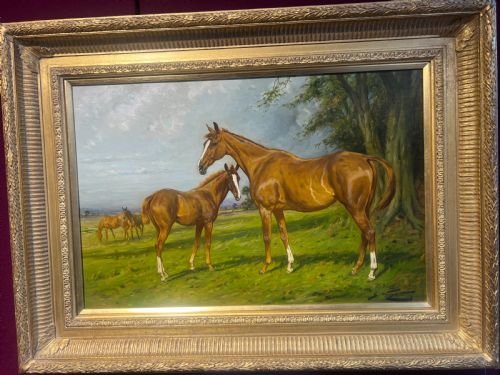
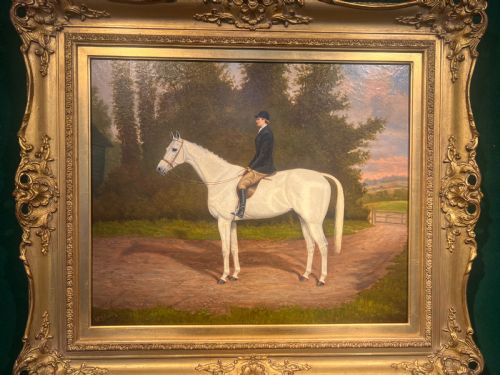
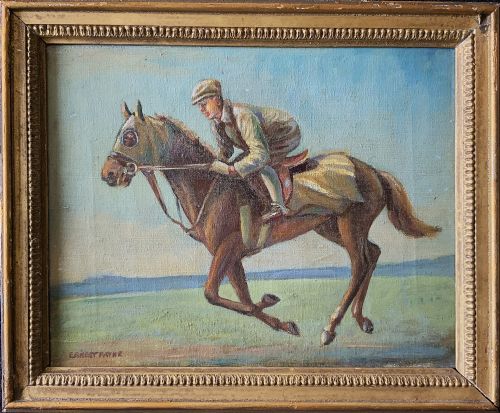
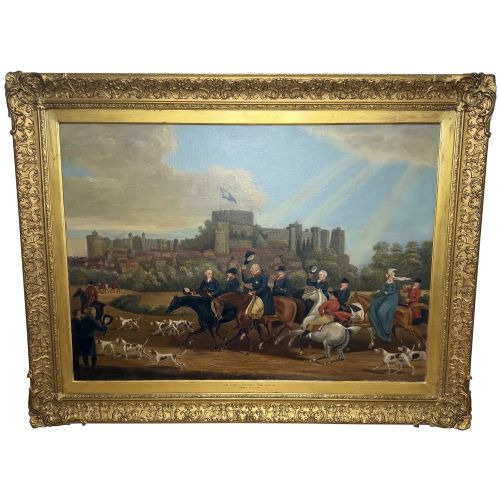
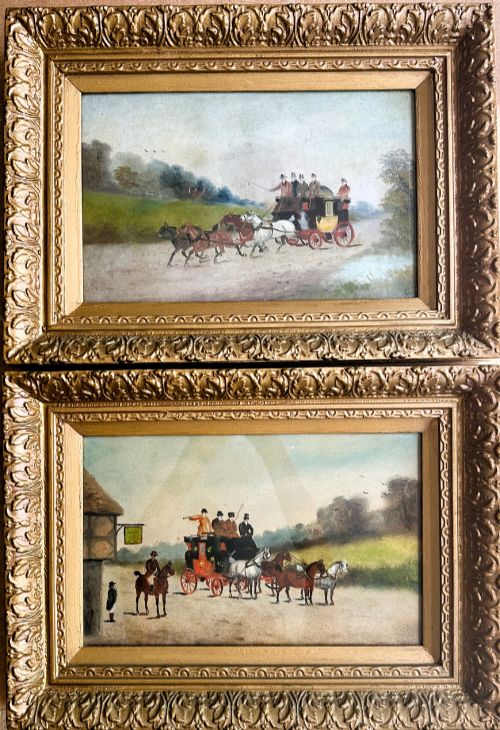
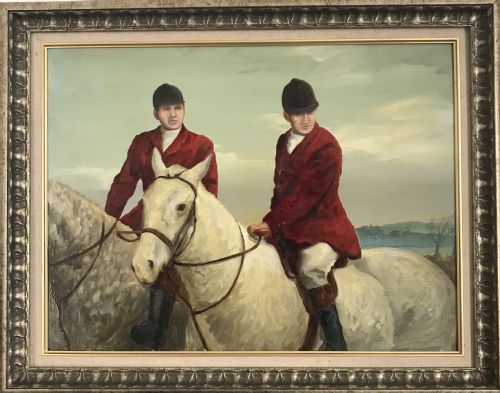
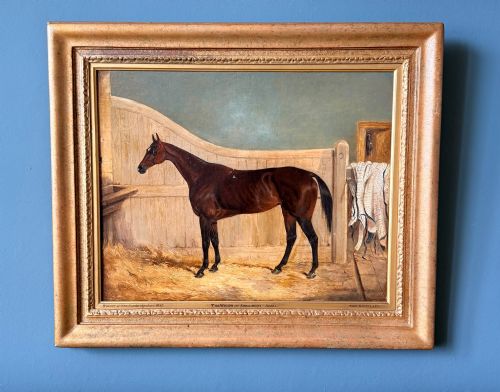
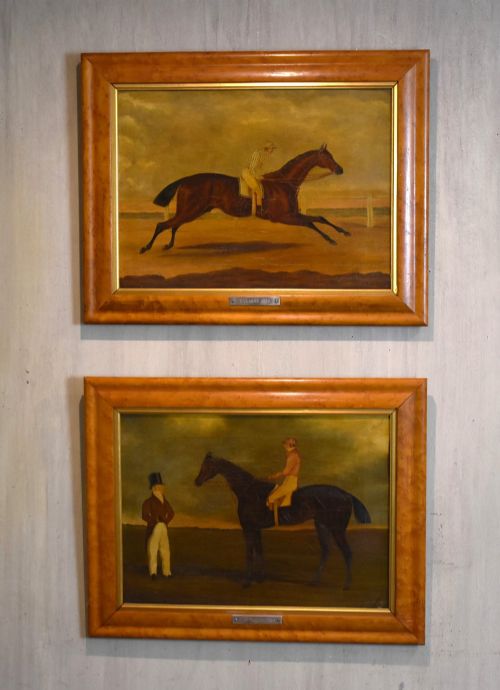
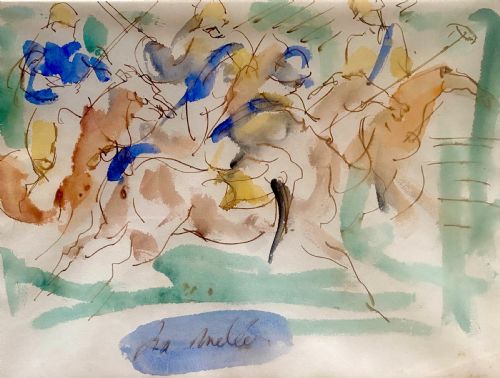
A vintage equestrian sporting painting depicts subjects such as racehorses, fox hunting scenes, coaching carriages and individual horse portraits. These works range from grand nineteenth-century oil canvases to mid-century watercolours and gouache studies.
The selection here draws primarily upon Victorian and Edwardian traditions, alongside later interpretations by twentieth-century artists working in oil, canvas and paper.
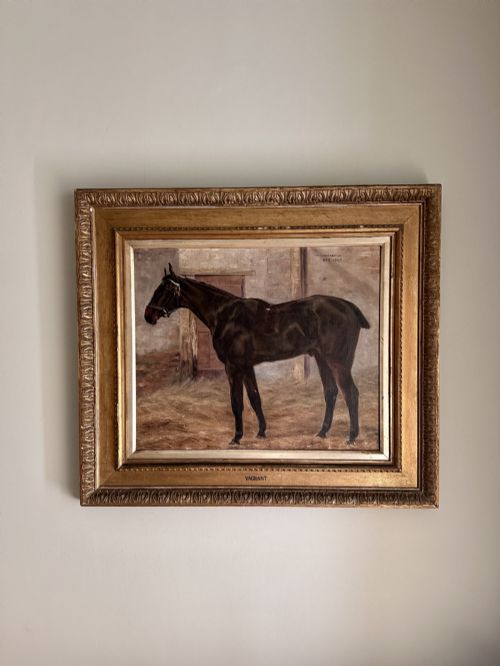
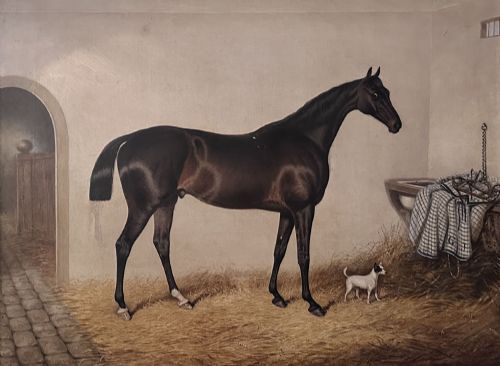
Buyers encounter framed portraits of named thoroughbreds in stables, dramatic racing finishes and spirited hunting landscapes set in English countryside.
How they were made
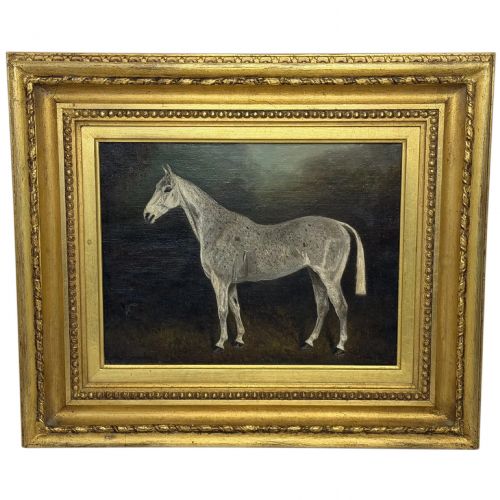
Artists relied heavily on oil paint applied to canvas or wood panels, building up rich layers of colour to render the muscular form of a hunter or the sheen of a chestnut coat.
Watercolour and ink on paper served lighter compositional studies, particularly for rapid depictions of polo matches or paddock scenes.
Many surviving works retain their original giltwood or oak frames, which frequently complement the traditional British sporting art aesthetic.
Several canvases record specific equine celebrities, ensuring stubborn racehorses and beloved hunters achieve immortality alongside royalty.
What varies in quality
Anatomical accuracy and the correct rendering of equine movement separate accomplished equine portraiture from rigid, formulaic depictions.
The reputation of the artist, provenance linking a canvas to notable estates or historic races, and the crisp execution of background landscapes elevate individual works within the genre.
Henry Barraud·Thomas Smythe·George Wright·William Albert Clarke·John Frederick Herring Snr·John Rattenbury Skeaping
The Vintage Equestrian Sporting Painting Glossary
- Giltwood
- A type of carved wood frame finished with a thin layer of gold leaf. These frames often accompany nineteenth-century oil paintings to enhance their presentation.
- Eglomise
- A decorative technique involving the application of design and gilding to the reverse side of glass. This method appears in reproductive sporting pieces.
- Grisette
- A term historically used to describe a grey mare. In sporting titles, it often identifies a specific horse recorded by the artist.
- Provenance
- The documented history of ownership surrounding an artwork. Strong provenance confirms the authenticity and historical context of a sporting portrait.
Vintage Equestrian Sporting Painting: Frequently Asked Questions
What subjects do these paintings feature?
These works focus predominantly on horses, including named racehorses, hunters in stables and hounds engaged in field sports.
Scenes also encompass coaching journeys, polo matches and racecourse paddocks.
How do I date a sporting painting?
Dating relies on costume details of the riders, framing styles and signature signatures or historical inscriptions on the reverse of the canvas.
Victorian pieces often display heavier gilt frames, whereas mid-century works utilise simpler wooden mounts.
Where should I hang these artworks?
Traditional oil paintings suit study walls, dining rooms or libraries where wood panelling complements the dark tones of nineteenth-century canvases.
Keeping them away from direct sunlight preserves the vibrancy of the oil paint and paper.
What is British sporting art?
British sporting art is a distinct genre celebrating horses, hounds, shooting and racing that flourished from the eighteenth through to the mid-twentieth century.
Artists aimed to record specific animal portraits and sporting triumphs for landed estates and racing patrons.