
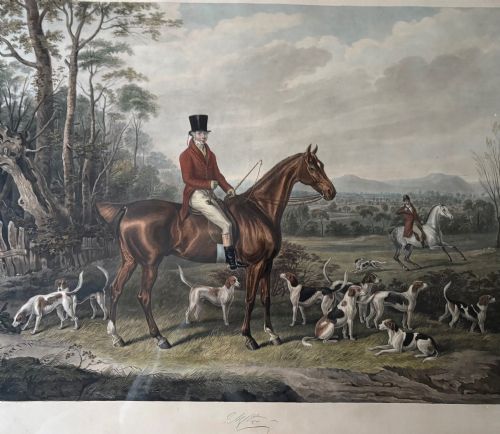


Vintage Equestrian Engravings
Vintage equestrian engravings bring the thunder of the racecourse and the stillness of the hunting field directly onto your wall.
Vintage Equestrian Engravings
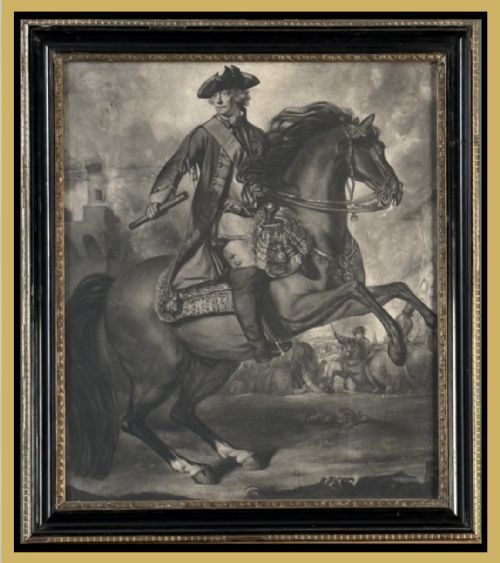
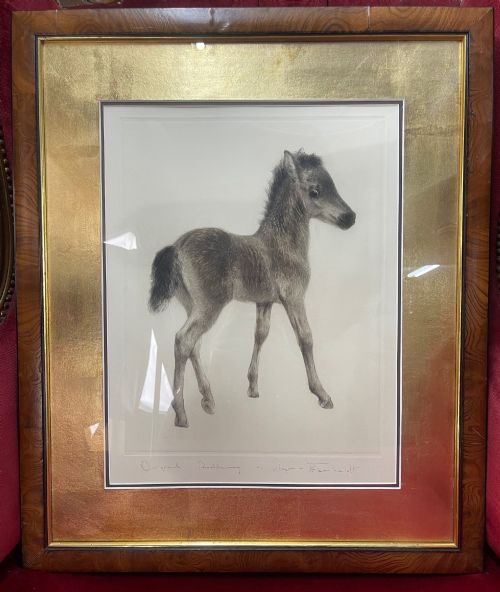
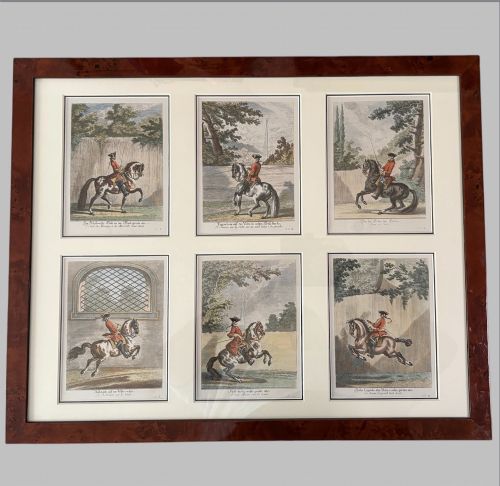
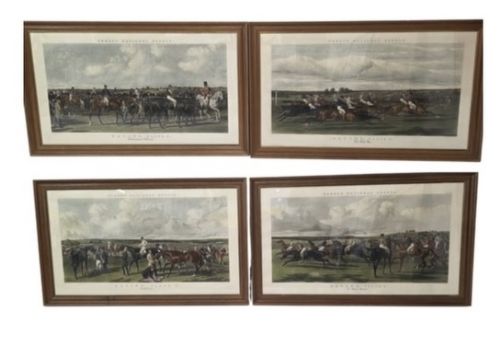
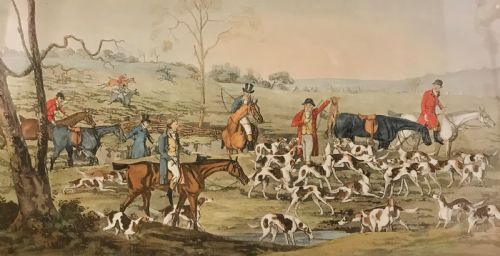
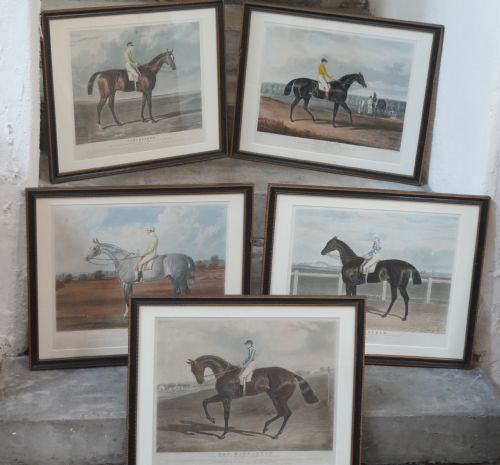
Vintage equestrian engravings capture horses, racing, hunting and sporting life through printed art on paper. When exploring vintage equestrian engravings, you encounter framed prints, lithographs, aquatints and mezzotints.
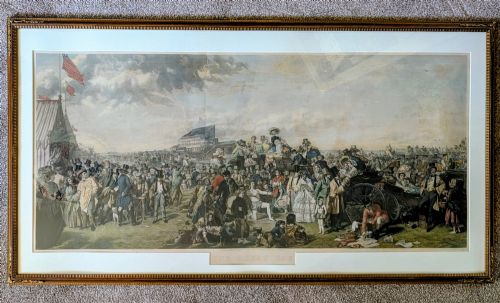
Most examples originate from the eighteenth century, Georgian era, Victorian period and nineteenth century. You find single plates alongside complete sets depicting matches, steeplechases and portraits.
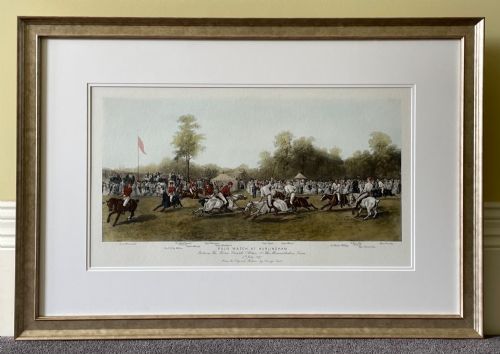
The subjects range from racehorses like Creeping Molly to polo matches at Hurlingham and fox hunting scenes. Makers and artists recorded these animals using copper plates, lithographic stones and ink.
How they were made
These works rely on paper as the primary support, marked using ink, watercolour and copper plates. Artisans pressed inked lines into damp paper under heavy pressure to transfer fine details.
Many early plates received hand colouring in watercolour to enhance the coats of the horses and the landscape. Framing often incorporates wood, glass and gold leaf to protect the fragile paper sheets.
Listings span from the eighteenth century to the twentieth century, featuring paper, glass, wood, ink, watercolour and gold leaf.
What varies in quality
Quality rests in the crispness of the engraved line and the fidelity of the impression taken from the plate. Early strikes retain sharp detail, whereas later copies lose definition.
The skill of the original artist and the engraver dictates the anatomical accuracy of the horses and the depth of the composition. Hand colouring executed with precision elevates the visual impact of the print.
Edward Fisher·Sir Joshua Reynolds·Kurt Meyer-Eberhardt·William Powell Frith·Ridinger·Victor Adam·C de Falens·H. Alken·Charles Hunt·Francis Calcroft Turner·J F Herring
The Vintage Equestrian Engravings Glossary
- Engraving
- A printmaking technique where an artist cuts lines into a metal plate using a sharp tool called a burin. The resulting grooves hold the ink for printing.
- Aquatint
- A variant of etching that produces tonal areas resembling watercolour washes. It allows the creator to achieve subtle shades of shadow and light.
- Lithography
- A planographic printing process based on the repulsion of oil and water. The artist draws on a limestone slab or metal plate with a greasy medium.
- Mezzotint
- A tonal printmaking method where the copper plate is roughened uniformly to produce rich dark areas. Scraper and burnisher tools then smooth spots to create lighter tones.
- Drypoint
- A printmaking process where a sharp needle scratches directly into a metal plate. This raises a rough ridge of metal called a burr, which gives the printed lines a soft, velvety appearance.
Vintage Equestrian Engravings: Frequently Asked Questions
How do I date an equestrian print?
Examine the paper quality, printing technique, and any printed publication lines or dates in the margin. Eighteenth and nineteenth-century prints often use hand-laid paper and specific copper plate impressions.
Compare the style of the clothing and horse tack to known periods like the Georgian or Victorian eras. Signatures of artists or publishers provide additional chronological markers.
Are these prints hand-coloured?
Many vintage sporting prints feature delicate hand-applied watercolour over the printed ink lines. Close inspection under magnification reveals brushstrokes and subtle variations in pigment density.
Original period colouring differs from modern additions through its integration with the aged paper tones. Hand-colouring was standard practice for sporting art publishers in the Georgian and Victorian periods.
How should I frame and hang these?
Protect the paper by using acid-free mounts and UV-filtering glass to prevent fading from sunlight. Keep framed prints away from direct heat sources and damp environments.
Hang them securely using appropriate wall fixings suited to the weight of the wood frame and glass. Grouping sets together works well when the framing styles match.
What is the difference between an engraving and a lithograph?
An engraving is printed from a carved metal plate, resulting in pressed lines that sit slightly into the paper. This technique produces precise, sharp outlines suited to detailed animal anatomy.
Lithography uses a flat stone or metal plate, creating images through chemical processes rather than deep cuts. Lithographs often capture softer tonal gradations and were popular for nineteenth-century sporting scenes.