





Vintage Entryway Furniture
Vintage entryway furniture comprises hall stands, benches, and console tables designed to organise domestic passages with period character.
Vintage Entryway Furniture
Vintage entryway furniture encompasses practical forms designed for halls and corridors, ranging from sturdy oak settles to mahogany console tables. When searching for vintage entryway furniture, buyers encounter functional pieces intended to hold coats, hats, sticks, and boots upon entering a home.
The selection on this page draws primarily from the Victorian and Edwardian eras, alongside Arts and Crafts and Jacobean Revival movements. Common object types include hall stands, storage benches, hall seats, and coat and umbrella stands produced across the nineteenth and early twentieth centuries.
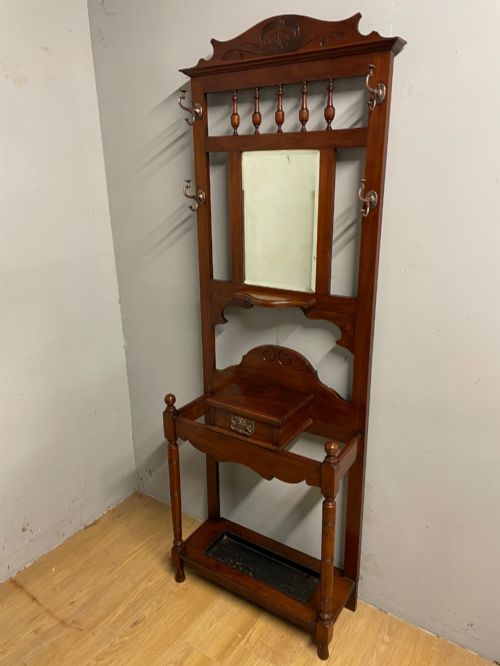
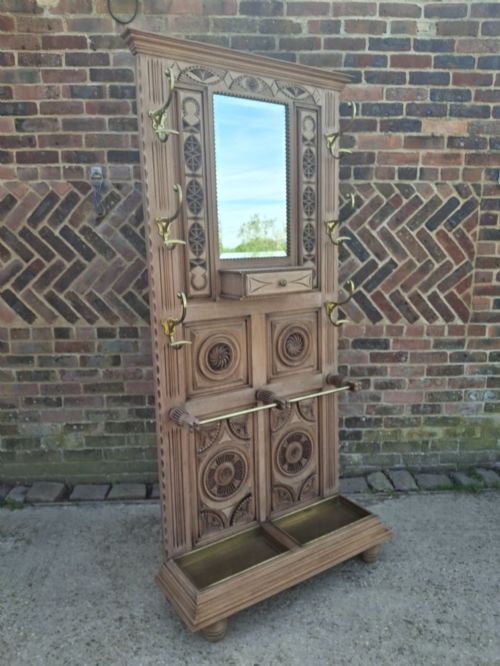
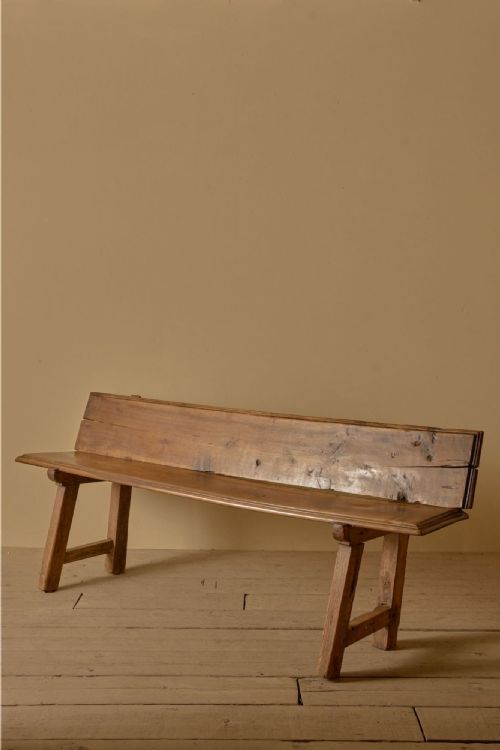
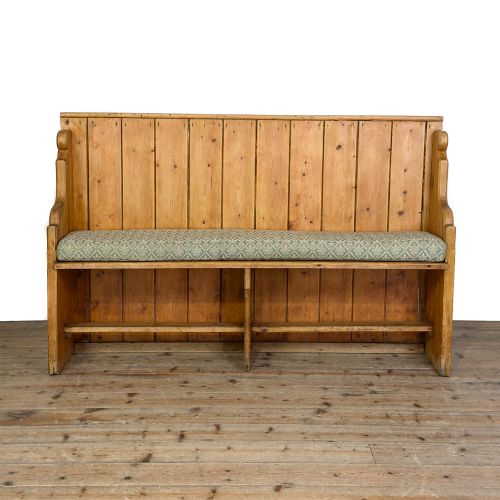
Woods such as oak, walnut, mahogany, and pine dominate the offerings, occasionally supplemented by bamboo, cast iron, and brass. Pieces range from simple pine pews to elaborate hall stands featuring carved panels, umbrella wells, and integrated mirrors.
How they were made
Makers utilised solid timbers including oak, mahogany, walnut, and pine, often shaping them with hand tools and traditional joinery. Carved ornamentation, panelled construction, and turned spindles define the structural approach seen across these items.
Metal elements such as brass hooks, cast iron frames, and mirror plates were integrated to add utility. Waxed or polished finishes protected the timber while highlighting natural grain patterns and rich patination.
Vintage Entryway Furniture Retail Price Guide 2026
Typical asking prices for vintage entryway furniture among the pieces listed under this phrase on Sellingantiques today, from the lower quarter to the upper quarter. They describe what is for sale here now, not the wider market.
What varies in quality
Structural integrity and the retention of original surfaces separate everyday utilitarian items from finer examples designed for grander domestic settings.
Liberty
The Vintage Entryway Furniture Glossary
- Settle
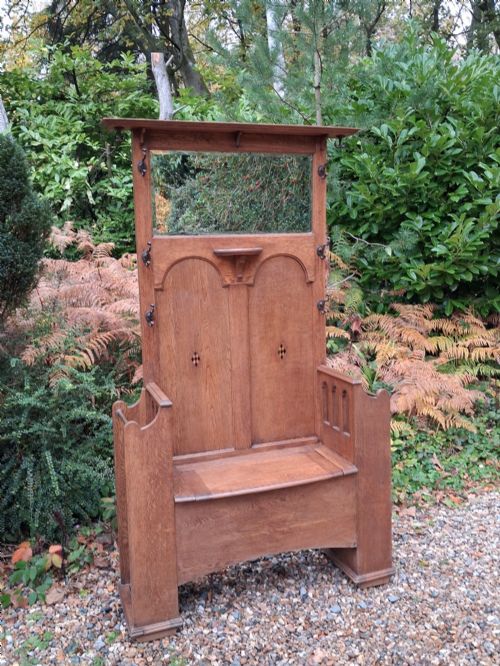
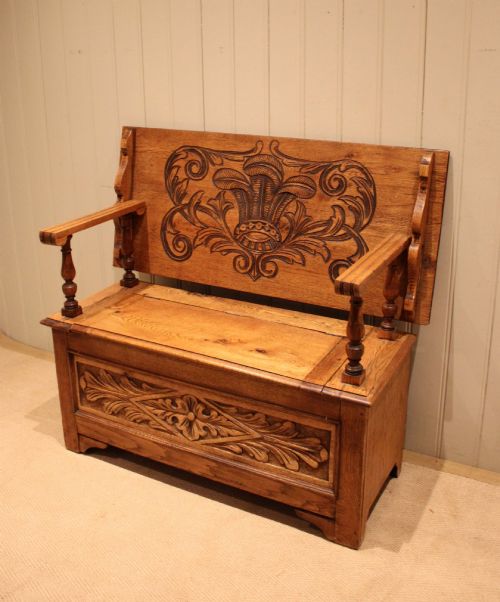
- A wooden bench with high backs and arms, often incorporating a hinged box seat for storage. These pieces provided shelter from draughts in corridors and living spaces.
- Hall Stand
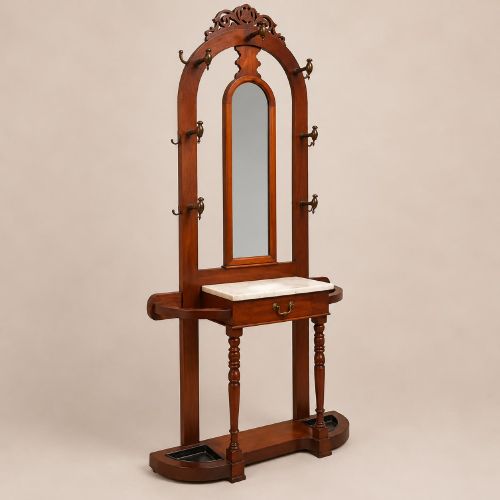
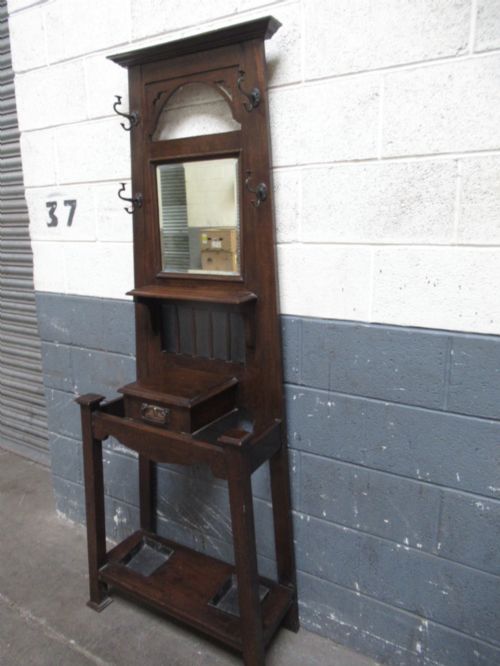
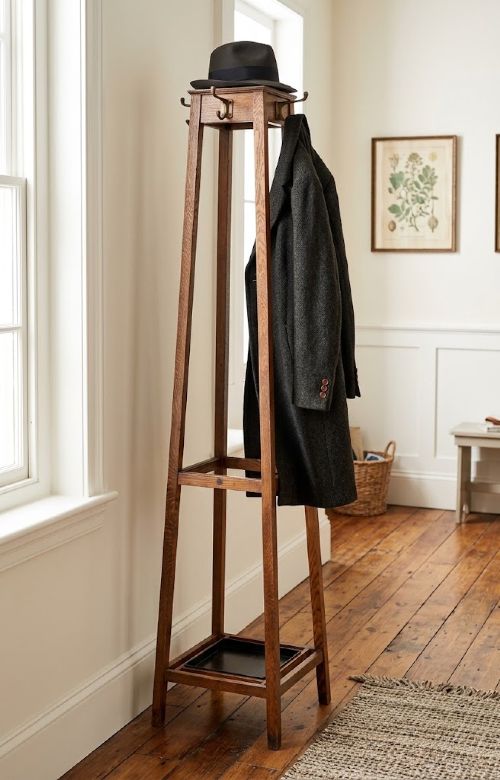
- A tall piece of furniture combining coat hooks, an umbrella or stick stand, and frequently a central mirror and small shelf or drawer. They served as the primary greeting point for visitors.
- Console Table
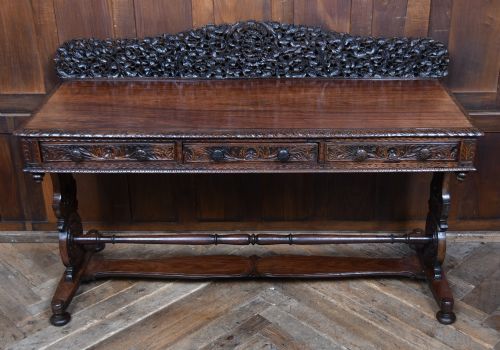
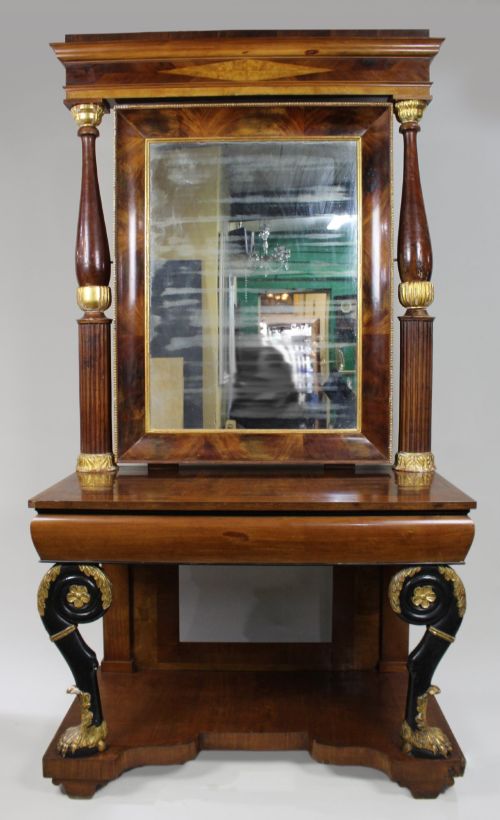
- A table designed to stand against a wall, frequently paired with a pier mirror above it. They offered a narrow surface for keys and calling cards in tight spaces.
- Aesthetic Movement
- A late nineteenth-century design style that emphasised visual beauty over narrative content, often incorporating exotic materials like bamboo and Japanese-inspired motifs.
- Arts and Crafts
- A design movement valuing honest construction, local materials, and hand-craftsmanship over industrial mass production. Furniture from this tradition typically displays simple lines and exposed joinery.
Vintage Entryway Furniture: Frequently Asked Questions
What is a hall stand used for?
A hall stand provides a designated place to hang outerwear, store umbrellas, and check appearances before leaving the house. The integrated hooks, rails, and mirror combine multiple functions into a single hallway footprint.
Many examples also include small trays or compartments for visiting cards, keys, or gloves. This kept the entryway tidy while presenting a welcoming appearance to callers.
How do I identify an Edwardian hall stand?
Edwardian hall stands generally date from the early twentieth century and often display lighter oak or mahogany timbers compared to heavier Victorian pieces. They frequently incorporate bevelled mirrors and brass coat hooks alongside floral carvings.
The overall scale tends to be slightly more restrained than earlier nineteenth-century designs, reflecting changing domestic interiors and smaller hallway spaces.
Are storage benches suitable for modern hallways?
Storage benches offer practical seating combined with concealed compartments beneath hinged seats for shoes, boots, or textiles. Their compact depths allow them to fit into narrow corridors without obstructing movement.
Period benches bring natural timber textures and historical character into contemporary homes while serving an active organizational role.
What materials are common in antique entryway furniture?
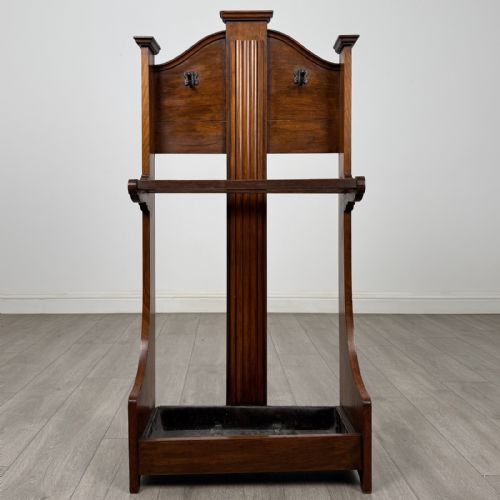
Solid oak, mahogany, walnut, and pine form the structural foundation for the majority of these pieces. Metal components like brass and cast iron appear on coat hooks and umbrella drip trays.
Some Victorian and Aesthetic Movement examples also utilise bamboo and glass mirrors to create lighter, more eclectic hallway furnishings.