




Antique Walnut Umbrella Rack
An antique walnut umbrella rack keeps your hallway orderly whilst bringing rich timber grain right to the threshold.
Antique Walnut Umbrella Rack
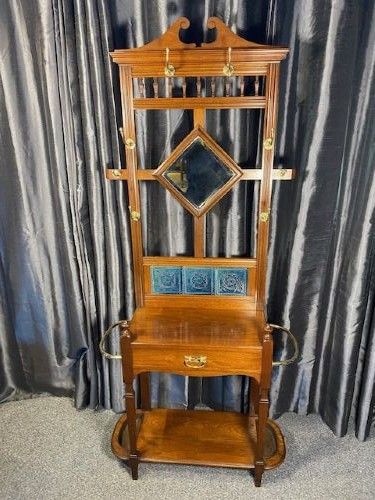
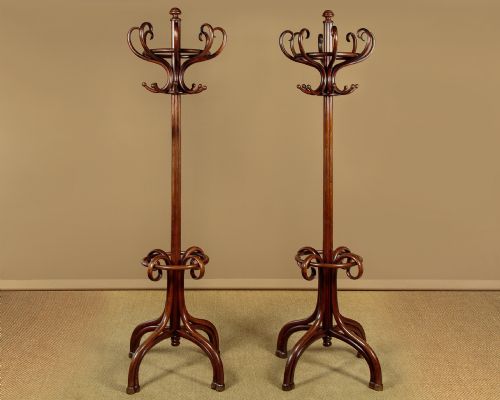
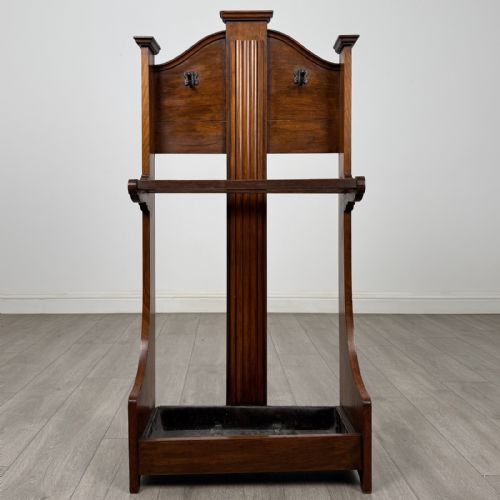
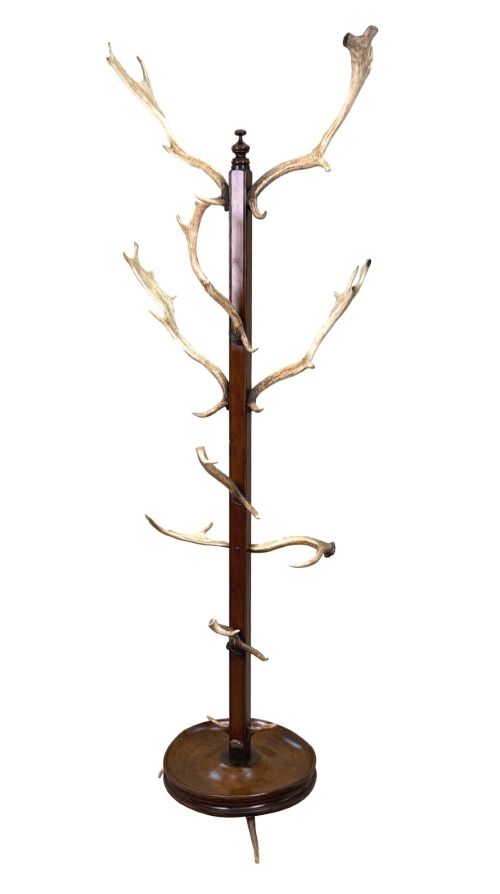
An antique walnut umbrella rack appears primarily in forms such as hall stands, umbrella stands, coat racks, and stick stands. These items serve the busy entranceways of homes by holding coats, hats, and wet walking gear in one designated place.
You will most frequently meet Victorian and Edwardian examples on this page, alongside pieces bearing 19th Century, 1900, 1920, 1860, and 1890 dates. Origin styles span standard Victorian and Edwardian work to Black Forest and 19th Century Italian designs.
The timber used across these pieces is consistently walnut, often paired with carved wood or lindenwood for sculptural elements. Many incorporate metal, brass, zinc, or glass details to manage dripping water and provide sturdy structural support.
How they were made
The makers built these stands using solid walnut and carved wood, employing traditional joinery to support the weight of heavy winter coats and damp walking sticks. Lindenwood appears in sculptural carvings, adding fine detail to figures and natural motifs.
Functional metal, brass, and zinc components are integrated directly into the wooden frames to catch water from wet umbrellas without rotting the surrounding timber. Glass elements occasionally appear in mirrors fitted to larger hall stand backboards.
Antique Walnut Umbrella Rack Retail Price Guide 2026
Typical asking prices for walnut umbrella rack among the pieces listed under this phrase on Sellingantiques today, from the lower quarter to the upper quarter. They describe what is for sale here now, not the wider market.
Listings feature walnut combined with brass, zinc, and glass across 19th Century, Victorian, and Edwardian periods.
What varies in quality
Quality separates simple utility from sculptural ambition, as seen in the contrast between plain stick stands and elaborate hall stands featuring carved bears and detailed foliage. The depth and skill of the carving dictate the artistic merit of each piece.
The integration of secondary materials like brass drip pans and glass mirrors defines the execution of better examples. Finer pieces demonstrate careful selection of walnut grain, ensuring the timber itself contributes decorative presence to the hallway.
The Antique Walnut Umbrella Rack Glossary
- Hall stand
- A large hallway furniture piece combining a coat rack, hat hooks, umbrella stand, and often a mirror. These items anchor the entrance hall of a period home.
- Stick stand
- A compact piece designed specifically to hold walking sticks and umbrellas upright. They often feature partitioned wooden frames above metal or zinc drip trays.
- Black Forest
- A distinct style of intricate wood carving originating from the central European mountain region, frequently depicting bears and natural forest elements. These pieces display deep, naturalistic relief work.
- Lindenwood
- A pale, fine-grained wood utilised by carvers for detailed sculptural elements due to its soft yet stable working properties. It takes intricate chiselling exceptionally well.
Antique Walnut Umbrella Rack: Frequently Asked Questions
Where should I place an umbrella rack?
Position your rack near the main entrance door where guests and family members naturally drop off outdoor garments and wet walking gear. This keeps dampness away from main living areas and ensures muddy items stay by the threshold.
Ensure there is adequate clearance around the piece so coats hanging on the hooks do not crowd the hallway passage.
How do I tell Victorian pieces apart from Edwardian ones?
Victorian stands tend to feature heavier proportions, darker finishes, and more ornate, deep-relief carvings reflecting the tastes of the 19th century. They often incorporate mirrors and extensive umbrella storage.
Edwardian examples usually present a lighter, more restrained aesthetic with simpler lines and less visual clutter, suiting the brighter hallways of the early 20th century.
How do I clean and maintain walnut hall furniture?
Dust the carved wooden surfaces regularly with a soft, dry cloth to prevent grime build-up in the recesses of the foliage and figures. Feed the timber occasionally with appropriate wax to preserve the natural lustre of the walnut grain.
Avoid placing the stand directly against radiators or in strong sunlight, which can dry out the historic wood and cause splitting.