

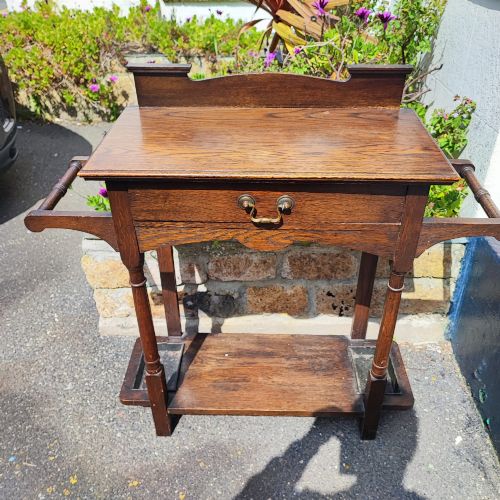


Vintage Entry Hall Stand
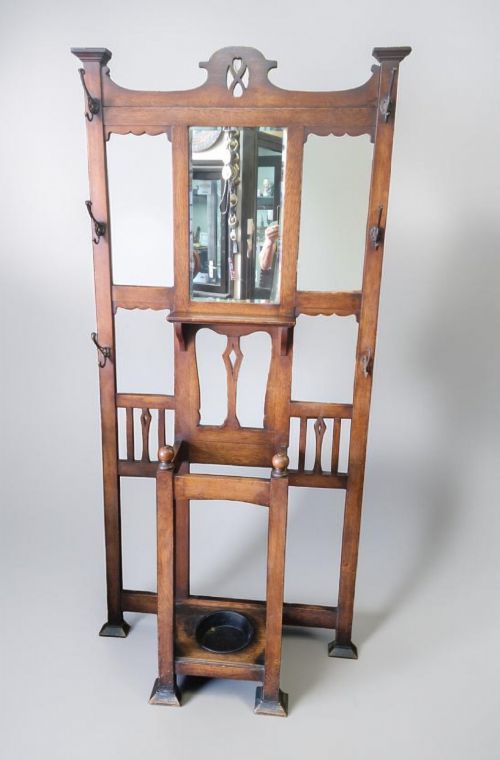
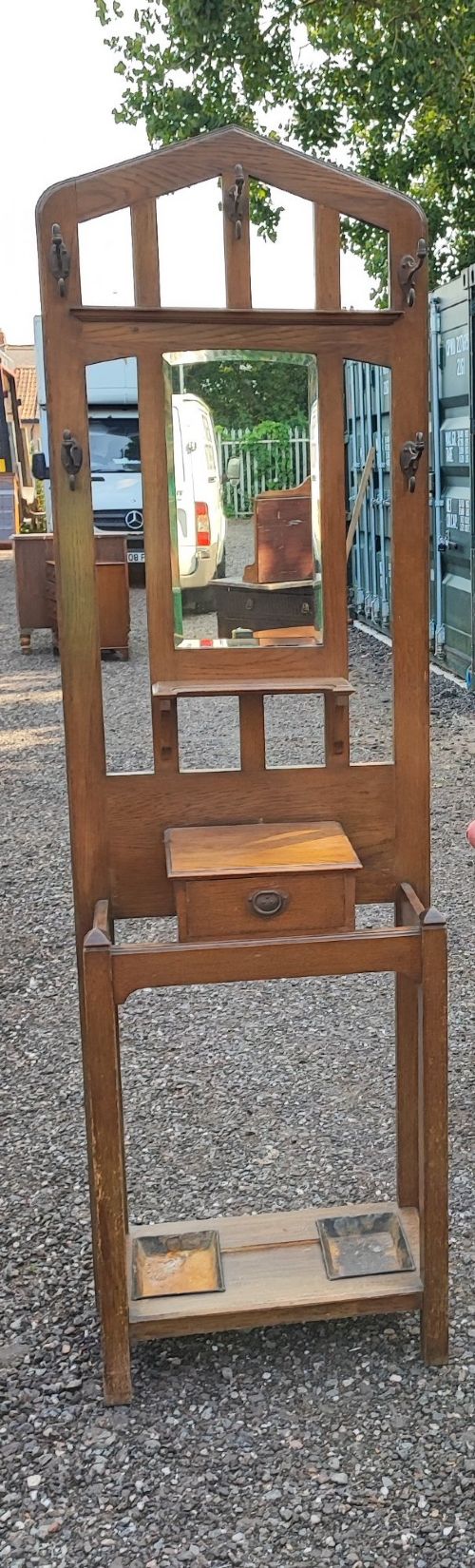
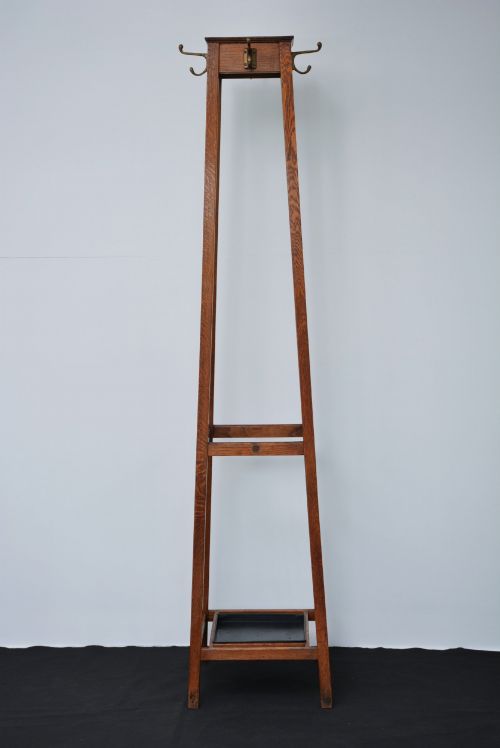
A vintage entry hall stand welcomes visitors with practical utility, combining storage for coats, hats, and umbrellas in one striking piece of hallway furniture.
Vintage Entry Hall Stand
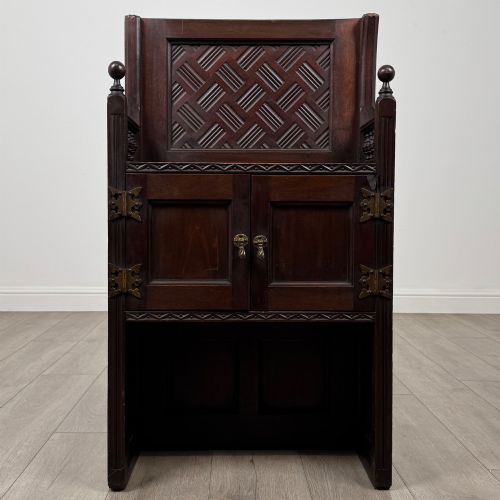
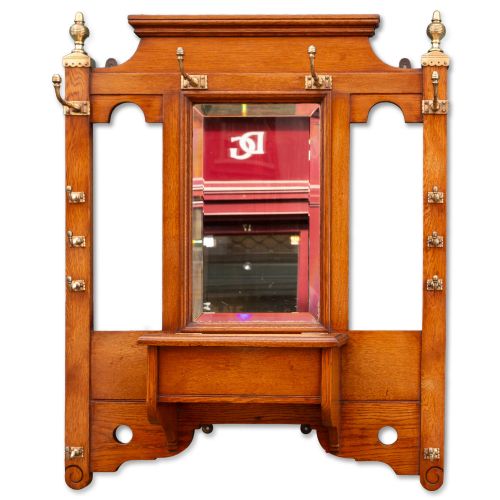
A vintage entry hall stand serves as the primary drop-off point in a hallway, organising outdoor garments and accessories the moment one steps inside the front door. These furnishings range from substantial combined pieces with integrated mirrors and glove boxes to lighter wall-mounted racks and dedicated umbrella stands.
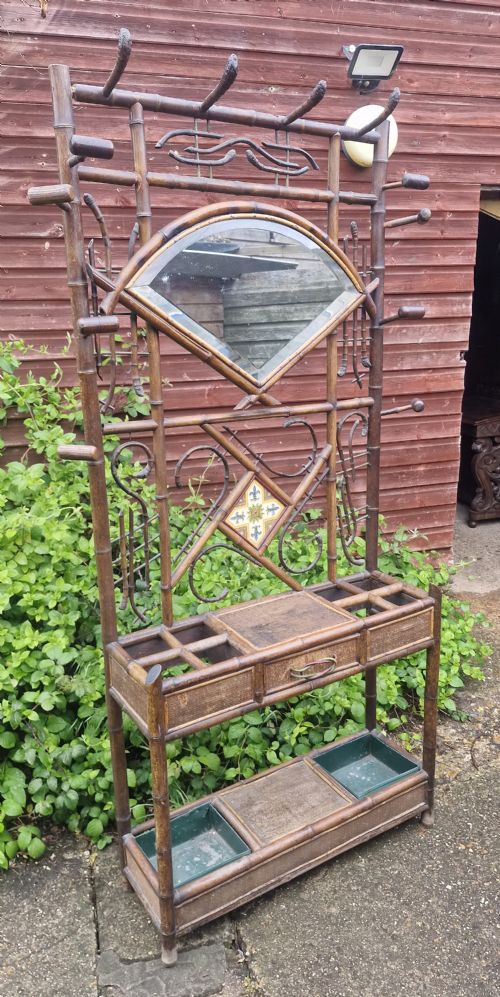
The pieces seen here span the Victorian, Edwardian, and Art Deco periods, encompassing styles from ornate Gothic Revival and Arts and Crafts to clean-lined industrial designs. Oak and mahogany form the backbone of the wooden examples, while cast iron and brass feature heavily in standalone stick and umbrella holders.
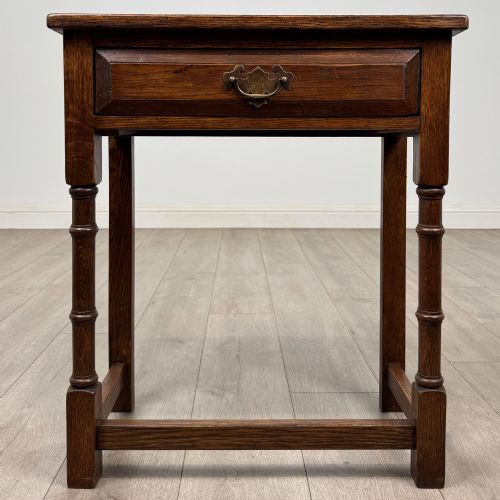
Combinations of functions define the category, with hall seats, console tables, and coat stands frequently merging into single multi-purpose units. Buyers encounter everything from narrow bamboo frames to heavy carved oak country house pieces designed for large entrance halls.
How they were made
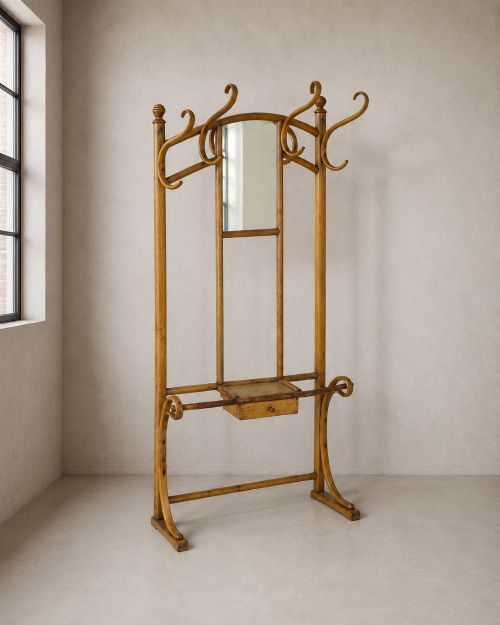
Craftsmen utilised robust timbers such as oak, mahogany, walnut, and pitch pine, often employing deep carving, fretwork, and inlaid details characteristic of the Arts and Crafts movement. Bentwood techniques also appeared, yielding fluid, steam-bent frames seen in notable seating and hat stands.
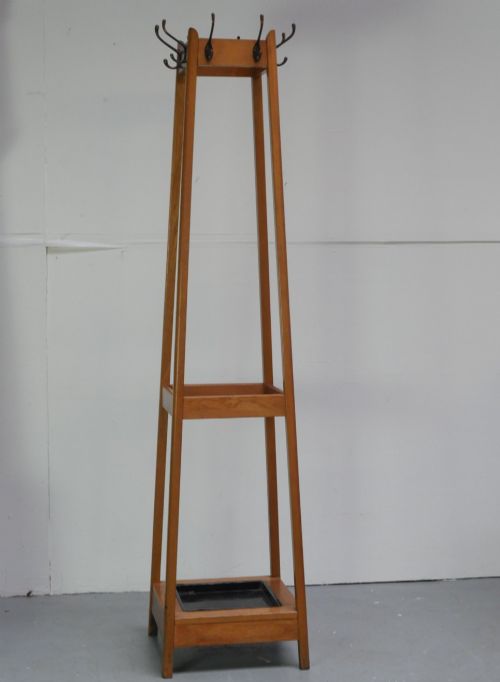
Metalworking played a central role, particularly in cast iron and brass stick stands, alongside nickel-plated and wrought iron frames from the Art Deco era. Structural integration of bevelled mirrors, ceramic drip pans, and brass coat hooks required precise joinery and metal fitting to support daily heavy use.
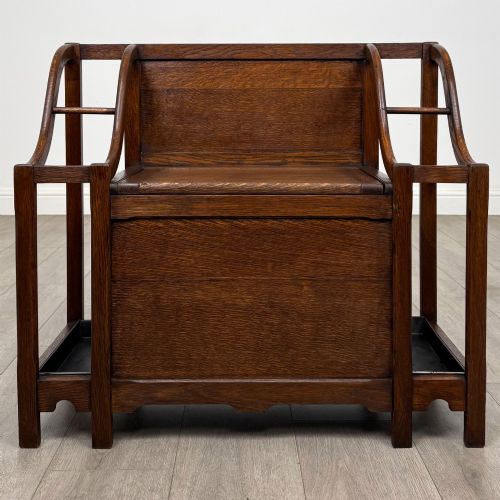
Some Victorian hall stands include secret lift-up lids in their bow-front seats, perfect for hiding away unruly winter gloves.
What varies in quality
Construction methods and timber selection set the baseline, distinguishing solid oak and carved mahogany frameworks from lighter pine or composite alternatives. The presence of original hardware, such as cast brass hooks, removable metal drip trays, and unblemished mirror glass, elevates a piece significantly.
Design ambition dictates the upper tier of the range, where intricate hand-carving, specialised inlay, and branded maker attribution replace utilitarian factory production. Retaining original patination on wood and unpolished metal surfaces marks out a well-preserved survivor from a heavily restored or altered example.
Shapland and Petter·Liberty·Coalbrookdale·Thonet·Astrola
The Vintage Entry Hall Stand Glossary
- Hallstand
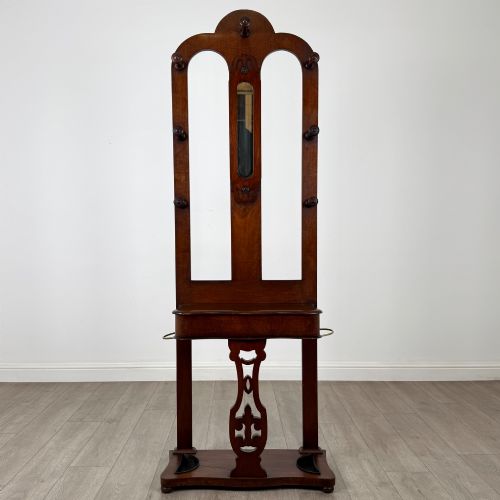
- A combined piece of hallway furniture incorporating coat hooks, hat storage, and frequently a mirror or umbrella stand. These items formed the focal point of nineteenth and early twentieth-century entrance spaces.
- Demi-lune
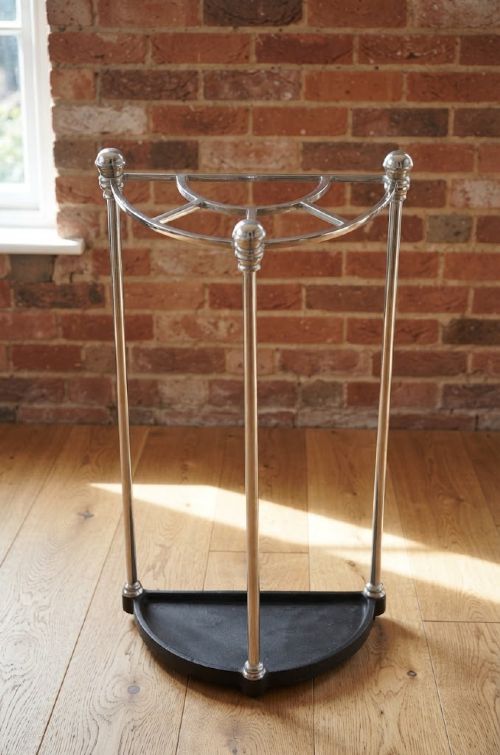
- Half-moon shape, applied here to console tables and umbrella stands designed to sit flush against a hallway wall. This curved form saved valuable floor space in narrow corridors.
- Bentwood
- Wood softened by steam and bent into rounded curves, famously utilised by makers like Thonet for lightweight hall stands. This technique created sturdy, elegant frameworks without traditional joinery.
- Portmanteau
- A large hall stand featuring a central mirror, coat hooks, and enclosed storage or seating. Originating from luggage terminology, it describes a comprehensive furniture piece handling all gateway storage needs.
- Drip tray
- A metal or ceramic basin positioned at the base of stick and umbrella stands to catch moisture from wet weather gear. Original trays often feature specific shaping to match the frame of the stand.
Vintage Entry Hall Stand: Frequently Asked Questions
What is a hall stand?
A hall stand is a multi-functional piece of furniture designed for entranceways to store outdoor garments, hats, and walking sticks.
They typically combine hooks, a mirror, and a tray for umbrellas into a single compact unit.
How do I date a hall stand?
Dating relies on identifying period styles, timber choices, and manufacturing techniques such as hand-carving versus machine production.
Victorian pieces often feature heavy carved oak, while Edwardian and Art Deco examples introduce lighter woods, bentwood, or ironwork.
Where should I place a hall stand?
Hall stands belong in entryways, vestibules, or hallways where guests arrive and outdoor wear is removed.
Narrow models suit compact corridors, whereas mirrored portmanteaus require broader wall space and good lighting.
Are umbrellas stored inside hall stands?
Umbrellas and walking sticks slot directly into dedicated ring divisions or metal drip pans built into the base.
These integrated trays protect hallway flooring from dampness brought in from outside.