


Brown Wood Hall Tree
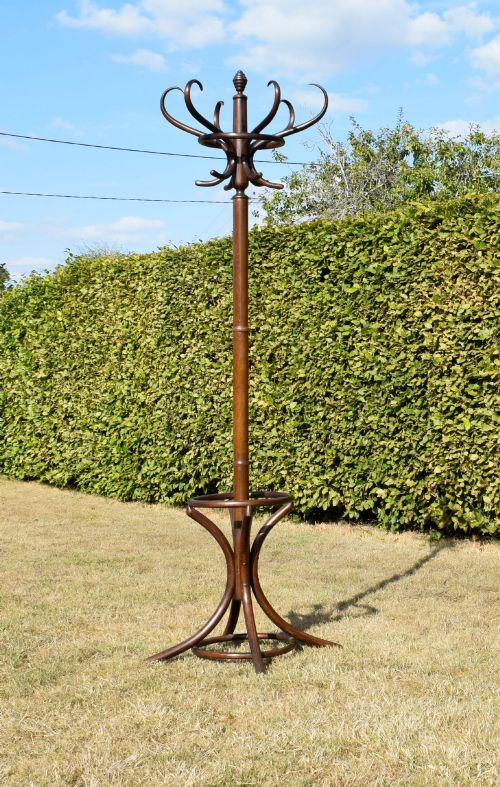
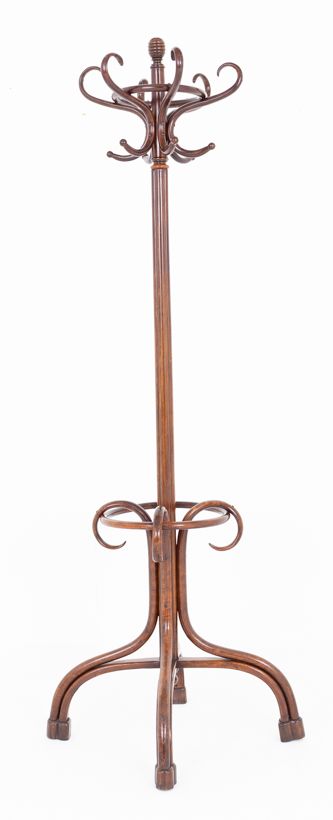
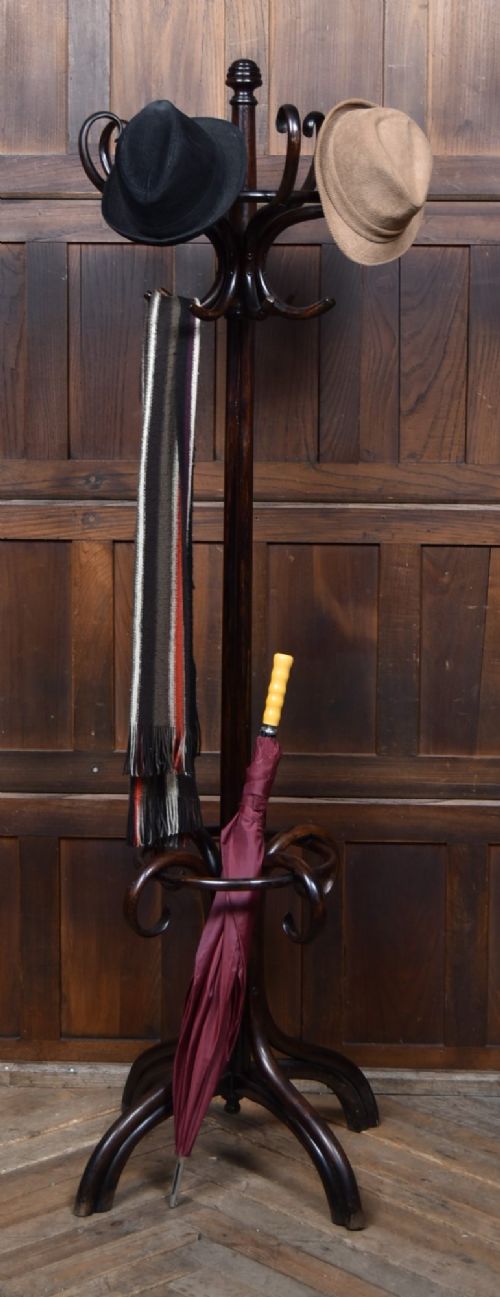
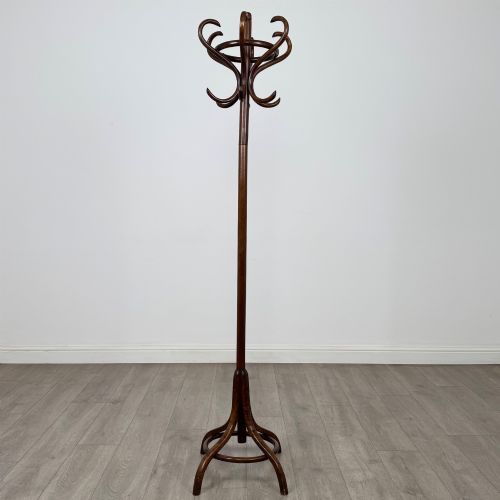
A brown wood hall tree provides an indispensable and welcoming focal point for coats and hats in a busy entrance.
Brown Wood Hall Tree
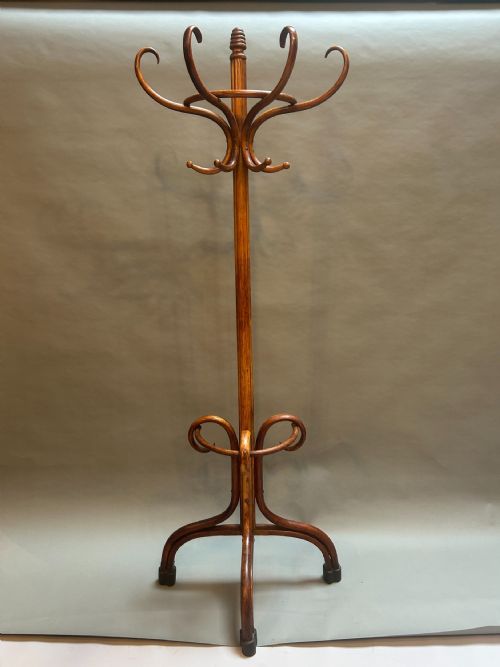
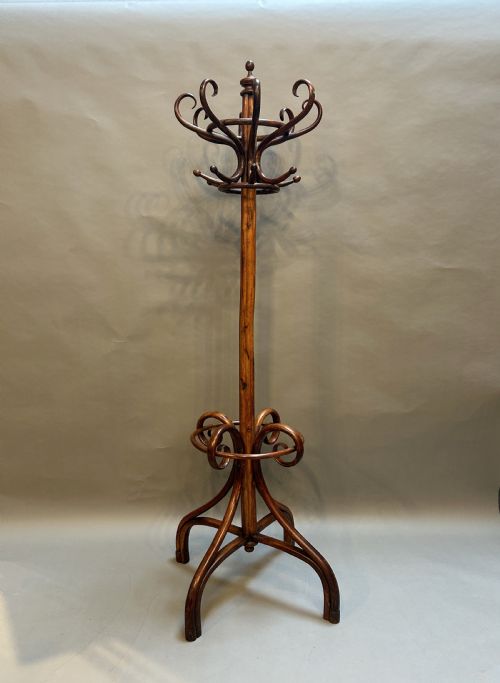
A brown wood hall tree serves as a practical entryway furnishing designed to hold coats, hats, and umbrellas. When searching for a brown wood hall tree, you encounter various formats including freestanding coat stands, wall mirrors, and elaborate carved hallstands from the nineteenth and early twentieth centuries.
The selections span distinct periods ranging from Victorian and Edwardian eras up to the 1930s. The most prevalent versions on this page are bentwood hat stands and carved oak or walnut hall stands reflecting the stylistic preferences of the late nineteenth and early twentieth centuries.
How they were made
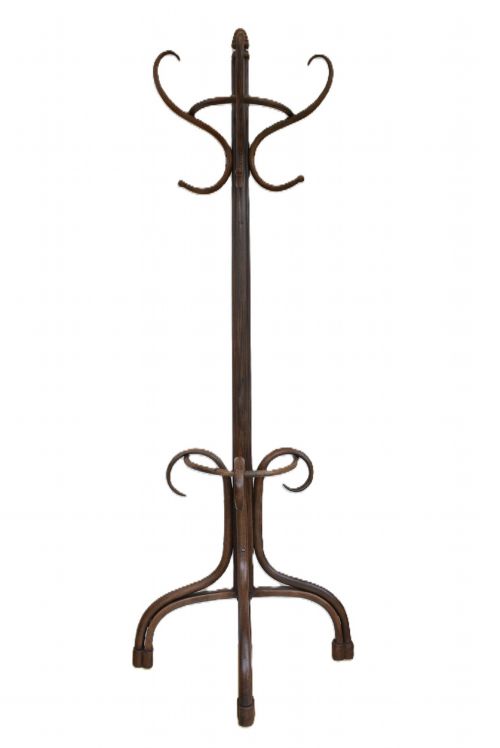
The construction of these pieces relies heavily on solid timbers such as beech, walnut, oak, and mahogany. Beech is frequently steam-bent into graceful, flowing curves for lightweight yet durable bentwood stands.
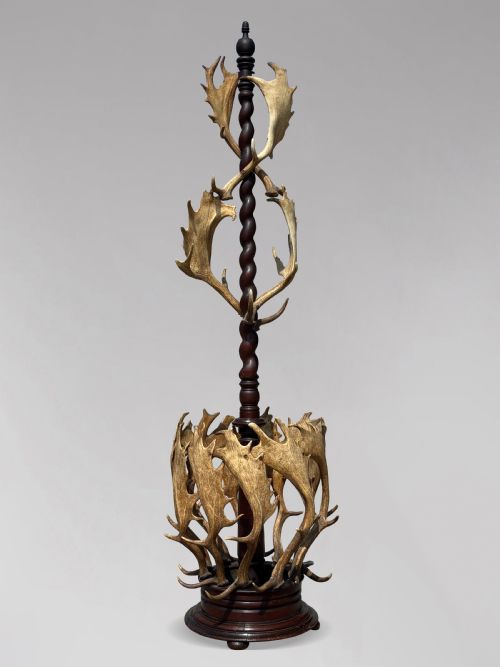
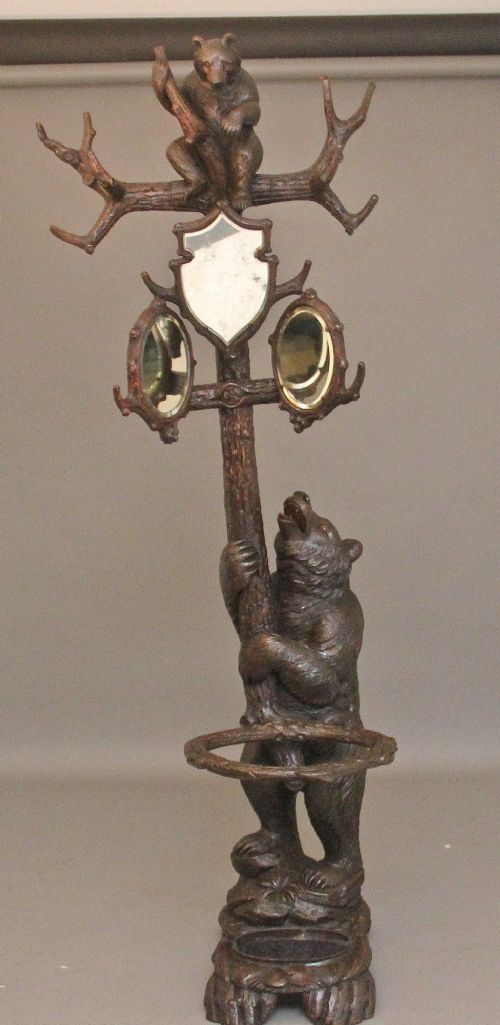
Heavier Victorian and Black Forest examples utilise detailed hand-carved wood, sometimes incorporating brass hardware, glass mirrors, and natural elements like antlers or horns.
Several heavy-set bears maintain a permanent watch over hats and coats.
What varies in quality
Quality in these pieces is dictated by the depth and crispness of the carving, the selection of figured timbers like walnut or mahogany, and the structural integrity of the steam-bent sections. Exhibition-grade examples display superior sculptural detail, particularly in Black Forest bear carvings, and robust joinery.
Simpler production pieces show more utilitarian timber selection and basic finishing. The presence of original bevelled glass mirrors and matching brass or metal coat hooks also elevates the standing of a piece.
Thonet·J Parker Of Woodstock
The Brown Wood Hall Tree Glossary
- Bentwood
- Wood that has been heated with steam and bent into curved shapes. This technique defines the lightweight and curvilinear hat stands produced by makers such as Thonet.
- Black Forest
- A style of ornate wood carving originating from the Swiss and German regions during the nineteenth century. These pieces frequently incorporate realistic animal figures such as bears and deer.
- Demi Lune
- A half-moon or semicircular shape. Hall stands with this profile sit flat against a wall to conserve valuable entryway space.
- Hall Stand
- A piece of furniture placed in an entrance hall for hanging garments and storing accessories. They often incorporate mirrors, hooks, and umbrella holders.
- Greenman
- A decorative architectural carving depicting a face surrounded by or made from leaves and vines. It appears on Victorian carved oak furniture.
Brown Wood Hall Tree: Frequently Asked Questions
What is a brown wood hall tree used for?
These pieces serve as functional entryway furniture designed to organise outerwear, hats, and walking accessories. They keep daily garments accessible while establishing an orderly aesthetic in a reception hall or corridor.
Many designs incorporate built-in mirrors for a final check before leaving the house. Some versions also feature trays or wells at the base for wet umbrellas and walking sticks.
How do I tell Victorian and Edwardian pieces apart?
Victorian examples generally lean towards heavier construction, dark oak or walnut timbers, and elaborate hand-carvings like the Black Forest bear motifs or Greenman masks. These pieces project a solid, imposing presence.
Edwardian pieces often display slightly lighter proportions, inlaid mahogany details, or the smooth, sweeping curves of bentwood construction. They reflect a shift towards brighter, less congested hallway interiors.
What is bentwood furniture?
Bentwood furniture is created by steaming solid timber, such as beech, until it becomes pliable enough to bend into rounded forms. This process results in sturdy yet remarkably lightweight frames without the need for heavy joints.
Popularised by nineteenth-century manufacturers, this technique produced durable coat and hat stands with distinctive looping arches and double-top configurations.
Where should I place a hall stand?
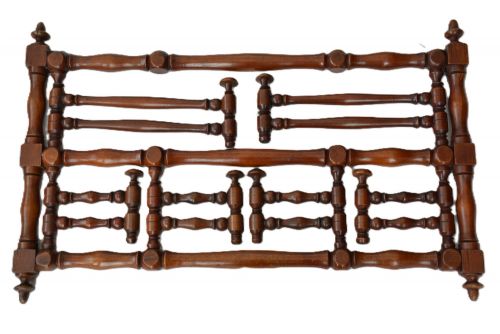
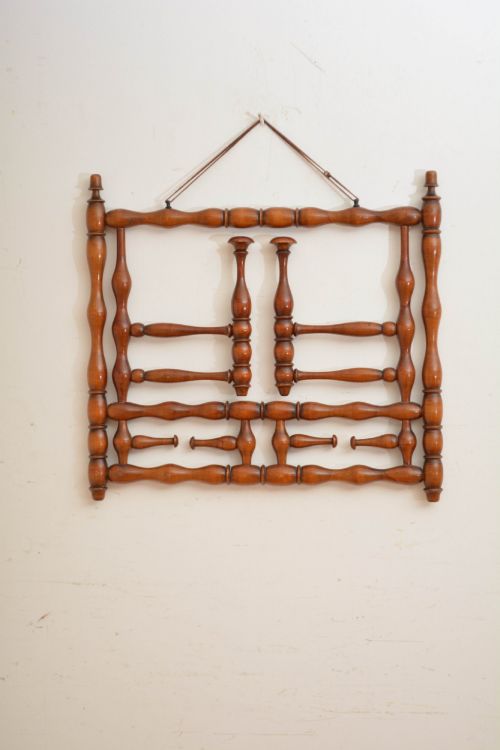
A hall stand belongs in an entrance hall, mudroom, or reception area where household members and guests first enter the home. Wall-mounted racks suit tighter corridors, while freestanding models need sufficient floor space to remain stable.
Positioning the piece near the main entrance ensures wet coats, hats, and umbrellas find an immediate home upon arrival.