





Vintage Engine Turned Box
A vintage engine turned box brings geometric precision and tactile appeal to small storage, combining metalwork and pattern in pieces built to hold valuables.
Vintage Engine Turned Box
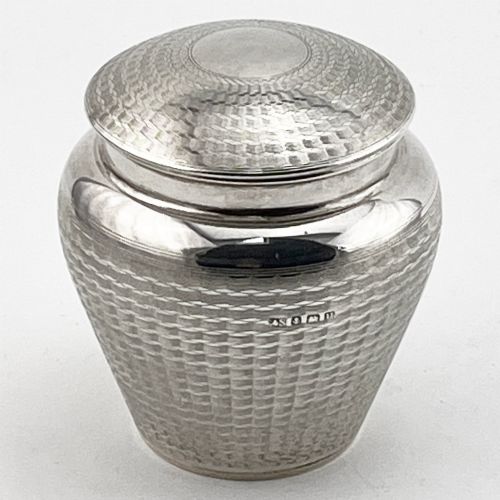
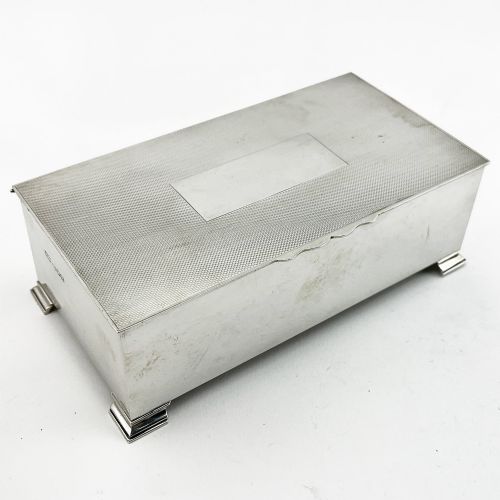
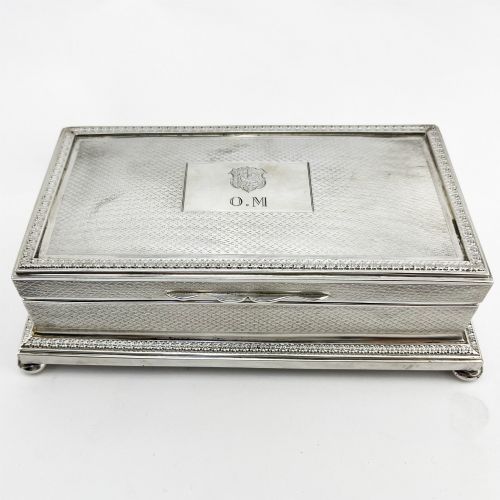
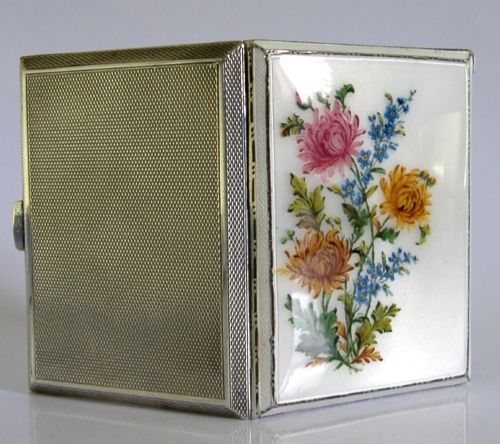
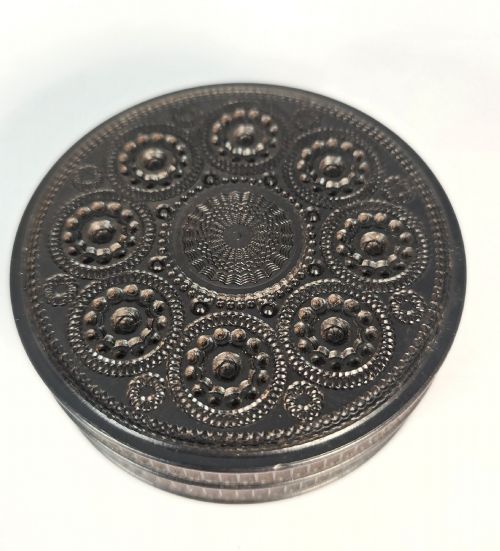
A vintage engine turned box comprises small decorative containers created to hold cigarettes, snuff, trinkets, cards or matches. These items emerge primarily from the twentieth century, spanning decades such as the 1920s, 1930s and 1940s, alongside nineteenth-century examples.
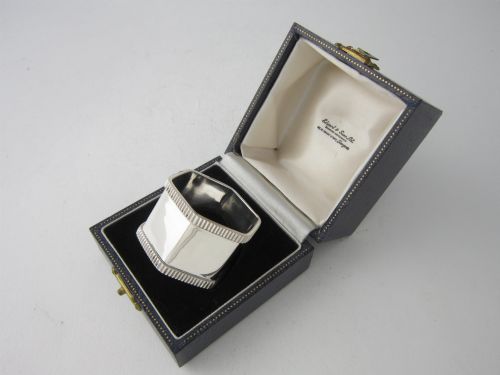
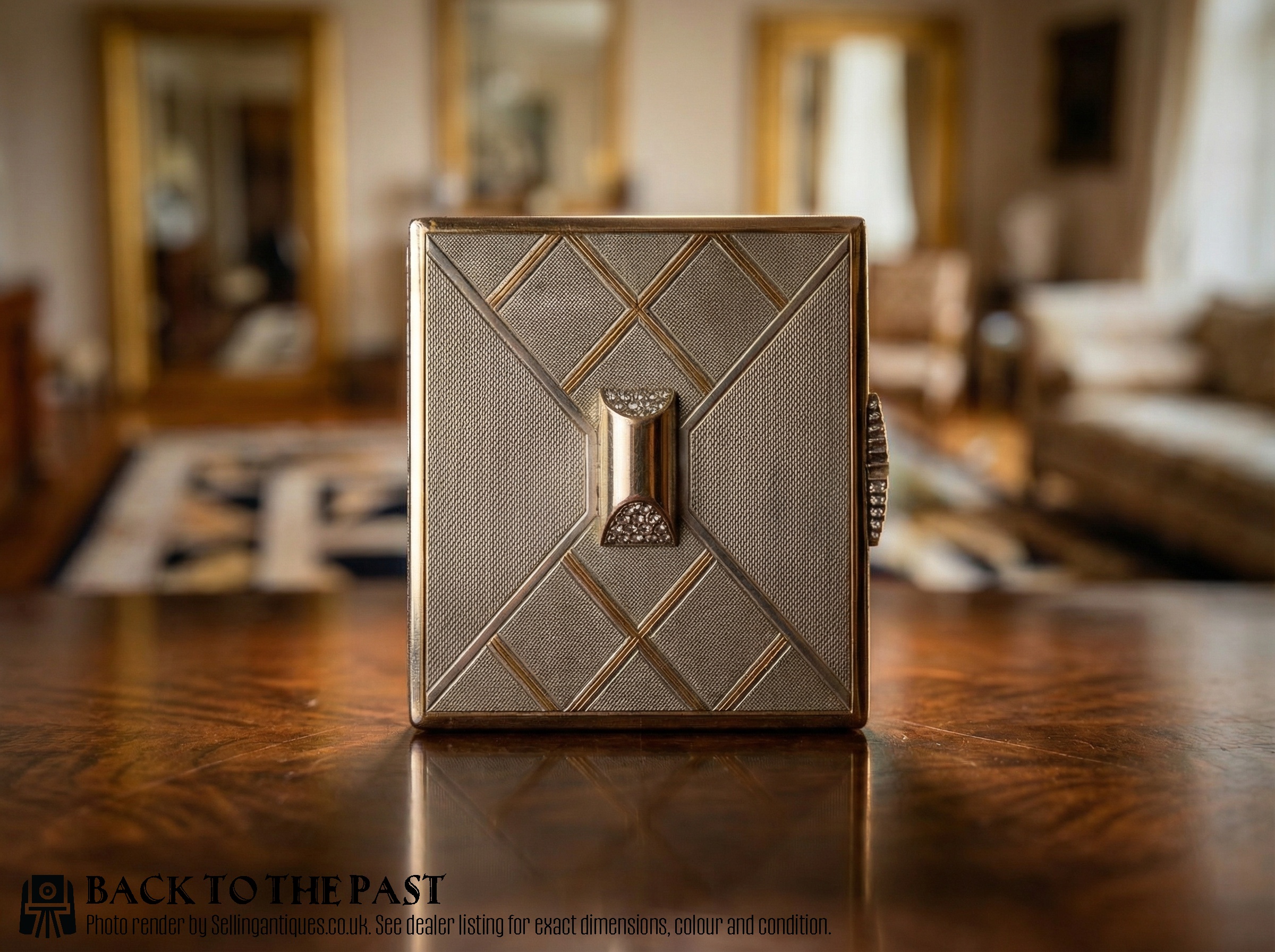
The objects take diverse forms on this page, appearing as cigarette boxes, trinket boxes, pill boxes, card boxes and pocket snuff boxes. Many reflect the clean lines and geometric motifs characteristic of the Art Deco and Edwardian periods.
What varies in quality
The crispness and depth of the mechanical engraving separate standard pieces from superior examples, as worn or shallow patterns lack the tactile sharpness of skilled lathe work. The weight of the metal and the structural integrity of hinges also dictate the calibre of the piece.
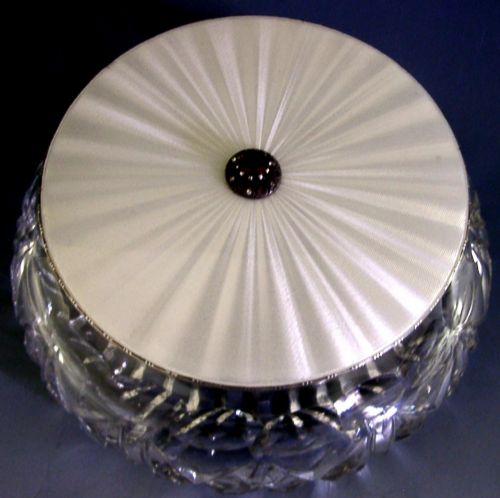
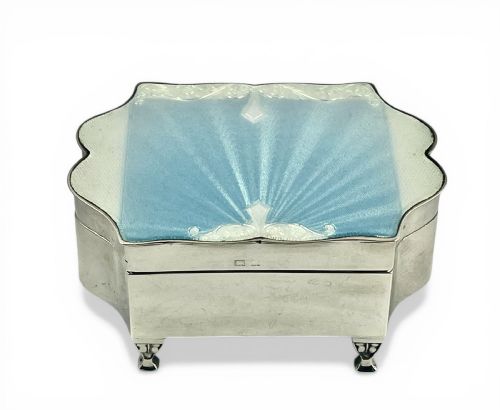
The integration of secondary materials such as hand-painted enamel, precious stones, or gilt linings elevates an object. Items carrying well-documented hallmarks or signatures from notable firms demonstrate higher manufacturing standards.
Some tiny vintage boxes were built solely to hold matches or pills, proving that past generations packed their pocket lint with exceptional style.
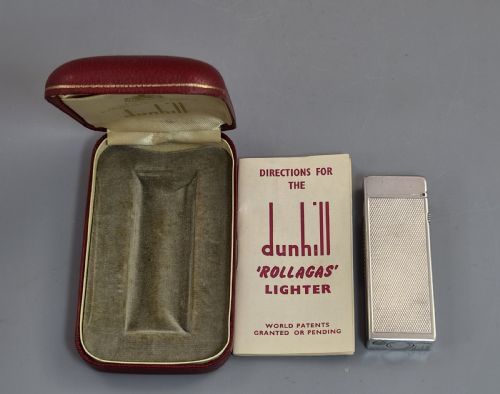
Aaron Lufkin Dennison·Mappin & Webb·Robert Pringle·Henry Williamson Ltd·Deakin & Francis·Cartier·Hermes·Van Cleef & Arpels·Dunhill
The Vintage Engine Turned Box Glossary
- Engine turning
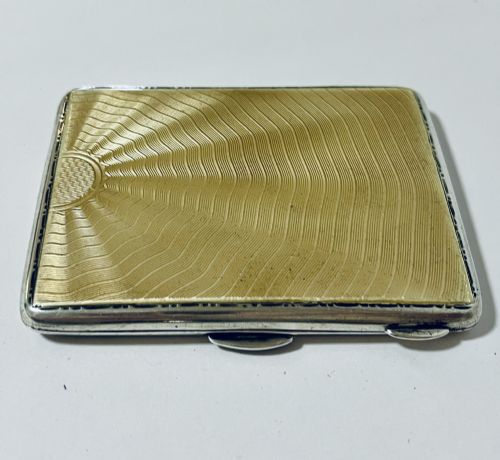
- A mechanical decoration technique that uses a lathe to engrave precise, intricate geometric patterns into metal surfaces. This method creates repetitive linear designs common on silver boxes and compacts.
- Guilloche enamel
- A decorative technique where enamel is applied over an engine turned metal background, allowing the patterned engraving to show through translucent layers of colour. It appears frequently on vanity and pill boxes.
- Vesta case
- A small portable container specifically designed to hold matches, typically fitted with a striking strip on the base. These matchbook boxes date heavily to the Edwardian and George V eras.
- Hallmark
- An official stamp or series of marks applied to precious metals in Britain to indicate the purity, maker and year of assay. These marks help date silver and gold items accurately.
- Tea caddy
- A small container originally built to store dry tea leaves securely, often repurposed as a trinket box. These vessels frequently feature hinged lids and detailed exterior decoration.
Vintage Engine Turned Box: Frequently Asked Questions
What were engine turned boxes used for?
These containers served practical daily functions in the nineteenth and twentieth centuries, holding items like cigarettes, stamps, visiting cards, matches and snuff. Wealthy owners kept them on desks, dressing tables or carried them in pockets.
Over time, many of these receptacles transitioned from functional utility objects to decorative display pieces and collectible vanity accessories.
How do I clean a silver box?
Cleaning requires a soft microfiber cloth and a mild silver polish formulated specifically for precious metals. Avoid harsh scrubbing that might wear down delicate engraving or scratch enamel surfaces.
For pieces with velvet or silk linings, keep moisture away from the interior fabric entirely to prevent water damage or staining.
How can I date an antique silver box?
Dating relies heavily on reading the hallmarks stamped into the metal, which indicate the assay office, metal purity and specific year code. Stylistic clues such as Art Deco geometry or Edwardian motifs also help place the item within a specific decade.
Maker marks provide further context by revealing the active working years of the silversmith or firm that produced the container.