
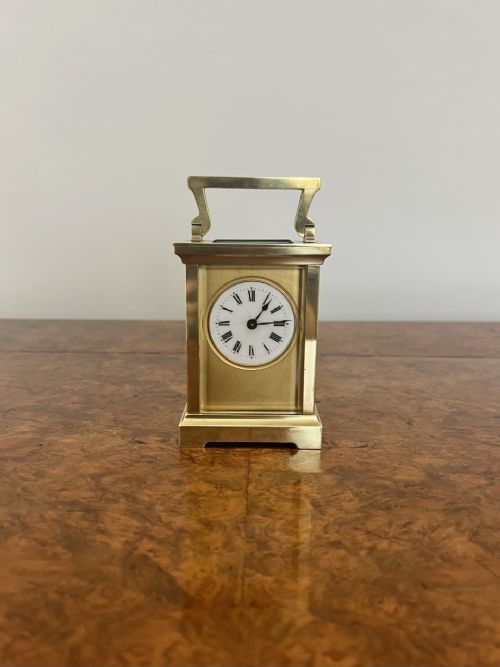


Vintage Enamel Mantel Clock
A vintage enamel mantel clock brings mechanical precision and rich decorative artistry into a room, serving as a striking focal point.
Vintage Enamel Mantel Clock
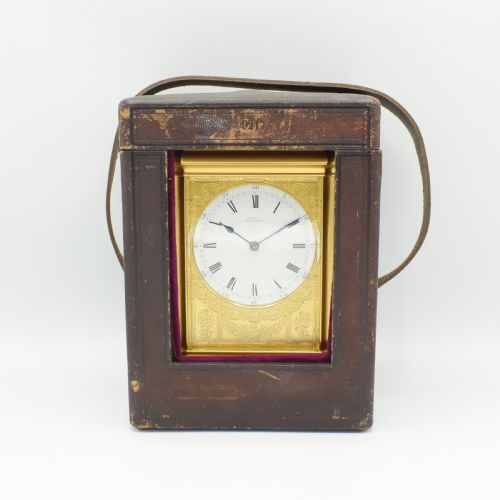
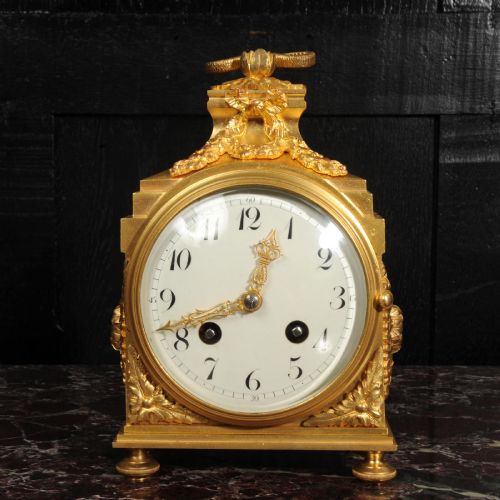
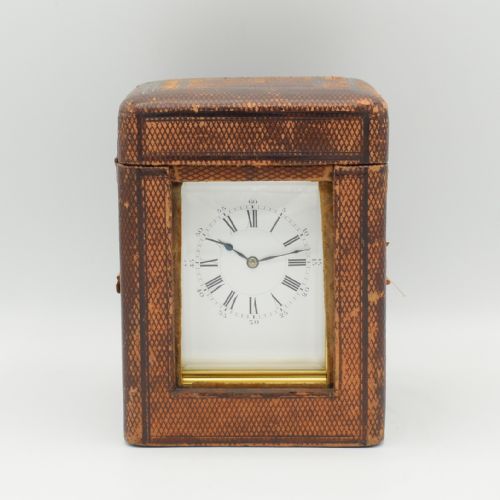
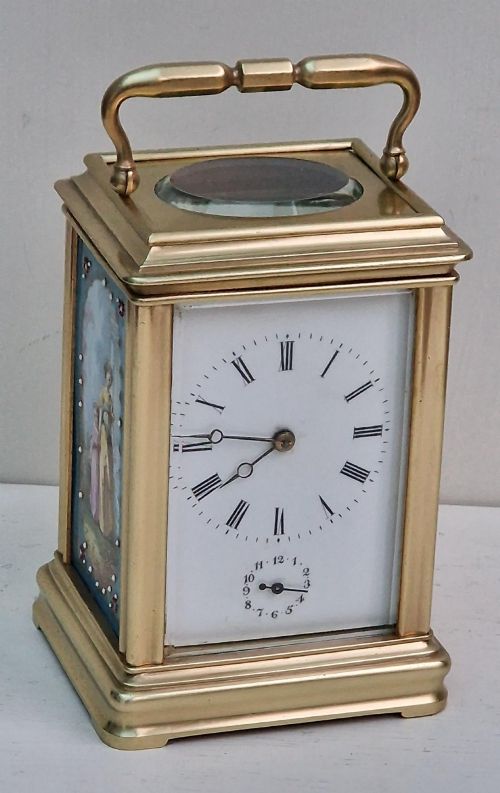
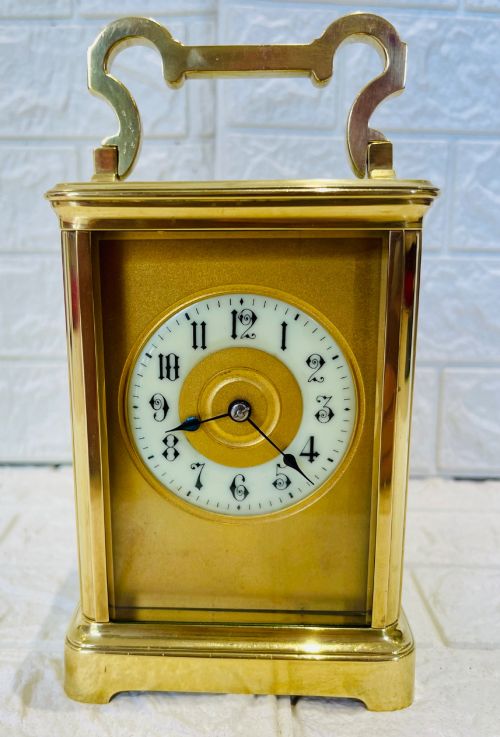
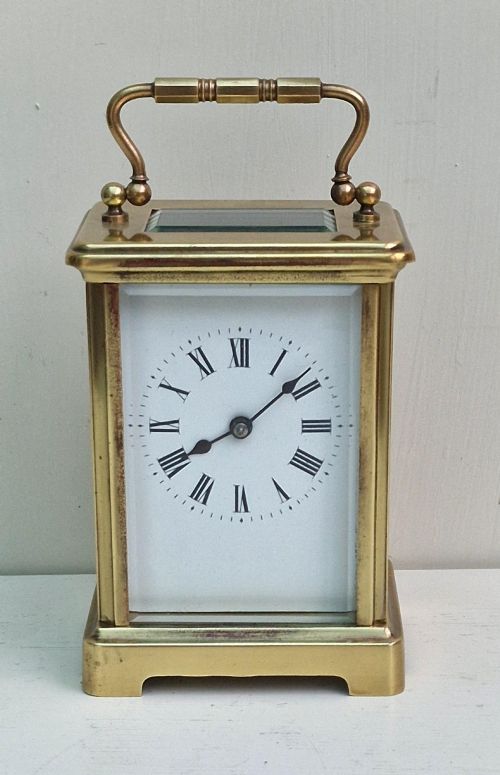
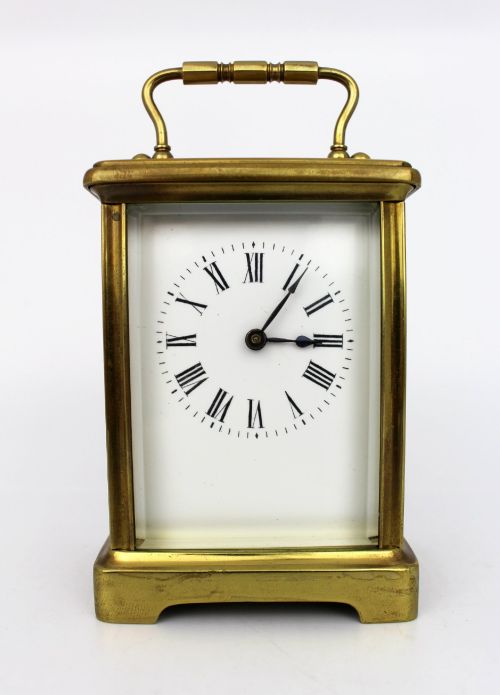
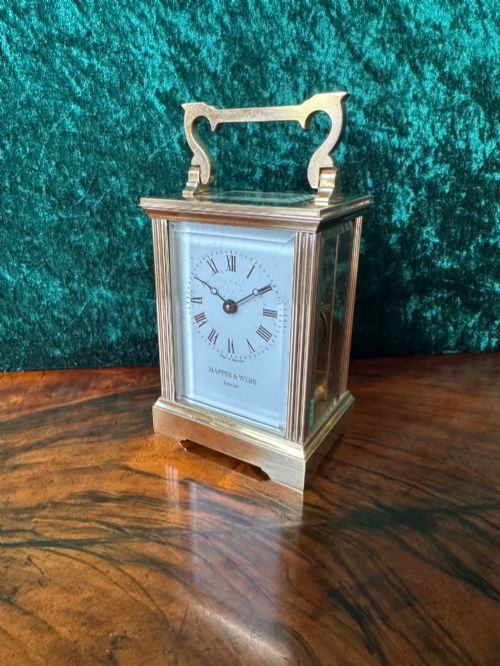
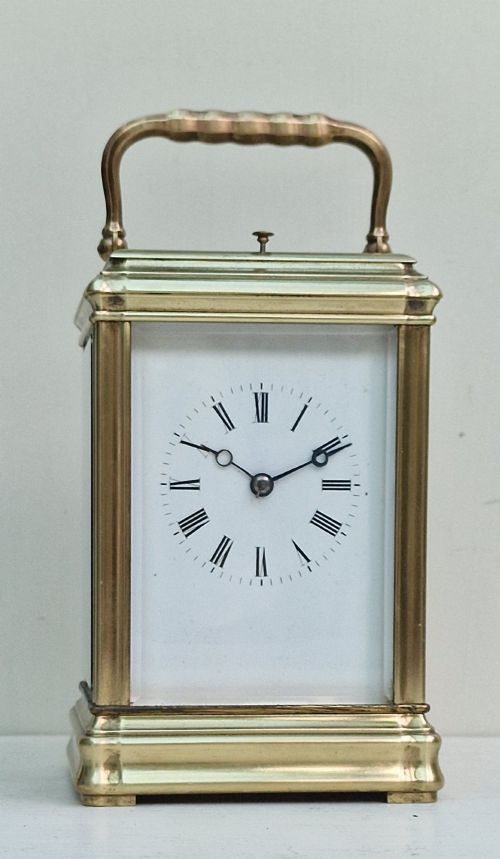
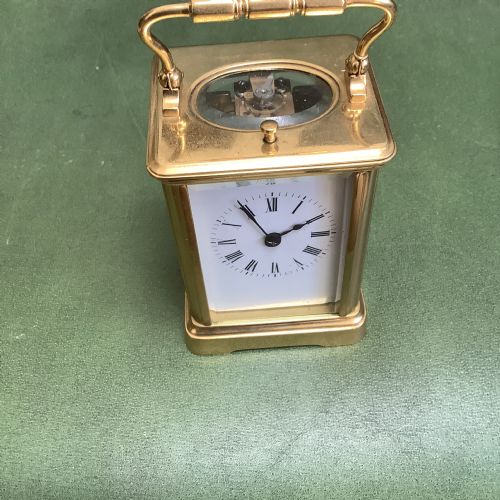
When searching for a vintage enamel mantel clock, collectors frequently encounter carriage clocks and desk timepieces originating from the nineteenth and early twentieth centuries. These pieces span Victorian, Edwardian, and French styles, often featuring portable brass cases designed for travel or domestic display.
How they were made
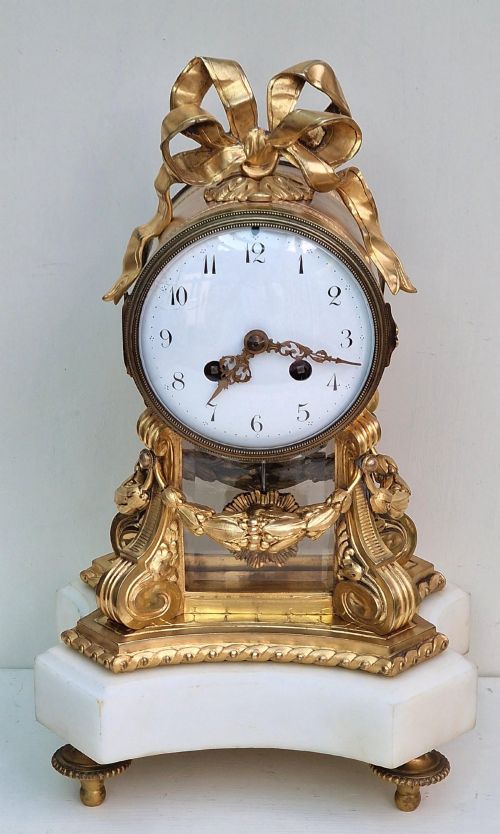
Makers constructed these timepieces using heavy brass, gilt bronze, or ormolu for the structural cases, housing intricate mechanical movements driven by springs and escapements. Glass panels protected the delicate dials while allowing visibility of the internal gears and escapement mechanisms.
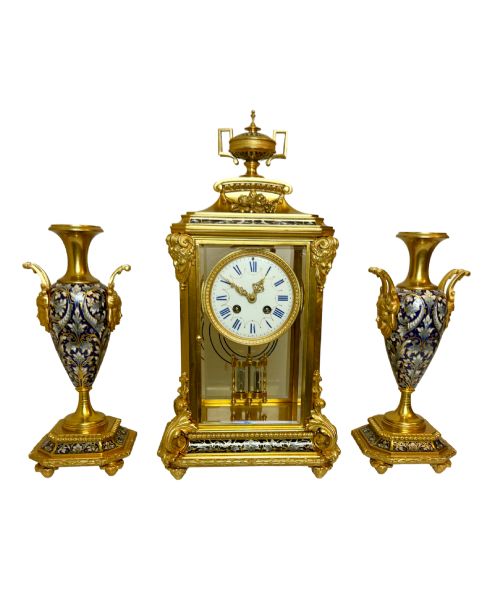
Enamel played a central role in the decoration, applied to metal dials and panels through high-heat firing to create smooth, durable surfaces for numerals and painted scenes. Leather travel cases often accompanied portable carriage clocks to protect the brass and glass exterior during transit.
Listings feature Victorian and Edwardian pieces utilising brass, enamel, porcelain, and gilt bronze across carriage and mantel formats.
What varies in quality
The refinement of the brass casting and the depth of the engraving separate standard production pieces from exceptional examples. Finer makers invested considerable time in hand-engraving the gilt brass masks and housing complex striking or repeating movements.
The intricacy and preservation of the enamel work dictate much of the visual merit. Intact hand-painted enamel panels and flawless dial faces maintain their crispness far better than cracked or restored counterparts.
Henri Jacot·Mappin and Webb·Delépine-Barrois·Liberty and Co·David Veasey
The Vintage Enamel Mantel Clock Glossary
- Carriage clock
- A small, portable spring-driven clock designed for travel, typically featuring a brass case with glass panels.
- Champlevé
- An enamelling technique where troughs are dug into a metal surface and filled with vitreous enamel before firing.
- Ormolu
- Gilt bronze ornamentation applied to furniture and clock cases, popular in French decorative arts.
- Gorge case
- A stepped brass carriage clock case style characteristic of late nineteenth-century French manufacture.
- Striking movement
- A clock mechanism that chimes the hours or quarters automatically on a bell or gong.
Vintage Enamel Mantel Clock: Frequently Asked Questions
How do I wind a carriage clock?
Most antique carriage clocks utilise a key inserted into the arbours on the backplate to tension the mainsprings for time and strike functions.
Care must be taken not to overwind the mechanism, stopping as soon as resistance is felt.
What is a repeating carriage clock?
A repeating movement allows the owner to press a button on the case to sound the last elapsed hour and quarter-hour on demand.
This complication proved useful for telling time in the dark before electric lighting became common.
How should I clean the brass case?
Dust the exterior gently with a soft, dry microfibre cloth to remove surface particles without disturbing the aged metal.
Harsh chemical polishes should be avoided to preserve the original gilding and patination on the brass surfaces.
Where were most of these clocks made?
A significant portion of nineteenth-century carriage clocks originated in French workshops, particularly in Paris and provincial centres.
British retailers often imported these movements and added their own signatures to the dials or backplates.