
Vintage Enamel Dial Watch
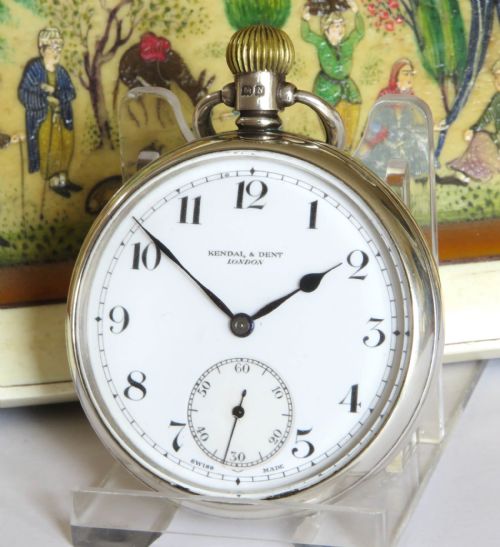
A vintage enamel dial watch carries the crisp, enduring legibility of a bygone era, drawing collectors who appreciate traditional horology.
Vintage Enamel Dial Watch
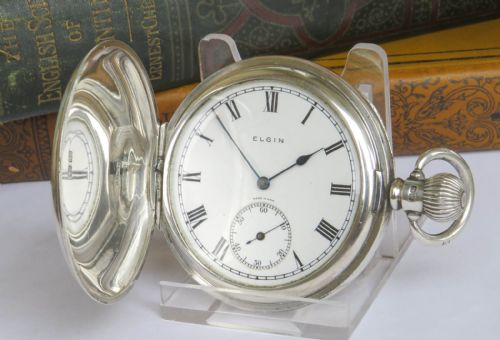
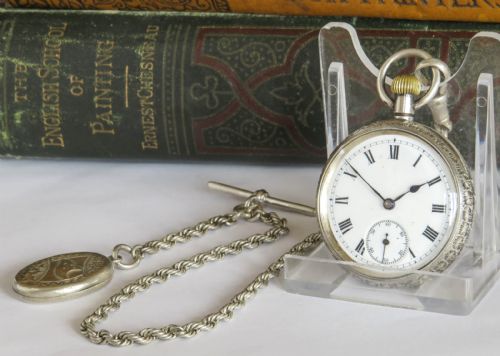
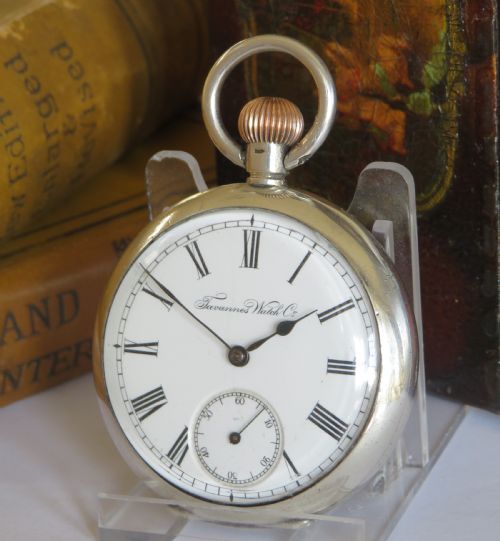
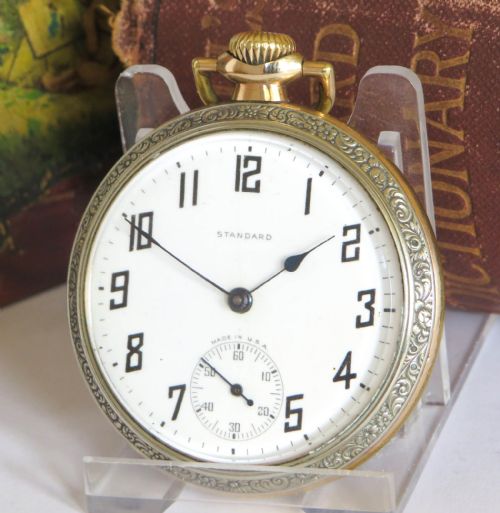
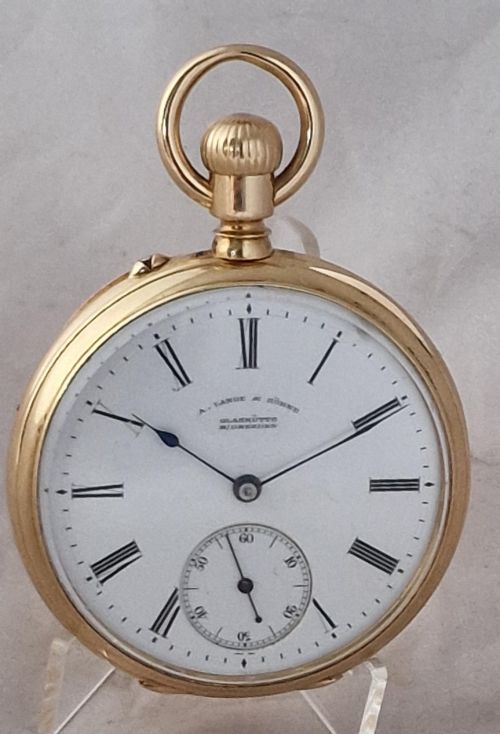
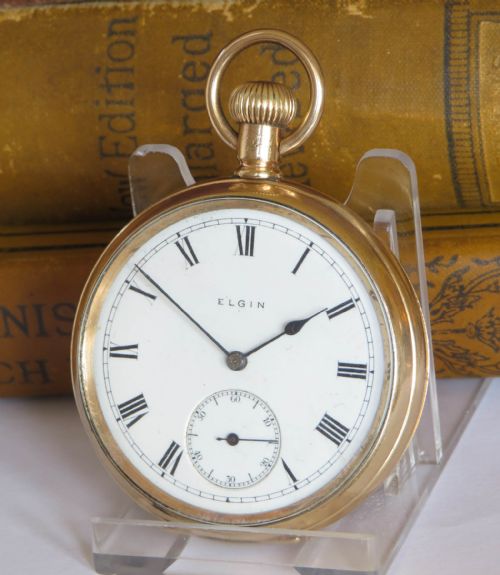
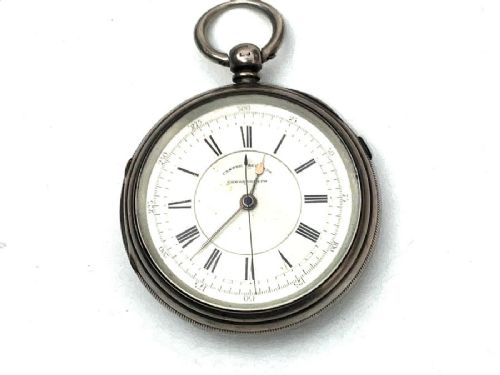
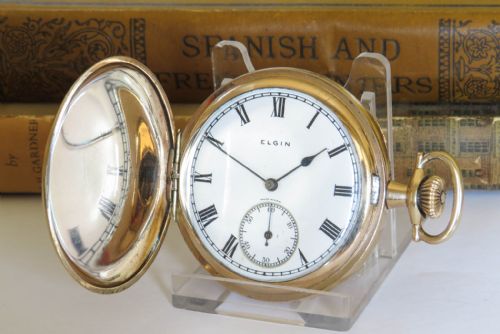
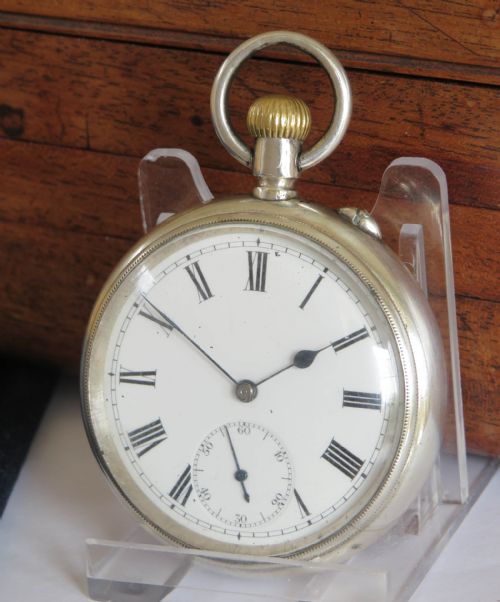
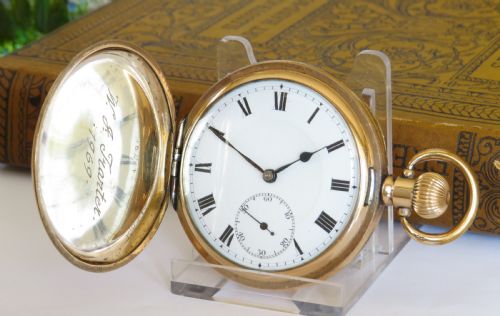
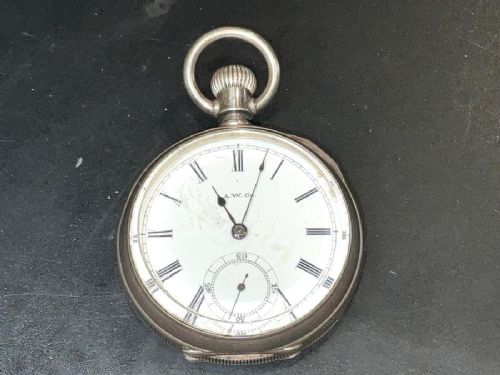
When you search for a vintage enamel dial watch, you encounter timepieces spanning from the eighteenth century through the mid-twentieth century, encompassing periods like the Victorian, Edwardian, and Art Deco eras. The selection on this page consists predominantly of pocket watches and fob watches, alongside occasional wristwatches.
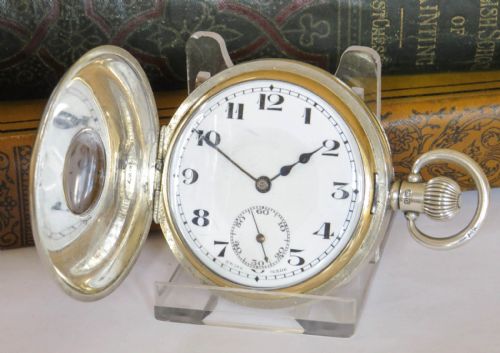
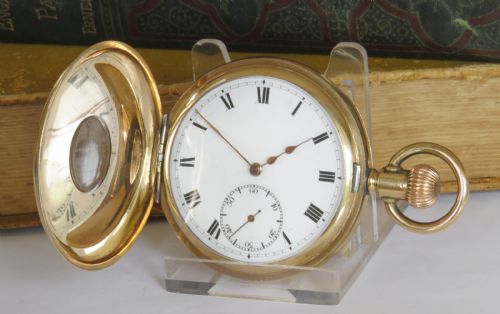
Forms range from open-face designs to half hunters and full hunters, sometimes accompanied by silver chains or fitted presentation boxes. These instruments originate from diverse makers and workshops, featuring styles that shifted from ornate eighteenth-century painted scenes to clean twentieth-century geometric layouts.
How they were made
Casings utilise metals such as silver, gold plate, steel, brass, nickel, gunmetal, glass, and horn, protecting the delicate internal mechanisms. Enamel provides a smooth, fired-glass surface for the dial, fused to a metal base at high temperatures to retain its bright white or coloured finish.
Certain specimens record bravery awards and Ottoman military arms, proving that pocket watches once witnessed global drama.
What varies in quality
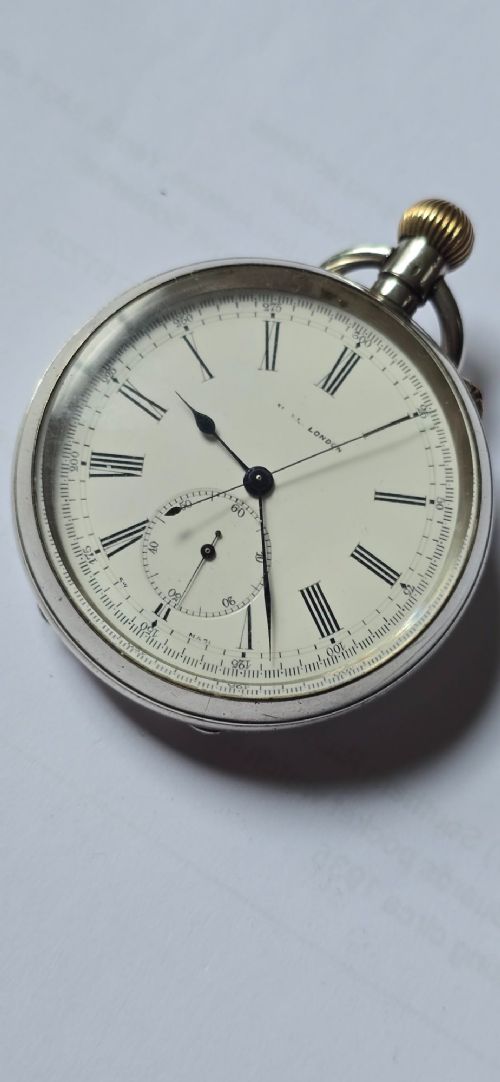
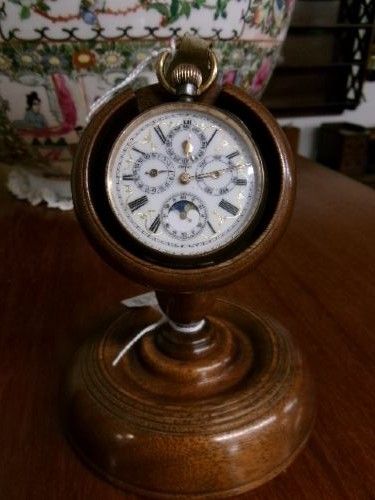
Quality rests in the crispness of the enamel work, the complexity of the movement, and the integrity of the metal case. Finer pieces display flawless dial surfaces without hairline cracks, paired with sophisticated mechanical complications such as chronographs or calendar displays.
The precision of the engraving, the weight of the silver or gold plate, and the reputation of the maker distinguish superior examples from standard utility timepieces. Preservation of original components and casework further elevates the standing of an individual watch.
Limit Revue·Elgin·Tavannes·New York Standard·Lange & Sohne·Waltham·Stauffer·Urania·Omega·Hebdomas·Octo·Record·Meyer & Studeli·Zenith·Nirvana International·Hamilton
The Vintage Enamel Dial Watch Glossary
- Enamel dial
- A watch face created by fusing powdered glass to a metal substrate under high heat. This technique produces a hard, glossy surface that resists fading over decades.
- Half hunter
- A pocket watch case featuring a small glass window or aperture on the outer lid. This allows the user to read the hands without opening the front cover entirely.
- Full hunter
- A pocket watch fitted with a solid spring-loaded metal cover that completely shields the dial. The cover opens via a push-piece on the crown.
- Fob watch
- A small pocket watch designed to be attached to a short strap, ribbon, or albert chain. These were frequently worn suspended from a waistcoat or belt.
- Goliath pocket watch
- An oversized pocket watch, significantly larger than standard specimens. They were commonly utilised as desk or carriage timepieces as well as pocket companions.
Vintage Enamel Dial Watch: Frequently Asked Questions
How do I wind a vintage pocket watch?
Most pocket watches wind via the crown at the top, which you turn gently clockwise until you feel resistance. Avoid overwinding, as this can strain the internal mainspring.
For pieces with key-wind mechanisms, a small matching key attaches to a square arbor at the back or behind the dial face. Turn the key smoothly in the correct direction until fully tensioned.
Why do enamel dials develop hairline cracks?
Enamel is essentially glass fused to metal, and the two materials expand and contract at different rates under temperature fluctuations. Over decades, thermal stress or a sharp knock to the case causes the brittle surface to fracture.
These fine lines do not necessarily impede daily timekeeping, but they serve as a permanent record of the piece's age and history.
What is an albert chain?
An albert chain is a heavy decorative metal chain worn by men in the nineteenth and early twentieth centuries. It secured a pocket watch to a buttonhole or waistcoat pocket.
Named after Prince Albert, these chains often feature decorative links, T-bars, and attached medallions or fob shields.
Can I wear a vintage pocket watch daily?
Yes, many collectors carry pocket watches regularly, provided the movement receives routine servicing by a qualified horologist. Keeping the piece in a dedicated waistcoat pocket protects it from excessive dust and sharp impacts.
Gentle handling and regular winding ensure these mechanical antiques continue to keep reliable time.