

Vintage Enamel Case
A vintage enamel case brings together functional utility and miniature artistry, offering a glimpse into early twentieth-century design.
Vintage Enamel Case
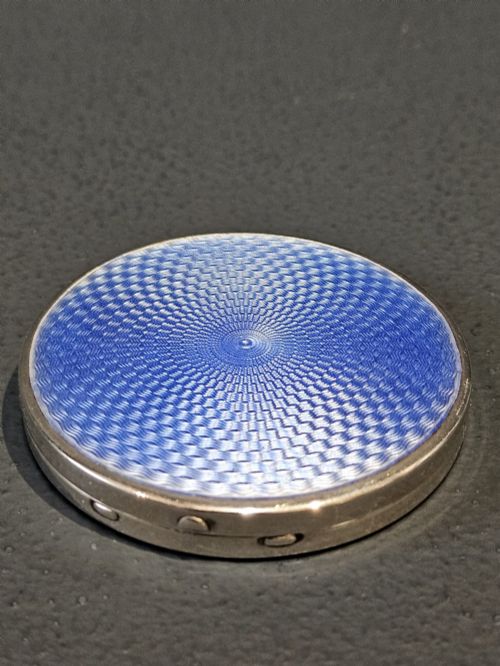
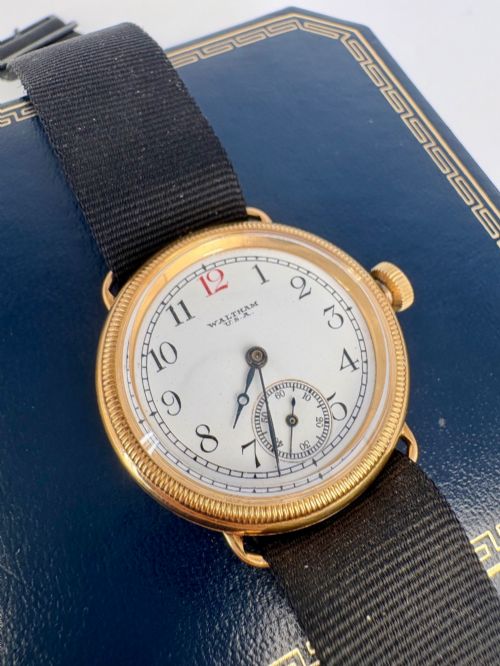
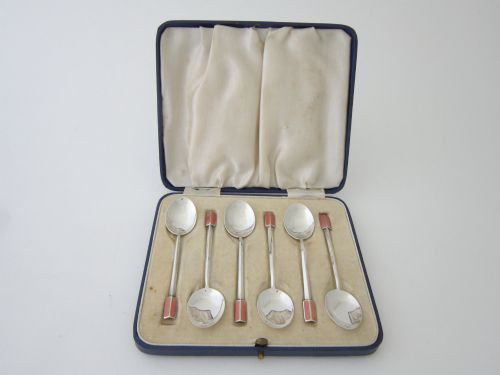
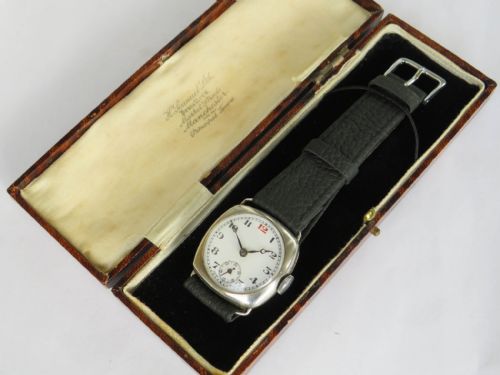
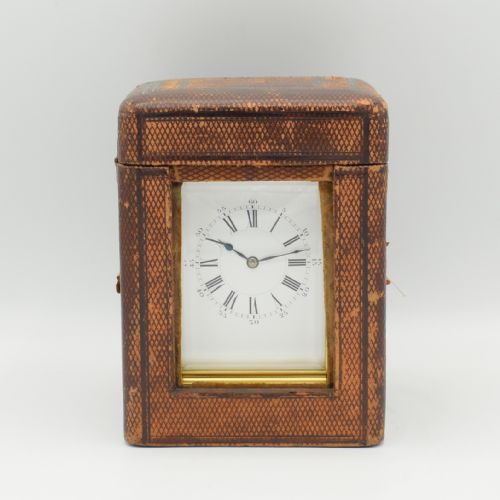
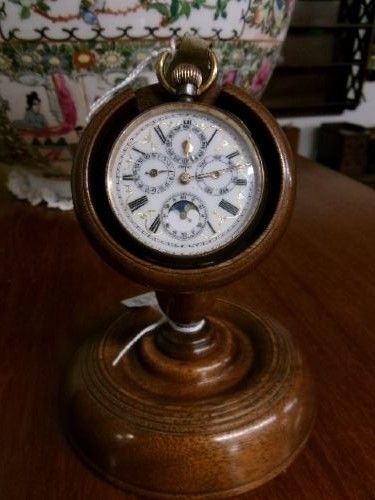
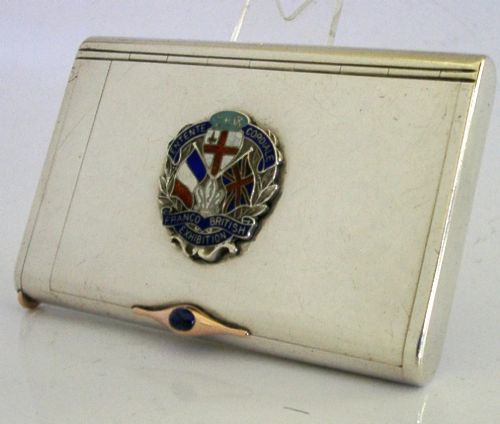
A vintage enamel case encompasses several distinct object types, ranging from compacts and cigarette cases to pocket watch housings and card boxes. When exploring this phrase, buyers frequently encounter pieces originating from the late nineteenth century through to the middle of the twentieth century. These containers often incorporate silver, sterling silver, or brass foundations overlaid with vitreous coatings.
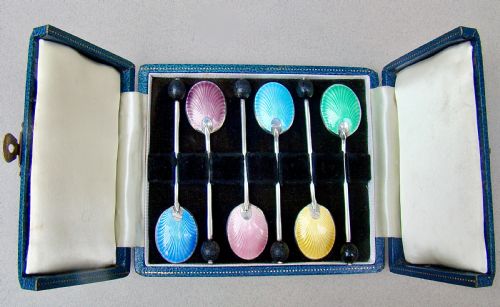
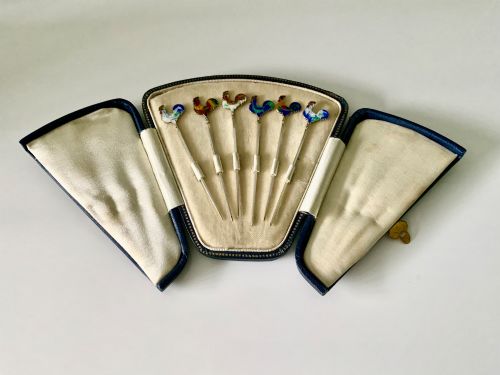
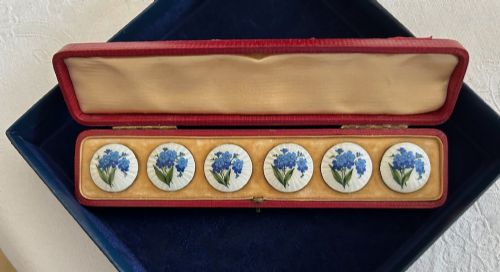
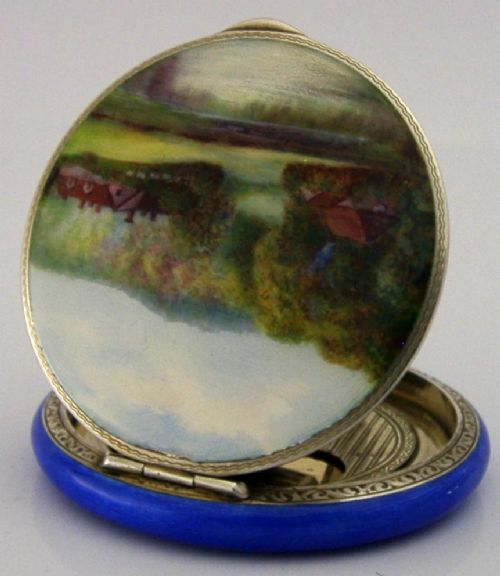
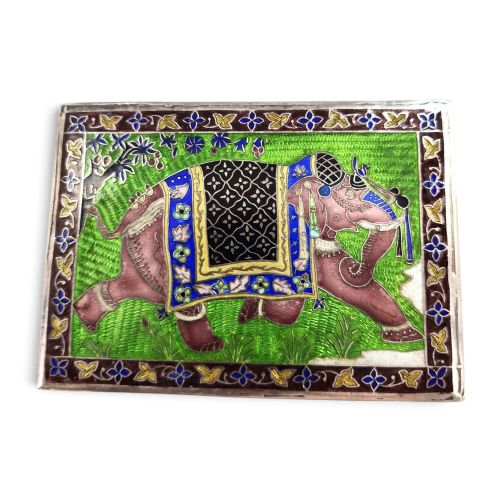
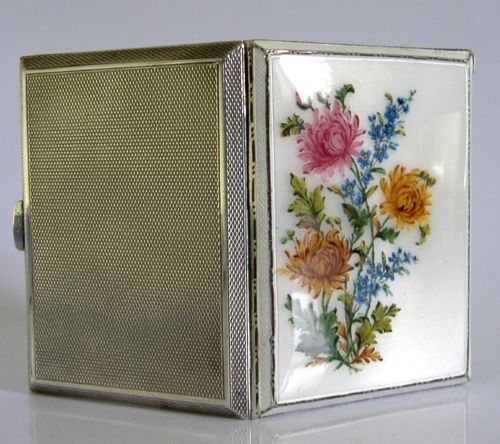
The aesthetic vocabulary spans periods such as the Edwardian era and the Art Deco movement, alongside Victorian and continental European designs. Common iterations include hand-painted floral motifs, geometric patterns, and scenic compositions applied directly to the metal substrate. Such objects served personal, social, and domestic functions within daily life.
Materials and construction techniques
Makers constructed the structural bodies of these items using sterling silver, standard silver, brass, or gilt brass, sometimes supplementing them with glass, leather, or gunmetal. The metallic frameworks provided sturdy protection for delicate internal components or contents, ensuring durability alongside decorative appeal.
Vitreous enamel was fused to the metal surface through high-temperature firing, creating a smooth, glass-like coating that resisted wear. Artisans utilised techniques such as hand-painting or guilloché engine-turning beneath translucent layers to achieve depth and texture in the finished piece.
Vintage Enamel Case Retail Price Guide 2026
Typical asking prices for vintage enamel case among the pieces listed under this phrase on Sellingantiques today, from the lower quarter to the upper quarter. They describe what is for sale here now, not the wider market.
A tiny Egyptian sarcophagus pharaoh enamelled propelling pencil pendant proves that even writing implements once wore elaborate ancient disguises.
Distinguishing quality across examples
The distinction between standard pieces and superior examples lies primarily in the precision of the enamel work and the finesse of the metal engraving. Complex hand-painted imagery or intricate engine-turned guilloché patterns require advanced craftsmanship that elevates the piece.
Overall condition, the clarity of hallmarks, and the integration of the casing with its intended contents also determine the standing of an item. Well-preserved surfaces free from significant chipping or structural repair represent the upper echelon of surviving specimens.
Henri Jacot·Henry Matthews·Pickford of London·Waltham·Dennison·Revue
The Vintage Enamel Case Glossary
- Vitreous enamel
- A material made by fusing powdered glass to a metallic substrate at high temperatures. This process results in a durable, glossy coloured surface that resists tarnishing.
- Guilloché
- A decorative technique in which a precise, intricate pattern is mechanically engraved into metal beneath a translucent enamel layer. It creates shimmering geometric reflections.
- Sterling silver
- An alloy consisting of silver and other metals, typically copper, adhering to a purity standard of ninety-two point five percent. It forms the primary precious metal body for numerous compacts and cigarette holders.
- Gilt brass
- Brass that has been coated with a thin layer of gold through chemical or electrochemical methods. This treatment provides the visual warmth of gold while maintaining the structural rigidity of brass.
Vintage Enamel Case: Frequently Asked Questions
What items count as an enamel case?
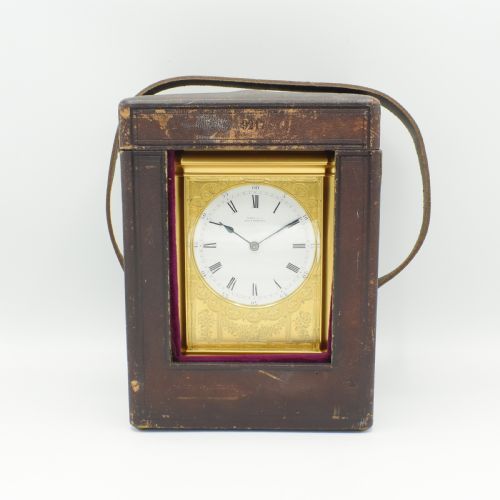
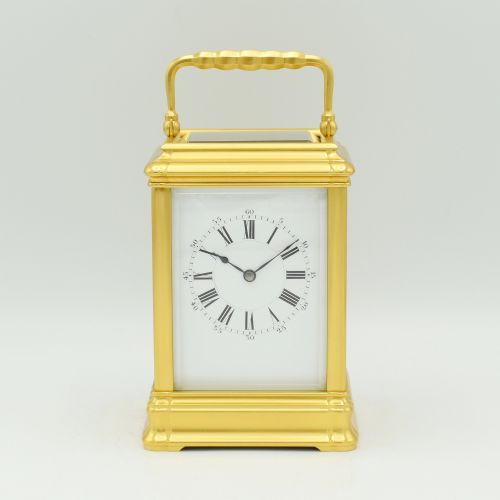
Enamel cases include cigarette boxes, powder compacts, vesta cases, card holders, and protective housings for pocket watches or clocks.
These pieces combine functional metal containers with decorative vitreous enamel surfaces, often featuring hand-painted designs or geometric patterns.
How do I date a silver enamel piece?
Dating relies on identifying official silver hallmarks, maker's marks, and assay office stamps impressed directly into the metal frame.
Stylistic indicators such as Edwardian floral motifs or Art Deco geometric layouts also help place the object within a specific period.
Were these cases used daily?
Many of these items were manufactured for regular personal use, serving to carry cigarettes, calling cards, cosmetics, or pocket timepieces.
Their sturdy construction from silver, brass, or gunmetal allowed them to withstand frequent handling in social and professional settings.
How should I display my case?
These items can be displayed on flat surfaces, inside glass cabinets, or upon dedicated stands that highlight their decorative exteriors.
Placing them away from direct sunlight protects the coloured enamel surfaces and any integrated leather or textile components from fading.