
Vintage Embroidery Panel
When you search for vintage embroidery panel, you are looking at textile art and wall hangings crafted from wool, silk, and cotton across centuries.
Vintage Embroidery Panel
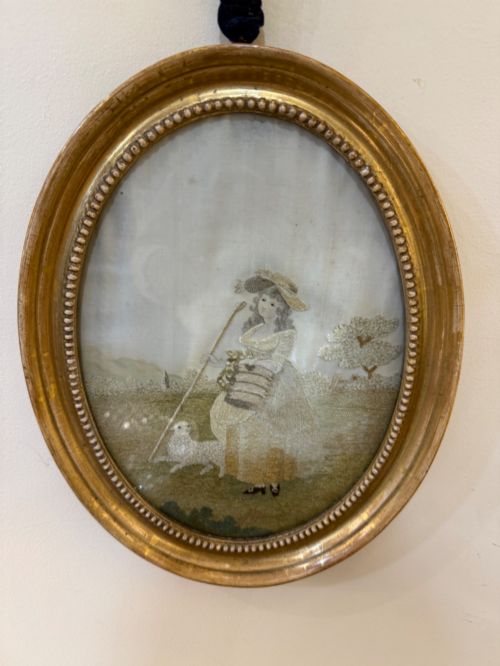
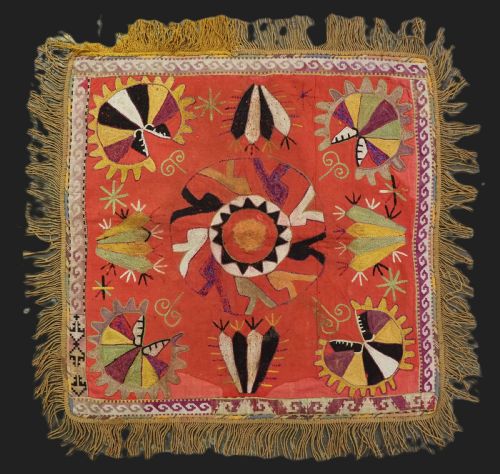
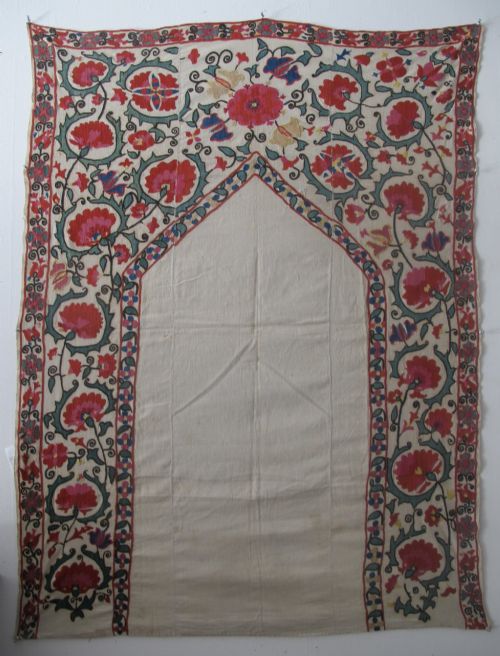
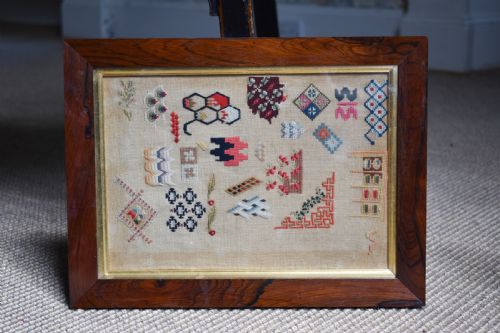
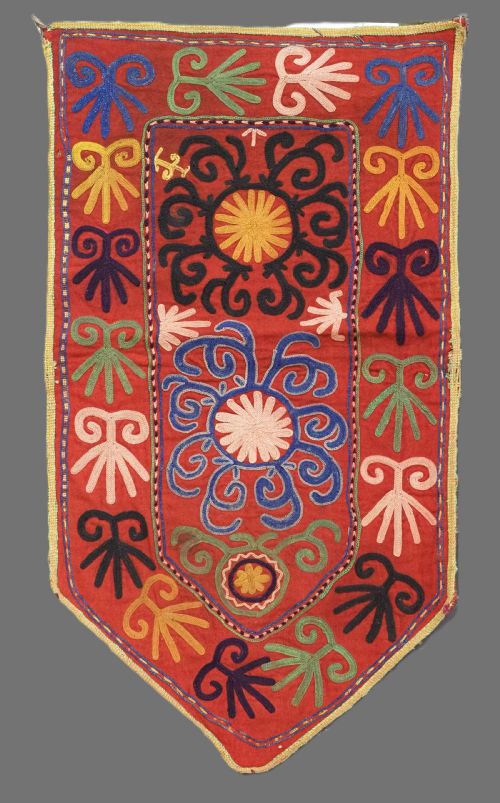
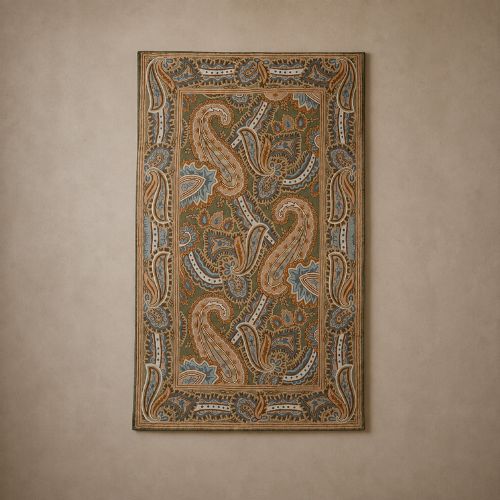
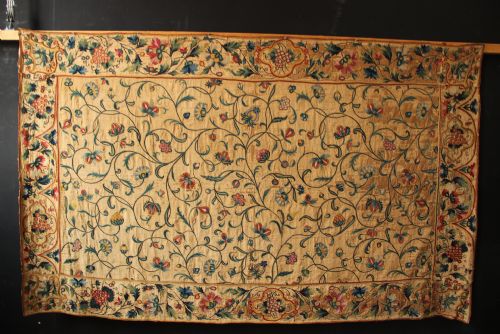
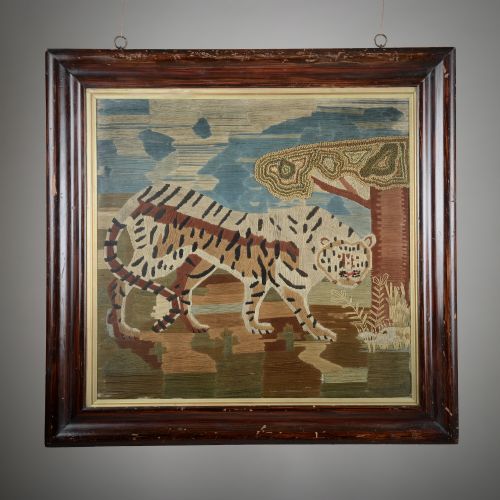
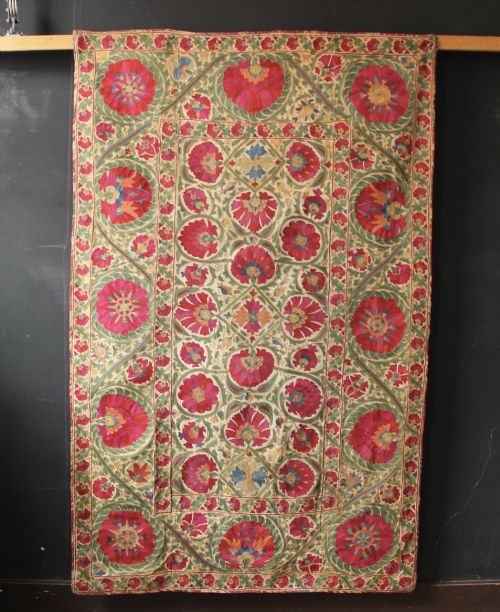
A vintage embroidery panel encompasses diverse historical textiles, ranging from Central Asian Suzanis and Lakai dowry hangings to English crewelwork and framed samplers. Buyers encounter everything from architectural Suzani designs on silk to naive wool pictures and Victorian needlework mounted as wall art.
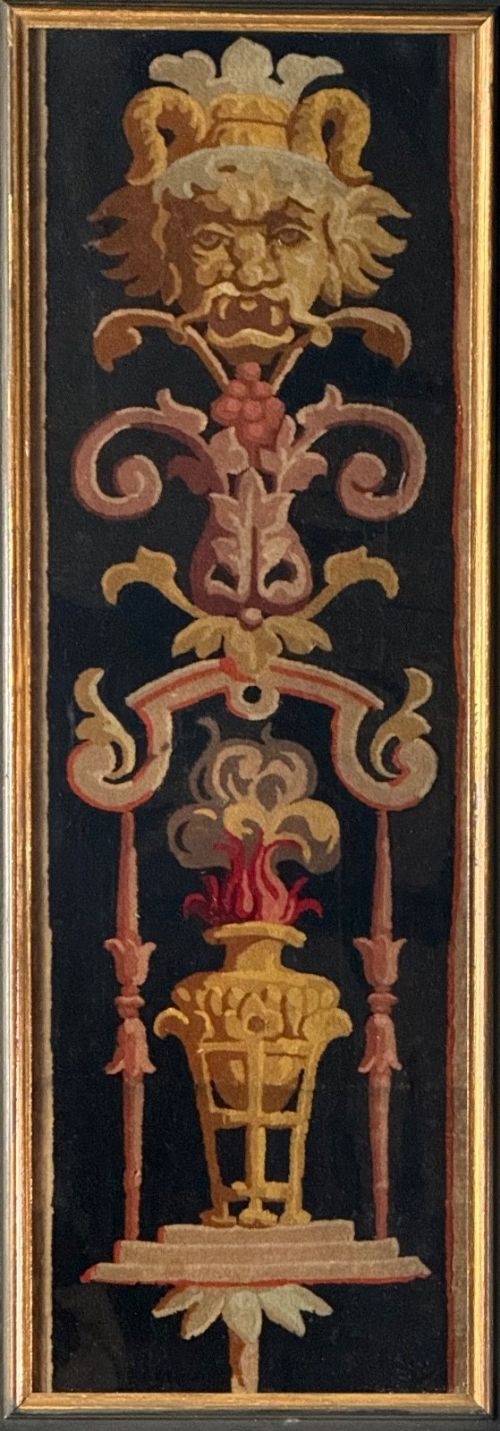
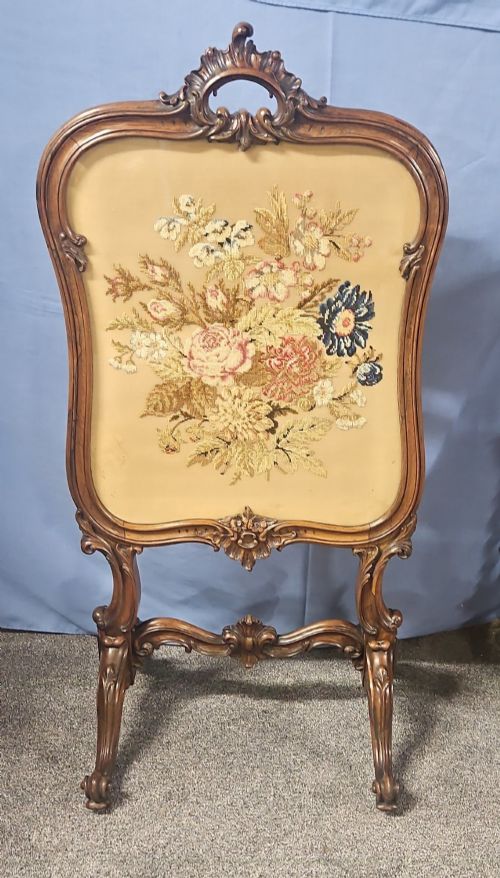
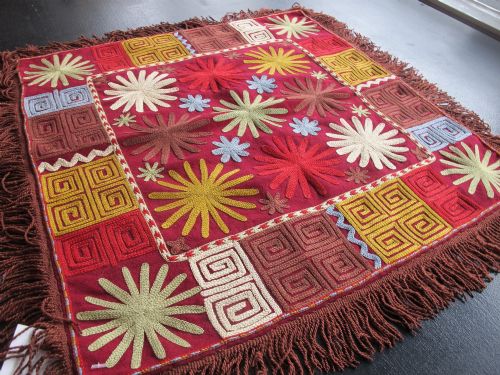
The selection frequently spans regional traditions like Uzbek tribal work alongside European framed needlework and tapestry portraits. These textiles appear as wall hangings, folding screen inserts, and framed fragments originating from periods between the seventeenth century and the twentieth century.
Materials and construction methods
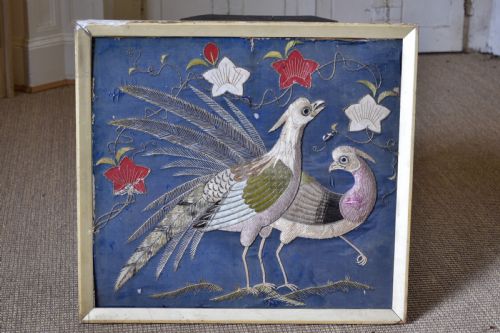
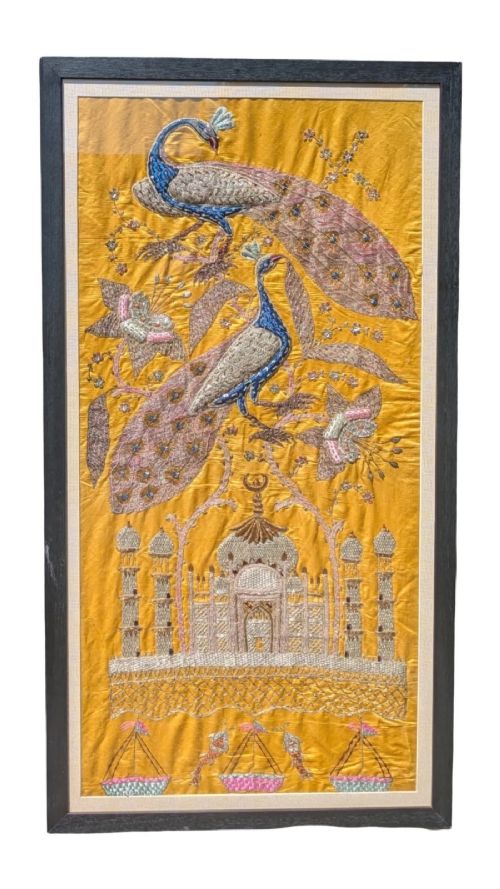
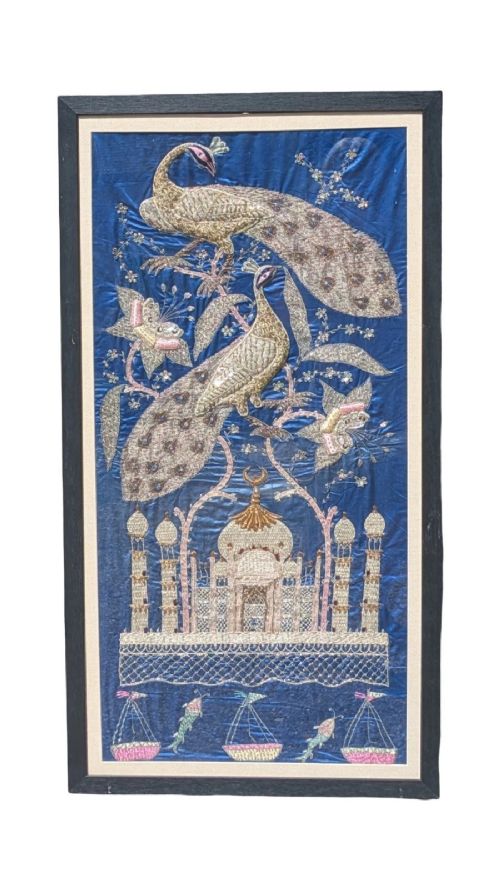
The physical construction relies on natural grounds such as linen, cotton, wool, and silk, often enriched with metallic thread or glass beads. Artisans worked needle and thread through these varied fabrics using techniques spanning crewelwork, gros-point, and intricate silk embroidery.
Many Central Asian examples employ silk on wool or felt grounds, while English and continental pieces utilise wool and silk on linen or canvas foundations. These materials determine how the textile holds its structure, whether mounted flat as a wall hanging or set within a wooden frame or folding screen.
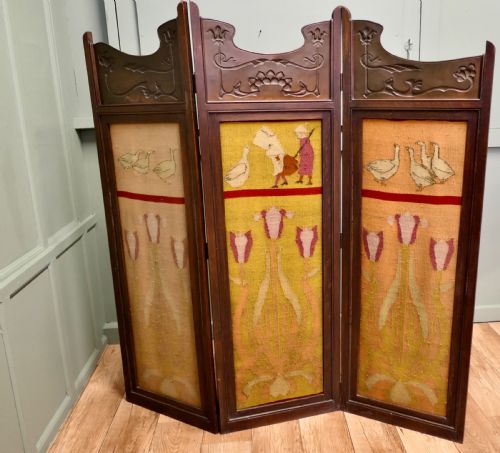
A wool riding hood pops up in a nineteenth-century tapestry, proving Little Red Riding Hood commanded attention long before modern storybooks.
Distinctions in quality and execution
Quality rests upon the fineness of the stitching and the intentionality of the design, distinguishing hurried regional work from master execution. Fine crewelwork and dense silk Suzanis demonstrate superior needle control and complex pictorial depth compared to simpler decorative fragments.
The integrity of the ground fabric and the preservation of original threads govern the overall standard of each piece. Superior examples maintain vibrant natural dyes and secure stitching that retain their pictorial narrative without heavy later restoration.
The Vintage Embroidery Panel Glossary
- Suzani
- An embroidered textile from Central Asia, traditionally made in Uzbekistan as part of a bride's dowry. These large panels feature bold floral or architectural motifs worked in silk on cotton or linen grounds.
- Crewelwork
- A type of embroidery using wool yarn on a heavy linen or twill foundation. This historic technique creates raised, textured surfaces with complex scrolling patterns.
- Sampler
- A piece of needlework produced to demonstrate a maker's skill with various stitches and alphabets. Early examples often incorporate moral verses, dates, and pictorial motifs.
- Ilgich
- A specific form of Central Asian hanging or domestic textile produced by tribal groups. They often display geometric patterns and vibrant colours intended for interior decoration.
- Gros-point
- A type of needlepoint embroidery worked on canvas using a coarse woolen thread. It creates durable, dense pictorial panels suitable for upholstery and framed pictures.
Vintage Embroidery Panel: Frequently Asked Questions
How were embroidery panels originally used in homes?
Historic textiles served multiple domestic functions, operating as wall hangings to insulate rooms, dowry items for display, or decorative screens. Central Asian panels often adorned walls or decorated nomadic tent interiors.
European examples frequently appeared as framed pictures, band samplers recording stitch proficiency, or mounted panels inside folding fire screens and occasional tables.
How do I care for a fragile antique textile?
Protect antique embroideries by keeping them away from direct sunlight, which fades natural silk and wool threads over time. Stable framing behind UV-filtering glass prevents dust accumulation and physical snagging.
Unframed wall hangings benefit from professional mounting on breathable archival supports rather than direct pinning. Avoid moisture and high humidity to protect organic fibres from degradation.
What is the difference between a Suzani and a sampler?
A Suzani is a large, vibrant embroidered panel originating from Central Asia, traditionally created with botanical or architectural motifs for domestic and ceremonial use. These pieces utilise rich silk threads on large cotton or silk grounds.
In contrast, a sampler is a smaller European exercise in needlecraft where makers practiced various stitches, alphabets, and pictorial borders on linen or canvas.
Can I date a panel by its materials?
Materials offer strong clues to a textile's period, though style and technique provide essential context. Seventeenth and eighteenth-century English works typically feature crewel wool on heavy linen twill, while nineteenth-century pieces often introduce synthetic dye traces or different canvas grounds.
Central Asian tribal panels from around nineteen hundred often combine silk embroidery on red wool or felt foundations.