





Vintage Elm Stool
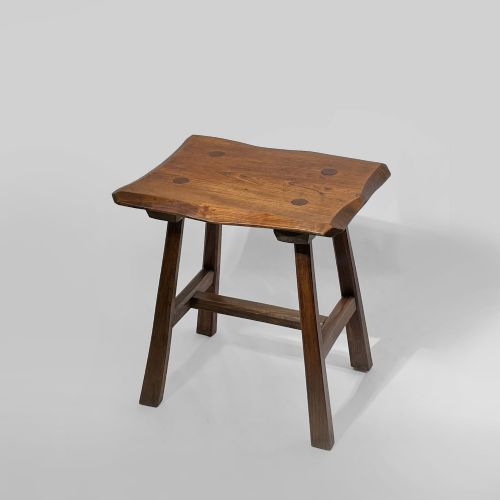
These vintage elm stool pieces bring honest utility and character into a room, offering robust seating shaped by generations of practical use.
Vintage Elm Stool
When you search for a vintage elm stool, you encounter robust seating shaped by generations of practical use. The listings here span the eighteenth, nineteenth, and early twentieth centuries, encompassing rustic vernacular styles alongside Edwardian and Victorian country pieces.
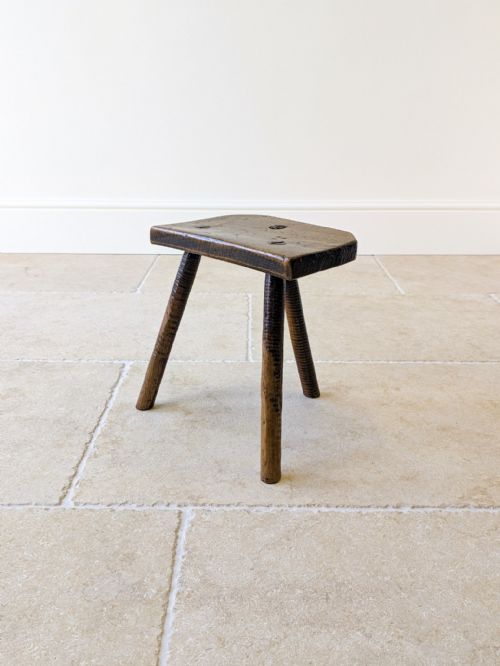
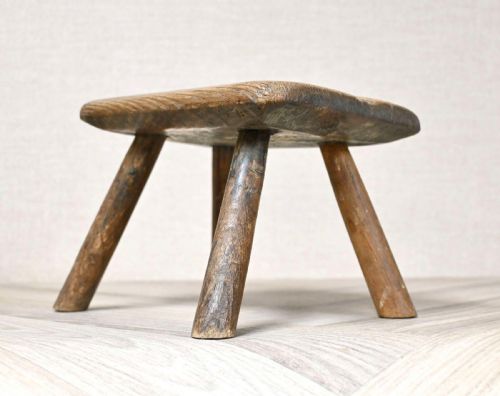
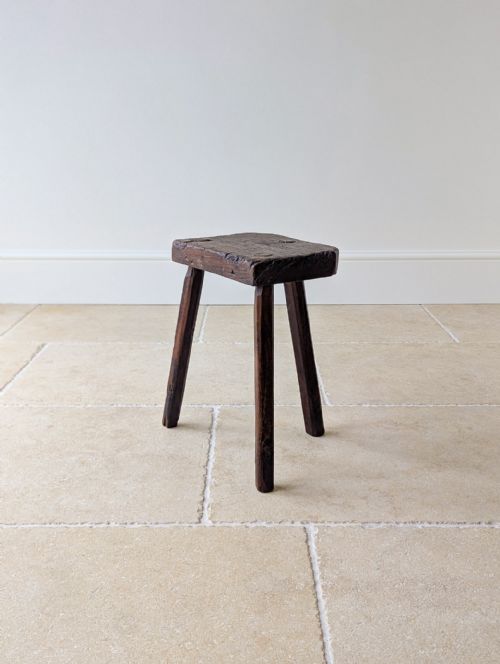
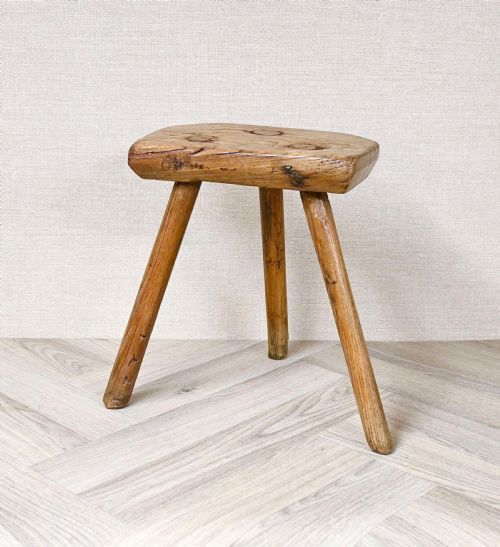
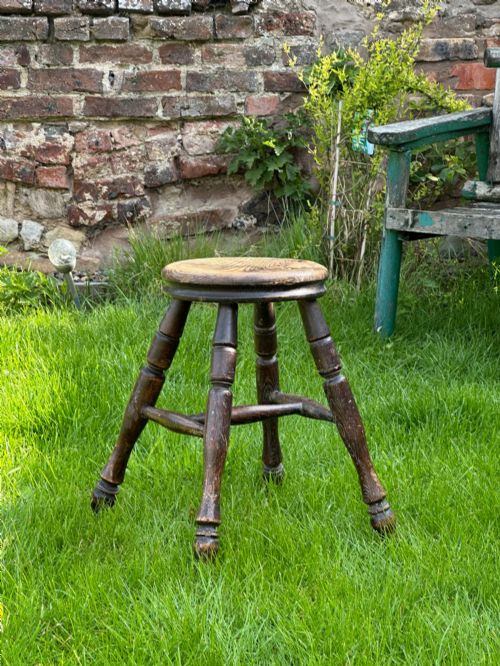
You are most likely to meet utilitarian forms designed for specific trades and domestic tasks, including milking stools, tavern seating, and low hearth stools. These items frequently combine elm with complementary timbers such as ash, beech, and oak.
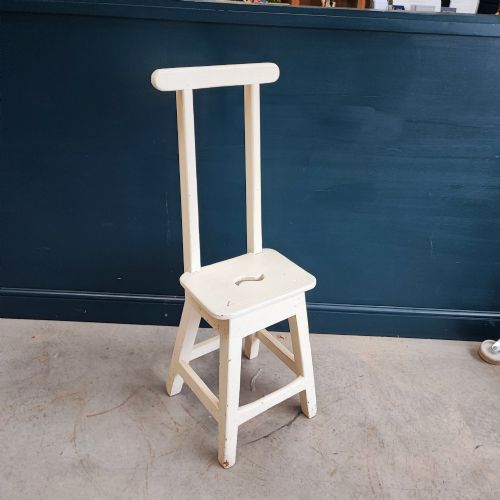
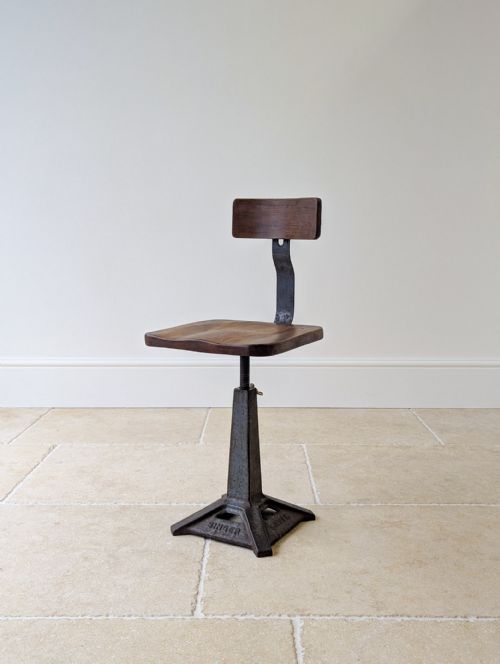
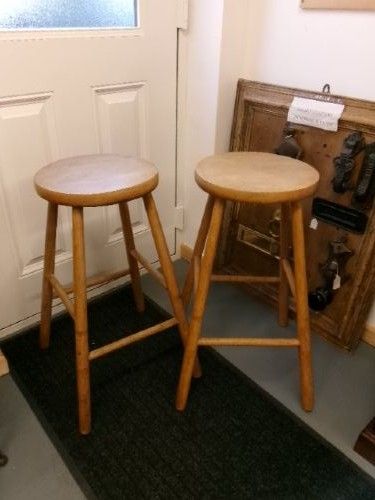
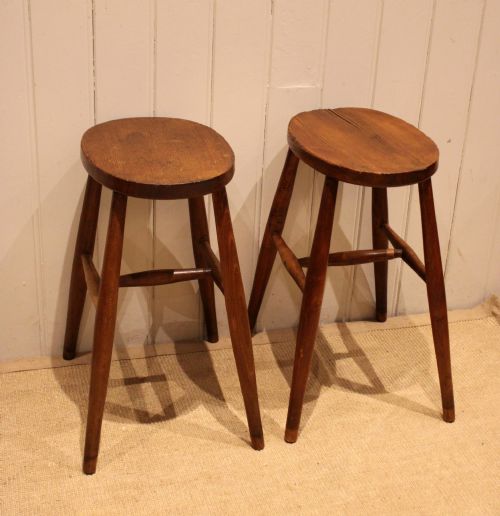
Beyond standard low seating, the selection includes tall bar stools, footstools, and desk chairs associated with workshops and mills. Each piece reflects the functional requirements of rural and industrial settings through straightforward construction.
Evaluating quality and character
Quality in these pieces rests on the integrity of the timber, the thickness of the seat plank, and the tightness of the leg joints. A well-preserved piece retains its original wedge fixings and displays a rich, unblemished patina built up through decades of handling.
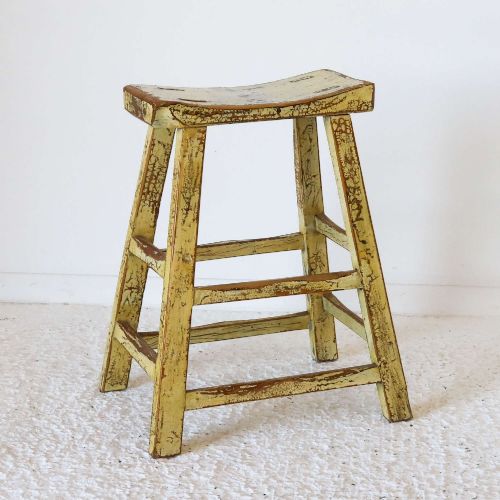
The distinction between ordinary and exceptional examples often lies in the sculptural grace of the turning and the depth of the dished seat. Subtle wear patterns and honest traces of early paint or original surface finishes add historical depth.
Vintage Elm Stool Retail Price Guide 2026
Typical asking prices for vintage elm stool among the pieces listed under this phrase on Sellingantiques today, from the lower quarter to the upper quarter. They describe what is for sale here now, not the wider market.
Some nineteenth-century workshop stools bear the exact height marks notched by workers who claimed them for their own benches.
The Vintage Elm Stool Glossary
- Elm
- A tough, coarse-grained hardwood prized for chair seats because it resists splitting when nailed or wedged. It often shows a striking swirling grain pattern.
- Milking stool
- A small, usually three-legged seat designed to be stable on uneven dairy floors while the user sat close to the animal. These typically feature a simple slab top and splayed legs.
- Stick-back
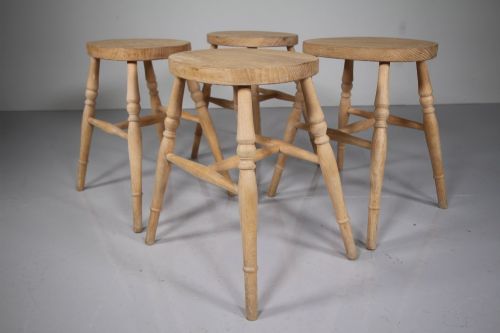
- A method of chair construction where individual turned spindles or sticks are tenoned directly into a solid wooden seat. It forms the structural basis for many traditional country stools and Windsor chairs.
- Vernacular furniture
- Objects made by local artisans or village carpenters using regional materials to serve immediate, practical needs without academic stylistic constraints. This approach defines much of the rustic country material.
- Treen
- Small handmade wooden household objects and utensils produced before the widespread adoption of mass manufacturing. These items often share the timber and turning characteristics of contemporary country stools.
Vintage Elm Stool: Frequently Asked Questions
What is a milking stool?
A milking stool is a small, typically three-legged seat designed for stability on uneven ground during agricultural work. They feature simple wooden slabs fitted with splayed legs for balance.
Over time, these utilitarian objects transitioned from working farms into domestic interiors as decorative accents or low seats.
How do I care for elm furniture?
Caring for elm involves keeping the wood away from direct heat sources and sudden humidity changes to prevent timber movement. Regular dusting with a dry cloth helps maintain the surface.
Applying a traditional beeswax polish occasionally will nourish the grain and preserve the historic patina without sealing the wood.
Are these stools comfortable to sit on?
Many country stools feature dished or saddled seats carved to fit the body, providing surprising ergonomic support despite the lack of padding. Their solid wood construction makes them sturdy for daily seating.
Height varies significantly across the forms, ranging from low hearth versions to tall bar and workshop seats, so matching the height to your space is recommended.
How can I tell the age of a stool?
Dating relies on observing tool marks, timber shrinkage, construction methods, and the nature of the wear on the feet and seat. Hand-turned legs and primitive wedged tenons often point towards earlier periods.
Comparing the specific wood combinations and regional vernacular styles against documented examples helps narrow down the century of manufacture.