


Vintage Electric Clock
These vintage electric clock pieces combine early electrical engineering with distinctive period styles, offering a practical way to bring functional historical design into any room.
Vintage Electric Clock
When you search for a vintage electric clock, you encounter early electrical timepieces designed primarily as mantel clocks or wall clocks. These objects span periods from the Edwardian era through the 1950s, capturing significant design shifts over several decades.
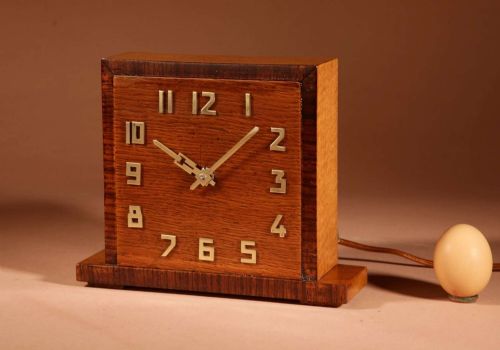
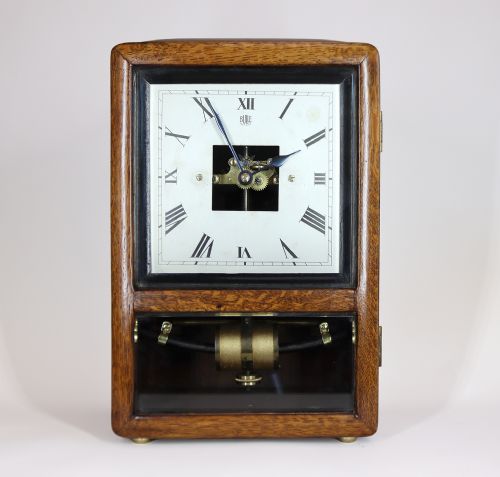
The version you are most likely to meet on this page is an Art Deco mantel clock or an industrial wall clock. These pieces reflect specific regional manufacturing styles, including English factory models, French glass domes, and Amsterdam School woodwork.
Makers utilised various housings to enclose early movements, ranging from domestic oak and walnut cases to robust steel and brass wall fixtures. The selection represents both domestic mantelpieces and large public spaces like stations and hospitals.
How they were made
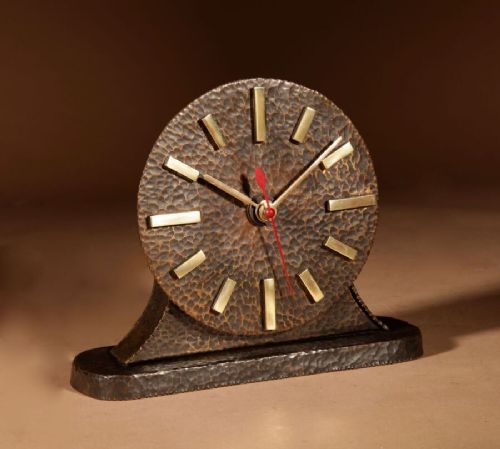
The physical construction of a vintage electric clock relies heavily on durable metals like brass, chrome, steel, and patinated bronze, often paired with glass domes or see-through panels to display the movement. Cabinetmakers shaped traditional woods such as oak, mahogany, walnut, and rosewood for domestic mantel cases.
Early electrical innovation combined with specialised materials like moulded bakelite for modern casings and dials. Artisans hammered brass, shaped glass, and integrated electric mechanisms to transition away from purely weight-driven or spring-driven systems.
Vintage Electric Clock Retail Price Guide 2026
Typical asking prices for vintage electric clock among the pieces listed under this phrase on Sellingantiques today, from the lower quarter to the upper quarter. They describe what is for sale here now, not the wider market.
Materials utilised across the inventory include glass, brass, metal, chrome, oak, bakelite, steel, and mahogany.
What varies in quality
Maurice & Marcel Moulin Favre-Bulle·Charvet·Smiths·Vitascope·Gents of Leicester·Rene Lalique·Jaeger-LeCoultre
The Vintage Electric Clock Glossary
- Bulle clock
- An early electric clock utilising a patented pendulum system invented by Marcel Favre-Bulle. These movements often operate with visible mechanisms under glass domes.
- Bakelite
- An early form of synthetic plastic used widely in the manufacture of clock cases and electrical components during the twentieth century. It allowed for moulded geometric shapes favoured in industrial design.
- Mystery clock
- A timepiece where the hands appear to move without any mechanical connection to the movement. These designs rely on transparent glass dials to conceal the drive mechanism.
- Mantel clock
- A portable clock designed to stand upon the mantelpiece above a fireplace. They frequently feature decorative wooden or metallic cases suited for domestic interiors.
- Master clock
- A precision clock that controls other secondary clocks within a large building or factory system. They regulated time across extensive electrical networks in public institutions.
Vintage Electric Clock: Frequently Asked Questions
How do electric clocks work?
Early electric clocks utilise battery-driven or early electrical circuits to maintain the swing of a pendulum or drive the gear train. This reduced the need for manual winding while retaining traditional dial faces.
Many examples from this era combine conventional mechanical gear trains with electromagnetic coils to achieve continuous operation.
Where were wall clocks used?
Large wall clocks typically served in industrial, municipal, or institutional settings such as factories, railway stations, and hospitals. Their bold numerals ensured clear visibility across large working spaces.
Smaller domestic wall clocks were produced for home environments, matching the interior design trends of their respective decades.
Are these clocks difficult to maintain?
Maintaining these pieces requires understanding early electrical wiring and delicate mechanical gear trains. Professional servicing ensures the historical integrity of the internal components is preserved.
Owners should consult specialists familiar with vintage electrical systems rather than standard modern clock repairers.
How do I identify Art Deco clocks?
Art Deco pieces display geometric patterns, stylised numerals, and modern industrial materials like chrome and bakelite. They frequently incorporate contrasting wood veneers such as oak and walnut.
Symmetrical designs and streamlined silhouettes further distinguish these pieces from earlier Edwardian or later mid-century styles.