




Vintage Easy Chair Frame
A vintage easy chair frame gives you the skeleton of a historic seat, ready for new webbing, springs and cloth.
Vintage Easy Chair Frame
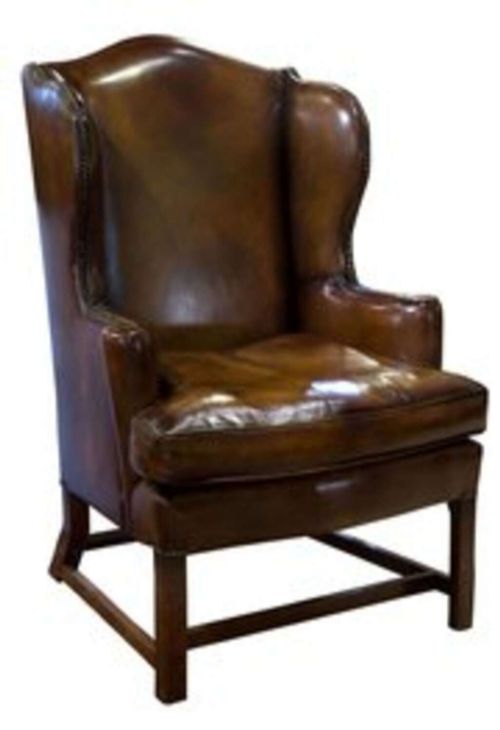
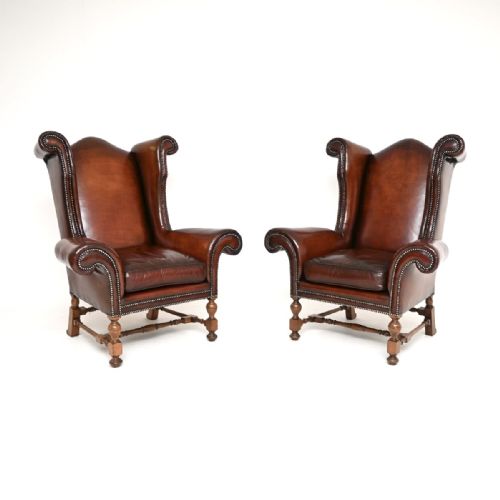
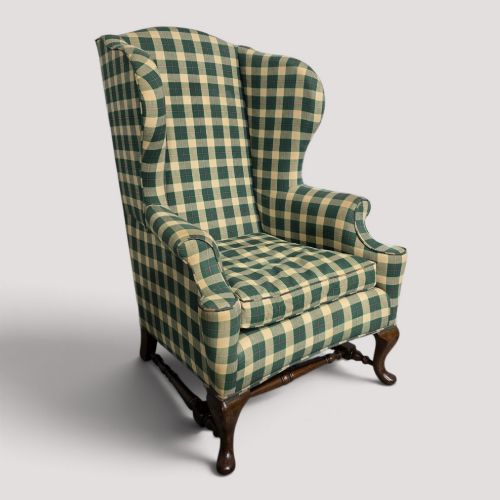
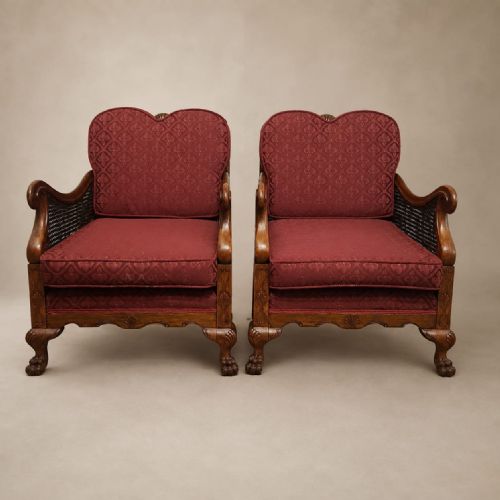
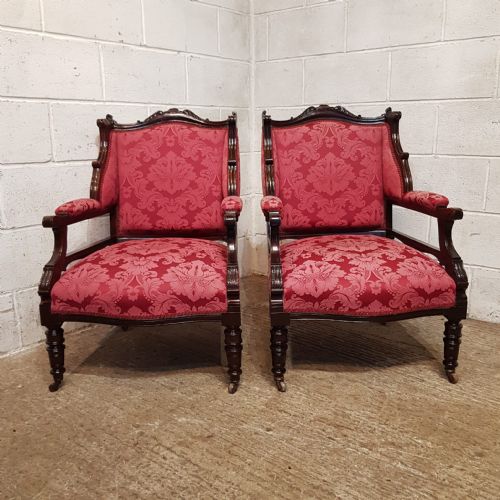
When you search for a vintage easy chair frame, you encounter structural wooden armchairs waiting for upholstery, ranging from substantial 18th century oak wingbacks to walnut bergere chairs and mahogany library seats.
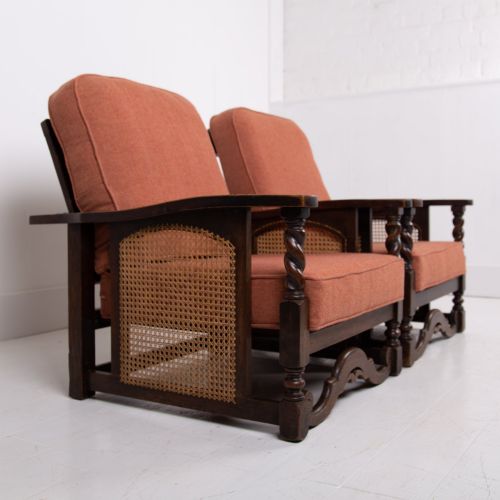
The pieces on this page span several centuries, including Victorian, Edwardian, and Art Deco periods, alongside revival styles like Queen Anne and Jacobean.
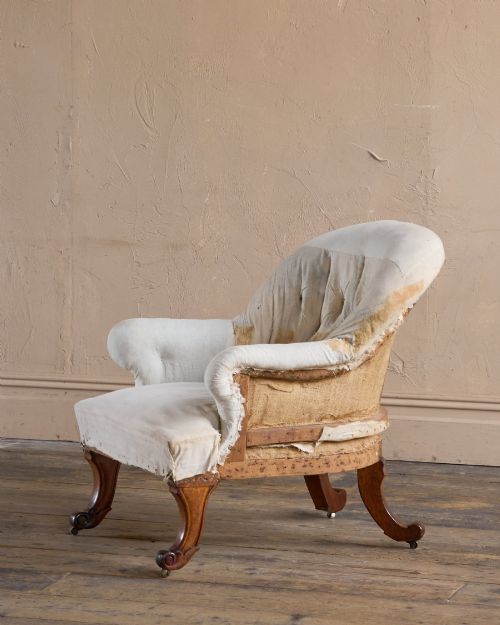
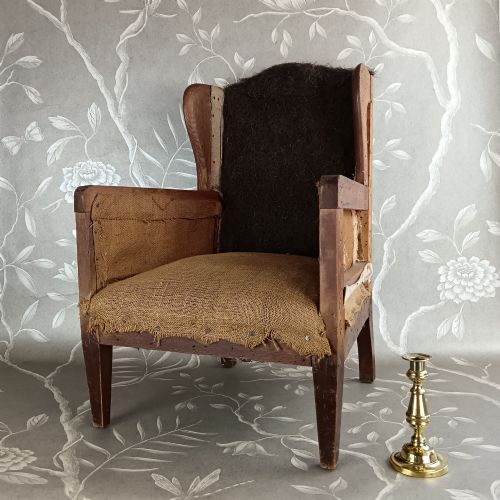
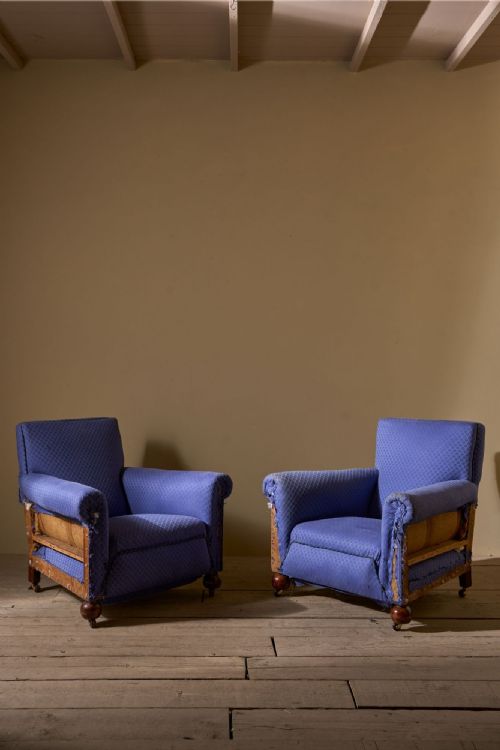
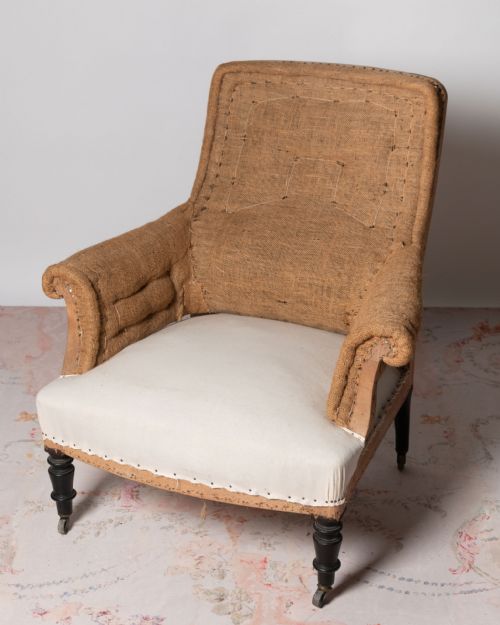
Many of these frames appear stripped back to their bare timber and webbing, offering a clear view of the joinery and timber quality before any final covering takes place.
Materials and construction
Frames are constructed from solid timbers such as mahogany, oak, and walnut, shaped with traditional joinery to support heavy internal springing and padding.
Many examples retain underlying layers of hessian, calico, and brass tacks, showing how makers built up the shape before applying the final hide or fabric.
Vintage Easy Chair Frame Retail Price Guide 2026
Typical asking prices for vintage easy chair frame among the pieces listed under this phrase on Sellingantiques today, from the lower quarter to the upper quarter. They describe what is for sale here now, not the wider market.
Even a child gets their own scale, as seen in the small wingback frames waiting for tiny cushions.
Judging the frame
Quality rests in the crispness of the timber carving, the integrity of the joints, and the weight of the wood used in the arms and legs.
Better examples show thoughtful proportion and refined execution in styles ranging from Georgian restraint to Art Deco curves.
Howard And Sons·William Birch·Gillows
The Vintage Easy Chair Frame Glossary
- Wingback
- An armchair with side panels designed to shield the sitter from draughts. These panels extend from the arms up to the high back.
- Bergere
- A closed-arm armchair with cane work panels set into the wooden frame. They often date from the Edwardian period or the 1920s.
- Hessian
- A coarse woven fabric made from jute, used as a foundation layer for webbing and stuffing inside upholstered seats.
- Calico
- A plain-woven cotton fabric stretched over the internal stuffing of a chair to hold the shape before the top cover is fitted.
- Tub chair
- A compact seat with a rounded back that curves continuously into the arms. They appear in Victorian and Art Deco designs.
Vintage Easy Chair Frame: Frequently Asked Questions
Can I sit in an easy chair frame without cushions?
Most frames expose internal webbing, bare wood and metal springs that require proper padding for comfort. Sitting directly on an unfinished frame risks damaging the exposed structure and webbing.
Restoring the upholstery ensures the chair functions as intended while protecting the historical wooden joints from uneven pressure.
How do I choose fabric for a bare frame?
Consider the period of the woodwork, whether it is an 18th century oak wingback or a 1930s club chair. Heavier hides and traditional wools suit earlier styles, while smoother weaves complement Art Deco forms.
Ensure the weight of the textile suits the scale of the wooden frame so the finished piece maintains its original proportions.
Are these frames difficult to reupholster?
Working on antique frames requires traditional upholstery skills, including hand-ticking, spring tying and securing hessian layers. Each period uses specific techniques to achieve the correct profile.
Consulting a professional upholsterer preserves the integrity of the timber and ensures the internal construction matches the historic style.
How do I date a wooden armchair frame?
Dating relies on timber choice, such as oak in earlier centuries versus mahogany and walnut in later periods, alongside stylistic details like cabriole legs or square uprights. Revival styles often borrow motifs from Georgian or Queen Anne eras.
Examine the construction methods visible in the joints and webbing tacks for clues about when the piece was originally assembled.