



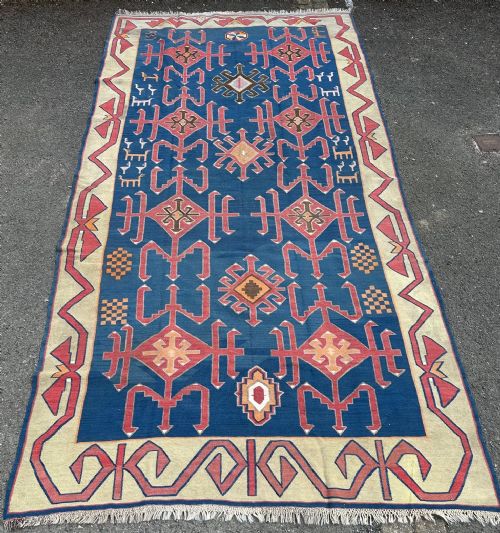


Vintage Eastern Rug
When you search for a vintage eastern rug, you look for floor coverings woven across Persia, the Caucasus, Anatolia and Eastern Europe.
Vintage Eastern Rug
A vintage eastern rug brings together floor coverings and flat-weaves originating from regions such as Persia, the Caucasus, Anatolia, and Eastern Europe, spanning the nineteenth and twentieth centuries. These textiles include workshop carpets from Kashan and Tabriz, village pieces from Hamadan and Malayer, and tribal works by Kurdish, Afshar, and Baluch makers.
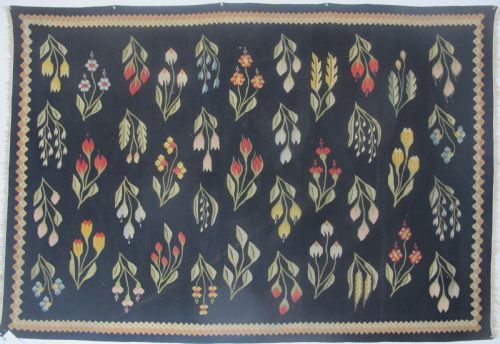
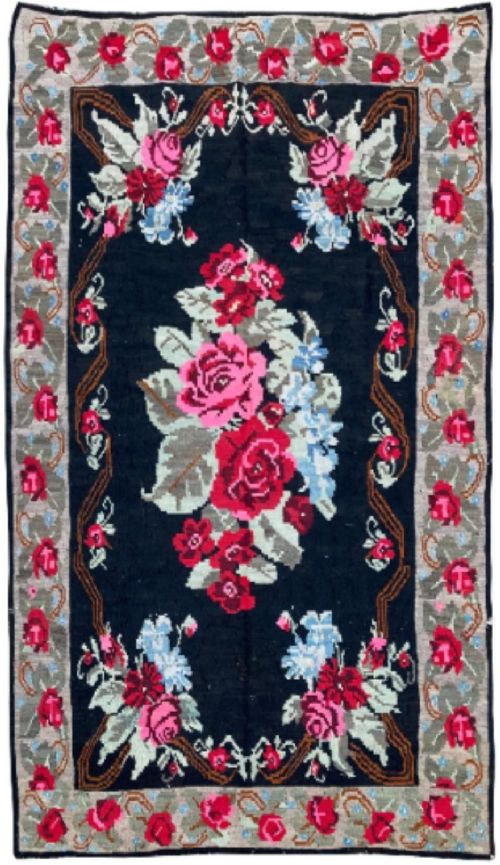
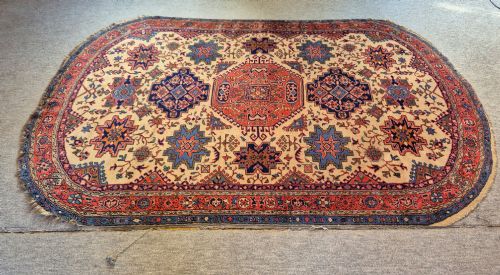
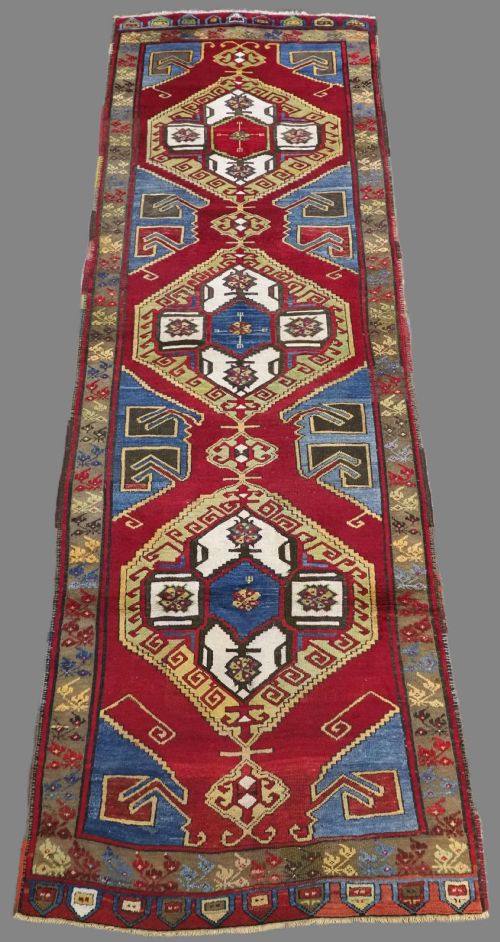
The selections available here range from small prayer rugs and runner rugs to large palace-size carpets and flat-woven kilims. Buyers encounter diverse regional designs, including floral vases, geometric medallions, and animal motifs, produced across periods from the eighteen-eighties to the nineteen-forties.
How they were made
The construction of these pieces relies predominantly on wool for the pile and foundation, supplemented by cotton for structural warps and wefts. Artisans utilised hand-knotting techniques for piled carpets and flat-weave methods for kilims and tapestries.
Colour comes from natural dyes applied to the fibres, creating deep shades across Caucasian, Anatolian, and Persian workshops. Supplementary leather elements occasionally appear in specific functional forms like cushions.
Listings feature wool and cotton rugs produced across Persian, Caucasian, and Anatolian regions between the eighteen-eighties and nineteen-forties.
What varies in quality
Quality in these textiles depends upon the precision of the hand-knotting or flat-weaving technique and the handling of the wool. Finer knots per square inch permit more intricate graphic detail and firmer structures.
The depth and variation of natural dyes influence the visual success of a piece over time. Balanced proportions, clear regional iconography, and disciplined execution separate workshop carpets from standard village productions.
Benlian
The Vintage Eastern Rug Glossary
- Kilim
- An untufted flat-weave textile produced by tightly interweaving warp and weft strands. These pieces function primarily as floor coverings or wall hangings.
- Prayer rug
- A small format textile featuring a central mihrab or arch design indicating the direction of prayer. Makers in Anatolia, Persia, and the Caucasus frequently utilised this layout.
- Soumak
- A flat-weaving technique involving wrapping weft threads over and under warps to create a durable structure with a braided appearance on the face. It originates frequently in the Caucasus.
- Mihrab
- The arched niche design depicted on prayer rugs, representing the direction of Mecca. It guides the orientation of the primary field imagery.
Vintage Eastern Rug: Frequently Asked Questions
What is a vintage eastern rug?
These pieces are hand-knotted or flat-woven floor coverings originating from Persia, the Caucasus, Anatolia, and Eastern Europe during the nineteenth and twentieth centuries. They encompass various regional styles including tribal, village, and workshop traditions.
Buyers select them for their traditional motifs, natural dyes, and wool construction. Each region developed distinct geometric or floral patterns associated with local weaving groups.
How were kilims used originally?
Makers produced kilims as versatile flat-woven textiles for flooring, wall hangings, and storage bags within nomadic and village communities. Their lightweight structure made them practical for seasonal migration.
Unlike piled carpets, these flat-weaves served both decorative and functional purposes in domestic spaces. Their construction required no knotted pile, relying entirely on the interweaving of warp and weft.
How do I live with a wool rug?
Placing a quality underlay beneath the textile prevents slipping and reduces friction against hard flooring. Regular gentle vacuuming without a rotating brush protects the wool pile.
Keeping the piece away from direct, harsh sunlight preserves the natural dyes over decades. Professional cleaning tailored to antique textiles maintains the integrity of the wool and cotton foundations.
How do I tell regional styles apart?
Regional attribution relies on identifying specific structural techniques, border arrangements, and primary colour palettes. Caucasian pieces often display sharp geometric medallions, whereas Persian workshop carpets frequently feature complex floral curves.
Examining the weave density and material composition provides further clues to origin. Anatolian and Kurdish examples typically exhibit robust wool usage and distinct tribal iconography.