

Vintage Drinking Vessel
These vintage drinking vessels range from Georgian lead glass to silver tankards, offering tangible connections to past social rituals.
Vintage Drinking Vessel
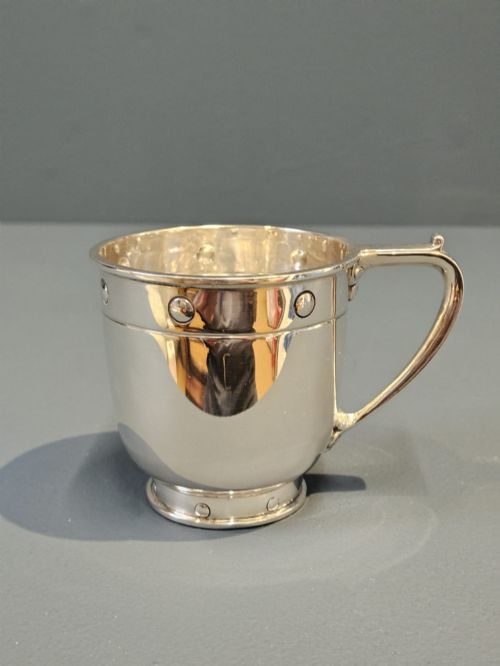
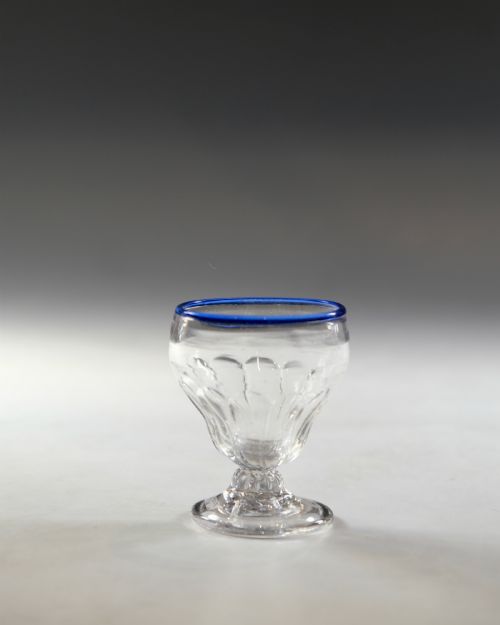
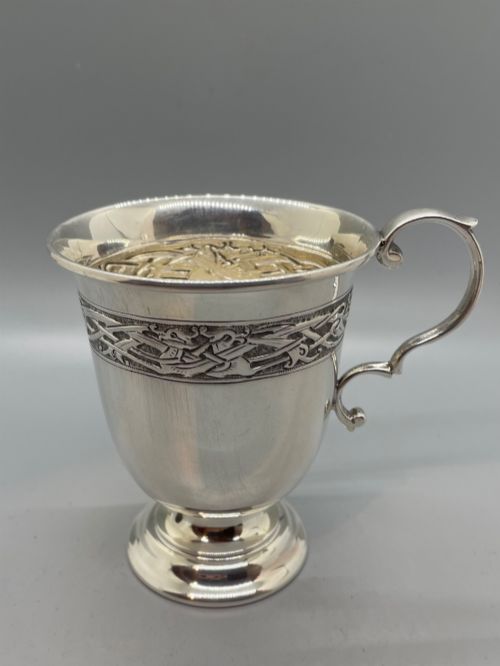
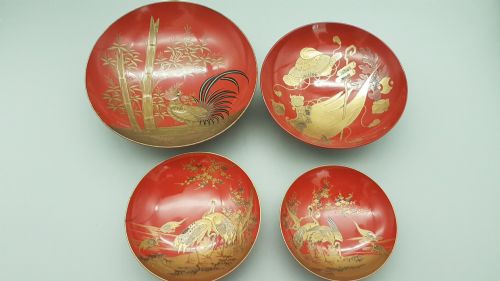
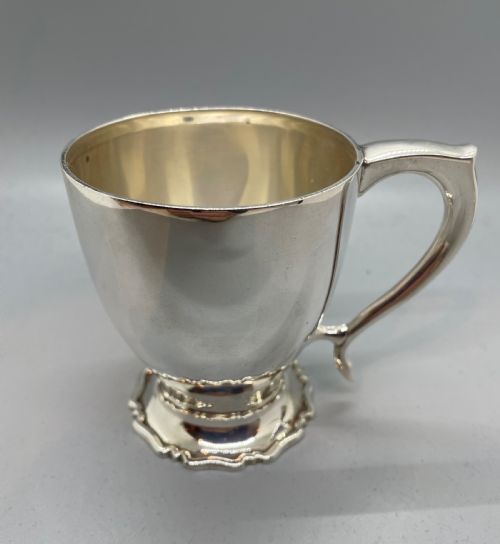
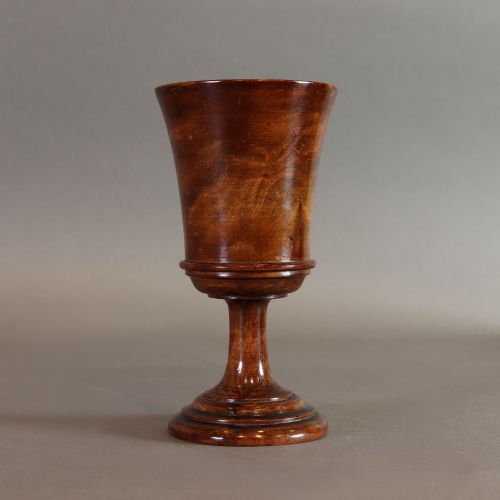
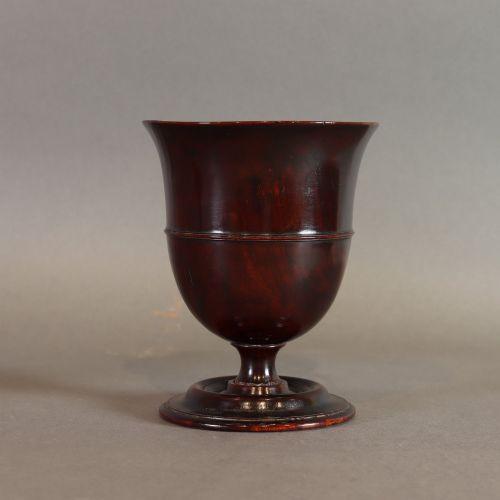
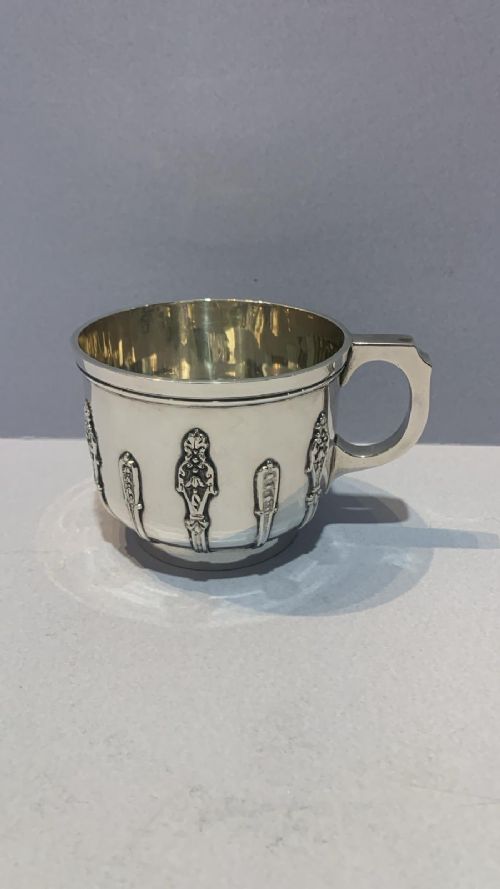
A vintage drinking vessel encompasses a wide variety of historical forms designed for liquid consumption, spanning tankards, goblets, wine glasses, beakers, and sake cups. The selection ranges from eighteenth-century lead glass balusters and treen pedestal goblets to nineteenth-century pewter quart jugs and twentieth-century silver christening mugs.
Buyers encountering this phrase most frequently meet silver tankards, pewter jugs, and glass stemware originating from the Georgian, Victorian, and Edwardian periods. These pieces bridge utilitarian tavern items and decorative cabinet objects, reflecting the drinking customs of their respective eras.
How They Were Made
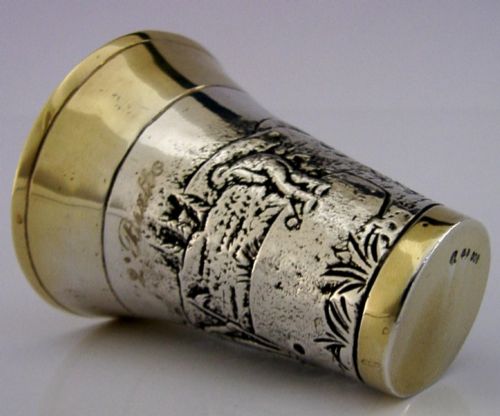
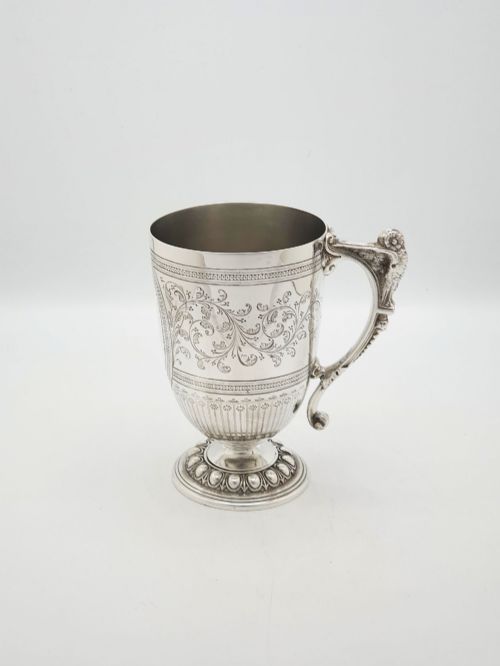
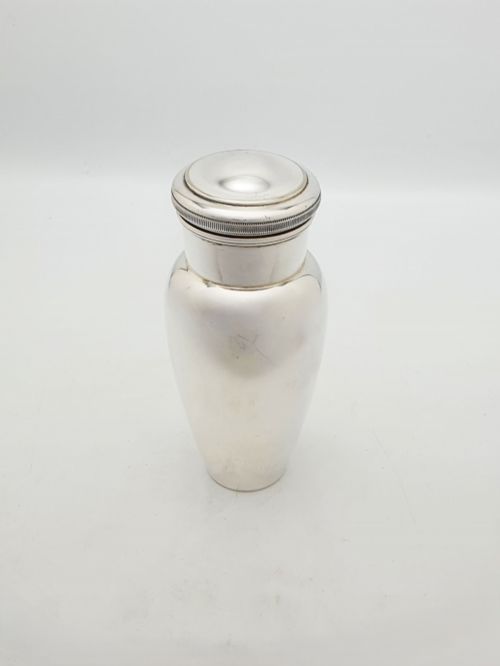
Metals such as sterling silver, silver plate, copper, nickel, and pewter were cast, hammered, and soldered into robust mugs, tankards, and chalices, often bearing hallmarks from assay offices in London, Birmingham, and Sheffield. Woodworkers turned dense timbers like lignum vitae on lathes to shape early pedestal goblets, while artisans carved organic materials including horn and coconut shell into beakers.
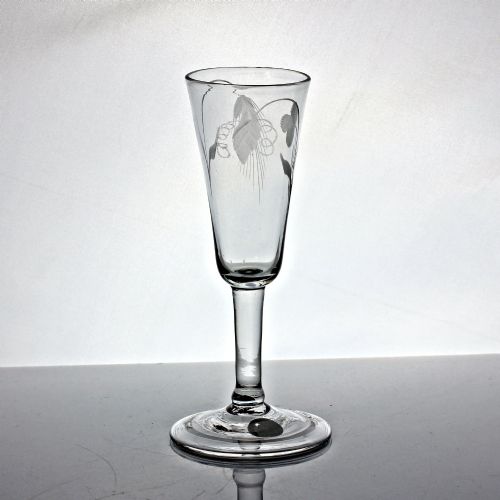
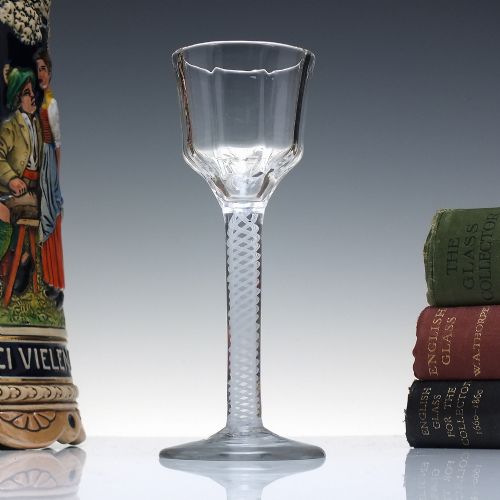
Glass vessels utilised lead crystal, clear glass, and coloured glass formed through blowing, moulding, and wheel-engraving. Makers applied techniques like air twist and opaque twist stems, faceted cutting, gilding, and surface etching to achieve intricate decorative effects on wine glasses and goblets.
Listings feature sterling silver, lead glass, pewter, and treen across periods from the eighteenth century to the mid-twentieth century.
What Varies in Quality
The standard of craftsmanship relies heavily on the weight of the material and the precision of the maker's hand, distinguishing mass-produced commercial items from bespoke workshop outputs. Substantial gauge silver, heavy pewter walls, and thick lead crystal demonstrate superior structural integrity.
Artistic execution dictates the upper tier of the range, seen in deeply cut glass stems, crisp hand-engraving on silver, and well-proportioned handles such as figural owl motifs. The clarity of the metal, the balance of the vessel in the hand, and the preservation of original surface detail separate fine examples from standard specimens.
Barker Bros·Hukin & Heath·William Eaton
The Vintage Drinking Vessel Glossary
- Baluster stem
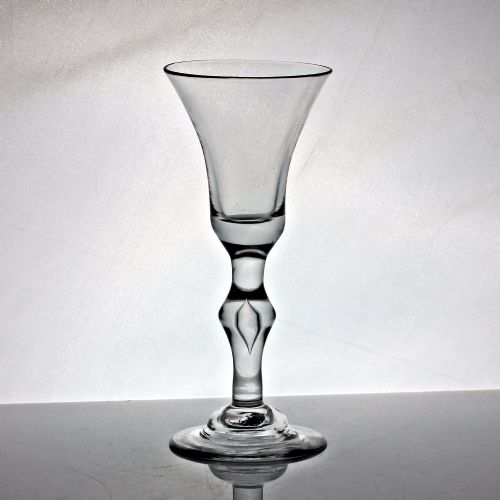
- A heavy, swelling glass stem shape popular in the eighteenth century, derived from architectural balusters.
- Quaich
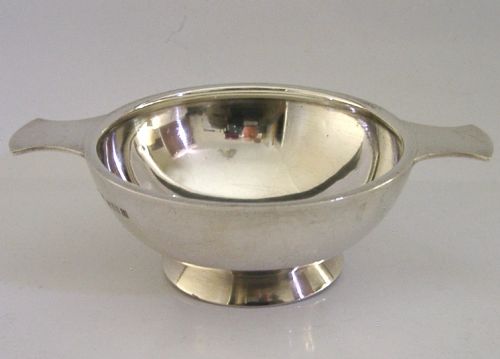
- A traditional two-handled drinking vessel of Scottish origin, typically shallow in form and used for spirits.
- Treen
- Small handmade wooden household objects and utensils, fashioned from timbers such as lignum vitae or fruitwood.
- Opaque twist
- A glass manufacturing technique where white or coloured enamel rods are twisted inside the clear stem.
- Old Sheffield Plated
- An early composite material made by fusing a thin layer of silver onto a copper base.
Vintage Drinking Vessel: Frequently Asked Questions
What is a vintage drinking vessel?
A vintage drinking vessel is a historical container made for holding liquids, including glass goblets, silver tankards, ceramic loving cups, and wooden pedestals.
These pieces reflect the social habits, dining customs, and tavern culture of periods ranging from the eighteenth century to the mid-twentieth century.
How were pewter tankards used?
Pewter tankards served as everyday drinking vessels for ale and beer in public houses, homes, and taverns during the Victorian and Georgian eras.
Their robust metal construction made them durable for daily communal drinking before glass became universally accessible.
How do I date a silver mug?
Silver mugs are dated by examining the hallmarks stamped into the metal, which typically indicate the assay office, the maker's mark, and a specific date letter.
Stylistic cues, such as the heavy proportions of early Georgian pieces compared to the sleek lines of later Art Deco examples, also help identify the period.
Can I use antique glassware?
Antique glassware can be used carefully, though many collectors prefer to display fragile lead glass stemware and eighteenth-century balusters to prevent damage.
Hand-washing in lukewarm water is essential to preserve delicate engravings and fragile glass structures.