
Vintage Dresser
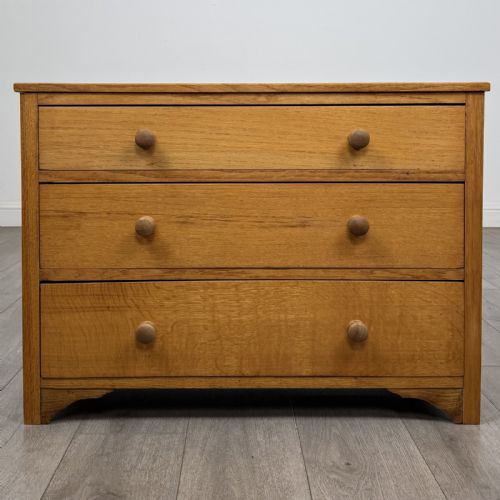
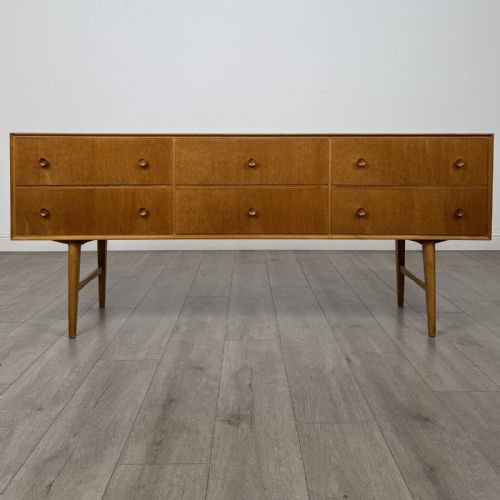
A vintage dresser brings robust storage and enduring utility to a room, offering everything from solid oak sideboards to walnut chests.
Vintage Dresser
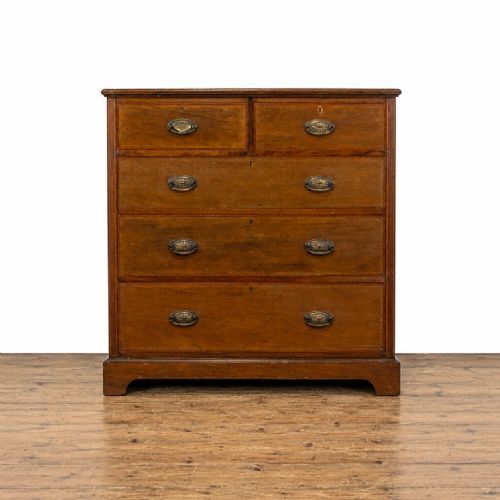
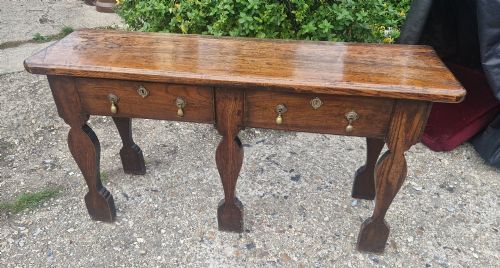
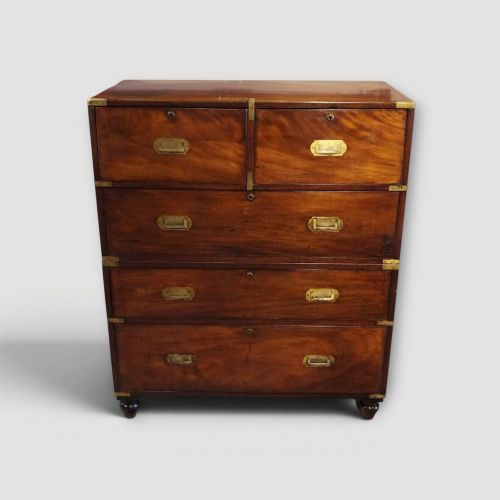
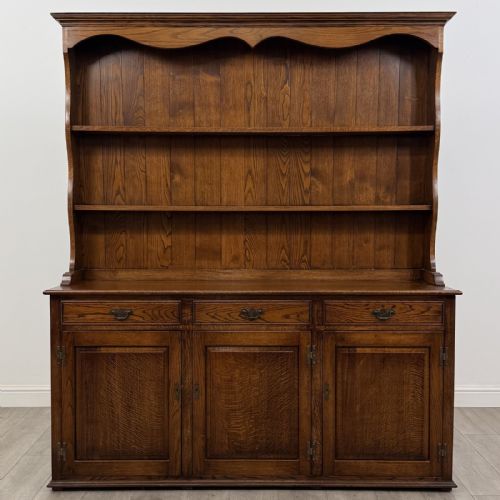
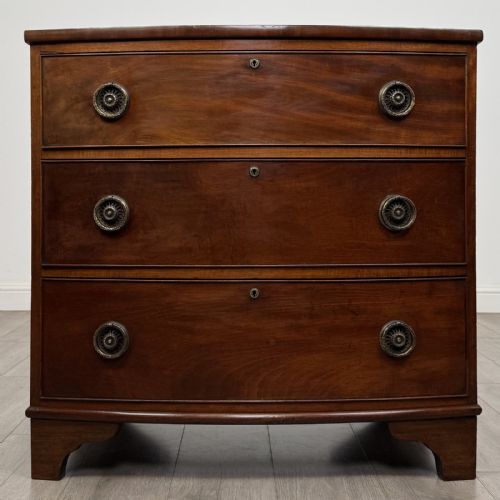
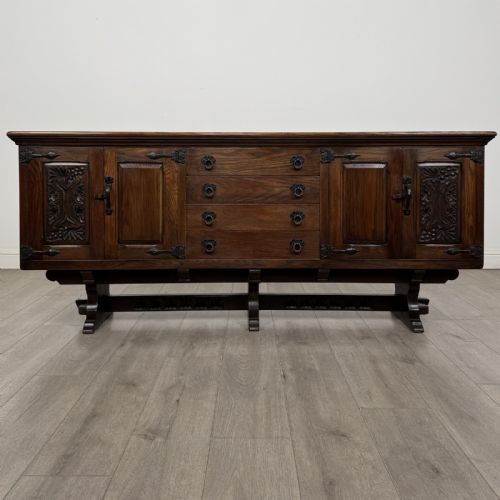
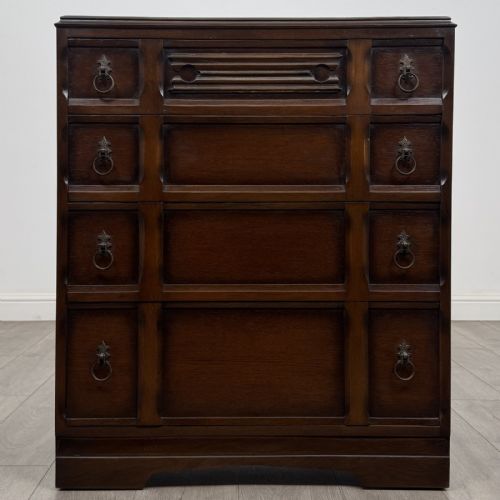
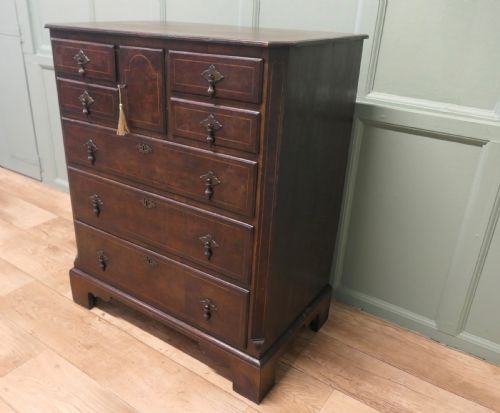
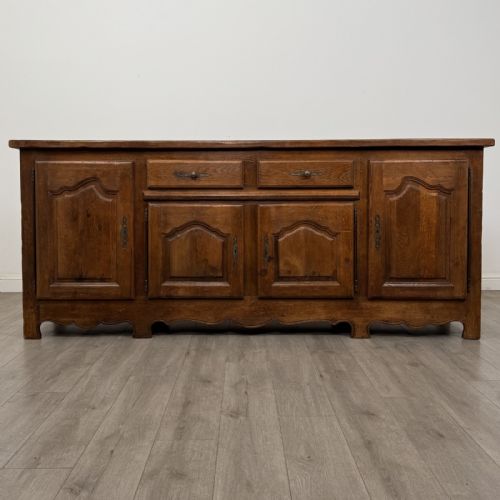
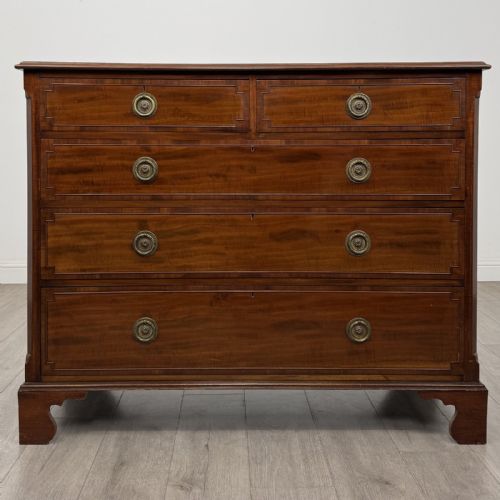
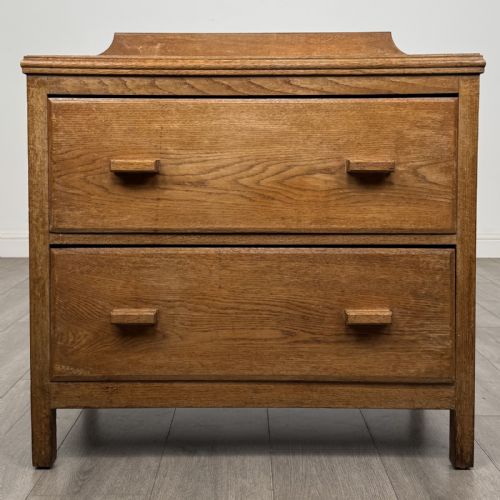
When you search for a vintage dresser, you encounter a broad spectrum of utility furniture spanning several centuries. The selection encompasses sturdy oak and mahogany chests of drawers, spacious sideboards, display cabinets, and traditional kitchen or housekeeper's cupboards. Pieces range from modest 1920s golden oak examples with raised galleries to substantial Georgian and Victorian designs.
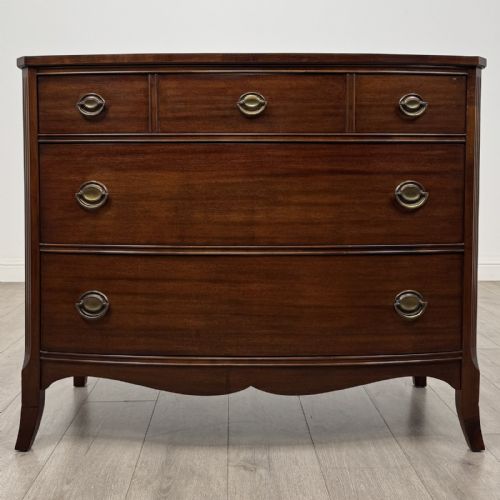
You are most likely to meet mid-century, Edwardian, and Victorian iterations on this page, alongside earlier Georgian and 18th-century forms. These items frequently manifest as chests featuring two over three drawer configurations, bow fronts, or prolonged dresser bases with potboards. Regional varieties such as Scottish and Cheshire pieces also appear regularly among the listings.
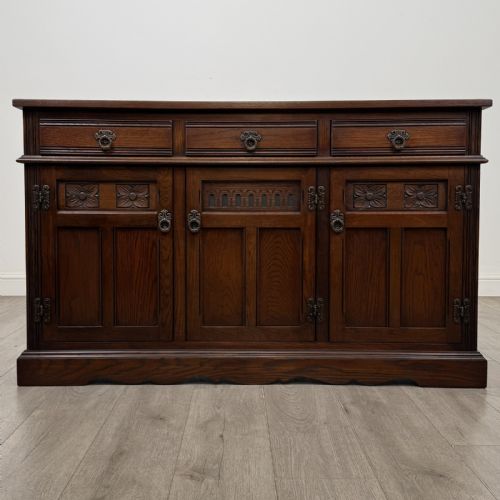
The aesthetic vocabulary stretches from rustic farmhouse and Jacobean revival styles to sleek Art Deco mirrored finishes and Arts and Crafts carving. Makers utilised various woods to suit domestic requirements, applying modern paint finishes or preserving original patination. Each configuration reflects the specific storage demands of its original period of manufacture.
Construction and Materials
Cabinet makers relied heavily on solid hardwoods like oak, mahogany, and walnut, often pairing them with secondary pine carcases for internal framing. Surfaces were treated with carved detailing, raised galleries, or painted finishes, while structural integrity relied on traditional joinery methods appropriate to each era.
Hardware details define much of the construction, with brass handles, cup handles, and wooden knob handles fastened securely to drawer fronts. Display cabinets incorporate fitted glass panels, and specialised items like French commodes utilise marble tops supported by heavy timber frames.
Keep an eye out for the green man carving hiding on late 19th-century Arts and Crafts sideboards.
Distinctions in Quality and Make
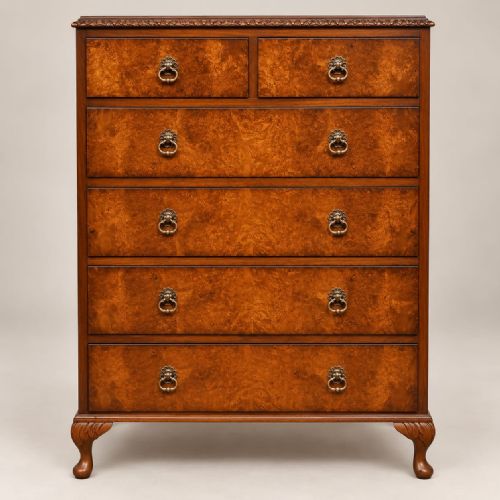
The hierarchy of quality rests on the selection of timber, such as figured burr walnut or fine grain mahogany versus standard utility pine. Superior examples display meticulous attention to proportion, particularly in bow front designs and balanced drawer arrangements.
Carved detailing and decorative elements reveal the hand of the maker, distinguishing standard production items from finely worked Arts and Crafts or Jacobean revival pieces. Original hardware, intact paint finishes, and well-preserved internal drawer construction further separate exceptional specimens from routine domestic furniture.
The Vintage Dresser Glossary
- Bow Front
- A convex curved front section typically found on chests of drawers from the Georgian and Regency periods. This curved profile requires specialised joinery to shape the timber accurately.
- Dresser Base
- A low sideboard or standalone unit traditionally used in kitchens or dining rooms for food preparation and storage. Many feature open potboards beneath the main drawers.
- Housekeeper's Cupboard
- A large vertical storage piece designed for linen, provisions, and household goods. These functional units often feature multiple doors and internal shelving.
- Potboard
- An open lower shelf built into the base of a dresser for storing pots and domestic utensils. This traditional feature is common in rustic and country furniture.
Vintage Dresser: Frequently Asked Questions
What is a vintage dresser used for?
These pieces serve primarily for domestic storage, offering deep drawers for clothing, linen, and household items. Sideboards and dresser bases provide surface space and enclosed shelving for dining rooms and kitchens.
Larger cupboards and display cabinets accommodate tableware and collectables while adding architectural presence to an interior space.
How do I identify a Georgian chest of drawers?
Georgian chests typically display tight, dovetailed drawer construction using dense mahogany or oak timbers. They often feature cock-beading around the drawer edges and distinct brass hardware.
Proportions tend to be classical, with bracket feet or elegant plinth bases supporting the main carcase.
Are painted finishes original on these pieces?
Some items retain their original painted surfaces, particularly Victorian pine cupboards and country pieces. Other examples feature modern paint finishes applied to 19th-century carcases.
Examining the wear patterns and underlying timber helps determine whether a painted finish dates from the period of manufacture.
How do I care for antique oak furniture?
Oak furniture benefits from regular dusting with a soft, dry cloth to prevent dirt accumulation. Avoid placing wooden pieces near direct heat sources or in strong sunlight, which causes timber to dry out and split.
Occasional application of appropriate wax polish maintains the moisture and natural lustre of the polished surface.