

Vintage Dress Walking Cane
A vintage dress walking cane is a refined accessory of the nineteenth and early twentieth centuries, prized for decorative handles and formal elegance.
Vintage Dress Walking Cane
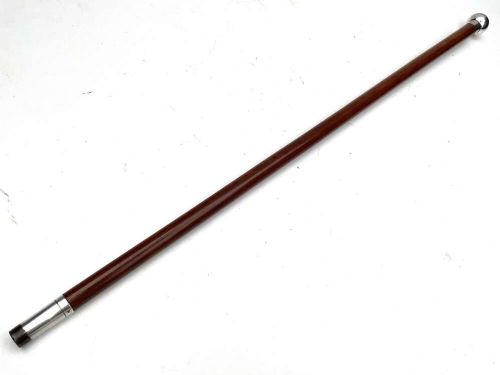
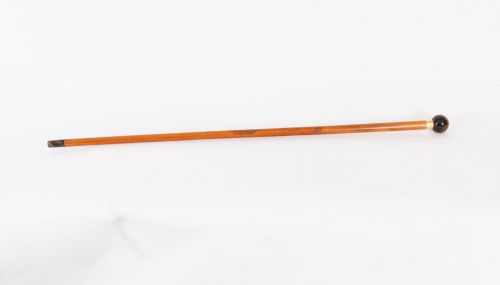
A vintage dress walking cane combines practical support with ornamental design, originating largely from Victorian, Edwardian, and nineteenth-century periods. These accessories served as essential items of formal attire for gentlemen and ladies alike.
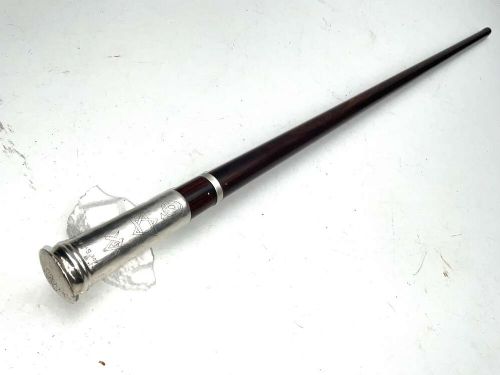
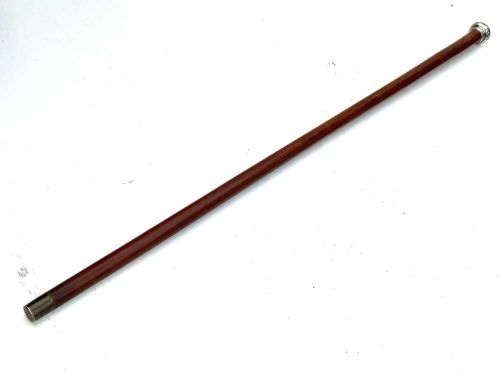
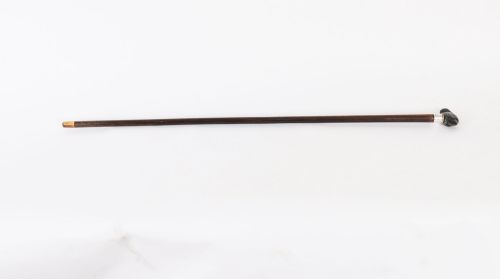
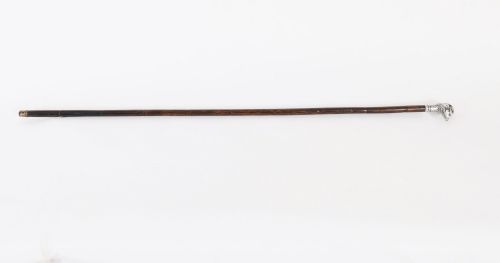
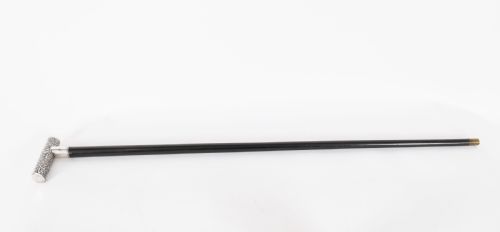
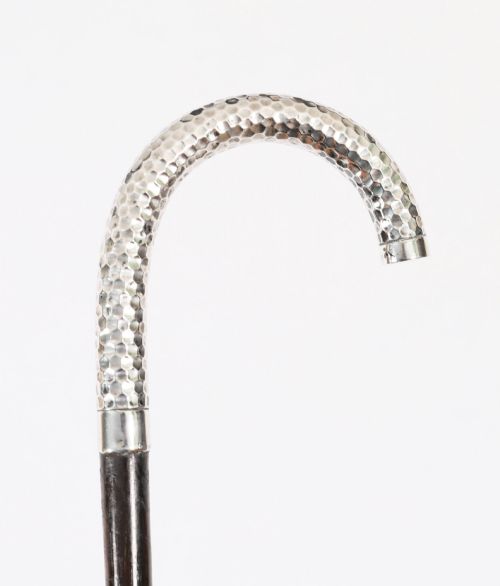
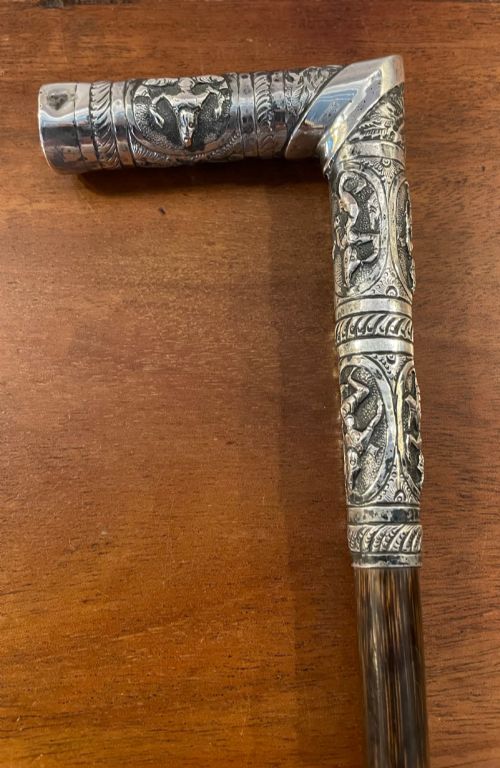
The selections encountered here typically comprise wooden shafts paired with metal handles or decorative top pommels. Many examples reflect specific regional origins such as French, English, or Asian export workshops.
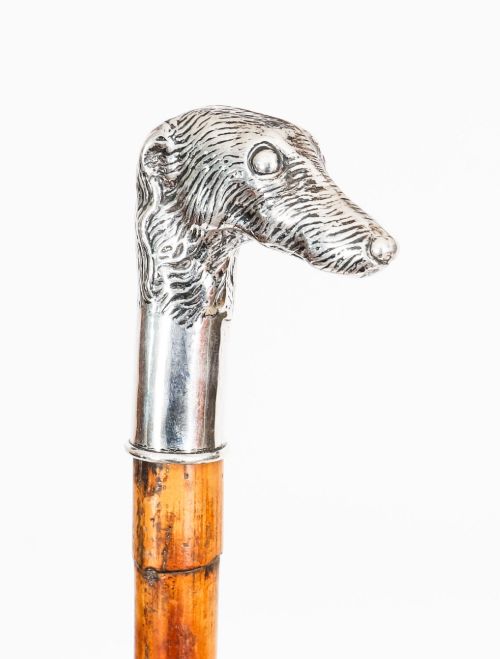
Beyond standard walking sticks, categories encompass specialised forms including sword sticks, novelty animal heads, and combination pieces containing watches or porcelain elements.
Materials and Techniques
Shafts rely on sturdy natural materials including hardwoods, bamboo, palm wood, hazel, snakewood, and ebonised wood. These timbers provide the necessary rigidity while offering varied grain patterns and textures.
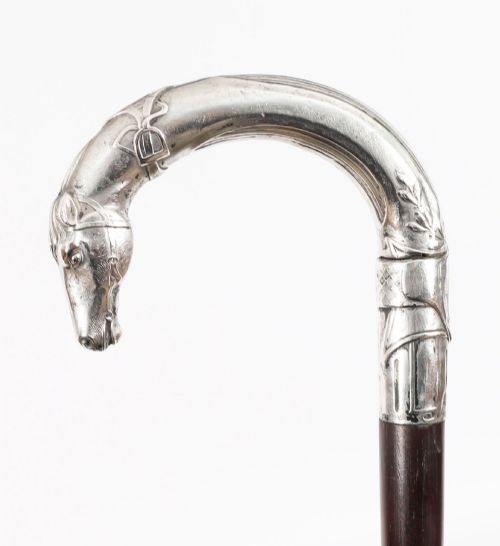
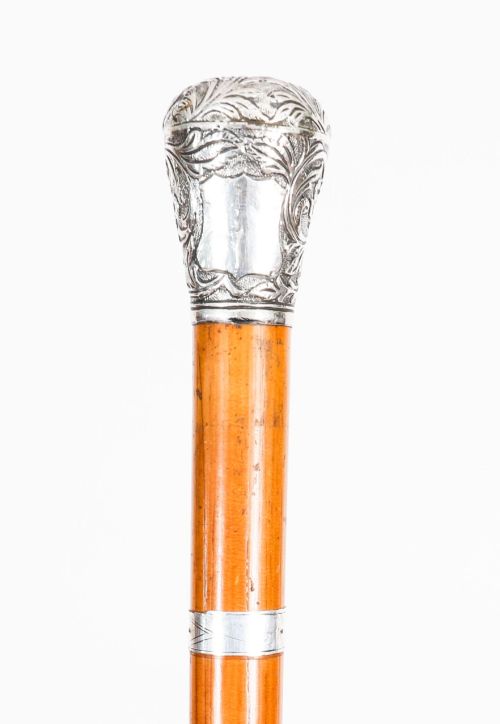
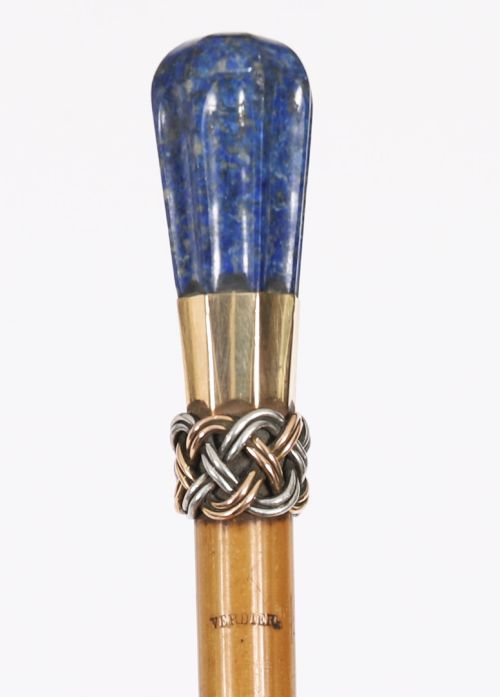
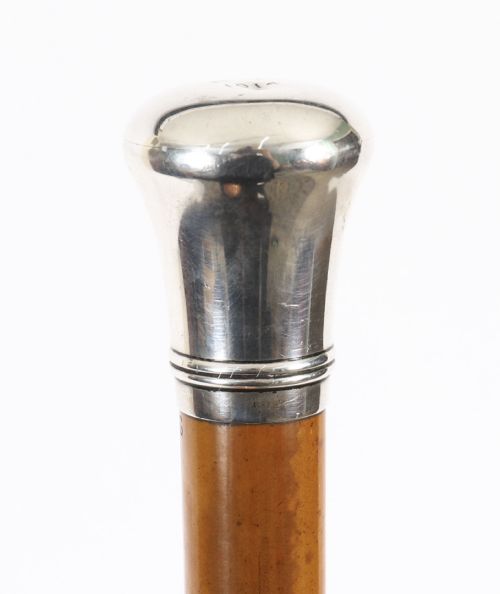
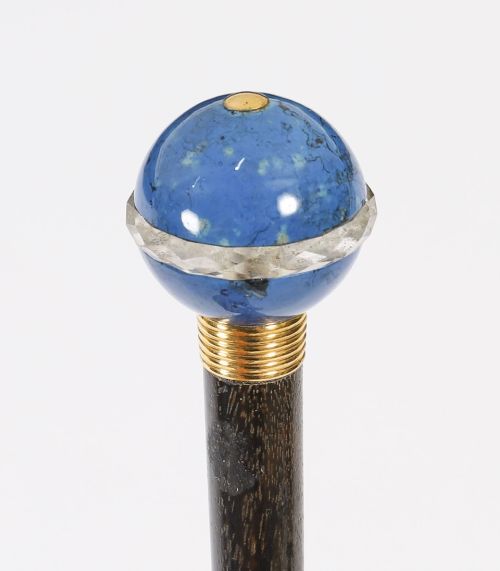
Handles and pommels utilise precious metals like silver, gold, and gold plate, alongside carved fruitwood, lapis lazuli, horn, and Sevres porcelain. Metal components frequently exhibit detailed chasing, embossing, or figural modelling.
Vintage Dress Walking Cane Retail Price Guide 2026
Typical asking prices for vintage dress walking cane among the pieces listed under this phrase on Sellingantiques today, from the lower quarter to the upper quarter. They describe what is for sale here now, not the wider market.
A few canes secretly doubled as timepieces or concealed miniature porcelain paintings for the impeccably prepared dandy.
Distinctions in Quality
Superior quality rests in the fidelity of the handle carving and the integration of precious metals. Finely modelled animal heads, detailed porcelain plaques, and marked gold or silver pommels elevate an example above standard utility pieces.
The choice and preparation of shaft timber also determine distinction, with dense exotic woods and precise silver wire inlays demonstrating superior craftsmanship compared to plain or heavily lacquered replacements.
Briggs·Thomas Johnson
The Vintage Dress Walking Cane Glossary
- Pommel
- The ornamental handle fitted to the top of a walking stick. These components take various shapes, from simple rounded knobs to intricate animal figures.
- Ebonised
- Wood treated to imitate ebony, giving it a dark, glossy black finish. This technique creates a formal appearance suitable for Victorian dress canes.
- Sword stick
- A walking cane containing a concealed blade within the shaft. These dual-purpose items were popular among gentlemen requiring discreet personal protection.
- Damascene
- The art of inlaying different metals into a dark oxidized steel background. Toledo pieces frequently employ this decorative technique on metal shafts.
Vintage Dress Walking Cane: Frequently Asked Questions
How were dress walking canes used?
These accessories completed the formal attire of a nineteenth or twentieth-century gentleman or lady during public promenades and social calls.
They functioned primarily as status symbols and fashion statements rather than medical aids, though sturdy shafts offered genuine support.
What materials make up the shafts?
Shafts consist of various natural timbers including bamboo, palm wood, hazel, snakewood, and ebonised oak.
Craftsmen selected these woods for straightness, durability, and distinctive grain patterns before finishing them with polished or lacquered surfaces.
How do I identify a sword stick?
A sword stick conceals a steel blade secured within the wooden shaft by a locking mechanism or friction fit.
These pieces maintain the external appearance of a standard walking cane while housing a hidden blade.
What subjects appear on novelty handles?
Handles often depict carved or cast animals, including dogs, birds, horses, and boars, alongside human fists and novelties like golf clubs.
These figural designs allowed owners to express personal interests or showcase contemporary artistic styles.