

Vintage Drawers
Vintage drawers offer utilitarian storage and timeless period character, bringing practical timber construction and fitted compartments into modern rooms.
Vintage Drawers
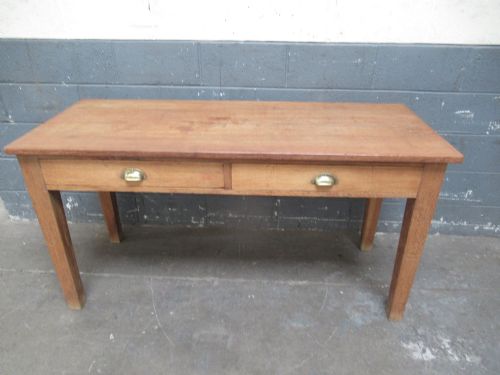
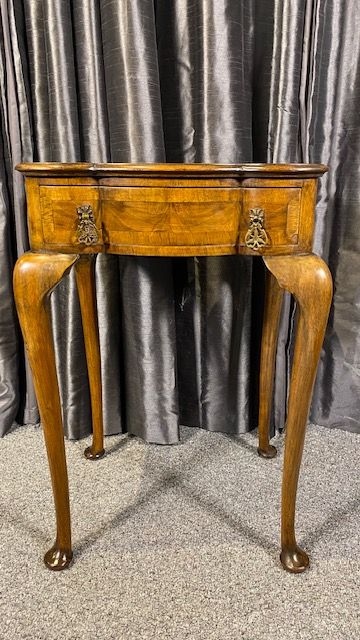
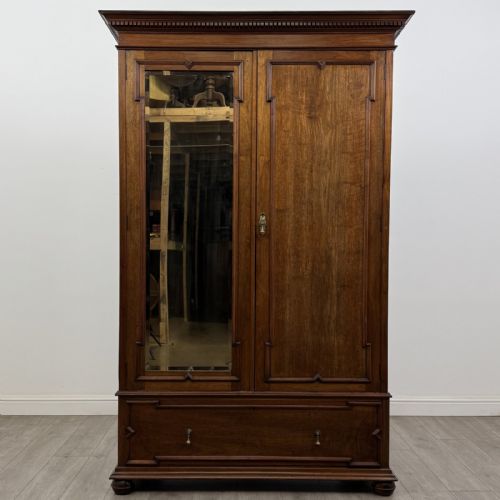
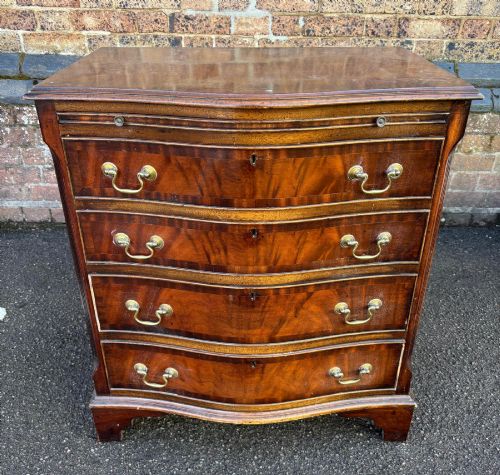
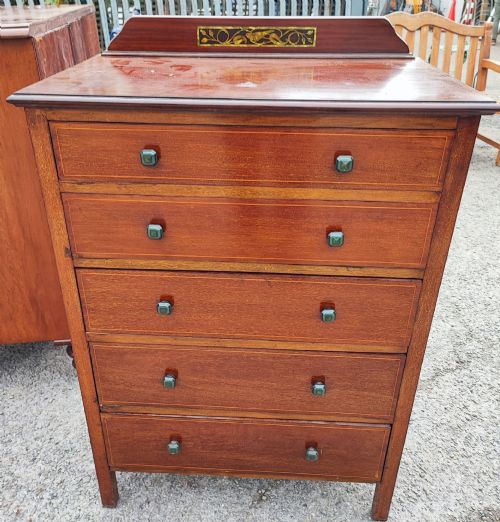
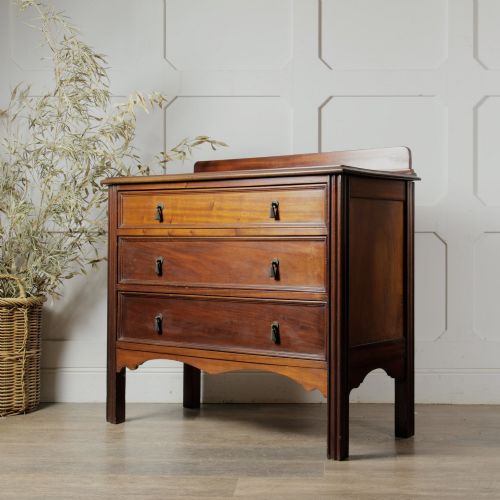
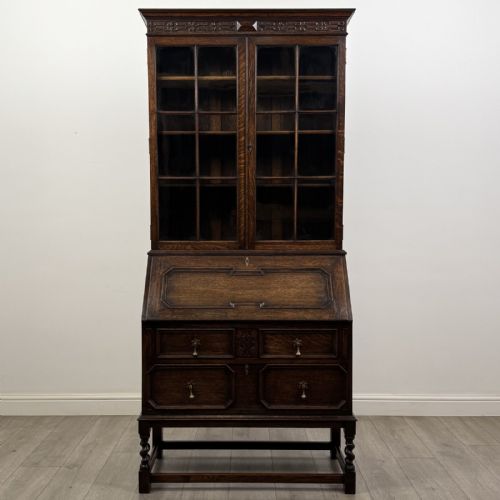
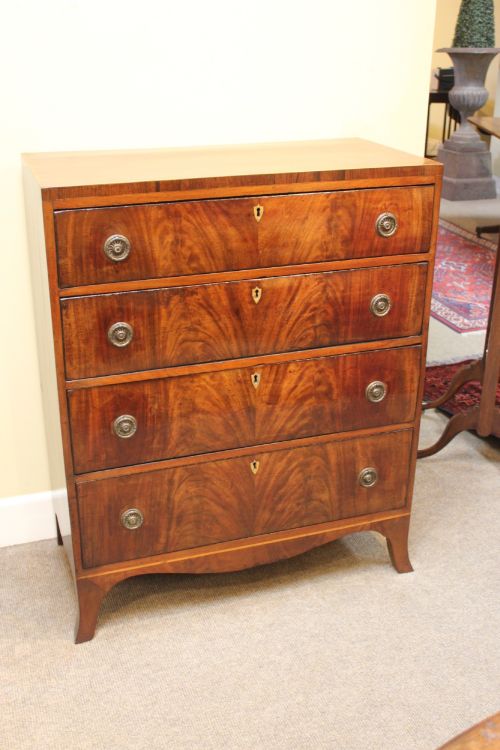
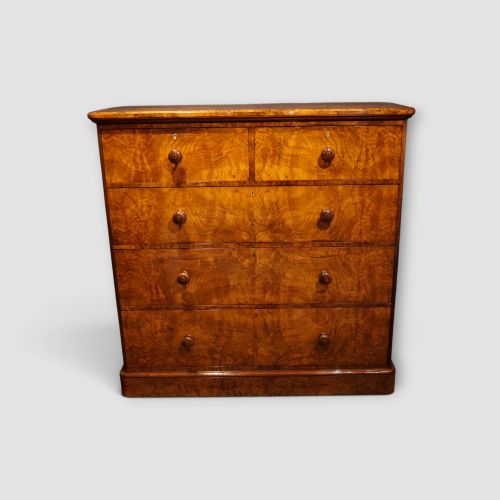
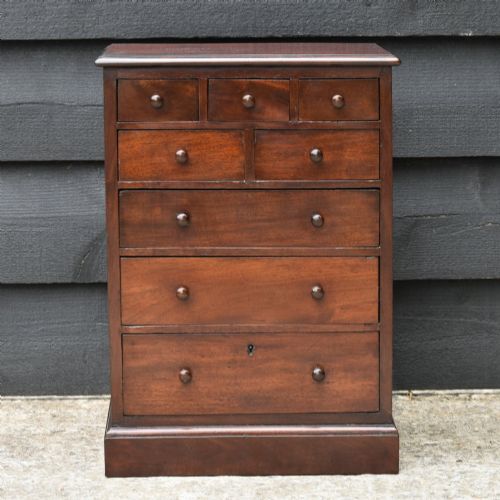
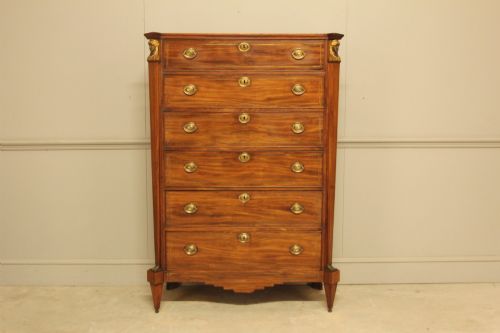
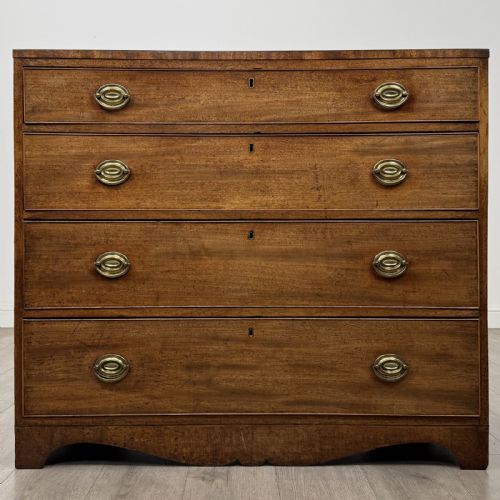
When searching for vintage drawers, buyers encounter a diverse selection of storage furniture spanning several centuries, from Georgian mahogany chests to 1920s oak cabinets and pine plan chests. These pieces originate from various eras including Victorian, Edwardian, and earlier periods, showcasing traditional forms designed for domestic and workspace utility.
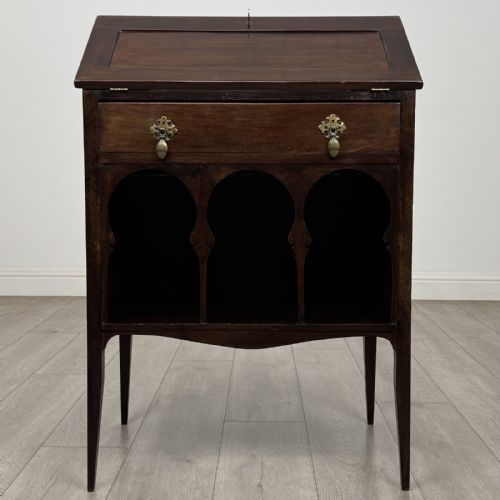
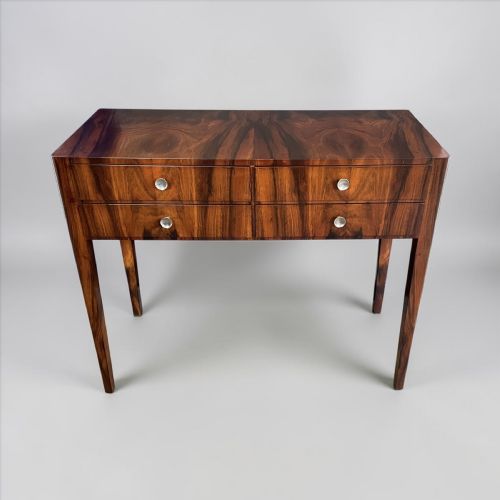
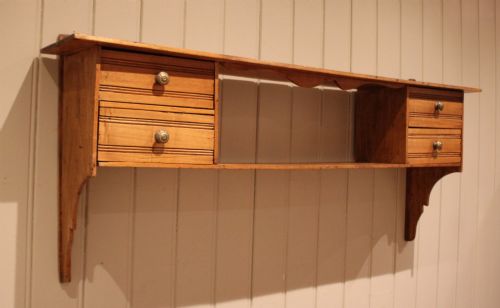
The most common versions met on this page are chests of drawers, side tables, desks, and bedside tables constructed from timbers like mahogany, oak, and walnut. Many incorporate raised galleries, bracket feet, or specialised compartments such as fitted interiors and pull-out slides.
Beyond standard chests, the selection includes specialised forms like military campaign furniture with brass fittings, watch repairer chests, music cabinets, and large sideboards. These utilitarian items demonstrate how storage was tailored to specific trades and household needs across different decades.
How they were made
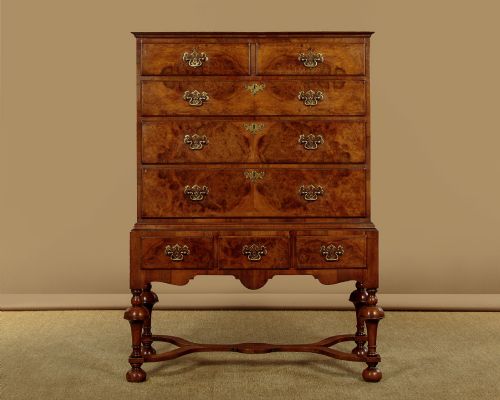
Cabinet makers utilised dense hardwoods such as mahogany, oak, and walnut, often selecting figured veneers like burr walnut to cover primary surfaces. Pine served frequently for secondary internal framing, drawer linings, and large utilitarian pieces like architectural plan chests.
Construction relied on traditional joinery techniques, reinforced by durable metal hardware including brass handles, campaign fittings, and iron elements. Surface finishing combined polishing, paint applications, and intricate wood inlays to enhance the natural grain and colour of the timber.
Vintage Drawers Retail Price Guide 2026
Typical asking prices for vintage drawers among the pieces listed under this phrase on Sellingantiques today, from the lower quarter to the upper quarter. They describe what is for sale here now, not the wider market.
Some nineteenth century watch repairer chests waited decades to hold anything more mechanical than spare house keys.
What varies in quality
The finest pieces display superior timber selection, such as carefully matched burr walnut veneers and solid mahogany grains, paired with precise hand-cut joinery. Lesser examples utilise simpler secondary woods and plainer construction methods that lack the crisp detailing of superior workshops.
Original hardware and fittings elevate a piece significantly, with substantial brass handles and intact period locks distinguishing higher tier items. Structural integrity in the drawer runners and internal framing ensures smooth daily operation, separating utilitarian survivors from refined cabinet work.
W. Walker and Sons London
The Vintage Drawers Glossary
- Bow front
- A convex curved cabinet or drawer front that projects outward at the centre. This decorative shape gained popularity during the Georgian and Regency periods.
- Raised gallery
- A low decorative railing or raised edge positioned along the top rear and sides of a cabinet or table. It prevents small items from rolling off the surface.
- Campaign furniture
- Portable folding or modular furniture constructed for military officers on active service. These pieces typically feature brass corner braces and recessed flush handles for transport.
- Bracket feet
- A simple foot shape formed by two pieces of wood mitred together in the corner, resembling a architectural bracket. They support chests of drawers and cabinets from the Georgian era onward.
- Pull-out slide
- A horizontal wooden board that pulls out from beneath the top surface of a desk or chest. It provides an extra working surface or writing ledge.
Vintage Drawers: Frequently Asked Questions
What periods do these vintage drawers come from?
The selection includes pieces spanning from the seventeenth century through the Georgian, Victorian, and Edwardian eras up to the 1920s.
Each period brings distinct timber choices, construction methods, and stylistic details that reflect the prevailing design standards of its time.
How do I identify a Georgian chest of drawers?
Georgian chests typically feature solid proportions, dense timber such as mahogany or walnut, and traditional joinery like hand-cut dovetails. They frequently rest on bracket feet and may display decorative elements like bow fronts or brass pulls.
Later Victorian and Edwardian examples often introduce lighter woods, inlaid details, or raised galleries depending on the specific stylistic revival of the decade.
Were these pieces used for storage?
Many items served specific domestic and professional functions, from storing clothing in bedrooms to housing documents in home office desks and architectural practices. Specialised pieces like music cabinets and watch repairer chests catered to particular hobbies and trades.
Their robust construction allowed them to withstand heavy daily use across generations of households and workplaces.
How do I care for antique timber furniture?
Keep wooden surfaces away from direct sunlight and extreme temperature fluctuations to prevent timber from drying out or splitting. Regular dusting with a soft, dry cloth helps maintain the finish without damaging the antique polish.
Applying a suitable wax polish occasionally nourishes the wood and preserves its natural lustre over years of use.