


Vintage Document Storage Box
A vintage document storage box keeps papers and keepsakes safely enclosed, bringing period timber and leather to a desk or shelf.
Vintage Document Storage Box
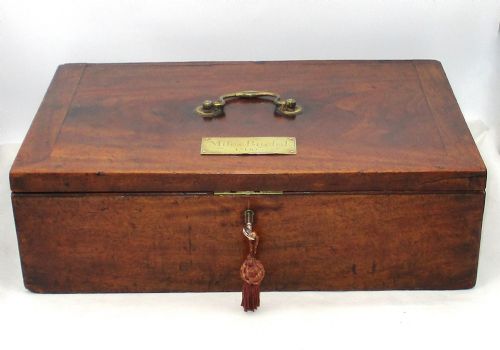
A vintage document storage box encompasses practical deed boxes, deed chests, and correspondence cases designed to protect important papers. These pieces span centuries from the late 17th century through the Victorian era and into the 20th century, reflecting shifting administrative needs.
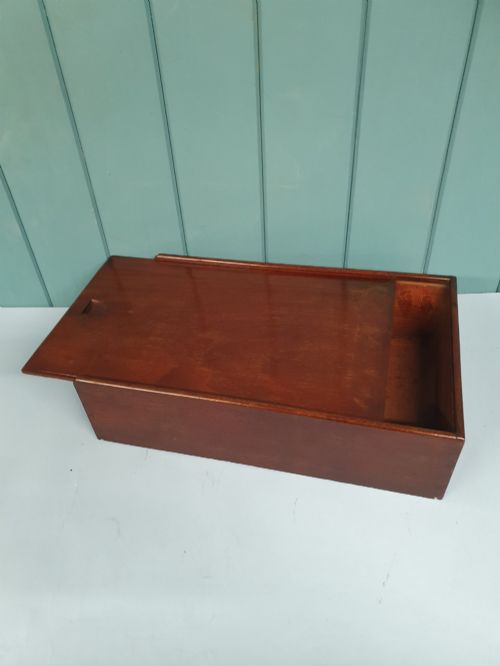
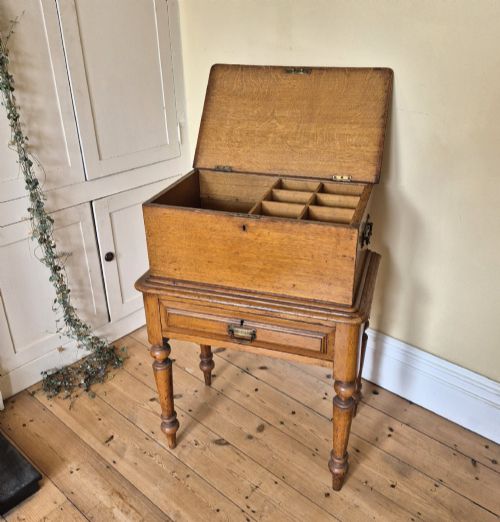
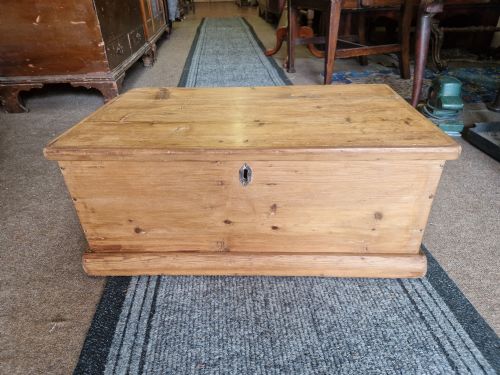
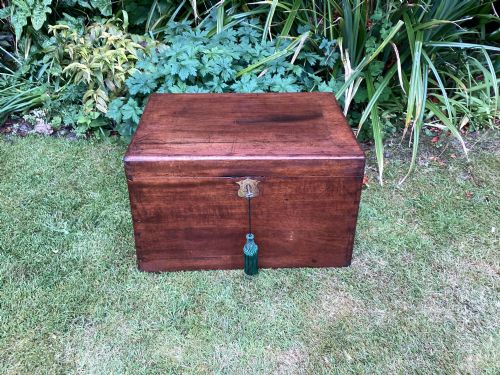
Mahogany and oak dominate the formal examples, often seen in Georgian and Regency forms with brass banding or sliding lids. Pine and elm appear in utilitarian strongboxes and rustic Scandinavian folk art pieces.
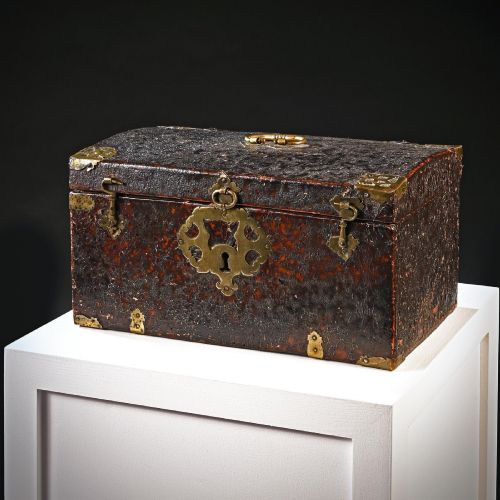
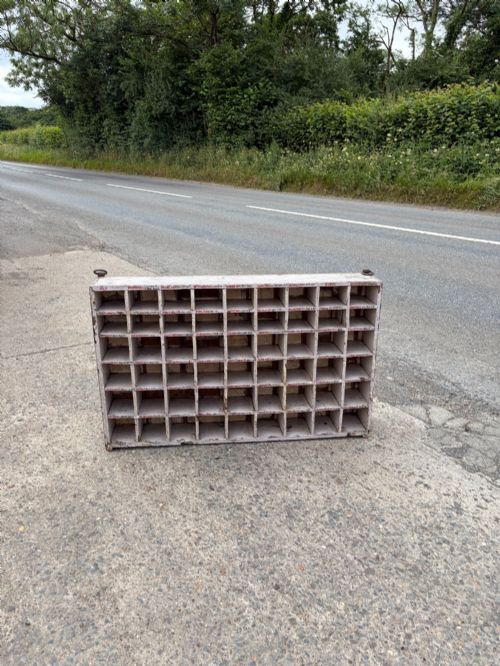
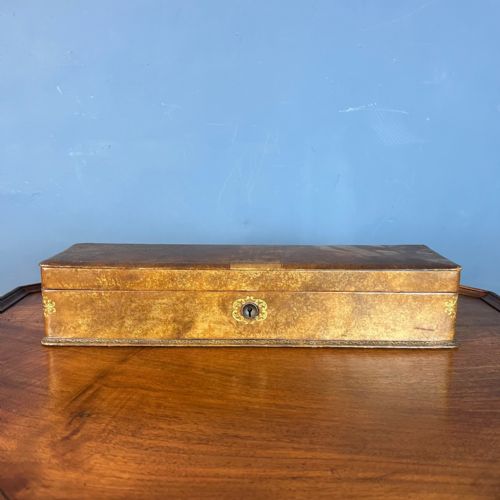
Specialised variants include tooled leather caskets, iron-bound strongboxes, and compartmentalised pigeon holes or filing cabinets. Buyers frequently encounter Victorian mahogany deed boxes and Edwardian toleware solicitor tins across these listings.
Materials and construction methods
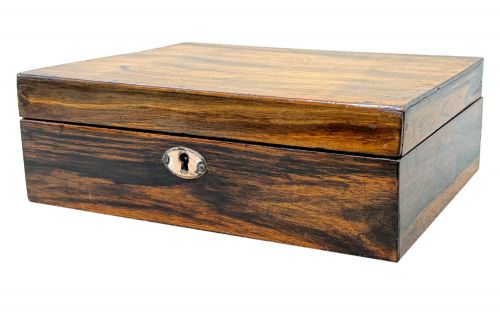
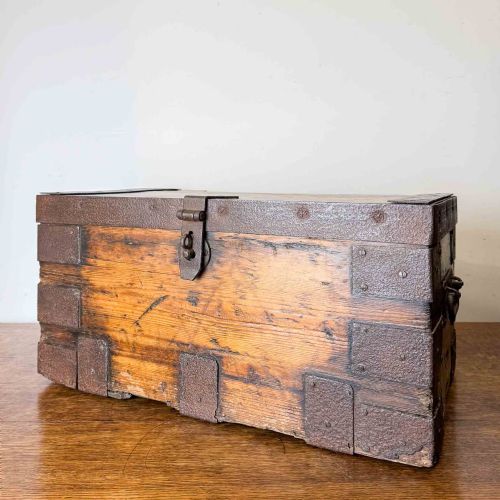
Cabinetmakers constructed these boxes using dense hardwoods like mahogany, walnut, and rosewood, frequently employing dovetail joints for durability. Pine and oak served for robust strongboxes, sometimes reinforced with iron bands and corner plates.
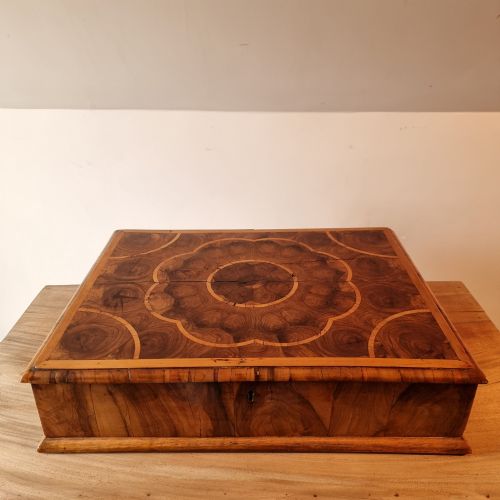
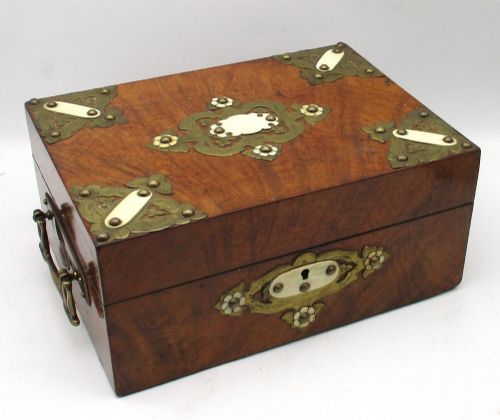
Surface decoration included tooled leather, marquetry inlay, hand-painted folk art motifs, and Tunbridge Ware mosaic work. Brass mounts, carrying handles, and locks added both functional security and decorative contrast to the timber bodies.
Periods represented span from the 17th century through the Georgian, Regency, and Victorian eras into the 20th century.
Evaluating craftsmanship and condition
The standard of timber selection and joinery marks the difference between utilitarian office equipment and fine cabinetwork. Finely figured mahogany, complex marquetry inlay, and integrated secret drawers elevate a piece beyond standard storage.
Original working locks with matching keys, intact interior linings, and well-preserved brass hardware contribute significantly to a box's integrity. Surface patination achieved through age and handling distinguishes authentic wear from modern alteration.
The Vintage Document Storage Box Glossary
- Deed box
- A secure container specifically sized for legal documents, land indentures, and titles. These typically feature robust timber or metal construction with a fitted lock.
- Sliding lid
- A cover that moves along horizontal grooves to open rather than lifting on hinges. This mechanism appears frequently on 18th-century deed and document boxes.
- Toleware
- Lacquered or enamelled metalware used for utilitarian office items such as solicitor storage tins. It provides durable protection against dampness and fire.
- Strongbox
- A heavy-duty chest reinforced with iron straps or made entirely of metal to secure valuables and cash. They often include internal locking compartments.
- Writing slope
- A portable slant-topped desk that opens to reveal storage for paper, ink, and correspondence. Many incorporate secret compartments beneath the writing surface.
Vintage Document Storage Box: Frequently Asked Questions
What fits inside a vintage document storage box?
These boxes accommodate modern stationery, letters, photographs, and certificates while keeping desks tidy. Their internal dimensions vary according to whether they were built for legal indentures or personal correspondence.
Larger deed chests and trunks hold bulkier collections of papers, whereas smaller boxes suit trinkets and pens.
How do I clean a leather document box?
Dust the surface gently with a soft, dry cloth to remove loose particles. Avoid using household cleaning sprays or excessive water on antique leather.
Apply a microcrystalline wax or specialist leather balm sparingly if the hide appears dry, buffing it gently afterwards.
Are these boxes secure for everyday use?
Many retain their original locks, though original keys are sometimes missing or mechanisms require professional adjustment. They function adequately for domestic storage and display.
Treat historical locks with care, as forcing a delicate Victorian or Georgian mechanism can damage the internal levers.
How do I date a wooden document box?
Examine the construction joints, timber species, and hardware style for period indicators. Dovetails on older boxes tend to be hand-cut and irregular compared to later machine-made joints.
Styles such as Regency brass inlay or William and Mary lacquering provide clear chronological markers for attribution.