



Vintage Dividers
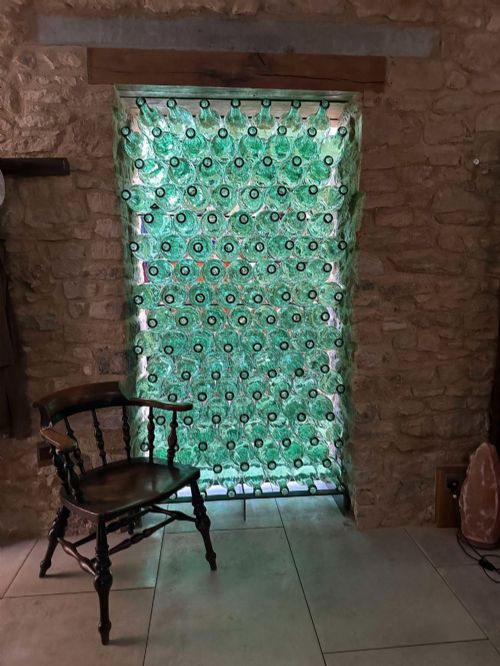
Vintage dividers divide a room with painted panels or carved wood, bringing flexible partitioning and historic character to an interior.
Vintage Dividers
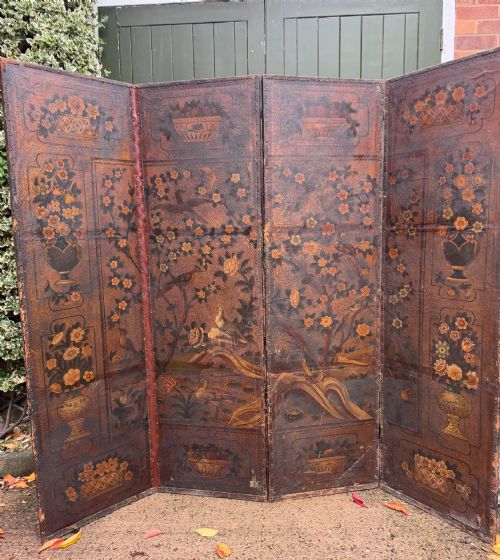
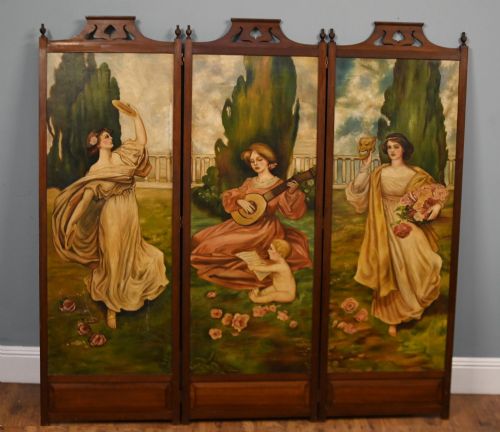
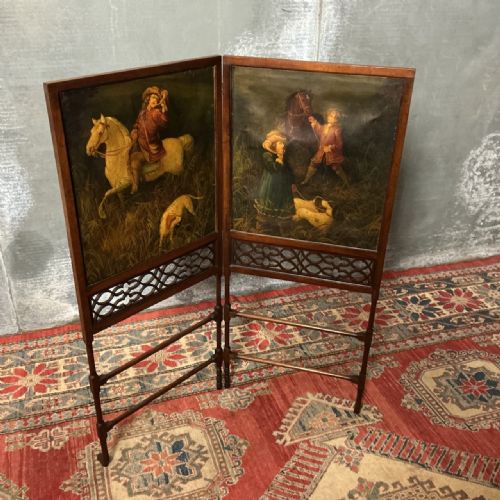
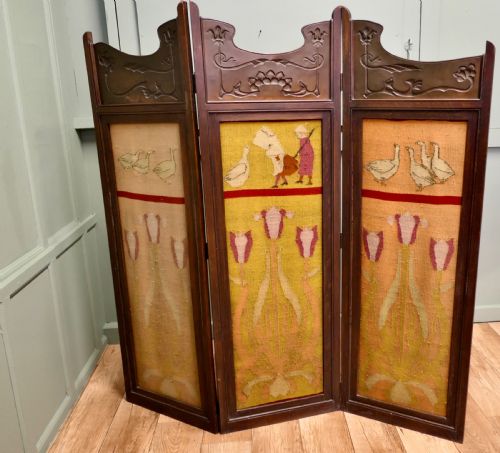
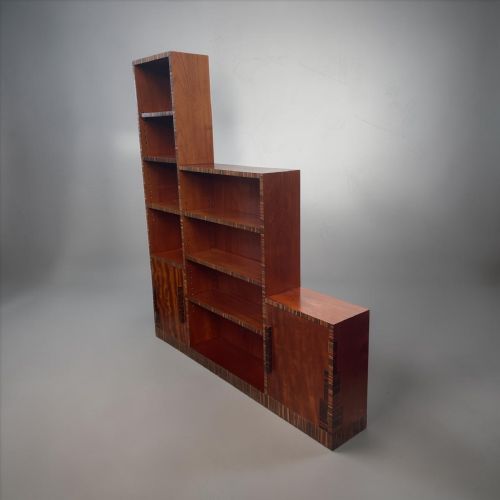
Vintage dividers encompass folding screens, room dividers, privacy screens, modesty screens, fire screens, and table screens designed to separate spaces or manage light. These pieces appear across multiple styles, including Victorian, Edwardian, Chinoiserie, Art Nouveau, and Art Deco.
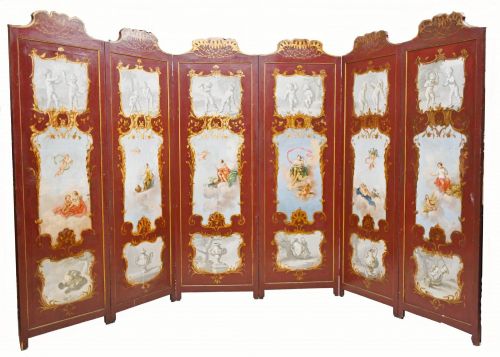
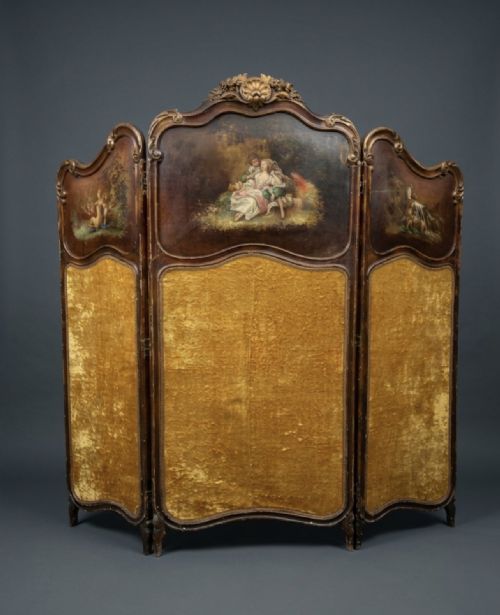
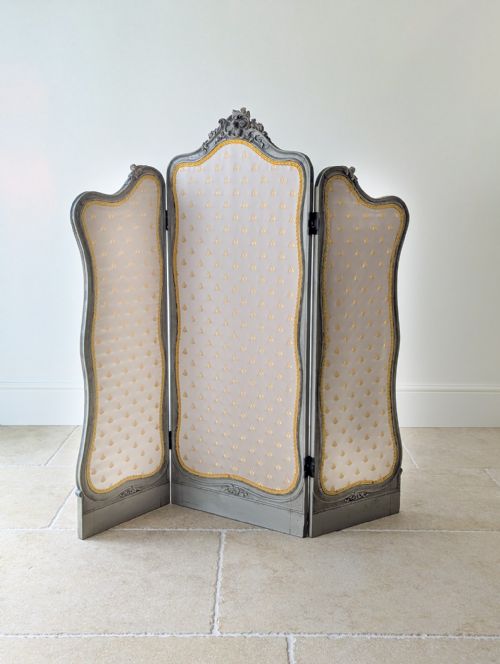
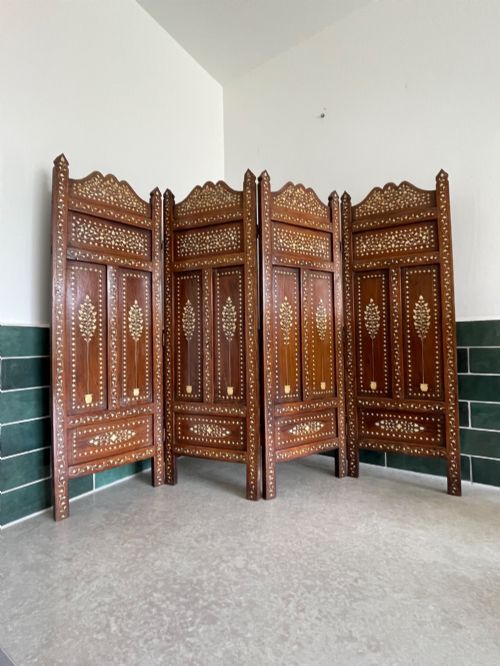
The folding screen represents the primary form encountered, constructed with multiple hinged panels that stretch across a room or fold flat when not in use. These screens surface in configurations ranging from three folds up to eight folds.
Materials span from hardwoods like mahogany, walnut, oak, rosewood, padauk, and bamboo to softer woods carrying painted, lacquered, or gilded finishes. Panels incorporate glass, fabric, needlepoint, wool, leather, oil paintings, and hardstone mounts.
What varies in quality
The integrity of the structural joinery and the weight of the timber distinguish finer examples from standard production, as heavy hardwood frames maintain stability across multiple folding panels. Superior pieces exhibit precise hinge placement and solid framing that supports heavy glass, carved wood, or thick leather panels without sagging.
Artistic execution on the panels determines the upper tier of the range, separating hand-painted leather, detailed hardstone mounts, and intricate dragon carvings from simpler fabric or plain wood inserts. The depth of carving and the preservation of original lacquer or gilding reflect the primary maker investment.
Vintage Dividers Retail Price Guide 2026
Typical asking prices for vintage dividers among the pieces listed under this phrase on Sellingantiques today, from the lower quarter to the upper quarter. They describe what is for sale here now, not the wider market.
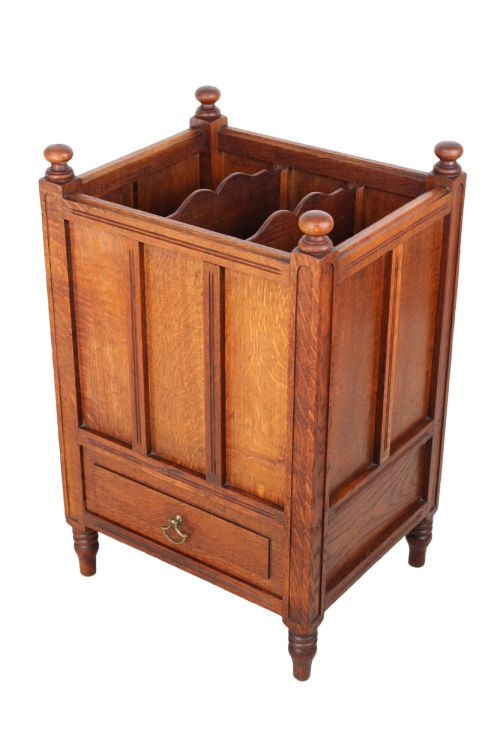
The documented objects range from four-fold privacy screens and fire screens to dressing screens and canterburys.
The Vintage Dividers Glossary
- Canterbury
- A low wooden stand fitted with upright divisions, originally designed to hold sheet music and folios. These pieces often feature mahogany, burr walnut, or bamboo construction with caster wheels.
- Chinoiserie
- European decorative style inspired by Chinese artistic traditions, characterised by lacquered surfaces, painted motifs, and gilded landscapes. This aesthetic appears frequently on multi-panel folding screens.
- Modesty screen
- A low folding screen utilised in period interiors to shield occupants from draughts or direct heat from fireplaces. These versions often incorporate glass or painted panels.
- Padauk
- A dense tropical hardwood prized for its deep reddish colour and durability, utilised in carved screens. It provides a sturdy structural base for intricate fretwork.
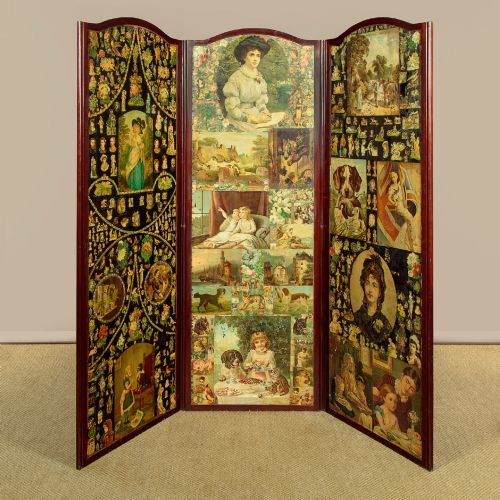
- Scrap work
- A decorative technique involving the application of numerous printed paper cut-outs onto a surface, later sealed with varnish. Screens utilising this method display dense collages of Victorian imagery.
Vintage Dividers: Frequently Asked Questions
How do I place a folding screen in a modern room?
Position a multi-panel folding screen against an empty wall as a backdrop, or angle the panels to carve out a quiet reading nook within an open living space.
The hinged design allows you to adjust the width and configuration to suit the proportions of the room.
What is the difference between a dressing screen and a room divider?
Dressing screens traditionally functioned in bedrooms to provide privacy while changing attire, often featuring lighter frames and fabric or painted panels.
Room dividers generally span larger dimensions with heavy wood or lacquered panels intended to partition entire living areas.
How do I care for antique lacquered screens?
Dust lacquered and painted wooden surfaces regularly with a soft, dry cloth to prevent the accumulation of abrasive particles.
Keep the panels away from direct sunlight and steady heat sources to protect the delicate finishes and prevent the timber from warping.
Are these screens stable on hard flooring?
Multi-panel folding screens achieve stability by angling the individual panels slightly rather than stretching them completely flat.
Heavier hardwood frames provide additional weight that keeps the structure upright on timber or stone floors.