


Vintage Diamond Halo Necklace
A vintage diamond halo necklace brings together central gemstones and surrounding stones across Edwardian, Art Deco and mid-century designs.
Vintage Diamond Halo Necklace
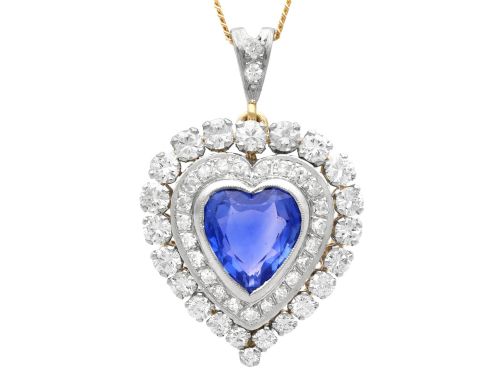
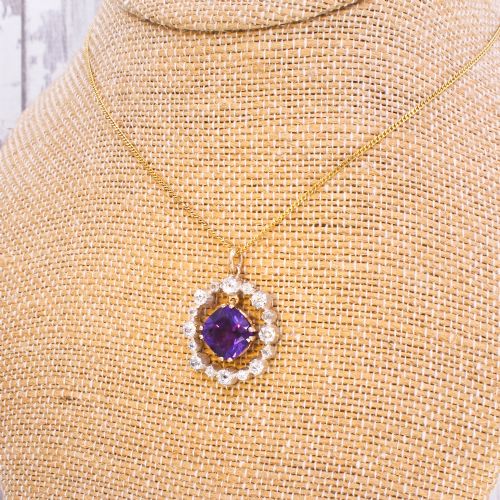
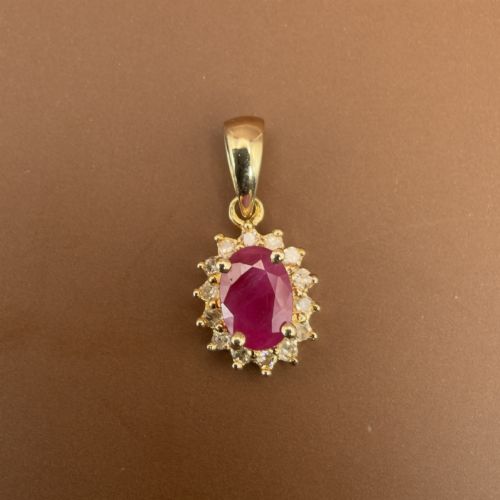
A vintage diamond halo necklace positions a central stone surrounded by smaller accent diamonds to create a focused cluster effect. When exploring this selection, buyers frequently encounter pendant necklaces and clusters featuring coloured centre stones alongside traditional diamond configurations.
The pieces span various decades including Victorian, Edwardian, Art Deco, and mid-century periods. Forms range from simple cluster pendants to elaborate drop designs incorporating pearls, amethysts, rubies, and sapphires.
Makers and designers from different eras utilise distinct geometric and organic motifs. Traditional and classic fine jewellery styles appear alongside specific regional designs such as mid-century French pieces.
How they were made
Materials recorded in these pieces include platinum, yellow gold in various carat weights, and silver alongside precious and semi-precious gems. Central stones such as emeralds, aquamarines, and opals are paired with old cut diamonds.
Craftsmen of the period employed traditional setting techniques to secure clusters of smaller stones around larger focal gems. Metalwork varies from the bright white finish of platinum to the warmer tones of yellow gold.
Period styles range from classic Edwardian filigree and Art Deco geometry to mid-century French creations.
What varies in quality
The standard of a halo necklace depends heavily on the integration of the central stone with the surrounding diamond border. Proportions between the focal gem and the accent stones dictate the visual balance of the piece.
Finishing work on the metal mounts and the matching of stone sizes reflect the overall standard of manufacture. Pieces from established makers often display superior precision in stone setting and structural longevity.
Chaumet
The Vintage Diamond Halo Necklace Glossary
- Halo
- A setting style where a central gemstone is completely encircled by a ring of smaller accent stones, typically diamonds. This arrangement enhances the perceived size and brilliance of the focal gem.
- Cluster
- A grouping of multiple gemstones set closely together to form a single visual unit, frequently seen in pendant necklaces. This configuration maximises light reflection from smaller stones.
- Carat
- The unit of weight used for measuring gemstones and pearls. In these listings, carat figures denote the mass of diamonds and major coloured stones.
- Platinum
- A dense, durable, and naturally white precious metal frequently utilised in Edwardian and Art Deco jewellery settings. Its strength allows for delicate claw and bezel work.
Vintage Diamond Halo Necklace: Frequently Asked Questions
How do I date a vintage necklace?
Dating relies on material choices, stone cuts, and stylistic markers characteristic of specific decades. Edwardian and Art Deco pieces display distinct geometric or delicate filigree traits.
Assay marks and gold carat standards also provide clues regarding the manufacturing era of the jewellery.
Are these pieces made of platinum?
Platinum is recorded in several listings, particularly among Art Deco and early twentieth-century designs. It offers a strong white metal base for securing old cut diamonds.
Other items utilise various grades of yellow gold, including nine carat and fourteen carat variations.
What stones are used besides diamonds?
Central gems include amethyst, aquamarine, emerald, ruby, sapphire, opal, zircon, topaz, and pearls. These coloured stones form the focal point within the diamond cluster.
Carved elements such as tourmaline or onyx animal heads also appear in specific mid-century designs.