


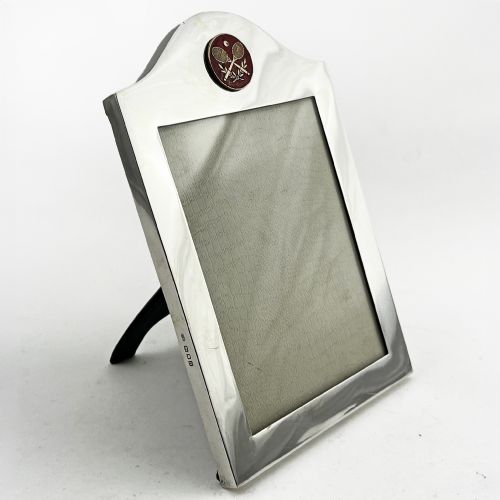


Vintage Desktop Frame
These vintage desktop frames are tactile desk accessories in sterling silver, brass and wood, offering a handsome display for personal portraits and keepsakes.
Vintage Desktop Frame
A vintage desktop frame spans compact tabletop photograph holders, dressing table mirrors, pocket watch stands and perpetual calendars from the late nineteenth century through the Art Deco era.
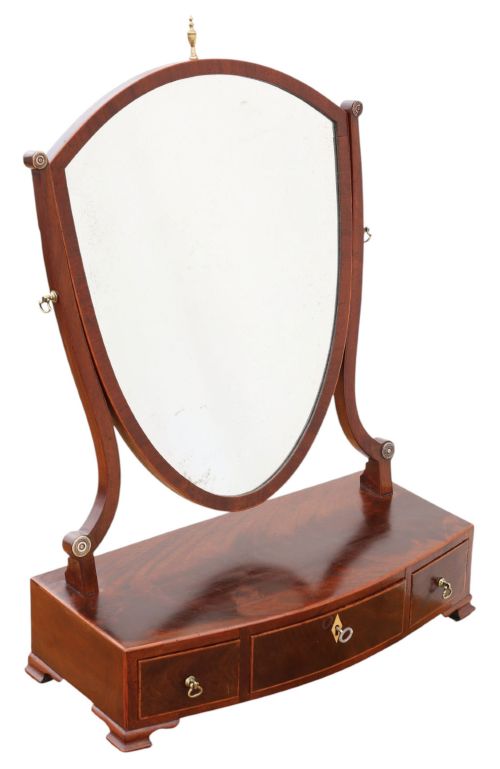
The selections on this page draw from Victorian, Edwardian and Art Deco periods, alongside Italian silverwork and Georgian mahogany dressing table swing mirrors.
Buyers meet sturdy sterling silver photograph frames, brass table mirrors, velvet-backed easel stands and chrome-framed glass pieces designed to stand upright on a bureau or desk.
Materials and construction methods
Metals form the core of these pieces, utilising solid sterling silver, silver plate, ormolu, brass and chrome alongside carved woods such as mahogany, walnut and oak.
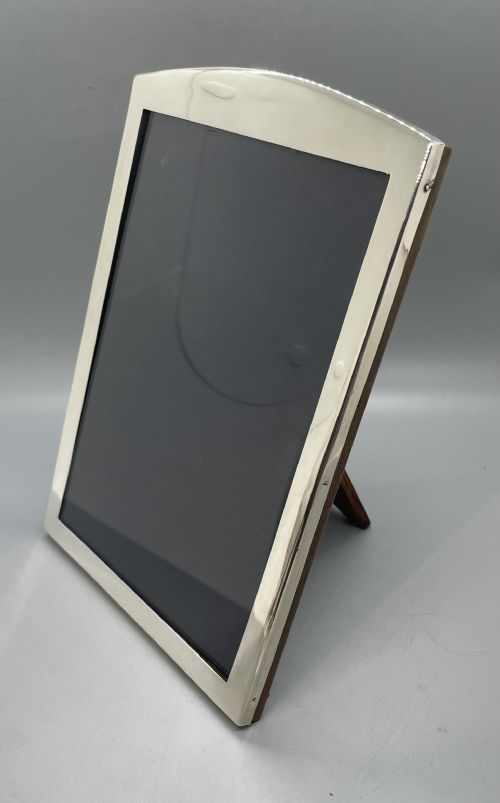
Makers integrated structural glass viewing panels with fitted wooden or velvet easel backs to support the frames on flat surfaces.
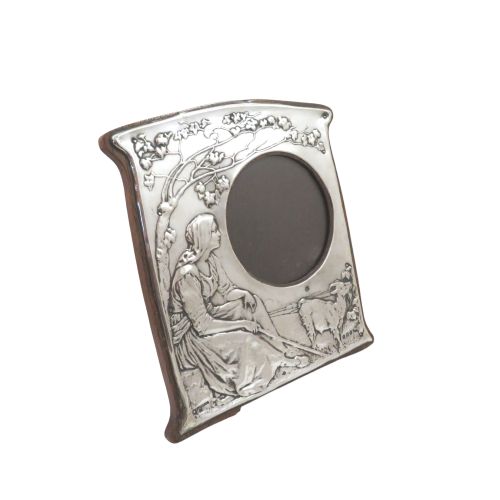
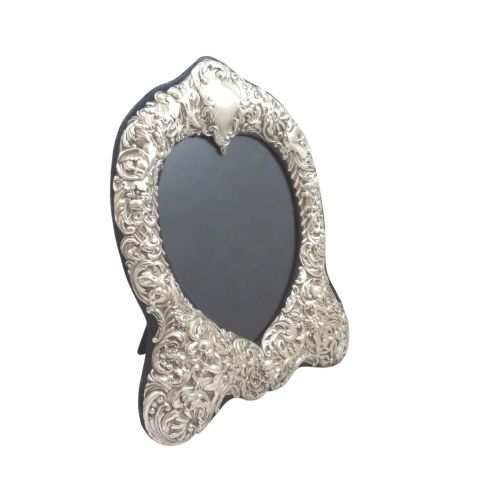
Silversmiths and metalworkers applied repoussé motifs, engraved borders and cast decorative elements like hearts, floral garlands and figural scenes.
Materials across the listings include sterling silver, brass, chrome, glass, velvet, mahogany, walnut, oak and giltwood.
Distinctions in quality and execution
Quality rests on the weight of the metal and the crispness of the hand-chased detailing, separating heavy cast silver or solid bronze from thin plated metals.
Superior examples retain their original bevelled glass panes, secure structural pins and intact backings of velvet or polished wood rather than modern replacements.
Design distinction elevates certain pieces, such as those featuring figural subjects like the girl with a goat or specialised sporting themes.
Pinci Roma·Hardy Brothers·R Pernice
The Vintage Desktop Frame Glossary
- Ormolu
- A gilded bronze technique applied to decorative metalwork and frames during the nineteenth century. It provides a rich golden surface that resists tarnishing.
- Repoussé
- A metalworking technique where the artisan hammers the design from the reverse side to form raised ornamentation on the front. This creates deep sculptural relief on silver and brass frames.
- Easel back
- A hinged supporting strut attached to the reverse of a frame to allow vertical display on a desktop. It is commonly covered in silk velvet or leather.
- Hallmark
- An official stamp applied to precious metals indicating the assay office, metal purity and year of manufacture. British sterling silver pieces frequently display these marks.
- Bevelled glass
- Glass panes featuring an angled, polished edge that catches the light. It adds depth and a refined finish to antique picture frames.
Vintage Desktop Frame: Frequently Asked Questions
What periods do these frames cover?
The listings span from the late nineteenth century through the Edwardian period and into the Art Deco era of the 1920s and 1930s.
You will find examples carrying Victorian styling, Georgian revival forms and mid-twentieth-century Italian craftsmanship.
How were desk frames originally used?
These pieces sat upon writing desks, bureaus and dressing tables to hold family photographs, miniature portraits or pocket watches.
Some incorporated perpetual calendars or served as dual-purpose mirrors and trinket holders for daily personal use.
How do I identify silver hallmarks?
British silver pieces bear stamped hallmarks indicating the town assay office, such as Birmingham or Chester, alongside the lion passant for sterling quality.
Date letters within the stamps help narrow down the exact year of manufacture for pieces from the Victorian and Edwardian periods.
What materials are common on these desks?
Sterling silver, brass and ormolu dominate the metalwork, often paired with structural glass and hardwood supports like mahogany or carved oak.
Backings typically utilise plush velvet, leather or polished wood fitted with hinged easel stands.