
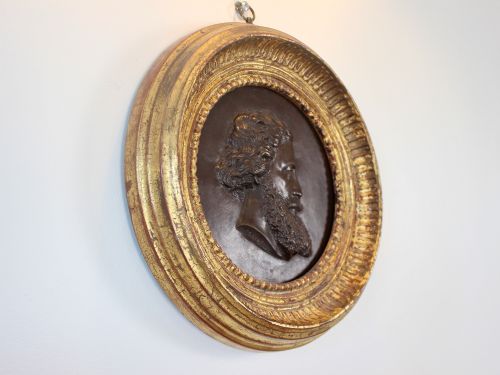


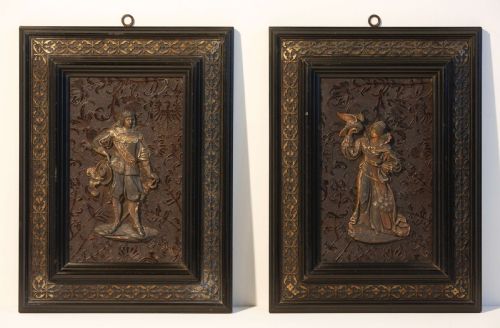


Metal Portrait Frame
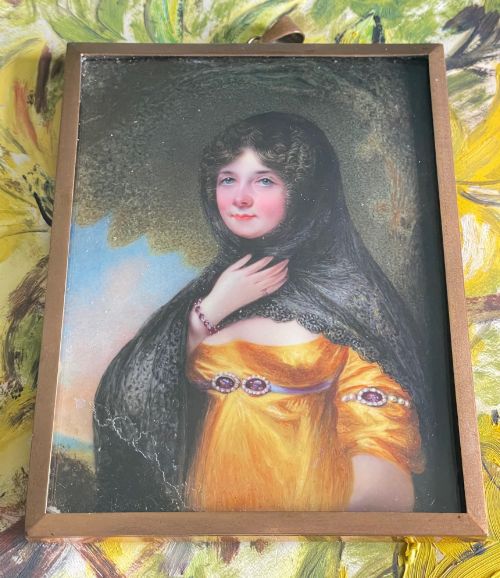
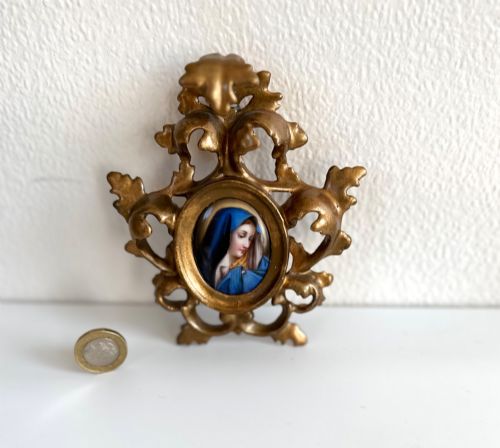
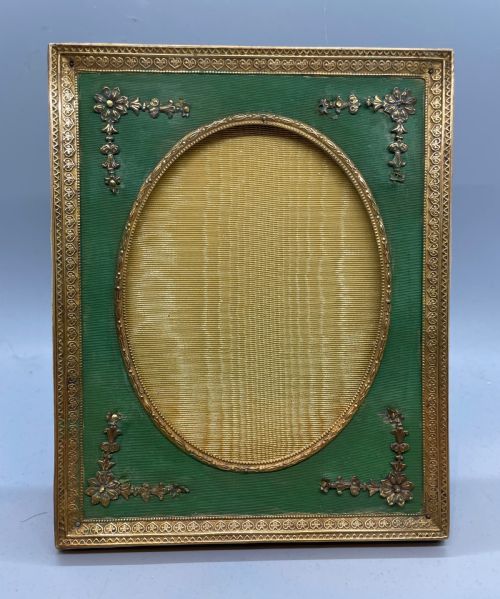
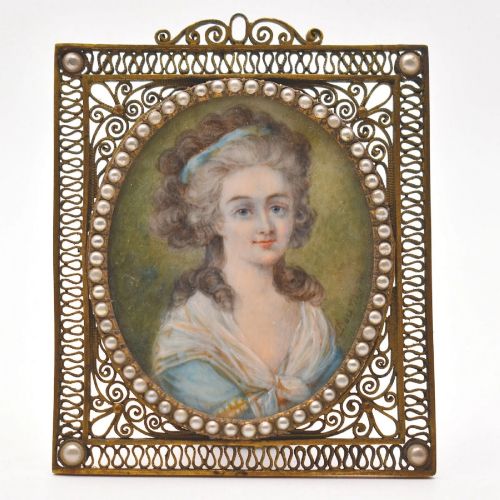
A metal portrait frame holds a likeness close, bringing brass, bronze and gilt metalwork together with miniature paintings and photographs.
Metal Portrait Frame
When you search for a metal portrait frame, you encounter a mix of domestic display pieces and miniature artworks housed in metallic mountings. The selection spans structural photo frames designed for desks and walls alongside integrated frames surrounding painted portraits on ivory, paper or tin.
Victorian and Edwardian examples sit alongside French ormolu designs and crisp Art Deco modernist creations in nickel-plated silver and chrome. These objects vary from simple cast brass borders to elaborate architectural surrounds set with paste stones and seed pearls.
Materials and construction
The physical build relies on cast and chased metals such as brass, bronze, ormolu and gilded compositions paired with glass to protect the imagery. Wood, paper and watercolour support the internal portraits, while metal embellishments and stands provide structural integrity.
Makers utilised techniques like metal plating, casting and delicate relief work to shape the borders. The integration of glass panels and hinged backs allowed users to insert and preserve delicate watercolours, oils and photographs securely.
Listings feature frames and miniatures spanning the eighteenth, nineteenth and twentieth centuries, utilising brass, bronze, silver and wood.
Judging the work
Quality rests upon the crispness of the metal casting and the depth of the chasing work on borders and stands. Finer examples display meticulous hand-finishing, well-fitted glass and robust backing mechanisms rather than flat, mass-produced stamping.
The standard of the internal portrait or photograph also dictates the standing of the piece. Painted miniatures signed by named artists or executed with fine brushwork elevate the entire object far beyond ordinary domestic frames.
Horace Hone·Dumont·MAINFROY·William Naish·Susie Lassam·Emma Kendrick·Henry Jacob Burch·Moseley·Diana Hill
The Metal Portrait Frame Glossary
- Ormolu
- A gilded bronze technique used extensively in French decorative arts and frames. It provides a rich, warm metallic finish that resists tarnishing over decades.
- Portrait miniature
- A small-scale painting executed on media such as paper, vellum or ivory. These works demand extreme precision and are frequently housed within protective metal frames.
- Gilt metal
- Base metal treated with a thin layer of gold or gold-coloured wash. It mimics solid gold while offering a sturdy structure for display objects.
- Paste stone
- Faceted glass cut to resemble precious gemstones and set into metal frames. These stones add decorative sparkle to Victorian and Edwardian pieces.
- Roundel
- A circular panel or frame often cast in metal or turned in wood. They house commemorative plaques and profile portraits.
Metal Portrait Frame: Frequently Asked Questions
How do I clean a metal portrait frame?
Dust the metal gently with a soft dry brush to remove surface particles. Avoid aggressive polishes that might strip gilding or damage vulnerable painted surfaces.
Keep moisture away from paper inserts and miniature paintings housed inside. Professional care is advisable for antique gilt or ormolu finishes.
Can I replace the photograph inside?
Many frames feature original backing boards and fragile retention pins that require delicate handling. Opening older mounts risks disturbing the glass and historical contents.
Evaluate the backing mechanism carefully before attempting any alterations to ensure you do not damage the structure.
How do I date a metal portrait frame?
Examine the fastening methods, hinge construction and the style of the metalwork. Art Deco pieces show geometric chrome forms, while Victorian examples lean towards heavy brass and ornate casting.
Signatures, stamps and the accompanying portrait style offer further clues to the period of origin.
Where were these frames displayed?
These items sat upon writing desks, mantelpieces and drawing-room tables during the nineteenth and early twentieth centuries. Smaller easel-back versions suited intimate bedside placement.
Wall plaques and hanging frames offered a way to display ancestral portraits and commemorative roundels in public rooms.