




Standing Portrait Frame
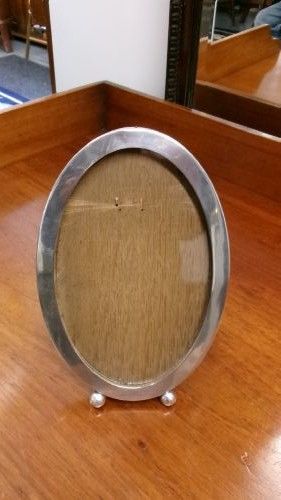
A standing portrait frame holds likenesses upright on a desk or mantelpiece, combining protective glazing with decorative metal or wood.
Standing Portrait Frame
A standing portrait frame is designed to display photographs, paintings, and silhouettes vertically with the support of an easel back or structural stand. When exploring a standing portrait frame, a buyer encounters domestic desk and table accessories originating from periods such as the Victorian, Edwardian, and Art Deco eras.
The objects span diverse materials, including sterling silver, brass, wood, and gilded bronze, often housing oil paintings, portrait miniatures, or photographic prints. Most examples on this page date from the late nineteenth and early twentieth centuries, reflecting the popularisation of personal photography and domestic portraiture.
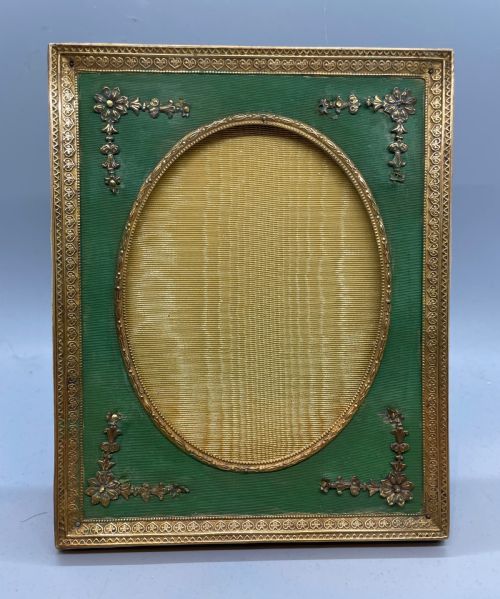
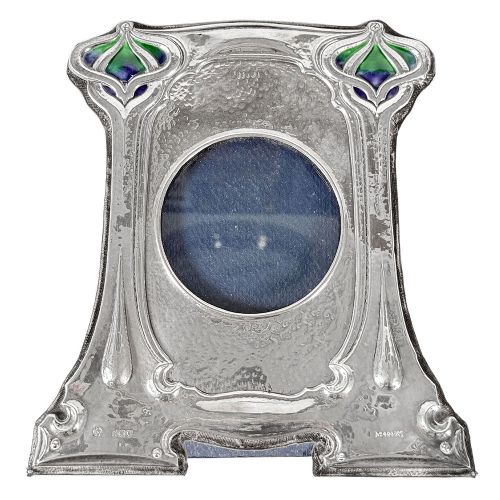
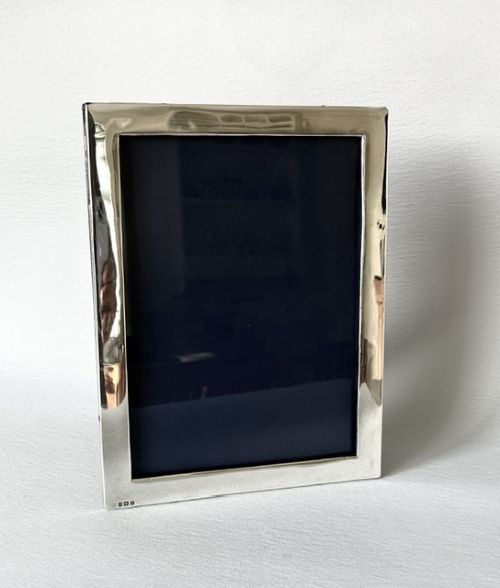
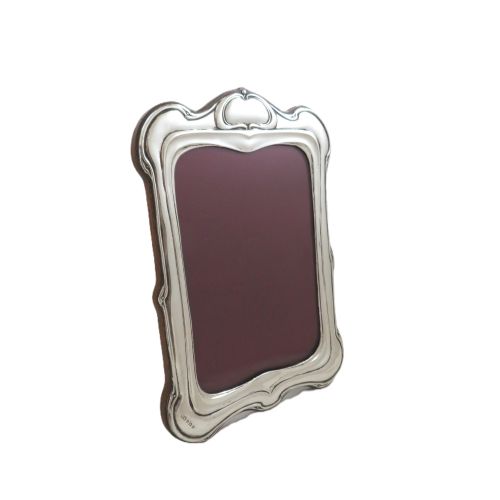
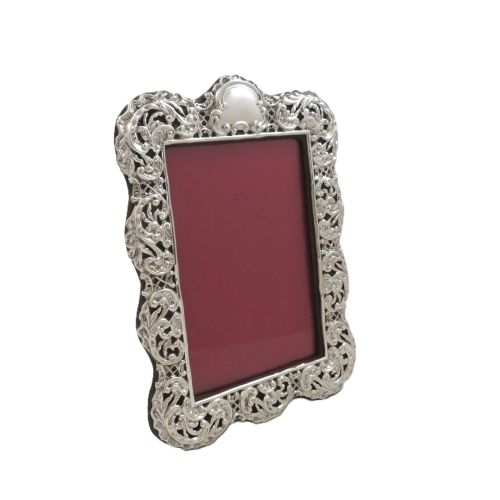
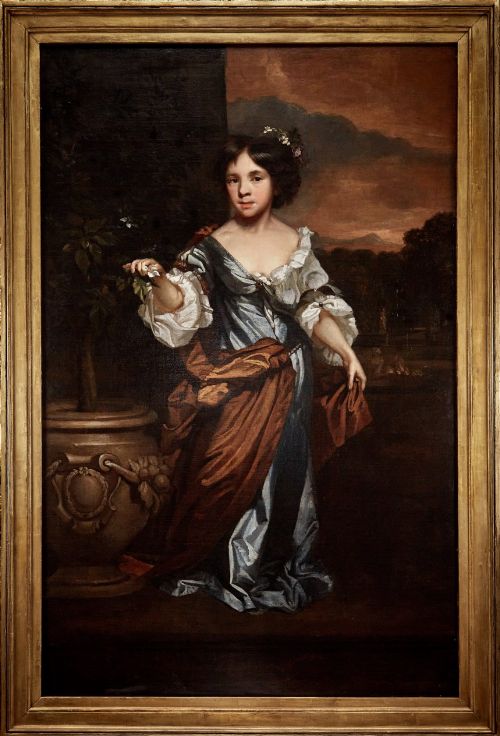
Forms range from simple plain silver borders to elaborate embossed floral motifs, geometric Art Nouveau designs, and architectural Art Deco profiles. Certain pieces double as miniature furniture or display boxes, while others frame original seventeenth and nineteenth-century canvas paintings.
Materials and construction methods
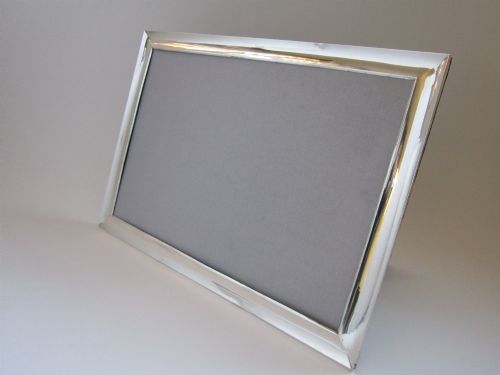
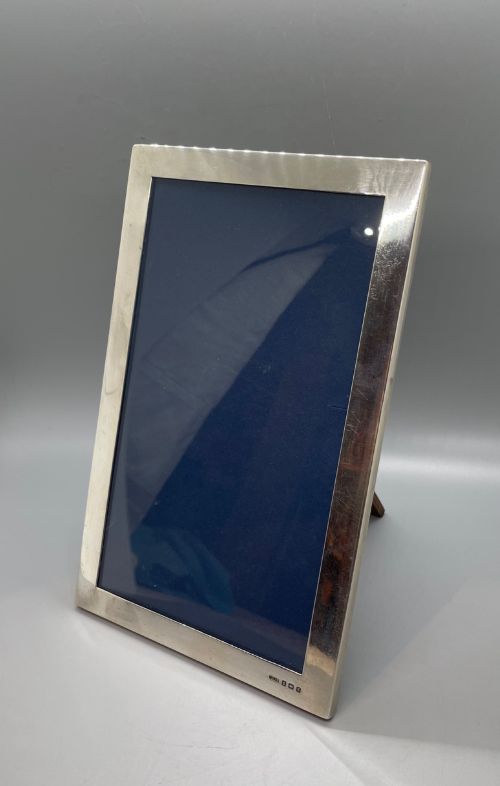
Metals form the structural housing for the majority of these pieces, utilising sterling silver, ormolu, brass, and nickel-plated silver shaped by stamping, casting, or engine-turning. Silversmiths applied embossed decoration, floral borders, and enamel work to sheet metal before mounting the facades onto wooden backs.
Makers integrated protective glass panes over fabric or velvet linings to preserve paper photographs and delicate miniatures held within the inner aperture. Easel stands and hinged struts were engineered into the reverse to allow the frames to remain stable on horizontal surfaces.
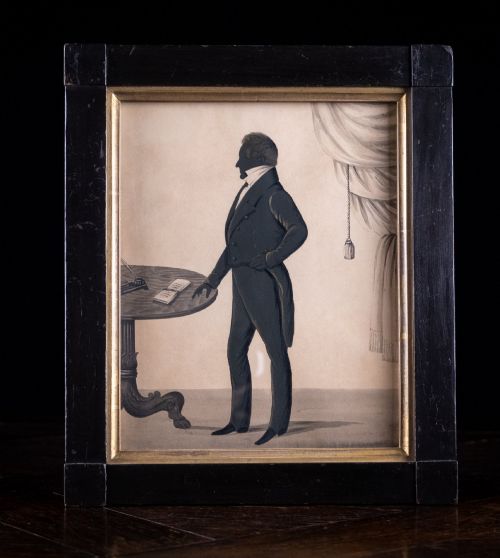
A gentleman in a blue coat stands steadfastly beside a curtain since 1695, entirely unfazed by changing interior design trends.
Distinctions in craftsmanship
Quality rests in the weight of the metal, the crispness of chased or embossed ornamentation, and the structural integrity of the wooden backing and hinge mechanisms. Superior examples exhibit fully intact hallmarks, substantial gauge silver or cast bronze, and original bezels that secure the glass firmly without distortion.
The refinement of the inner mount and the preservation of secondary elements like velvet linings or original easel struts distinguish finer workshop production from standard commercial output.
William Hutton and sons·Syner and Beddoes
The Standing Portrait Frame Glossary
- Easel back
- A hinged prop attached to the reverse of a frame that allows it to stand upright on a table. This support mechanism is typically constructed from wood or matching metal.
- Sterling silver
- An alloy containing 92.5 percent silver by mass, widely utilised by British silversmiths for domestic picture frames. Assay office hallmarks often stamp the metal with city and date letters.
- Ormolu
- Gilded bronze produced by applying a finely ground mercury and gold amalgam to cast bronze. The technique imparts a rich golden surface finish common in decorative desk accessories.
- Engine-turned
- A mechanical decoration technique that cuts intricate, geometric patterns into metal surfaces using a lathe. This method provides precise, repeating textures across silver photo frames.
- Portrait miniature
- A small, highly detailed painting on vellum, card, or metal, popular before the widespread adoption of photography. These intimate likenesses frequently occupy specialised standing display frames.
Standing Portrait Frame: Frequently Asked Questions
How do I date a silver photo frame?
British silver frames carry hallmark stamps indicating the assay office, standard mark, and date letter corresponding to the year of manufacture. Comparing these marks with established silversmith registers provides an exact year.
Stylistic cues such as Edwardian floral embossing or Art Deco geometric lines further corroborate the production period alongside structural elements like wooden backs.
Can I replace the glass in an antique frame?
Original glass panes are often hand-blown and feature subtle imperfections or wavy surfaces that match the age of the frame. Replacing them should be approached with caution to preserve the historic integrity of the piece.
When replacement is necessary, thin float glass is typically cut to fit securely within the original bezel without forcing the surrounding metal structure.
How were these frames used originally?
These pieces sat upon writing desks, mantelpieces, and bedside tables in Victorian and Edwardian homes to display photographs of family members or painted miniatures. They served both a sentimental and decorative function within interior domestic spaces.
Many featured two-way stands or folding struts designed specifically for horizontal placement on flat furniture surfaces.