

Vintage Desk Tray
These vintage desk trays gather inkwells, pens and correspondence into order, offering a tactile anchor for a working surface.
Vintage Desk Tray
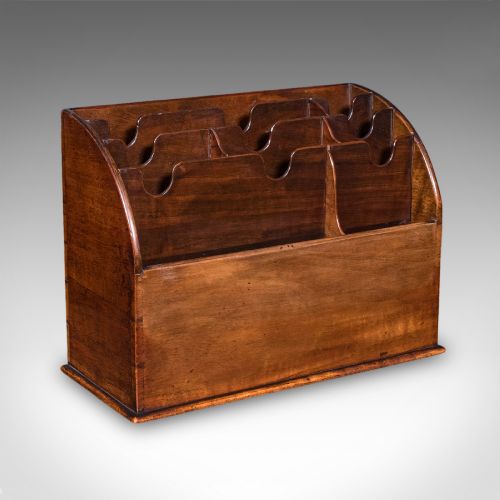
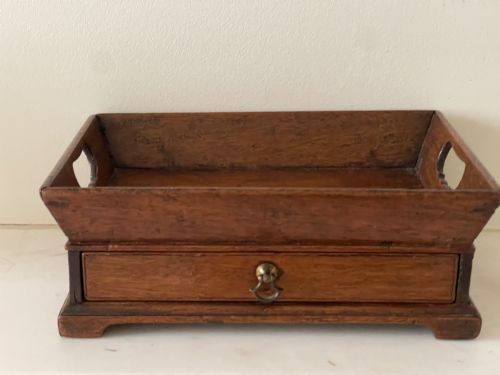
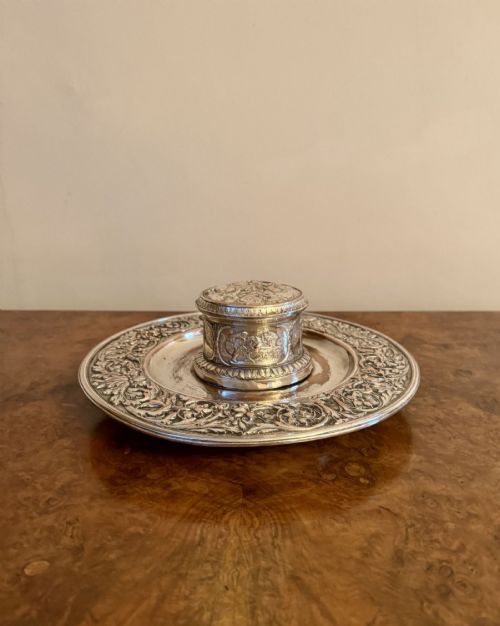
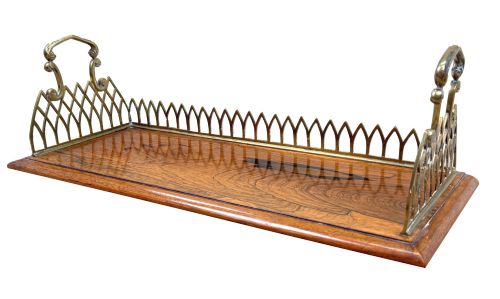
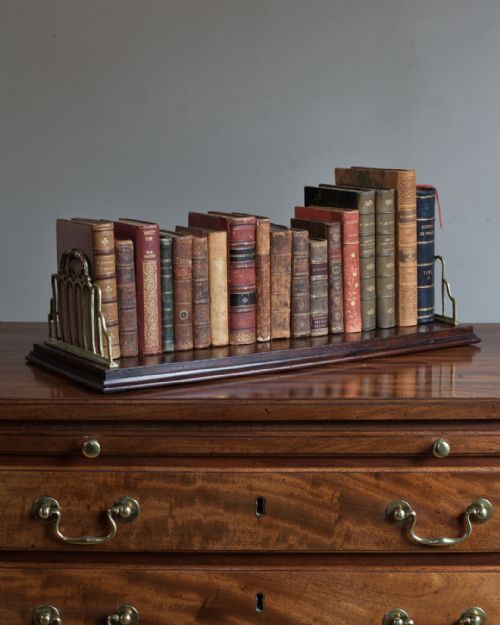
A vintage desk tray serves to corral small writing implements and correspondence upon a desk or tabletop. The items found here span the Victorian, Edwardian and mid-century periods, alongside earlier Regency examples.
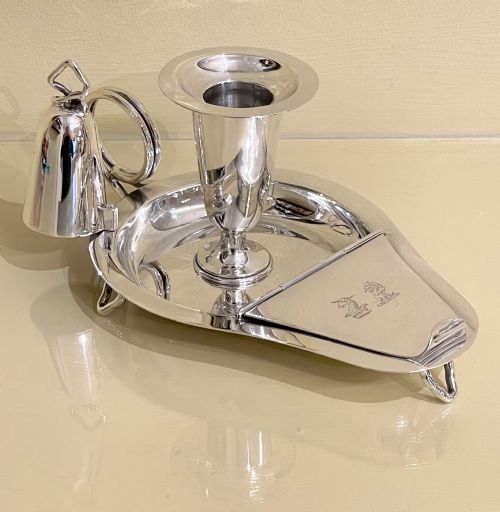
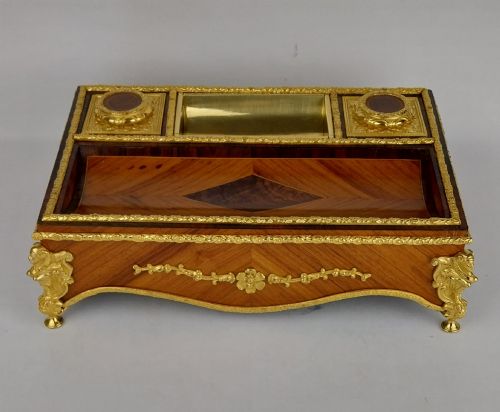
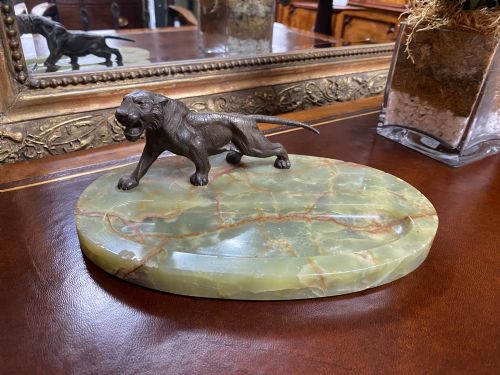
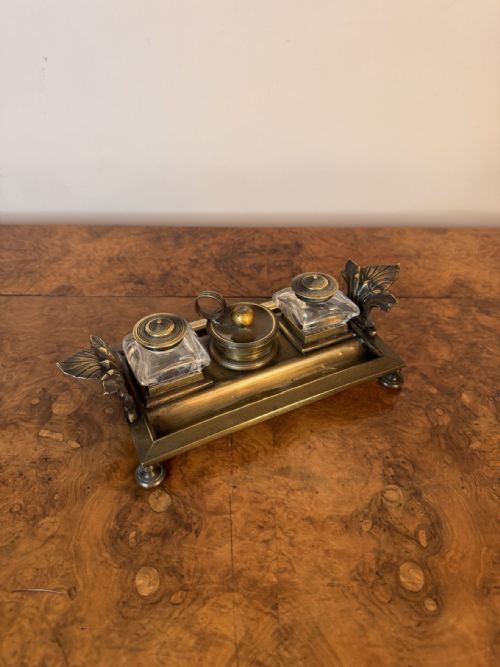
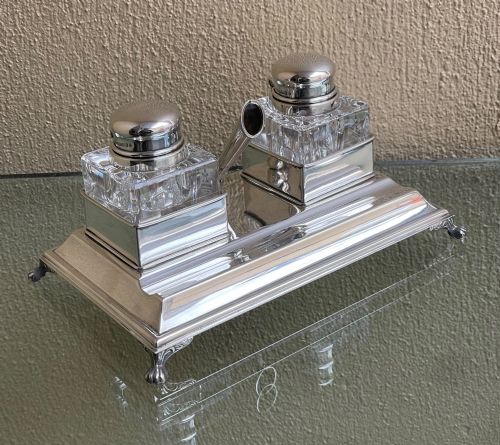
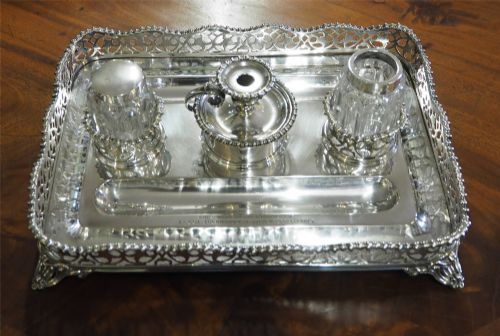
The objects take several distinct shapes, appearing as inkstands fitted with glass wells, dedicated pen trays, desk tidies and vide poche dishes. Materials range from traditional hardwoods like rosewood and mahogany to cast metals, glass and ceramics.
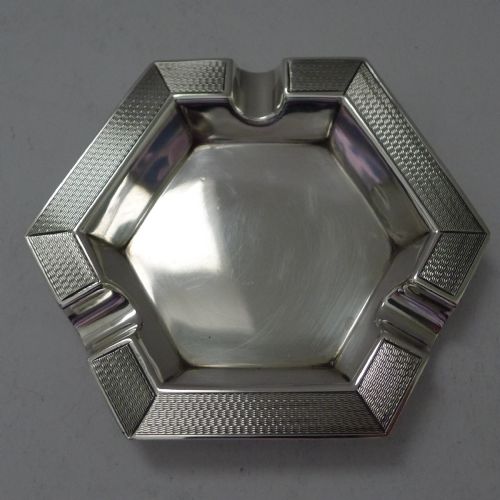
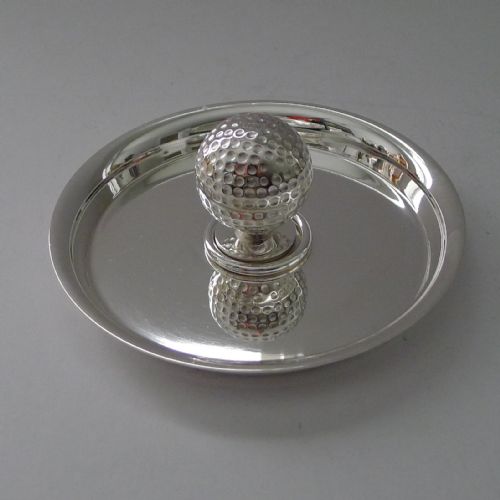
Origins stretch from English workshops to continental European makers and Japanese export houses. Buyers encounter everything from heavy brass Victorian sets to sleek mid-century silver-plated dishes.
Materials and Construction
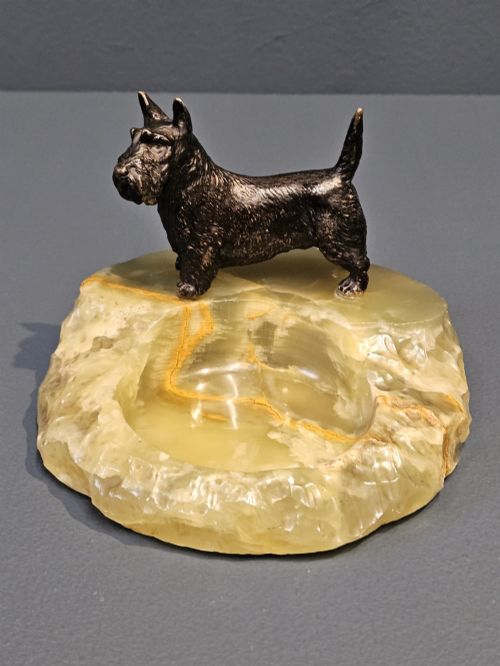
Metalwork forms a large portion of these pieces, utilising cast bronze, brass, pewter and silver plate over base metals. Cold-painted finishes bring colour to figurative bronze animals, while patinated surfaces show the deliberate ageing of metal.
Wood constructions rely on dense timbers such as rosewood, coromandel, walnut and mahogany, frequently inlaid with brass or mother-of-pearl. Papier-mâché and painted surfaces appear alongside ceramic elements like Dutch Delft blue and white faience.
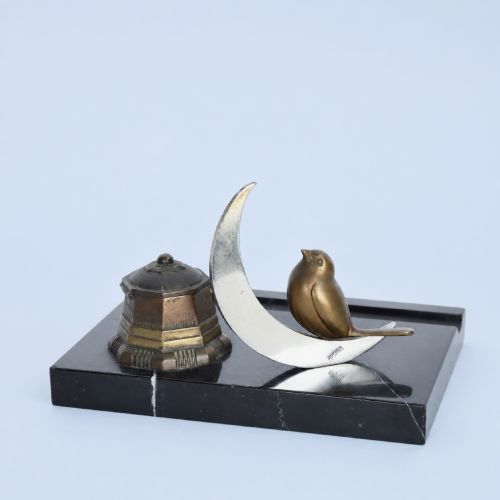
Glass and stone provide weight and contrast, seen in cut glass inkwells and heavy black marble or onyx bases. Silver components bear hallmarks denoting sterling standard or electroplate techniques.
Vintage Desk Tray Retail Price Guide 2026
Typical asking prices for vintage desk tray among the pieces listed under this phrase on Sellingantiques today, from the lower quarter to the upper quarter. They describe what is for sale here now, not the wider market.
Craft and Distinction
Quality rests in the crispness of the casting on metalwork, where finely detailed feathers on a bronze bird or sharp edges on a brass stamping separate superior pieces from softer, mass-produced variants. The weight of the material dictates the tactile presence on the desk.
In wooden trays and inkstands, the integrity of the joinery and the richness of the timber grain determine the standing of the piece. Fine rosewood or burr walnut with precise brass stringing indicates superior cabinet work.
Completeness alters the character of these items. Sets retaining their original matched glass inkwells, pen rests and liners command closer attention than those assembled from disparate parts over time.
William Neale·Hermes Paris·Elkington·Walker And Hall·Harrods·Creswick·WMF
The Vintage Desk Tray Glossary
- Inkstand
- A desk accessory comprising a tray base fitted with one or more inkwells, often including a pen rest and sander. These fixtures formed the centrepiece of formal correspondence in the nineteenth century.
- Vide Poche
- French for empty pocket, this small dish or tray sits in a hallway or on a desk to hold loose change, keys or small pocket items. Mid-century examples in silver plate are common.
- Cold Painted Bronze
- A technique where bronze figures are painted with oil or enamel colours without high-temperature firing. This method was widely used in Austrian workshops for small animal desk tidies.
- Ormolu
- Gilt bronze mounts applied to furniture or desk accessories to provide decorative contrast. The technique involves treating brass or bronze with a mercury-gold amalgam.
- Papier-Mâché
- A composite material made of paper pulp or layers of paper bound with glue, then lacquered and painted. It provided a lightweight yet durable base for Victorian and Kashmiri desk trays.
Vintage Desk Tray: Frequently Asked Questions
What is the difference between an inkstand and a desk tidy?
An inkstand specifically incorporates fitted glass or ceramic wells for liquid ink alongside pen rests, designed for active writing. A desk tidy serves a broader purpose, often featuring compartments for letters, stamps and paperclips without necessarily holding ink.
While both sit upon writing surfaces, inkstands belong strictly to the era of the dip pen, whereas desk tidies adapt more easily to holding modern stationery or small desktop clutter.
How do I date a brass or bronze desk tray?
Dating relies on stylistic clues and manufacturing marks, such as the naturalistic flora of Art Nouveau or the geometric lines of Art Deco. Castings from the nineteenth century often show hand-finishing marks on the underside.
Heavier patination, maker stamps and the presence of specific alloy compositions help narrow down the period of production to particular decades.
Can I still use antique inkwells for writing?
Most antique inkwells function mechanically, though many buyers choose to display them rather than fill them with modern fountain pen ink. The glass or ceramic inserts hold liquid safely if intact, but older cork or metal lids may not create an airtight seal.
Testing the well with water first prevents staining the surrounding tray if a hairline crack has developed over the decades.
How should I clean silver-plated desk accessories?
Silver plate requires gentle cleaning with a soft cloth and a specialised silver polish that does not strip the thin metal layer. Avoid abrasive pads or harsh chemical dips, which damage the underlying base metal and wear away engraved details.
Regular dusting with a dry microfiber cloth prevents tarnish buildup in the crevices of ornate Victorian and Edwardian desk sets.