





Vintage Desk Clock Walnut
These vintage desk clock walnut pieces are solid wood timepieces that bring warmth and period character to a desk or mantelpiece.
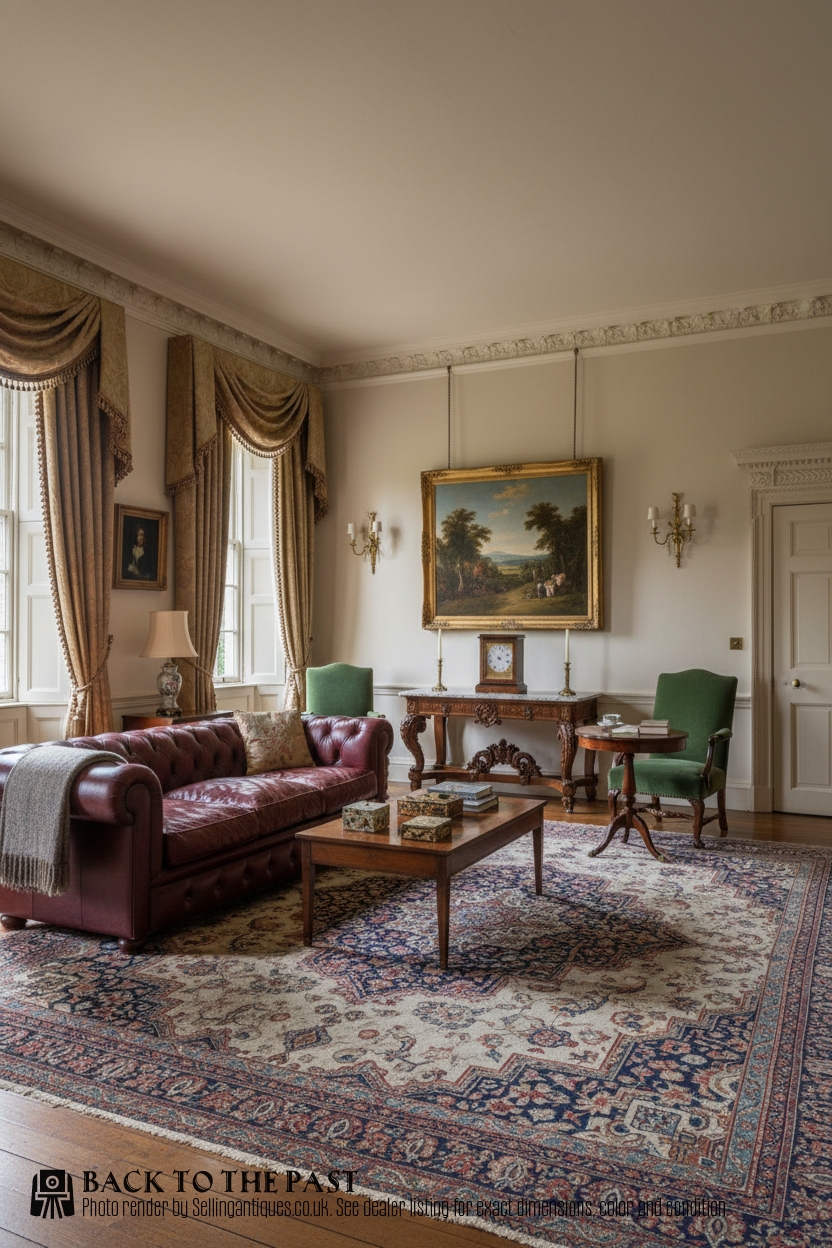
Vintage Desk Clock Walnut
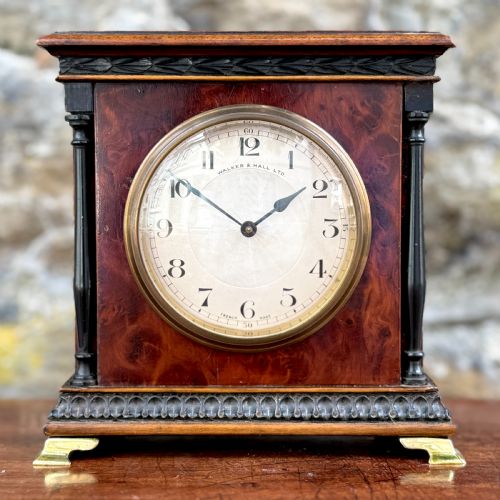
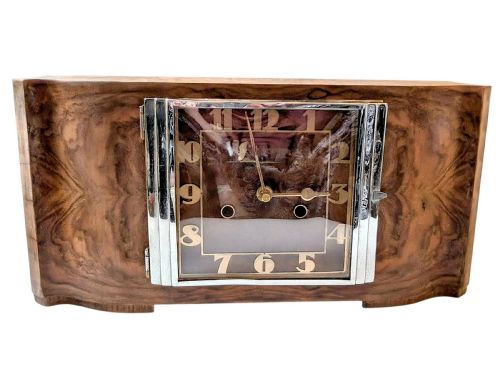
A vintage desk clock walnut selection brings together timber timepieces spanning from the nineteenth century through the Edwardian era to the geometric lines of the nineteen-thirties. You will most frequently encounter mantel and desk clocks encased in figured walnut, burr walnut, or walnut veneer, often paired with contrasting materials.
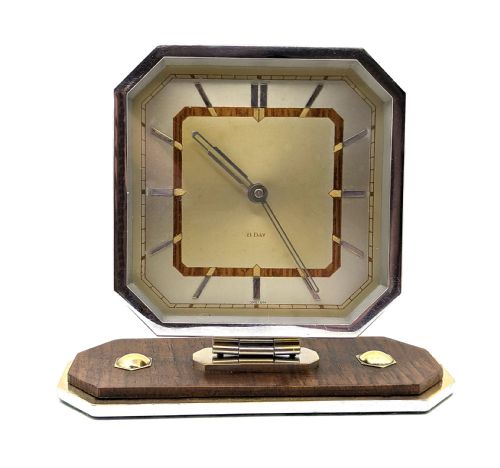
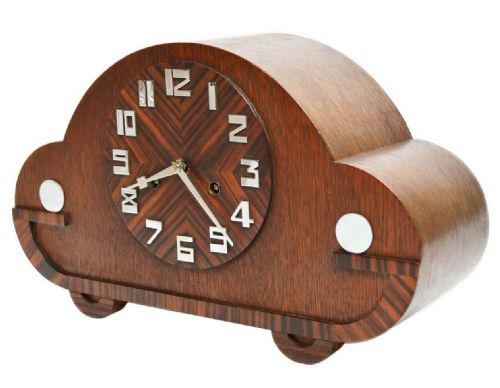
The forms range from compact architectural shapes and lyre-shaped designs to bold geometric Art Deco silhouettes. These functional objects served both to tell the time and to anchor the decor of a room, coming from English, German, and French workshops.
How They Were Made
The makers built these clock cases using timber foundations faced with decorative veneers such as burr walnut and figured walnut, sometimes accented with ebonised wood or mahogany. Brass, chrome, glass, and gilt ormolu provided structural mounts, bezels, and dial surrounds that set off the dark warmth of the wood.
Movements were integrated into these wooden enclosures, ranging from eight-day and fourteen-day mechanical movements to specialised mechanisms like those by Mauthe, H.A.C., and Lenzkirch. The combination of precision metal movements and polished wooden cabinetry defined the construction of the period.
Listings feature walnut, burr walnut, and walnut veneer combined with chrome, brass, and glass across Edwardian, Art Deco, and Victorian periods.
What Varies in Quality
The standard of timber selection marks the difference between basic models and superior examples, with highly figured burr walnut and rich veneers commanding greater visual depth. The finesse of the case joinery and the integration of contrasting elements like chrome or brass bezels reveal the hand of better makers.
The complexity and reputation of the clock movement inside, whether a standard timepiece or a striking mechanism by a known maker, shifts the character of the piece. Preservation of the original dial, hands, and timber finish completes the distinction between ordinary and exceptional examples.
Mappin and Webb·Walker and Hall·Bravingtons Ltd of London·Lenzkirch·Elliott of London·Baldwin of Loughborough
The Vintage Desk Clock Walnut Glossary
- Burr Walnut
- A specialised wood grain obtained from the gnarled growth of a walnut tree, creating intricate swirling patterns highly prized for decorative veneer on clock cases.
- Art Deco
- A design style from the nineteen-thirties characterised by geometric shapes, streamlined forms, and a combination of wood with chrome or glass.
- Mantel Clock
- A clock designed to sit on a shelf or mantelpiece above a fireplace, often featuring a balanced architectural or decorative wooden case.
- Ormolu
- Gilded bronze or brass used for decorative mounts and accents on nineteenth-century and early twentieth-century clock cases.
- Veneer
- A thin layer of superior walnut applied over a secondary timber foundation to create a rich exterior finish without using solid expensive wood throughout.
Vintage Desk Clock Walnut: Frequently Asked Questions
How do I wind a mechanical desk clock?
Mechanical desk clocks use a key inserted into winding arbors on the dial face to tension the internal springs. Care must be taken not to over-wind the mechanism.
Different movements require different intervals, ranging from eight-day to fourteen-day runs between winds.
Where should I place a walnut desk clock?
These clocks sit comfortably on office desks, bookshelves, sideboards, or mantelpieces where their timber tones can complement surrounding furniture. They should be kept away from direct sunlight and damp conditions to protect the wood and veneer.
A stable surface ensures the pendulum or balance wheel operates evenly.
How do I date a walnut clock?
Dating relies on stylistic clues, such as the symmetrical lines of Edwardian pieces versus the geometric shapes of Art Deco designs from the nineteen-thirties. Maker signatures, dial typography, and movement types also provide clues to the exact period of manufacture.
Earlier nineteenth-century pieces often display heavier Gothic or Victorian proportions.
What is the difference between a timepiece and a striking clock?
A timepiece simply indicates the hours and minutes without sounding any chimes or strikes. A striking clock includes an additional train of gears and a bell or gong to announce the hours or quarters.
Both versions appear frequently in walnut desk clock designs.