

Vintage Desk Accessory Set
A vintage desk accessory set brings order and character to a workspace through matched pieces built for writing and correspondence.
Vintage Desk Accessory Set
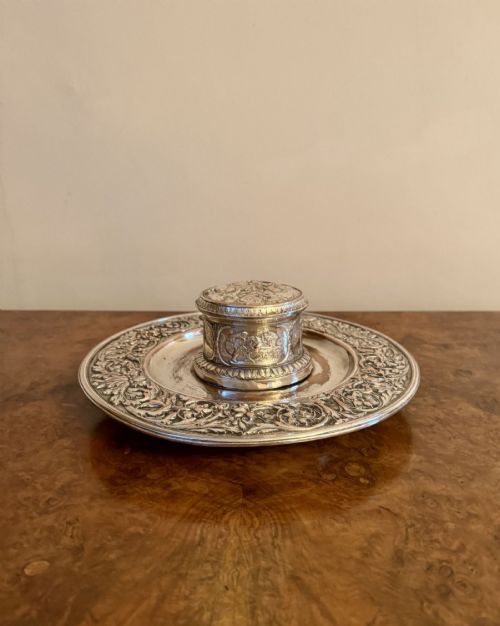
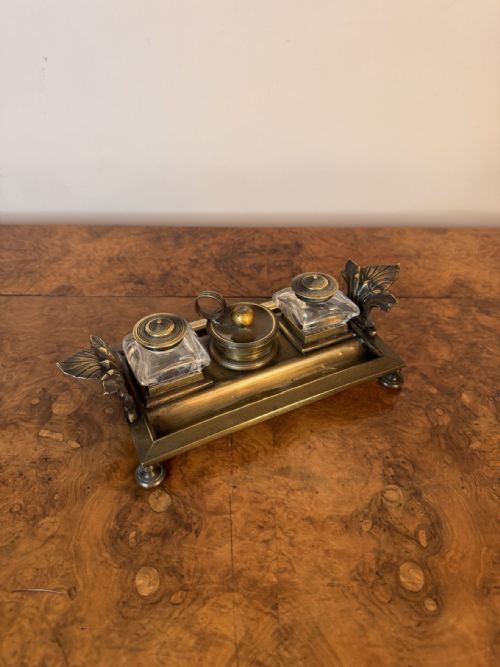
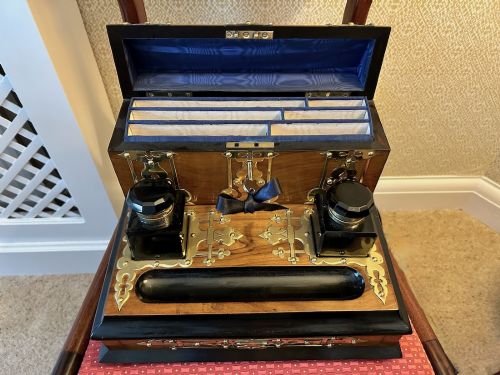
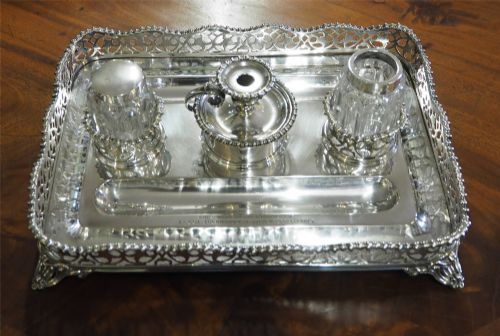
A vintage desk accessory set comprises coordinated items designed for correspondence and writing, spanning periods from the nineteenth century through the Art Deco era. Buyers encounter matched groupings that typically include inkstands, postal scales, letter racks, and writing trays intended for desktop organisation.
Materials and construction
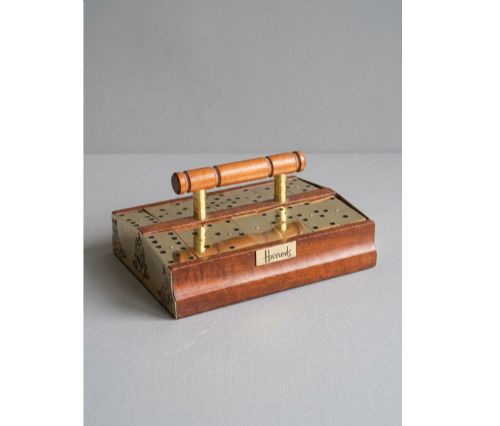
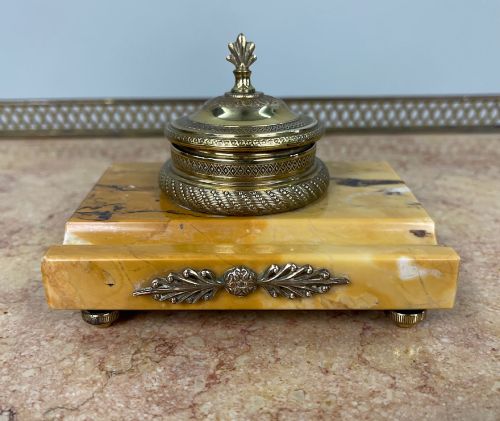
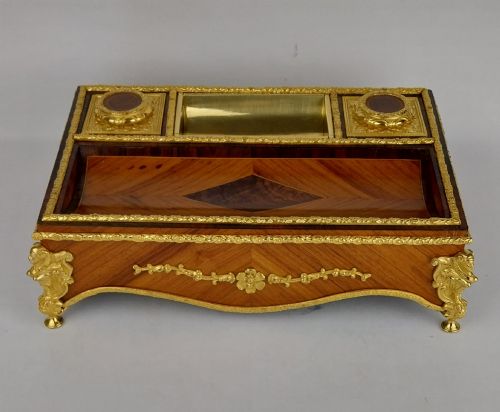
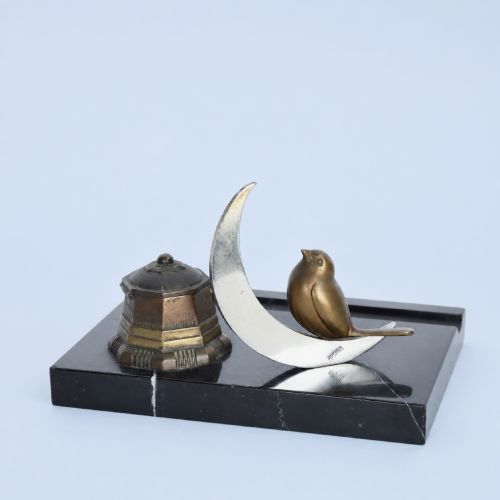
Maker workshops utilised durable hardwoods such as walnut, mahogany, coromandel, and rosewood as foundations for stands, frequently mounting them with brass, bronze, or gilt-bronze edges and handles. Other pieces rely on natural stone bases including black marble, green onyx, lapis lazuli, and Ashford marble to support glass or metal inkwells.
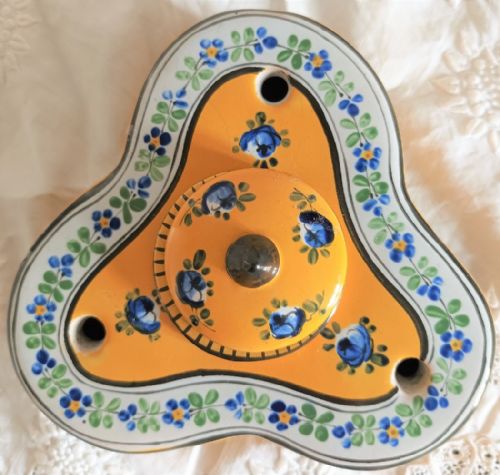
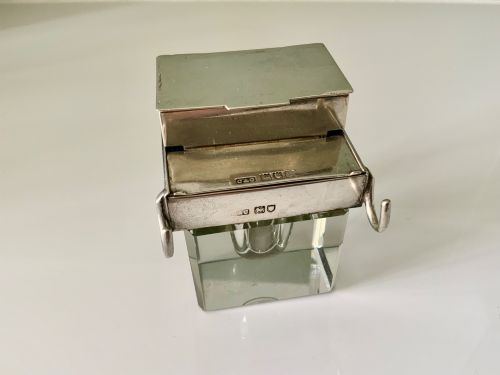
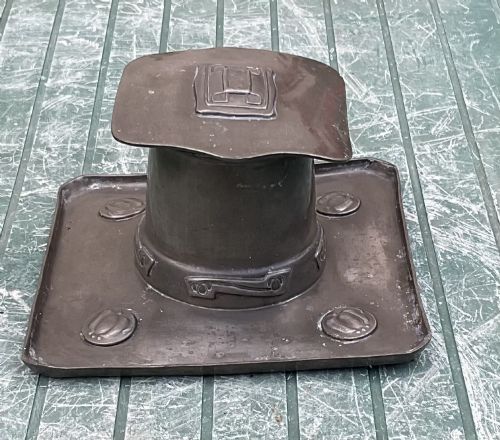
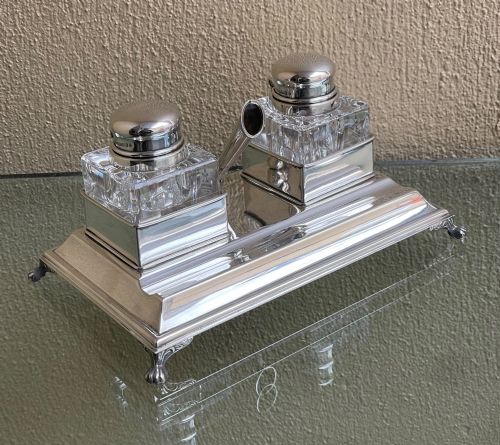
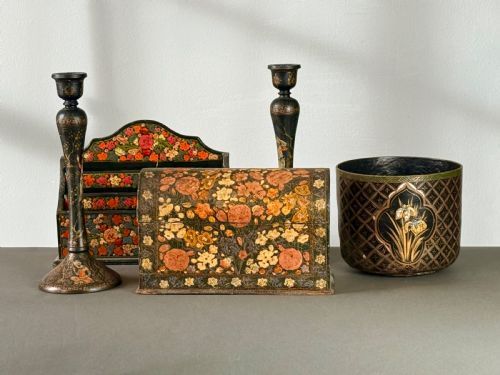
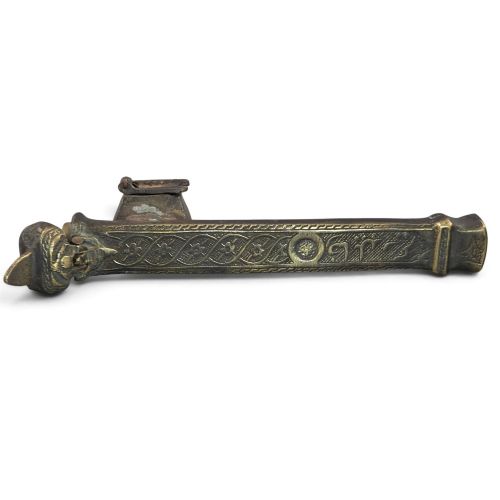
Metalwork incorporates sterling silver, electroplated silver, pewter, and cast brass, often combined with cut glass inserts and amber glass finials. Papier-mâché, lacquer, and inlaid wood surfaces receive hand-painted details or champlevé enamel work.
Vintage Desk Accessory Set Retail Price Guide 2026
Typical asking prices for vintage desk accessory set among the pieces listed under this phrase on Sellingantiques today, from the lower quarter to the upper quarter. They describe what is for sale here now, not the wider market.
The selection includes functional desk items from the Georgian period up to mid-century twentieth-century production.
Distinctions in quality
Superior examples demonstrate precision in the integration of mixed media, such as seamlessly fitted stone bases with hand-chased bronze mounts and accurately balanced postal scales. Lower tiers rely on simpler stamped metal components and basic wooden trays without coordinated decorative motifs.
The degree of hand-finishing defines the upper range, evident in detailed hand-painted papier-mâché surfaces, intricate silver hallmarks, and fully matched components that were originally retailed as a single suite rather than assembled later.
Archibald Knox Liberty Tudric·Elkington·S Mordan London·Marson and Jones Birmingham·Walker and Hall
The Vintage Desk Accessory Set Glossary
- Inkstand
- A fitted tray or stand holding one or more inkwells alongside spaces for pens, sanders, and wafers. These stationary containers formed the centrepiece of traditional writing desks.
- Postal scales
- Balance scales calibrated in ounces and grams, used to weigh letters before postage. They frequently sit on matching wooden or brass bases within desk sets.
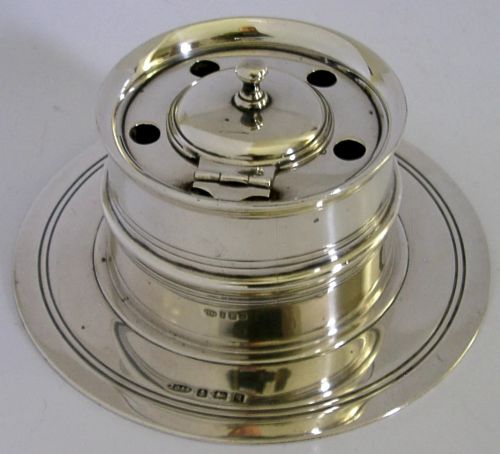
- Capstan inkwell
- An inkwell shaped like a ship's capstan, featuring a wide circular base tapering toward the top. This form gained popularity during the Edwardian period in sterling silver and glass.
- Champlevé
- An enamelling technique where troughs are carved into a metal surface and filled with vitreous enamel powder before firing. It appears on nineteenth-century bronze desk mounts and candlesticks.
- Vesta case
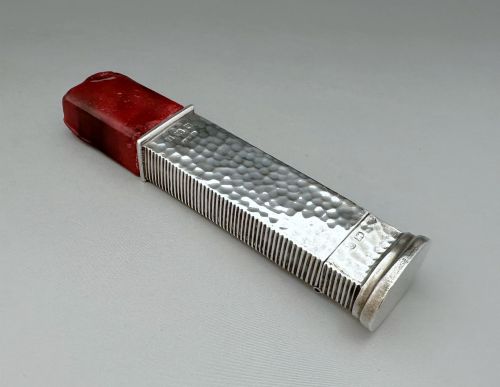
- A small pocket or desk container designed to hold matches. Edwardian sets sometimes incorporate these alongside sealing wax compartments.
Vintage Desk Accessory Set: Frequently Asked Questions
What items belong in a complete set?
A standard set typically groups an inkwell or inkstand with matching accessories like a letter opener, stamp box, or blotter. Many collections also incorporate postal scales or candlesticks designed in the same material.
Buyers often find partial suites where components have survived together over the decades. The exact composition depends on the specific era and the original owner's requirements for daily correspondence.
How do I care for mixed material pieces?
Care requires treating each material according to its specific composition, keeping wood and leather away from direct moisture. Metal components benefit from gentle dusting rather than harsh chemical polishes that can damage patination.
Glass inkwells should be removed and washed carefully to prevent residue buildup from old ink. Stone bases like onyx and marble simply need a soft, dry cloth to maintain their surface lustre.
How are different periods identified?
Period identification relies on stylistic cues and manufacturing techniques, such as the ornate brasswork of Victorian pieces versus the clean geometric lines of Art Deco marble. Silver components often carry hallmarks that date the exact year of production.
Materials also point to specific eras, such as the heavy use of coromandel and papier-mâché in the mid-nineteenth century. Examining the construction methods underneath provides further confirmation of age.
Were these sets used for writing letters?
These accessories served as the primary tools for written communication before the widespread adoption of ballpoint pens and typed correspondence. Users dipped steel or quill pens into inkwells and weighed letters on scales before sealing them with wax.
Every item on the desk had a practical function in managing household or business correspondence. The sets kept messy ink and loose stationery contained in an orderly fashion.