





Vintage Derby Porcelain
Vintage derby porcelain brings enduring British ceramic artistry to the table, offering finely painted scenes and rich patterns for daily display.
Vintage Derby Porcelain
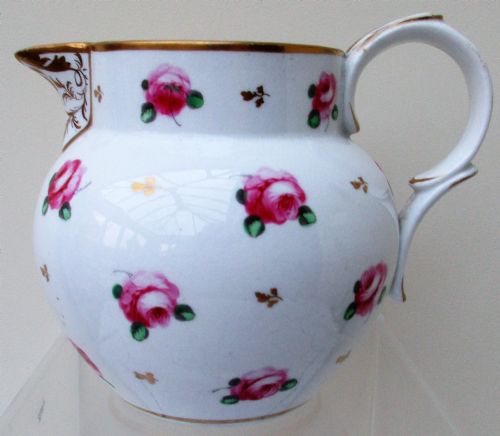
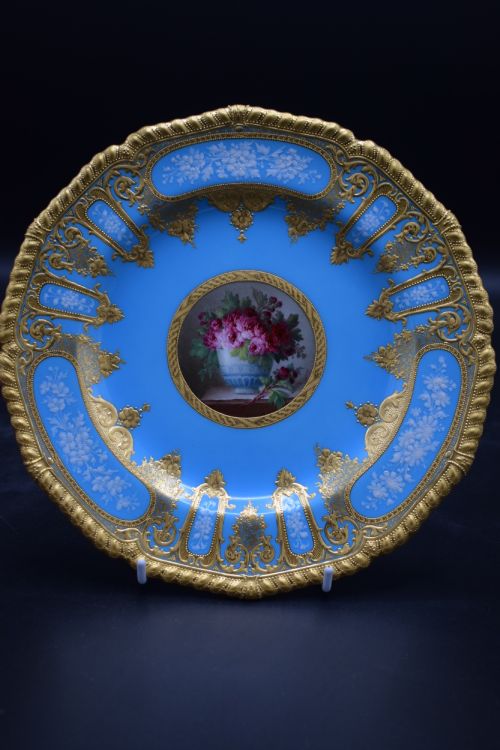
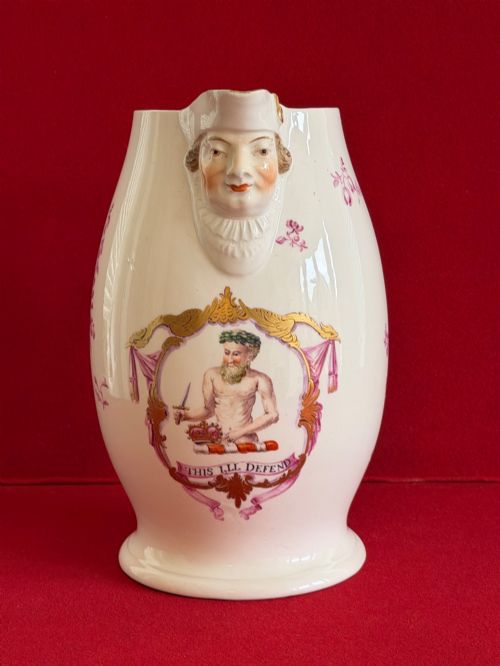
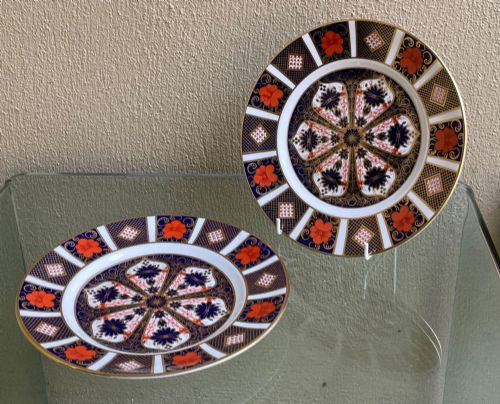
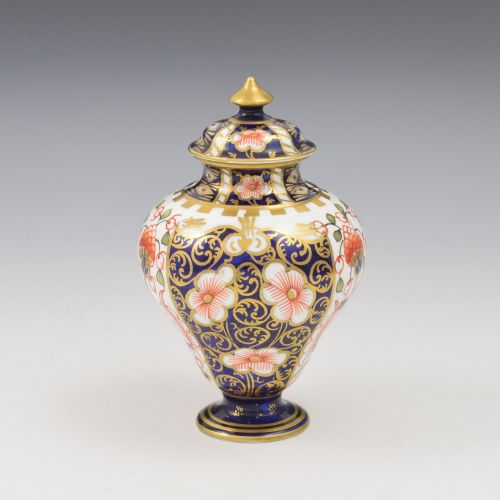
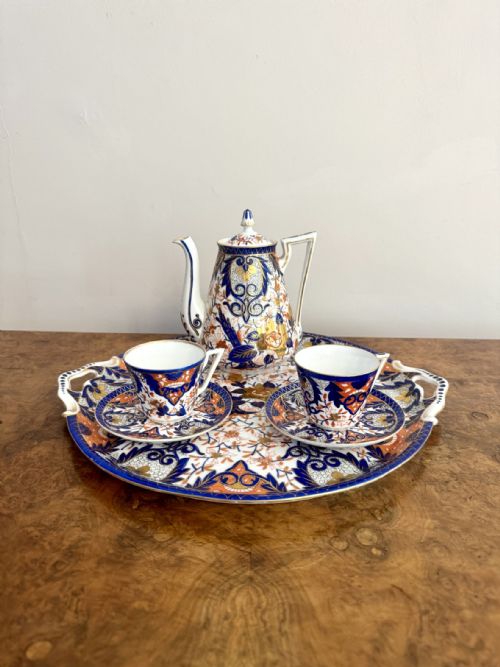
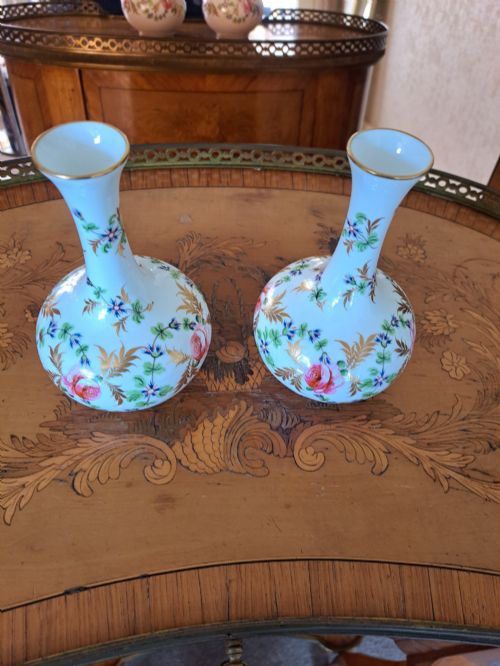
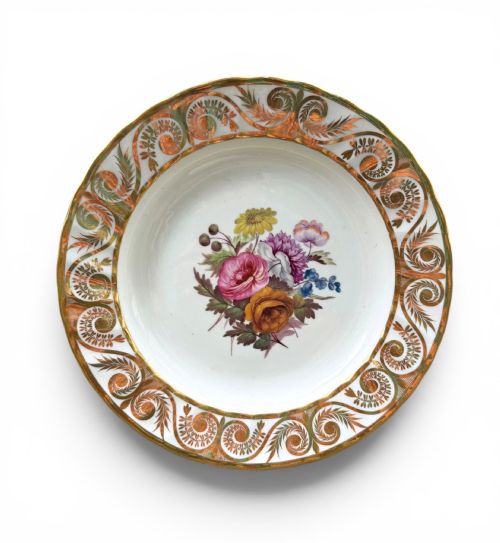
Vintage derby porcelain encompasses decorative plates, miniature vases, and tableware produced across various eras, including Georgian, Victorian, Edwardian, and mid-twentieth-century periods. These items range from practical jugs and coffee sets to elaborate cabinet plates and serving dishes.
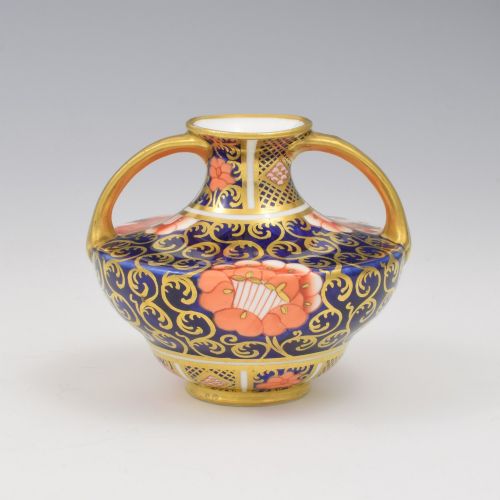
Buyers searching for vintage derby porcelain frequently encounter signature Imari patterns, floral hand-painted motifs, and intricate figural pieces such as seated musicians or animals. The selection spans utilitarian vessels alongside highly ornate cabinet pieces designed for display.
How they were made
Potters shaped these pieces using soft-paste porcelain and bone china, firing the clay to create durable ceramic bodies. Artisans then applied intricate hand-painted designs using enamel pigments.
Gold leaf and gilding were frequently added to highlight rims, handles, and pattern details, requiring a secondary firing to bond the precious metal to the ceramic surface.
Vintage Derby Porcelain Retail Price Guide 2026
Typical asking prices for vintage derby porcelain among the pieces listed under this phrase on Sellingantiques today, from the lower quarter to the upper quarter. They describe what is for sale here now, not the wider market.
The listings span multiple eras, featuring porcelain, bone china, enamel, and gold leaf across Georgian, Victorian, Edwardian, and mid-century periods.
What varies in quality
The refinement of the hand-painted brushwork distinguishes standard production from superior examples, particularly on floral dishes and figural models. Artisans with specific training produced finer lines and more expressive painted details.
The complexity of the applied pattern and the intricacy of the moulding, such as pierced serving trays or sculpted figures with bocage backgrounds, reflect the original skill involved in manufacture.
The Vintage Derby Porcelain Glossary
- Imari Style
- A decorative palette featuring rich cobalt blue, iron red, and heavy gilding. This aesthetic was widely adopted by English potteries after Japanese export wares.
- Soft-paste Porcelain
- An early ceramic composition fired at lower temperatures than hard-paste. It results in a warmer tone and a slightly softer glaze.
- Bone China
- A porcelain type containing calcined bone ash. It produces a strong, highly translucent white body.
- Gilding
- The application of gold leaf or gold paint to ceramic surfaces. It accentuates rims and patterned borders.
- Bocage
- An open framework of applied ceramic leaves and flowers. It frequently forms a decorative background behind porcelain figures.
Vintage Derby Porcelain: Frequently Asked Questions
What is vintage derby porcelain?
Vintage derby porcelain refers to ceramic tableware, figures, and decorative items produced by the Derby manufactory and its successors. These pieces encompass utilitarian vessels and ornamental cabinet plates spanning multiple centuries.
The works range from early Georgian figures to twentieth-century hand-painted services, reflecting changing British tastes and ceramic techniques over generations.
How do I identify patterns?
Makers frequently applied painted pattern numbers or factory marks to the underside of plates, vases, and dishes. Reference books help match these numbers to specific production dates and named artists.
Visual clues such as Imari palettes, hand-painted signatures, and specific crown marks also assist in determining the period of manufacture.
Were these pieces used daily?
Many items, including dessert services, jugs, and coffee sets, were originally created for functional dining and entertaining. Their survival in good condition suggests careful handling by past owners.
Robust bone china and glazed surfaces permitted regular use, though heavily gilded decorative plates were often reserved for display.
How should I clean my porcelain?
Wash porcelain gently by hand using lukewarm water and mild soap. Avoid abrasive scrubbers that can scratch the glazed surface or wear away delicate gold leaf.
Store pieces securely on stable shelving away from direct sunlight to preserve the vibrancy of the enamel colours and painted details.