



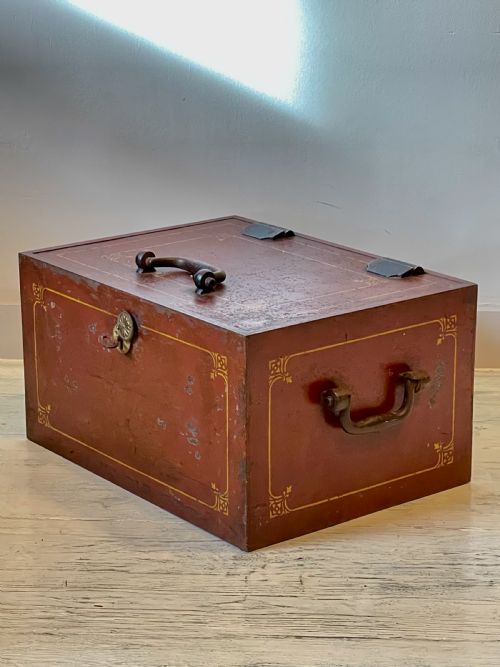


Vintage Deed Chest
A vintage deed chest gives heavy paperwork a permanent home in solid wood or iron, keeping important documents secure and desk surfaces clear.
Vintage Deed Chest
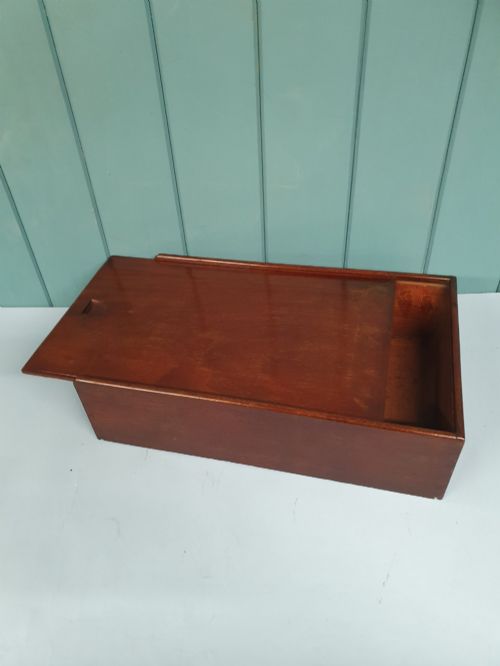
A vintage deed chest provides a sturdy home for legal papers, documents, and keepsakes, drawing on centuries of secure storage traditions. These boxes range from solid oak and mahogany desk boxes to heavy iron and steel safes built for heavy commercial or domestic use.
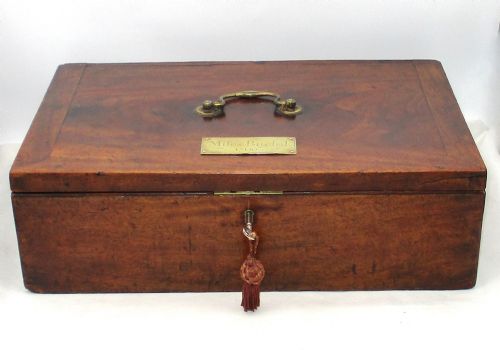
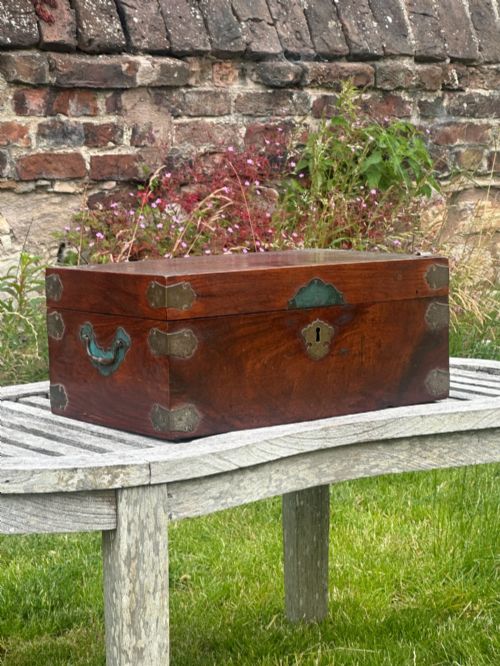
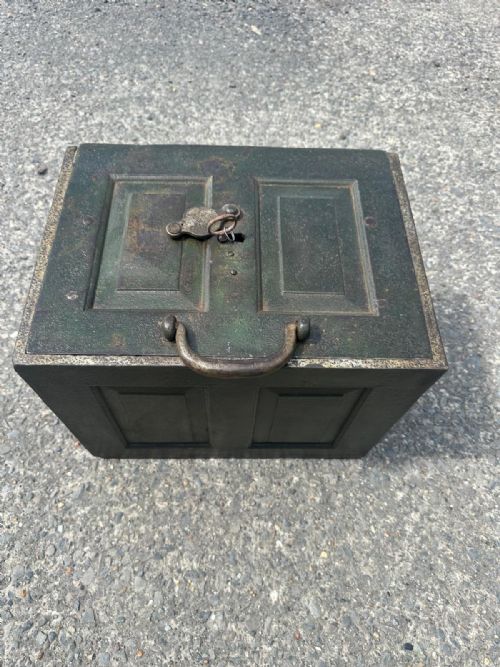
The versions most commonly met on this page include mahogany document boxes from the eighteenth and nineteenth centuries alongside Victorian iron strongboxes and cast-iron safes. Buyers also encounter brass-bound padouk boxes and folk art painted pieces that combine utility with distinct decorative character.
Originating across Britain, Europe, and Anglo-Indian workshops, these pieces reflect the specific filing needs of past households and offices. Their compact proportions make them practical for modern interiors while retaining the tactile weight of their original materials.
How they were made
Makers constructed wooden deed chests from dense timbers like oak, mahogany, and padouk, often joining the corners with dovetails to withstand regular handling and heavy contents. Iron and steel versions relied on plate metal, cast iron, and wrought iron assembled with rivets and secure locking mechanisms.
Surface treatment varied by function, with finer wooden boxes receiving polished finishes that highlighted the grain, while utilitarian iron safes retained painted or original colour surfaces. Brass bindings, carrying handles, and escutcheons added both structural reinforcement and visual contrast to the designs.
Vintage Deed Chest Retail Price Guide 2026
Typical asking prices for vintage deed chest among the pieces listed under this phrase on Sellingantiques today, from the lower quarter to the upper quarter. They describe what is for sale here now, not the wider market.
Listings for vintage deed chests span the seventeenth to the twentieth centuries, utilising sturdy materials like oak, mahogany, padouk, cast iron, and steel.
What varies in quality
Quality in a vintage deed chest rests upon the integrity of its construction, the thickness of its materials, and the survival of original working hardware. Superior examples retain their original keys, working locks, and interior compartments without excessive timber shrinkage or structural replacement.
The distinction between a simple storage box and a higher-tier piece often lies in the refinement of the joinery and the presence of decorative elements like brass banding or original folk art paintwork. Retaining an intact maker's name or patent lock mechanism adds further historical interest to the object.
Milners of Liverpool·George Price
The Vintage Deed Chest Glossary
- Document box
- A portable container designed specifically to hold papers, letters, and legal instruments flat. These boxes often feature hinged lids and fitted interiors.
- Padouk
- A heavy, durable tropical hardwood with a reddish hue used in cabinetmaking and colonial trade pieces. It provided exceptional strength for transport and daily use.
- Escutcheon
- A protective plate surrounding a keyhole that prevents the surrounding wood or metal from wearing down with repeated use. On better pieces, it is cast or engraved from brass.
- Fall front
- A hinged front panel that drops down to reveal internal drawers, compartments, or storage slots. This configuration allows access to documents without lifting the main lid.
- Strongbox
- A heavily reinforced metal box designed to protect valuables and papers from theft and fire. They typically incorporate complex internal lever locks.
Vintage Deed Chest: Frequently Asked Questions
What were vintage deed chests originally used for?
Lawyers, landowners, and merchants used these chests to store land titles, legal indentures, wills, and important financial records. The secure locks protected sensitive papers from theft and fire in homes and offices.
Over time, families also adopted them to store precious keepsakes, photographs, and family certificates. Their robust construction ensured that paper documents remained flat and protected from moisture.
How do I choose the right size for my space?
Consider whether you plan to place the chest on top of a desk, table, or floor, as sizes range from compact wooden desk boxes to heavy iron floor safes. Measure the documents or items you intend to store to ensure the internal dimensions accommodate them.
Smaller mahogany or oak boxes sit easily on sideboards or shelves, while larger iron strongboxes require floor space and substantial support due to their heavy weight.
How can I tell the period of a deed chest?
The materials, construction methods, and hardware styles offer clear clues to the age of a piece. Eighteenth-century examples often feature hand-cut dovetails and polished mahogany, while seventeenth-century boxes display heavier oak construction and simpler joined panels.
Victorian and later pieces frequently incorporate cast iron, steel plates, and patented lock mechanisms. Examining the screws, hinges, and interior linings helps confirm the manufacturing era.
Are the original locks and keys usually working?
Many surviving deed chests retain their original locks, and some include their original working keys. However, centuries of use mean that some mechanisms may require professional adjustment by a specialist locksmith.
Even when a key is absent, these chests function well as decorative storage containers and display pieces. Sellers usually specify in the listing details whether a working key is present.
How do I care for wooden and iron deed chests?
Wooden chests benefit from occasional application of quality wax to nourish the timber and protect the finish from drying out. Keep them away from direct sunlight and radiators to prevent wood movement.
Iron and steel chests require a dry environment to prevent surface rust, and metal surfaces can be lightly cleaned with a soft, dry cloth. Avoid using harsh chemical cleaners on either painted or polished finishes.