

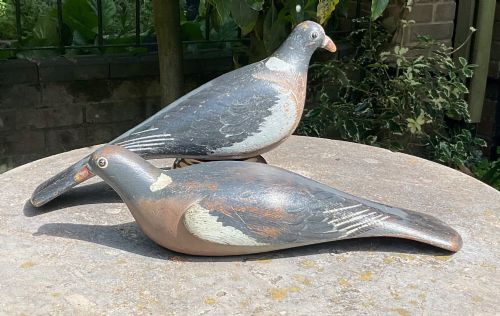


Vintage Decoy Bird
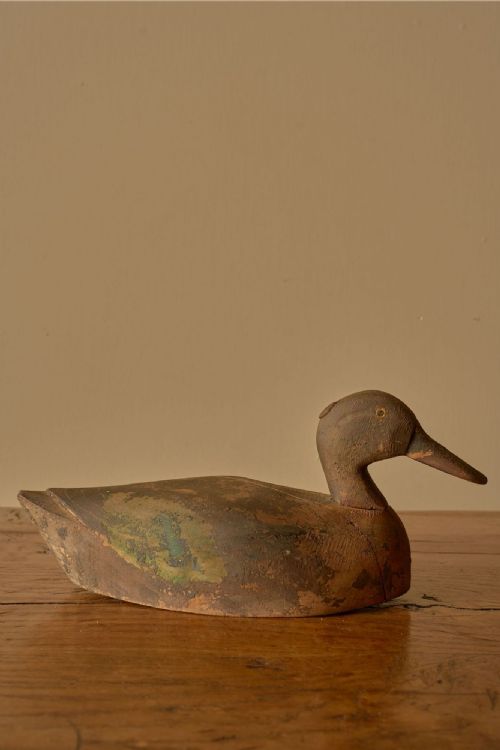
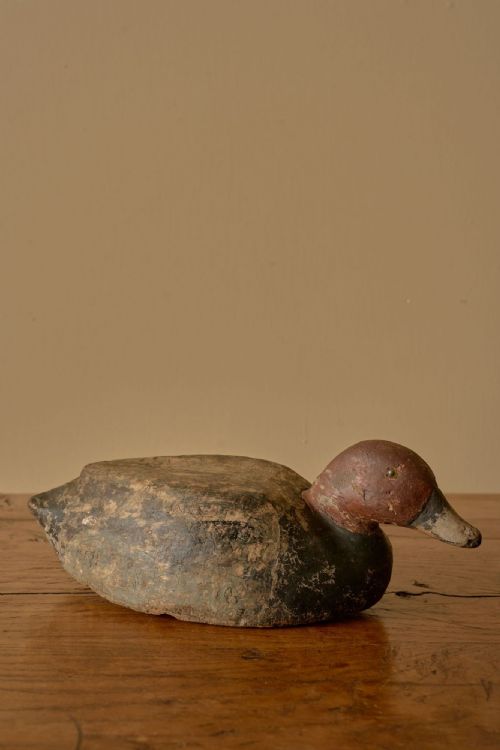
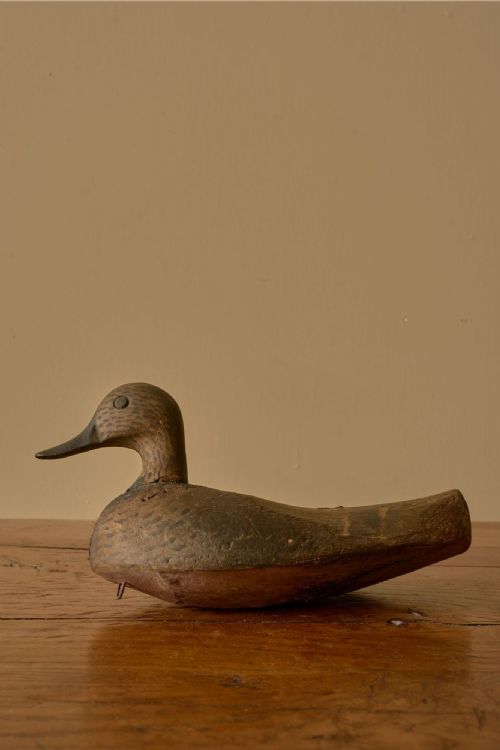
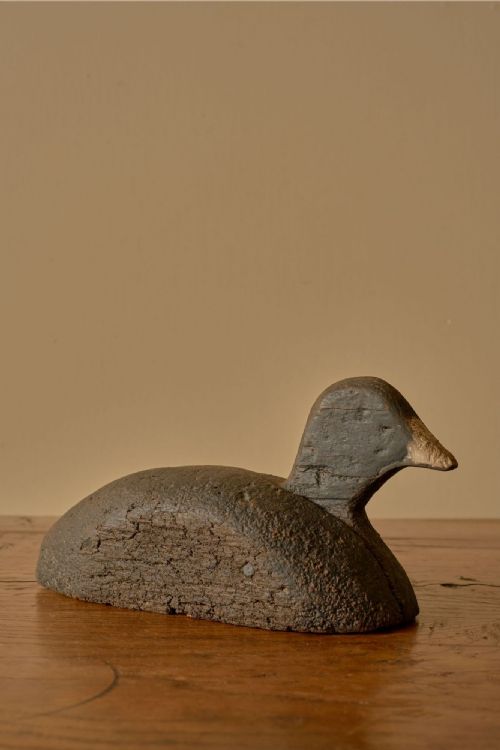
These vintage decoy bird examples are working carvings turned decorative objects, prized for their rustic forms and hand-painted surfaces.
Vintage Decoy Bird
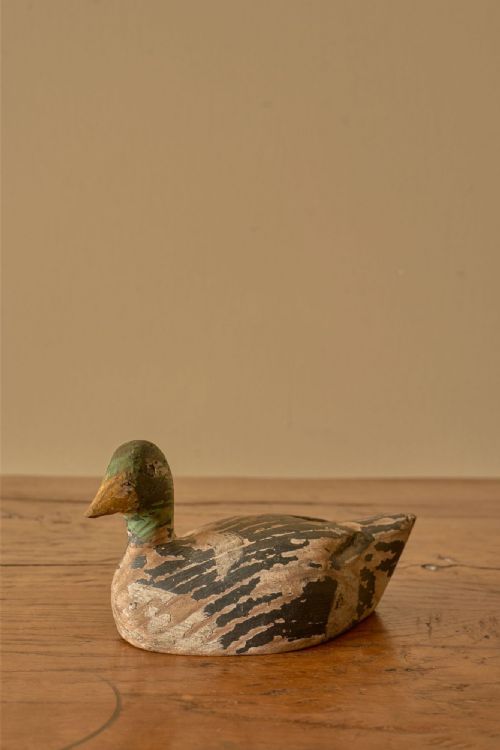
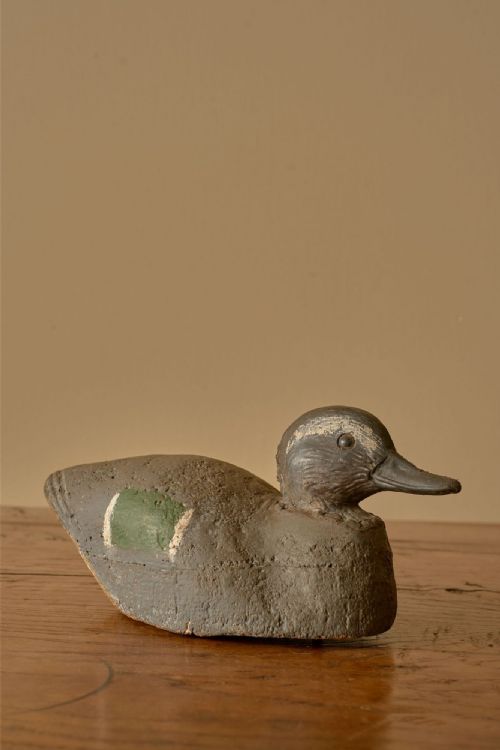
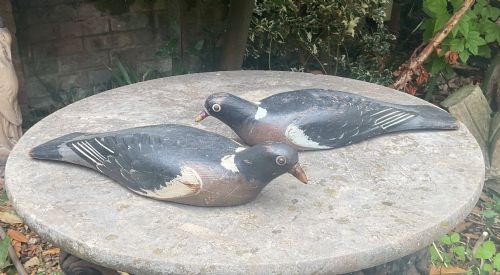
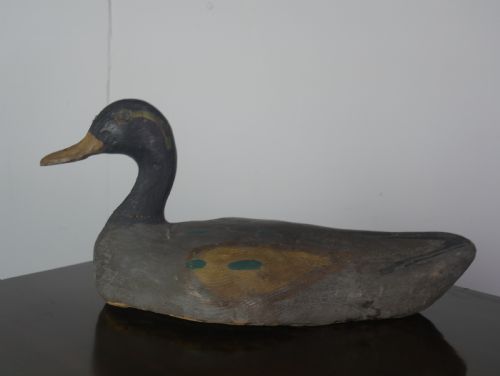
When you search for vintage decoy bird items, you encounter working carvings originally utilised by wildfowlers across the nineteenth and early twentieth centuries. These sculptures take the form of ducks, pigeons, geese, doves and wading birds like the black tailed godwit, carved to lure game from the skies or water. Today, collectors value them entirely as decorative objects and folk art sculptures for the home.
The pieces you meet most often on this page date from the Edwardian era, the 1920s and the 1930s, alongside a selection from the wider nineteenth century. Ducks and pigeons dominate the selections, usually presented singly or in pairs, though rarer forms like geese and loons appear. They sit comfortably within English and French country house folk art traditions.
How they were made
Makers shaped these birds primarily from solid timber and carved wood, utilising the natural grain and knots of the material to suggest feathers and form. Some examples incorporate bark or papier mâché and straw, particularly in studies of ducklings or rustic water birds. Assemblage often included attached metal or iron elements for weighting or hardware.
Surfaces received layers of oil paint or lead-based pigments by hand, which weathered through active use on marshes and rivers. The resulting patination shows softening brush marks, crazing and flaking where the wood has expanded and contracted over decades.
Vintage Decoy Bird Retail Price Guide 2026
Typical asking prices for vintage decoy bird among the pieces listed under this phrase on Sellingantiques today, from the lower quarter to the upper quarter. They describe what is for sale here now, not the wider market.
The listings here span timber, carved wood, bark, metal, iron, and papier mâché, showing both English and French regional traditions from the nineteenth century through the 1930s.
What varies in quality
Quality rests in the sculptural confidence of the carving and the original gesture of the bird's head and neck. A master carver captured the alertness of a pigeon or the low profile of a swimming duck with economy and grace, whereas lesser pieces feel rigid and symmetrical.
The integrity of the surface paint defines the visual strength of the object. Worn, untouched paint skins with honest patination elevate a piece far above items that have been stripped or subjected to modern re-painting.
The Vintage Decoy Bird Glossary
- Decoy
- A carved or moulded figure of a bird used to attract wildfowl within range of a hunter. They were weighted or anchored to float on water or staked on land.
- Folk art
- Utilitarian objects made by self-taught or local craftsmen rather than professional academic sculptors. These pieces prioritise practical function and regional style over classical proportion.
- Treen
- Small handmade wooden household objects and treen items carved for domestic or field use. The category spans bird calls, bowls and turned figures.
- Patina
- The surface sheen and colour acquired by wood and paint through age, handling and exposure to the elements. Collectors prize an undisturbed patination as evidence of genuine age.
Vintage Decoy Bird: Frequently Asked Questions
How were decoy birds used originally?
Huntsmen placed these carved wooden birds on water or in fields to lure passing flocks within shooting range. They functioned as working tools rather than ornamental sculptures.
Over decades of exposure to weather and water, the paint weathered and the timber took on distinct patination from active use.
Are these decoys suitable for outdoor display?
Most of these pieces are antique folk art and perform best in stable indoor environments. Extreme moisture or direct sunlight can cause historic wood to split and original painted surfaces to flake further.
Keeping them away from direct heat sources helps preserve the stability of the timber and the integrity of the finish.
How can I tell the age of a wooden decoy?
Age is read through the tool marks left by the carver, the species of timber used, and the composition of the paint layers. Hand-adzed bodies and oxidized iron fixings point firmly to nineteenth or early twentieth-century origins.
Comparing the weight, grain structure and wear patterns against dated examples helps place a piece within the Edwardian or interwar periods.
What is the difference between a duck decoy and a pigeon decoy?
Duck decoys were built with flat bottoms or keel weights to sit upright on water, featuring broad bodies and low-set heads. Pigeon and dove decoys were designed for land use, often mounted on stakes or placed in trees to attract woodpigeons.
Their silhouettes reflect the specific posture of the bird when resting on a field versus swimming on a pond.