




Vintage Decorative Tin
A vintage decorative tin brings domestic colour and utility together, offering painted surfaces and storage forms that suit modern interiors.
Vintage Decorative Tin
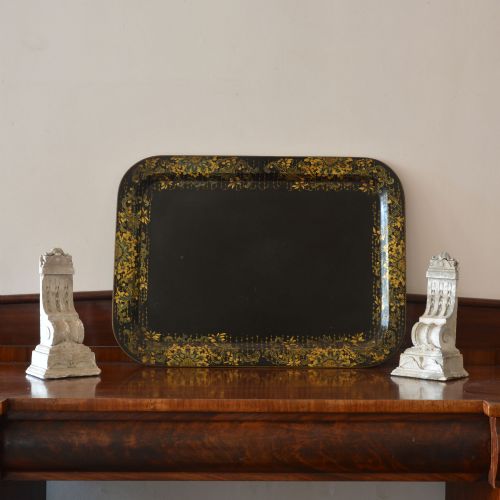
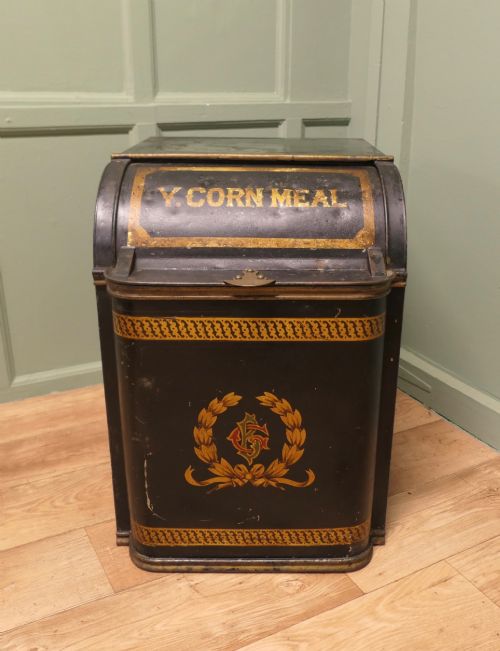
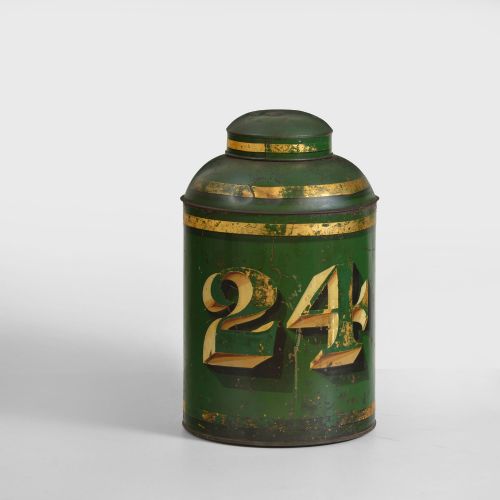
A vintage decorative tin encompasses painted metalware and glazed ceramic vessels produced across the seventeenth, eighteenth, nineteenth, and twentieth centuries. Buyers seeking a vintage decorative tin frequently encounter tea canisters, biscuit tins, and toleware trays rather than purely utilitarian boxes. These objects originate from British, French, Dutch, and Italian makers, often displaying hand-painted or transfer-printed ornament.
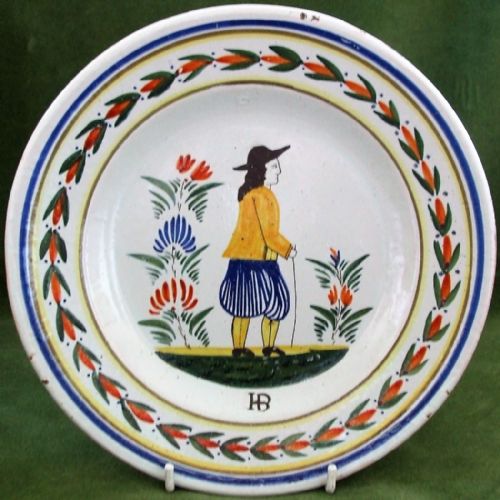
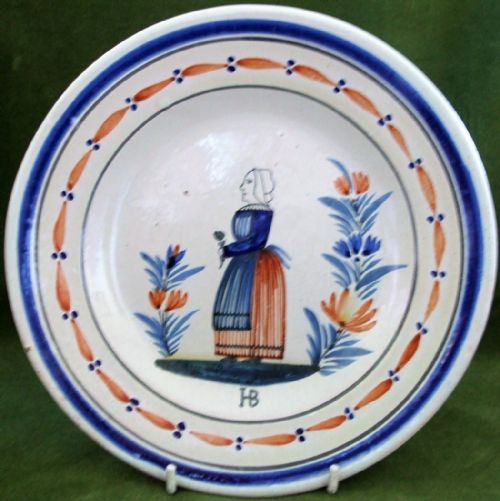
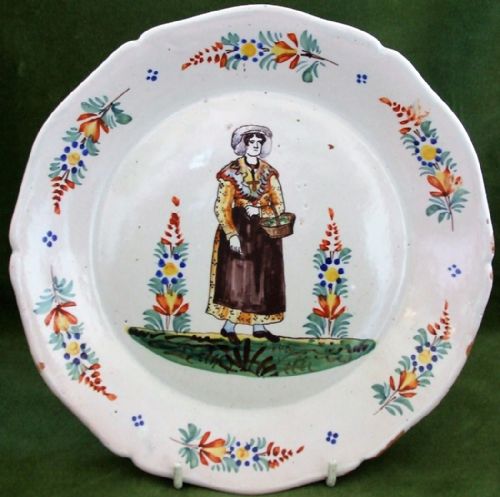
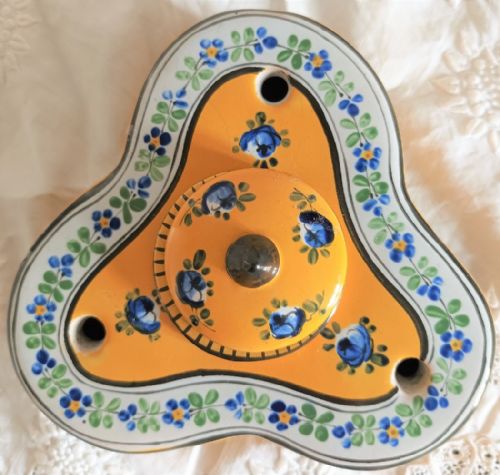
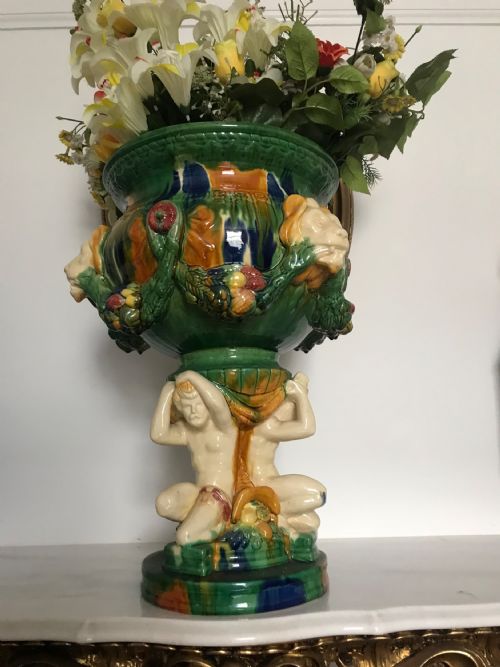
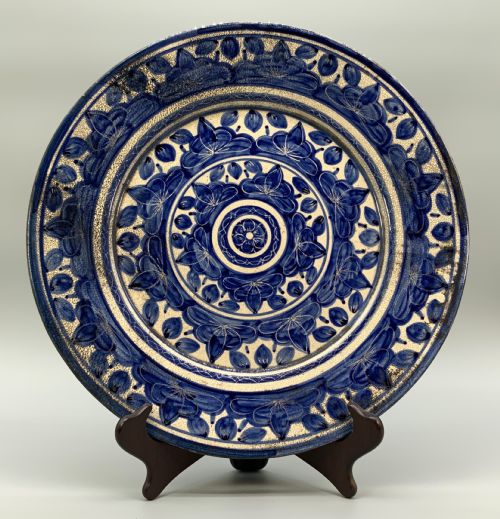
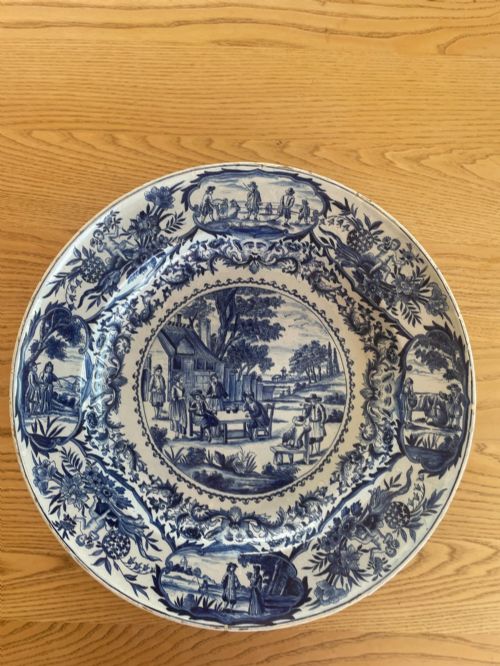
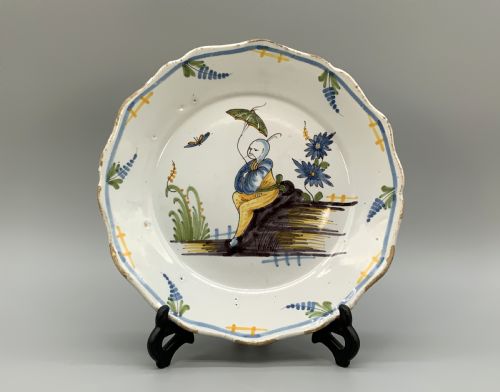
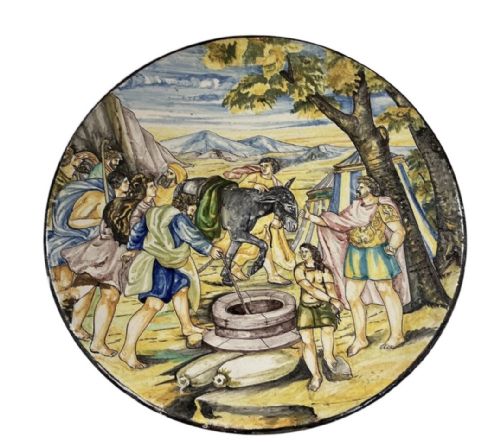
The selection ranges from grocers' shop canisters and biscuit containers shaped like satchels to lacquered boxes with trays and painted waste paper bins. Earlier items merge with tin-glazed earthenware and faience chargers in the inventory, reflecting how ceramic and metal containers overlap under this heading. Most examples date from the Victorian era up to the mid-twentieth century.
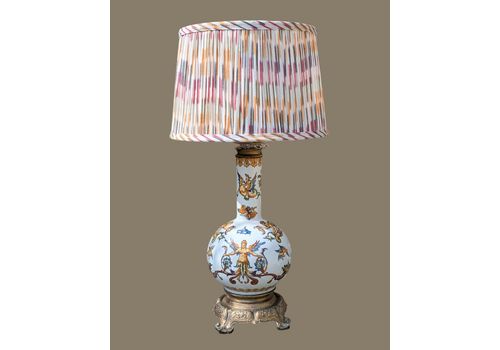
Domestic interiors benefit from these pieces as functional display items that introduce period pattern and pigment to a room. Whether utilised as table lamp conversions or left in original form as tobacco boxes and caskets, they provide portable history. The survival of original paint and glaze dictates how successfully these items integrate into contemporary spaces.
How they were made
Makers constructed metal pieces from tinplate, brass, and iron sheet, applying layers of paint and lacquer to form toleware items. Artisans utilised hand-painted techniques alongside tin-glazing on ceramic variants such as earthenware, majolica, and faience bodies. Pigments including manganese, cobalt blue, and polychrome enamels decorated the surfaces before firing or drying.
Specialised workshops formed biscuit tins into novelty shapes like Indian carved hardwood boxes and tractors through pressed metal techniques. Toleware items received protective varnish over dark grounds, while ceramic chargers underwent grand feu or high-temperature kilning to fix the lead or tin glazes. Brass rims and hinges finished many of the heavier caskets and tea canisters.
Vintage Decorative Tin Retail Price Guide 2026
Typical asking prices for vintage decorative tin among the pieces listed under this phrase on Sellingantiques today, from the lower quarter to the upper quarter. They describe what is for sale here now, not the wider market.
Materials documented across the inventory include earthenware, brass, toleware, tinplate, and paint.
What varies in quality
The crispness of hand-painted detail and the stability of the metal or ceramic body determine the standing of each piece. Superior examples retain their original polychrome pigments and lead glazes without extensive flaking or modern repainting. Finely executed novelty shapes in tinplate demonstrate greater technical ambition than standard cylindrical containers.
The sophistication of the decorative programme, whether a narrative scene after print sources or a complex Chinoiserie motif, elevates specific items above routine domestic containers. Substantial brass mountings, well-fitted lids, and intact lacquer finishes separate masterworks from utilitarian workshop stock.
William Crawfords and Son Ltd·Peek Frean and Co·H. Meeson·Gien faience pottery·Hunter and Palmer
The Vintage Decorative Tin Glossary
- Toleware
- Painted or lacquered metalware, principally iron or tinplate, developed in Europe to imitate Asian lacquer and expensive ceramics. The technique involves building up layers of dark paint or varnish before adding hand-painted floral or figural decoration.
- Tin-glazed earthenware
- Pottery coated with a white tin-opacified glaze that provides a smooth ground for painting in metallic oxides. This ceramic type encompasses Delftware and faience.
- Grand feu
- A ceramic firing process where raw glaze and body are fired together at high temperatures. This technique suits cobalt blue and manganese pigments because they withstand intense heat.
- Majolica
- A type of earthenware decorated with opaque coloured glazes over a white ground. It became popular in the nineteenth century for sculptural planters, chargers, and tableware.
Vintage Decorative Tin: Frequently Asked Questions
How were these tins used originally?
These containers served everyday storage roles in domestic and commercial settings, holding tea, tobacco, biscuits, and dry goods. Many sat on shop counters or inside parlours to keep perishable commodities dry and secure.
Over time, owners repurposed sturdy metal boxes and canisters for desk accessories or general household organisation. Their decorative exteriors ensured they remained visible in living spaces rather than hidden away in pantries.
How do I clean a painted tin surface?
Dusting gently with a dry, soft microfibre cloth is the safest method for preserving fragile paint and lacquer layers. Moisture can cause oxidation on exposed iron and lift delicate nineteenth-century pigments.
Avoid commercial cleaning fluids, abrasive pads, and soaking. Professional conservation advice should be sought if structural corrosion threatens the stability of the metal.
Are ceramic chargers and metal tins related?
Ceramic chargers and tin containers often share overlapping aesthetic roles in historical interiors, functioning primarily as decorative wall or table displays. Both categories frequently display pictorial motifs, ranging from Chinoiserie scenes to Dutch floral designs.
Market classifications group them together when dealers and collectors prize the painted surface above the core material. Both formats capture popular taste across successive decorative revivals.
How can I tell a novelty biscuit tin's age?
Novelty tins rely on the manufacturing technology of their era, particularly the development of lithographed sheet metal and pressed hinges around nineteen hundred. Maker marks stamped into the base or hidden on the rims provide definitive clues to production dates.
Stylistic references to contemporary culture, such as early tractors or imported colonial goods, help date the piece. The wear patterns on internal seams and base edges confirm handling over a century or more.