







Vintage Decorative Art
Vintage decorative art brings together varied objects from the nineteenth century onward, offering distinct focal points for interior spaces.
Vintage Decorative Art
When you search for vintage decorative art, you encounter a broad assortment of objects designed primarily for visual impact rather than utility. These items span domestic ornaments, furnishings, and architectural elements from periods such as the Edwardian era, the Victorian epoch, and the twentieth century.
The selection on this page leans heavily toward mid-to-late nineteenth and early twentieth-century creations. Vases, wall mirrors, sculptures, and table lamps appear frequently, representing distinct aesthetic movements from the past.
Origins are remarkably diverse, moving from European workshops to Japanese craft traditions and Indian folk art. Buyers find everything from small carved wooden figures to large sideboards and architectural salvage.
How They Were Made
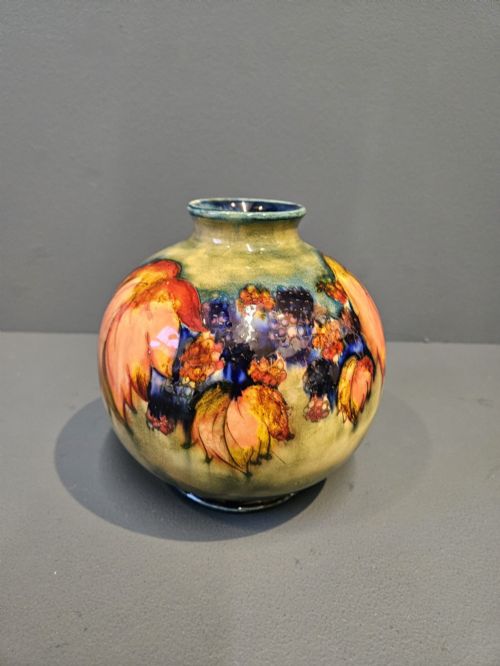
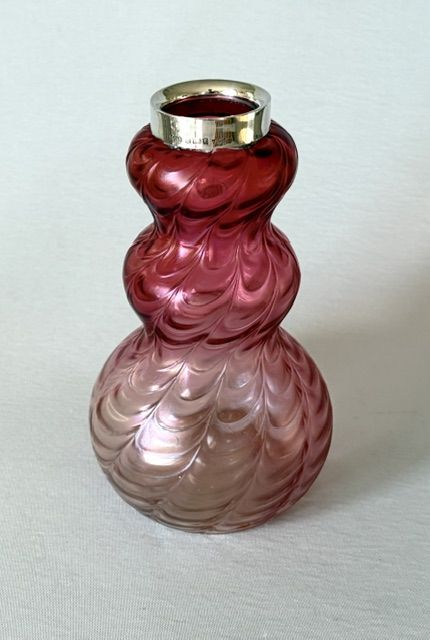
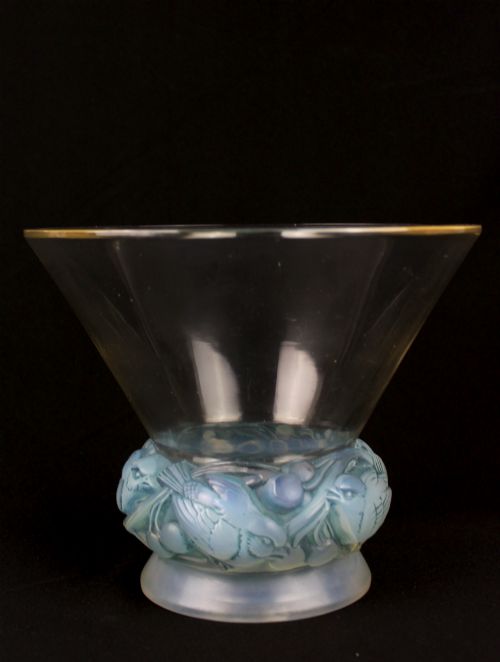
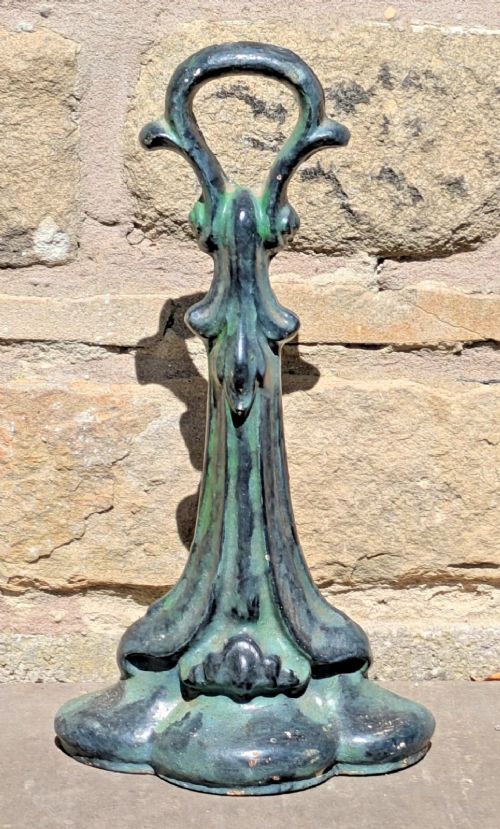
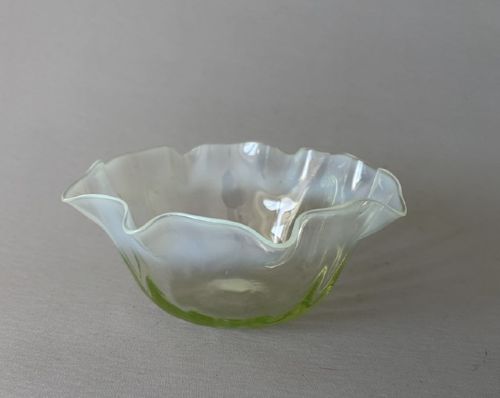
Makers utilised a wide array of raw materials, combining metals like brass, bronze, and wrought iron with organic elements such as wood, marble, and terracotta. Glass appears in notable forms, including frosted finishes, iridescent treatments, and moulded vessels.
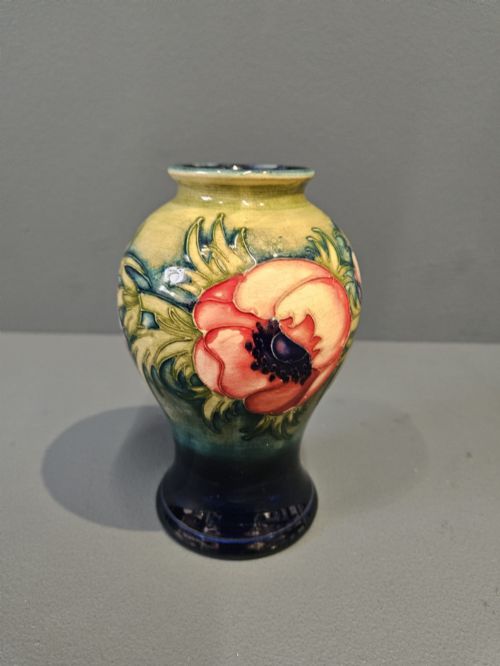
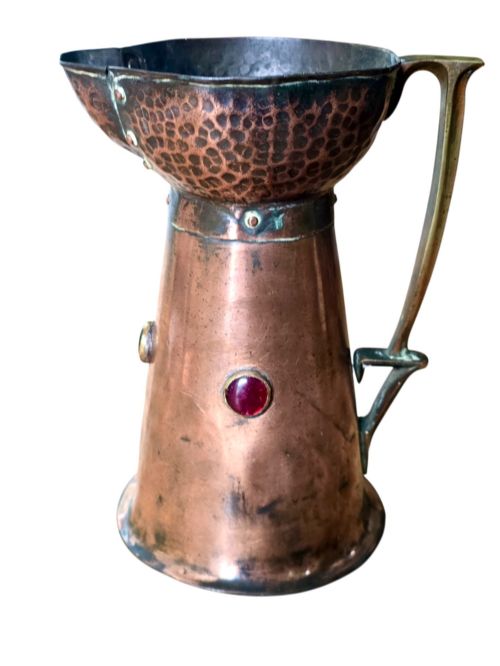
Techniques range from hammered metalwork and hand-carved cedar to cloisonné enamel and intricate tempera or oil painting on panel. Artisans employed specialised casting, glazing, and joinery methods appropriate to their specific period and regional traditions.
Vintage Decorative Art Retail Price Guide 2026
Typical asking prices for vintage decorative art among the pieces listed under this phrase on Sellingantiques today, from the lower quarter to the upper quarter. They describe what is for sale here now, not the wider market.
An antique wooden parrot perched on a brass stand observes the room with undeniable feathered dignity.
What Varies in Quality
Distinctions in quality rest largely upon the precision of the execution and the integrity of the materials. Master craftsmanship shows in the crispness of a bronze cast, the depth of an enamel colour, or the careful selection of timber figure in a cabinet.
Artistic attribution also plays a role, with documented works by recognised designers commanding greater attention than unsigned commercial pieces. The preservation of original surfaces, patination, and integrated components separates standard examples from exceptional survivals.
Hagenauer·Maurice Giraud-Rivière·Loetz·Bruno Zach·Raymond Subes·Daisy Makeig-jones·GM Elwood for JS Henry·Rene Lalique
The Vintage Decorative Art Glossary
- Art Deco
- A design style characterised by sleek geometric shapes, stylised motifs, and streamlined forms, prominent during the interwar period. It draws on machine-age influences and modern materials.
- Cloisonné
- An ancient metalworking technique where enamel paste is applied within compartments created by soldered wires. Firing produces a vibrant decorative surface across vases and vessels.
- Arts and Crafts
- A movement prioritising traditional craftsmanship, vernacular forms, and visible construction methods over mass production. It emerged in the late nineteenth century as a reaction against industrialisation.
- Architectural Salvage
- Building elements recovered from demolished or remodelled structures, such as iron screens, columns, and panels. These items are repurposed for decorative interior or garden use.
- Iridescent Glass
- Glass treated with metallic salts to produce a shimmering, rainbow-like sheen on the surface. Makers like Loetz utilised this technique to catch light dynamically.
Vintage Decorative Art: Frequently Asked Questions
What defines Art Deco decorative art?
Art Deco pieces display geometric rigour, stylised figures, and streamlined symmetry that reflect the modern machine age. Common materials include bronze, chrome, frosted glass, and exotic woods.
These items date predominantly from the interwar decades and suit contemporary interiors seeking strong graphic lines and sophisticated metallic finishes.
How do I identify Art Nouveau items?
Art Nouveau objects feature organic motifs, flowing asymmetrical plant tendrils, and undulating feminine forms inspired by the natural world. Look for iridescent glass, hammered metals, and sinuous ceramic profiles.
This aesthetic dominated around the turn of the twentieth century, prioritising handcrafted grace and fluid contours over rigid symmetry.
Where should I place large mirrors?
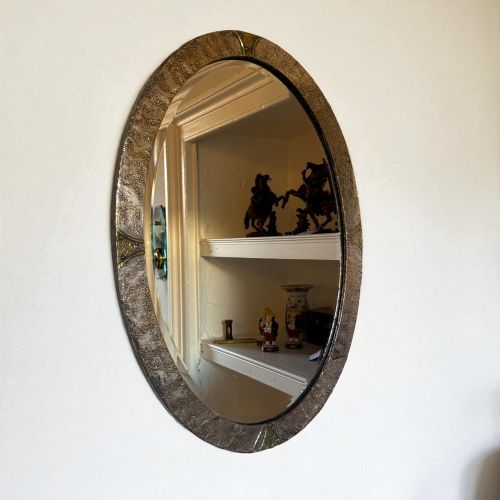
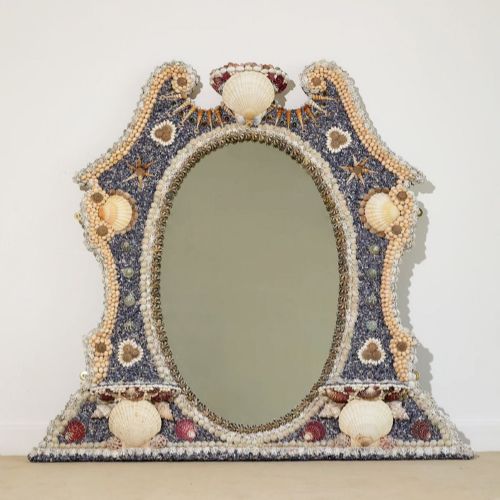
Large wall mirrors work effectively above sideboards, mantelpieces, or along hallways to amplify natural daylight and create an illusion of depth. Ensure secure wall fixings, particularly with heavy wooden frames or cast iron surrounds.
Pairing them with complementary plant stands or console tables anchors the arrangement within a room.
How should I care for bronze sculptures?
Bronze sculptures require gentle dusting with a soft, dry cloth to prevent particulate buildup on the metal surface. Avoid abrasive cleaners, moisture, and chemical polishes that can strip the original patina.
Maintaining a stable indoor humidity helps protect both the bronze casting and any integrated marble or wooden bases.