
Vintage Decorative Art Glass
Vintage decorative art glass spans striking Victorian pieces to mid-century forms, offering distinct colour and texture for collectors.
Vintage Decorative Art Glass
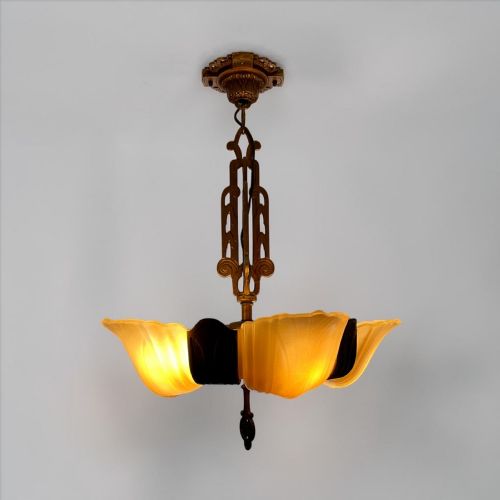
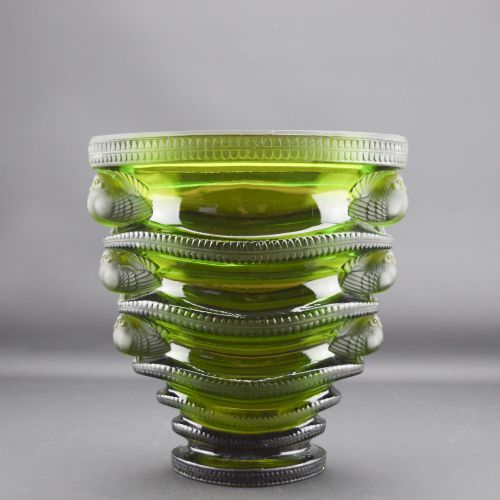
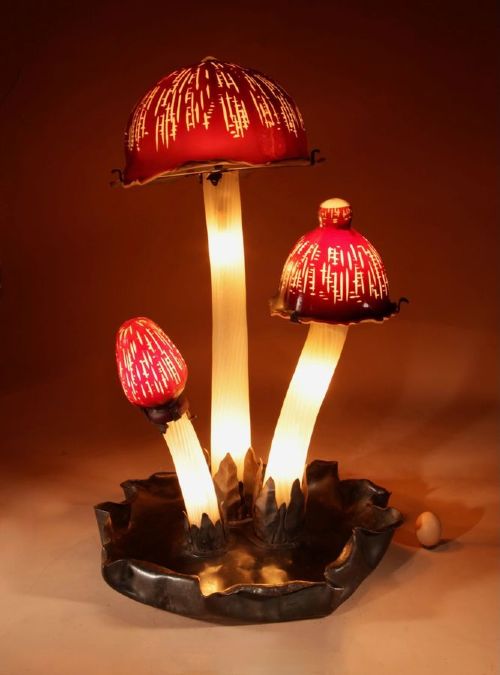
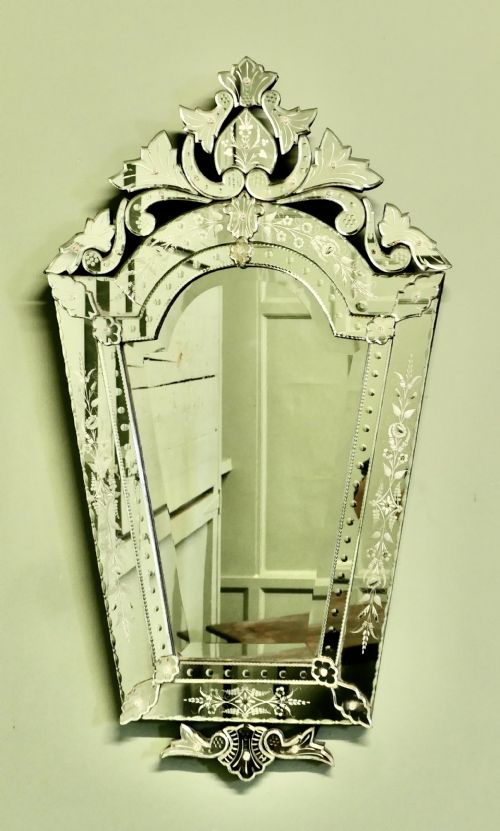
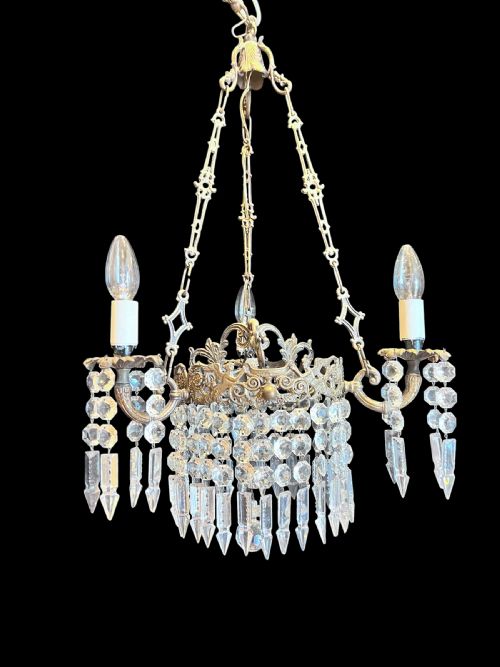
Vintage decorative art glass encompasses items created primarily for aesthetic display or domestic utility during the late nineteenth and early twentieth centuries. Pieces frequently encountered on this page include vases, decorative bowls, table lamps, and wall mirrors shaped by distinct historical movements.
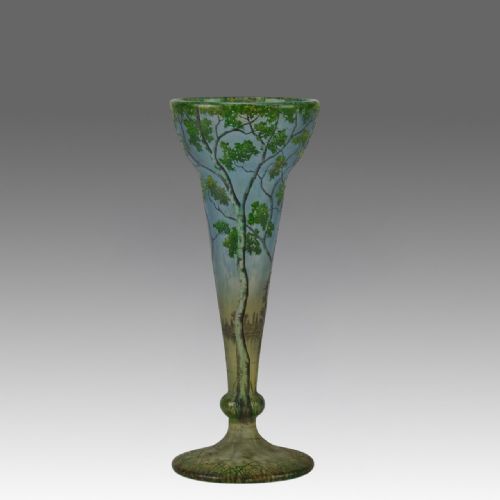
The selection reflects significant design eras such as Art Nouveau, Art Deco, and the Arts and Crafts movement. Buyers encounter objects originating from diverse European and American workshops, ranging from French cameo glass vessels to Bohemian lighting.
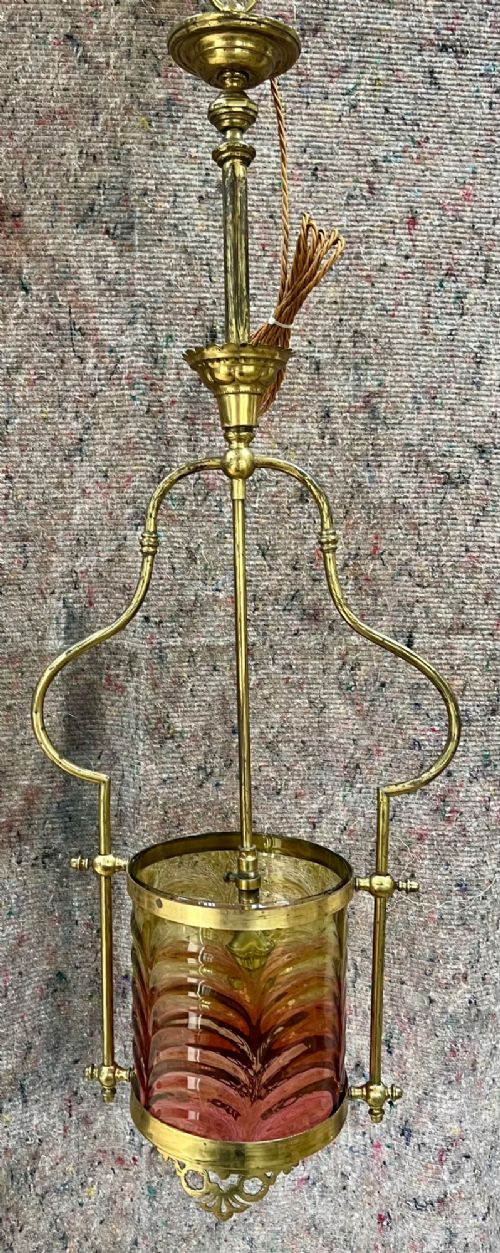
Forms vary from intricate paperweights and hanging lights to monumental vases and gilded mirrors. Each object demonstrates the distinct ornamental priorities of its period, relying on visual impact and technical skill.
How they were made
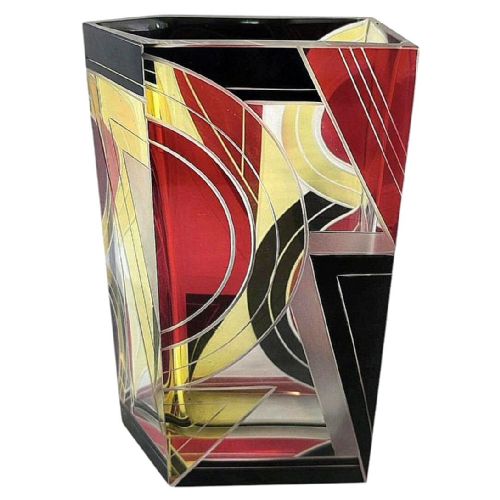
Makers utilised glass as the primary medium, frequently enhancing pieces with frosted, opalescent, or cameo layers. Techniques involved acid-etching, enamel decoration, and multi-layered glassblowing to achieve depth of colour and texture.
Metal components such as brass, bronze, and iron frequently support or frame the glass elements in lamps, mirrors, and chandeliers. Wood and enamel also appear as complementary materials in specific frames and decorative figures.
One lonely bell pull from Belgium quietly waits to summon staff from across the Victorian parlour.
What varies in quality
Quality depends on the complexity of the glass manipulation and the precision of the finishing details. Multi-layered cameo carving and detailed acid-etching require advanced technical control that distinguishes superior examples from standard production.
The integration of secondary materials such as cast brass or gilt frames influences the overall character of the piece. Superior items exhibit balanced proportions between the glass body and its metal or enamel mountings.
Rene Lalique·Daum Frères·Emile Galle·Georges Leleu·Karl Palda·Thomas Webb and Sons·Venini
The Vintage Decorative Art Glass Glossary
- Cameo glass
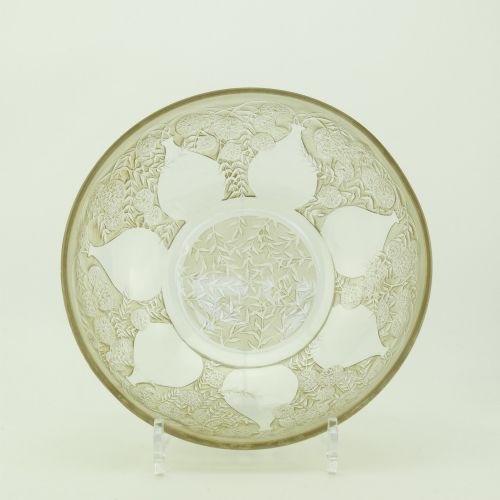
- Glass vessels produced by fusing layers of different colours and carving away the exterior layer to create a raised design. This technique requires exceptional skill.
- Opalescent glass
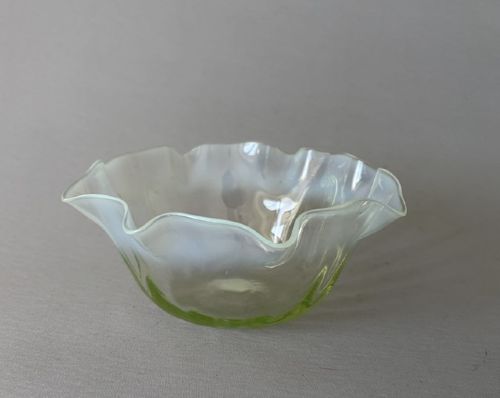
- Glass that diffuses light with a milky, translucent appearance, often showing shifting tones of blue and orange. It was widely utilised by twentieth-century French makers.
- Millefiori
- A glasswork technique involving multi-coloured canes sliced to reveal patterns resembling flowers. It is commonly found in decorative paperweights.
- Enamel decoration
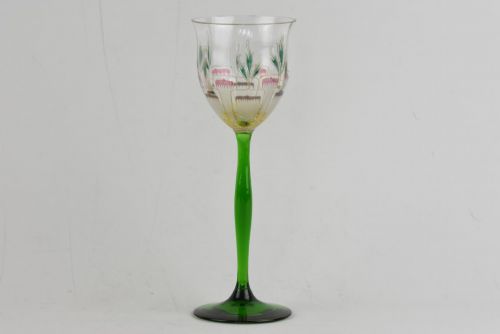
- The application of melted glass powder to a surface for colouring and patterning. Artisans fired the piece to fuse the decorative layer permanently.
- Frosted glass
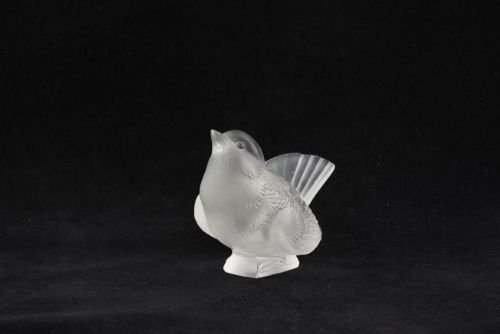
- Glass treated to achieve a textured, matte surface that diffuses light softly. It appears frequently in lighting fixtures and decorative bowls.
Vintage Decorative Art Glass: Frequently Asked Questions
How do I date vintage art glass?
Dating relies on stylistic markers associated with specific periods, such as the sinuous lines of Art Nouveau or the geometric symmetry of Art Deco.
Maker signatures, etched marks, and material composition also provide reliable chronological indicators.
Where were these glass pieces made?
Production centres were concentrated across Europe, with significant output from French studios, Bohemian workshops, and English glasshouses.
Italian makers also contributed notable paperweights and vessels during the early twentieth century.
How should I display art glass lamps?
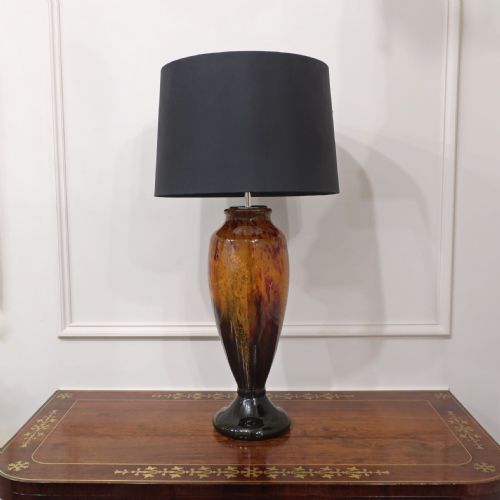
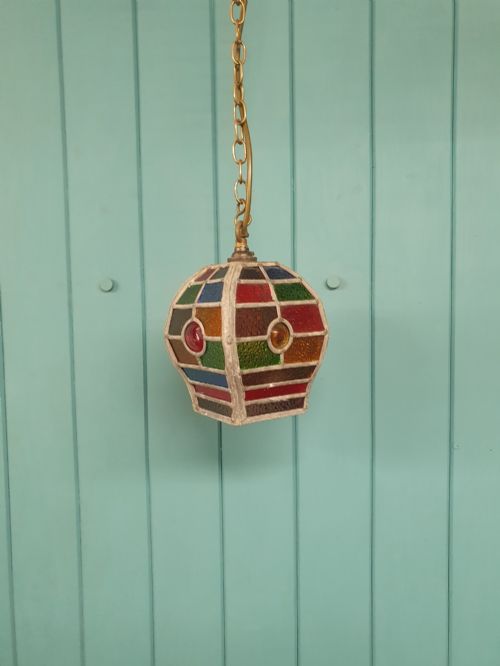
Art glass lamps and lanterns benefit from placement where natural or artificial light passes directly through the coloured or frosted panels.
Positioning them on stable wooden tables or hanging them securely lets the illumination highlight the decorative surface textures.
What is cameo glass?
Cameo glass is a vessel formed from multiple fused layers of contrasting glass colours.
Artisans carved away the outer layer by hand to leave a prominent relief design against the background.