



French Cameo Vase Collectable
These french cameo vase collectable pieces combine layered glass and distinct etching to bring fine craftsmanship into your home.
French Cameo Vase Collectable
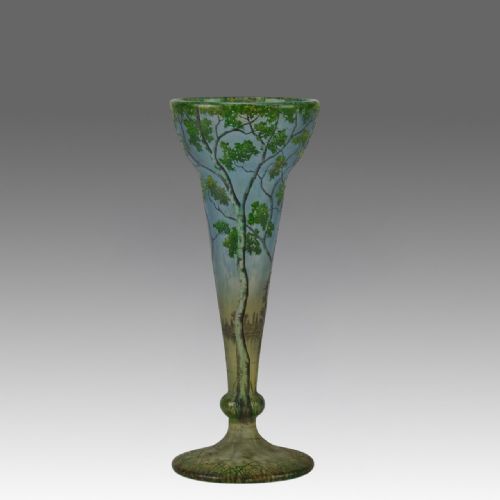
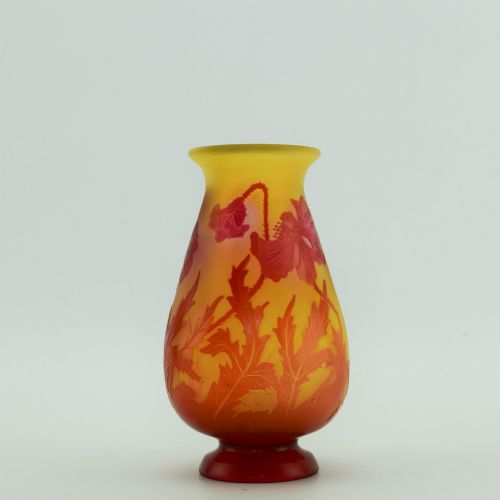
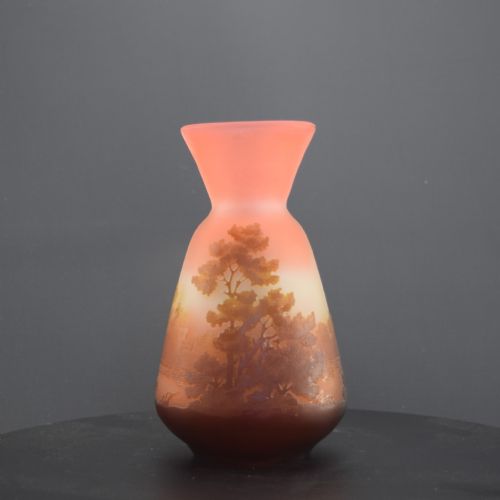
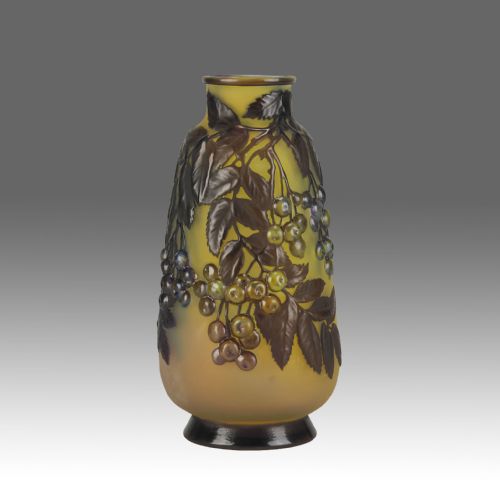
When you search for a french cameo vase collectable, you are looking at decorative vessels shaped by masters of turn-of-the-century glassmaking. These objects typically display botanical, landscape or aquatic motifs rooted in the Art Nouveau style.
The pieces on this page span several decades around nineteen hundred, featuring works attributed to prominent French makers. You are most likely to encounter vases showcasing layered glass techniques with naturalistic subjects such as florals, thistles and landscapes.
Each vessel represents a specific aesthetic movement that prized organic forms and intricate surface decoration. Collectors value these items for their distinct visual weight and the technical mastery required to carve through contrasting layers of glass.
Materials and methods
Makers utilised layered glass to build up contrasting colours before applying acid-etching techniques to reveal the design. This process involved submerging the vessel in acid multiple times to eat away at the outer strata.
Some pieces incorporate enamel, frosted glass or gold leaf details to enhance the visual depth of the carved motifs. The combination of cameo glass and careful manual finishing creates the signature tactile surface of these works.
The listings on this site feature pieces from the late nineteenth and early twentieth centuries, centred predominantly around the Art Nouveau style.
Assessing quality
Quality rests upon the depth of the carving and the precision of the acid-etching across the glass layers. Finer examples display a crisp transition between colours and a balanced composition that harmonises with the form of the vase.
The sophistication of the subject matter, from detailed landscapes to complex floral arrangements, dictates the standing of an individual piece. Stronger works demonstrate a seamless integration between the naturalistic design and the underlying glass body.
Daum Frères·Gallé
The French Cameo Vase Collectable Glossary
- Cameo Glass
- A form of glass created by fusing layers of different colours together and carving or etching away the exterior layers to form a raised design. This technique requires immense precision to avoid cutting through the background.
- Acid-Etched Glass
- Glass treated with hydrofluoric acid to eat away exposed areas and create textured or recessed patterns. It serves as the primary method for defining the intricate details on these vessels.
- Frosted Glass
- Glass with a milky, matte appearance produced by acid-treatment or sandblasting. It provides a soft background that makes the darker cameo layers stand out.
- Enamel
- Opaque vitreous material fused onto the surface of the glass for added colour and decoration. Artists used it to highlight specific elements of a botanical or landscape design.
French Cameo Vase Collectable: Frequently Asked Questions
What is a french cameo vase collectable?
These are decorative glass vessels created in France around the turn of the twentieth century using layered glass and acid-etching. They are defined by distinct Art Nouveau motifs and intricate carving.
Collectors seek them out for their artistic merit and historical connection to renowned glasshouses of the period. Each piece represents a pinnacle of decorative glass production.
How do I display these vases?
Position them in areas with good natural light to highlight the translucent qualities of the layered glass. Placing a piece near a window allows the colours and etched details to stand out.
Keep them away from direct sunlight for extended periods and ensure they rest on stable surfaces away from busy household traffic. A secure shelf or cabinet provides an ideal setting.
How do I identify periods?
Look to the stylistic cues and signatures present on the surface of the glass. Works from this era typically exhibit Art Nouveau characteristics and specific maker signatures.
Cross-referencing the subject matter, such as botanical or landscape designs, helps determine the approximate decade of production around nineteen hundred.
How were these pieces used?
They served primarily as decorative art objects within fine homes, showcasing the wealth and taste of the owner. Their intricate designs made them centrepieces for mantlepieces and display cabinets.
While functional as vases, their delicate cameo structures mean they were often kept purely for display rather than holding fresh flowers.