


Vintage Cushion Diamond Ring
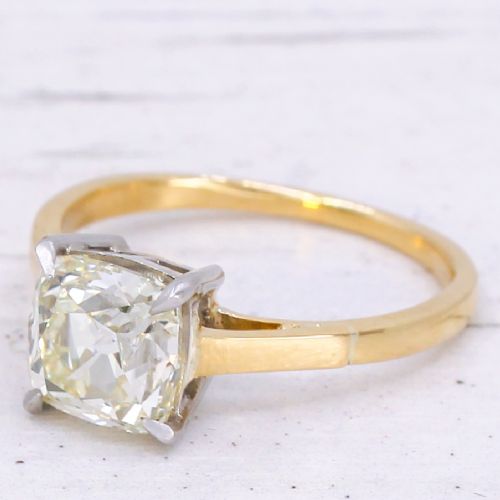
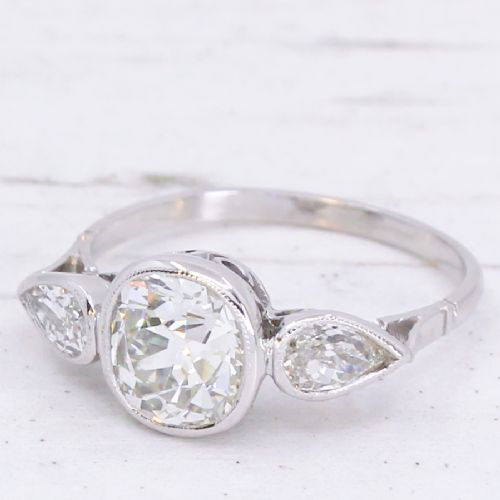
A vintage cushion diamond ring brings together the soft, pillow-like brilliance of historical cut stones and the distinct character of past decades.
Vintage Cushion Diamond Ring
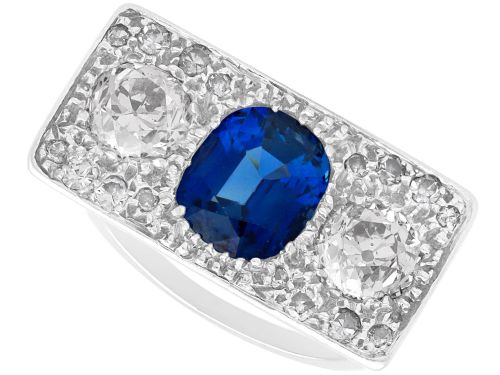
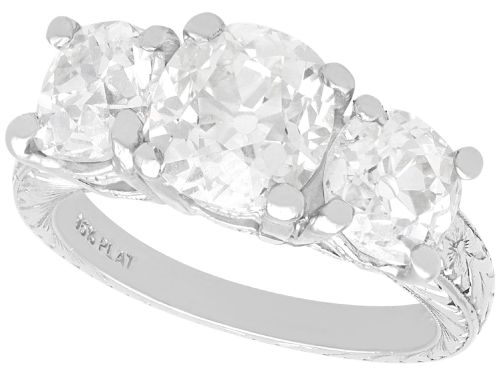
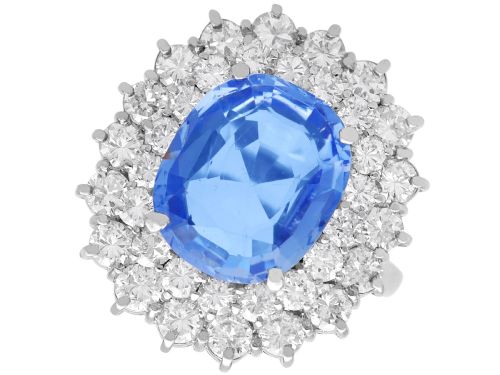
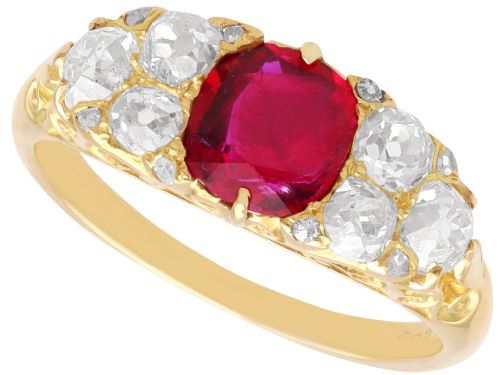
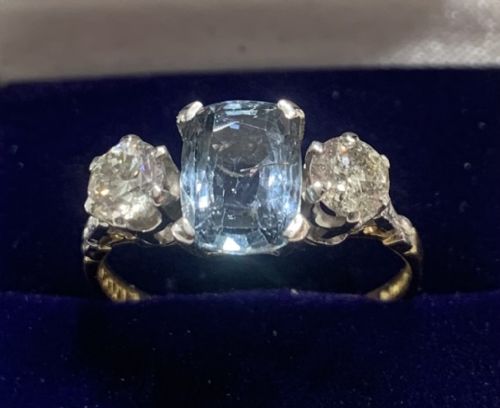
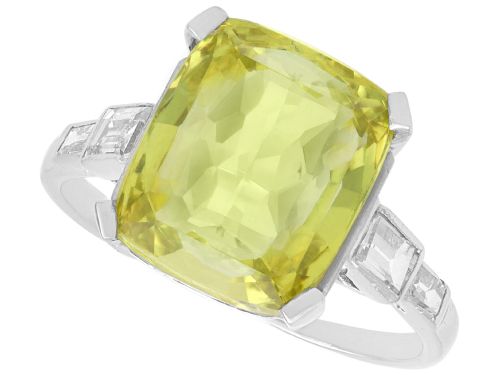
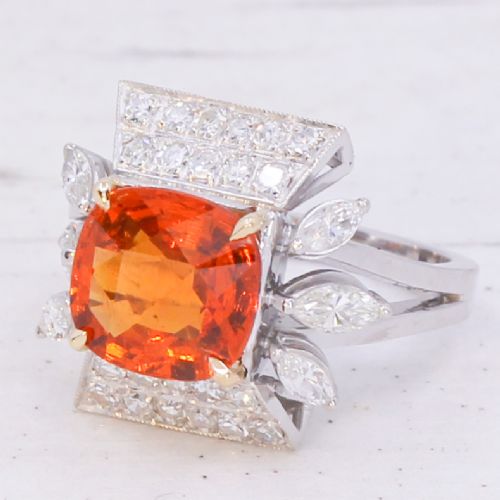
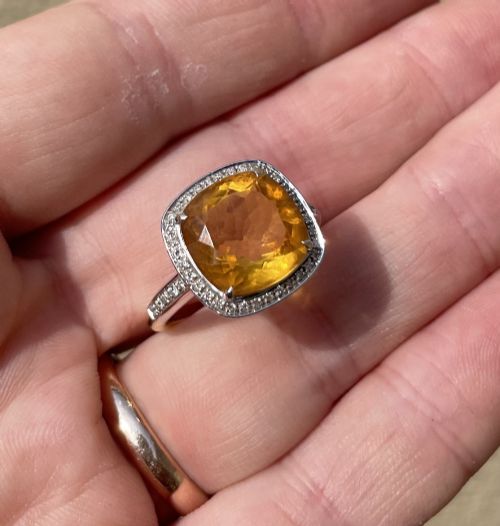
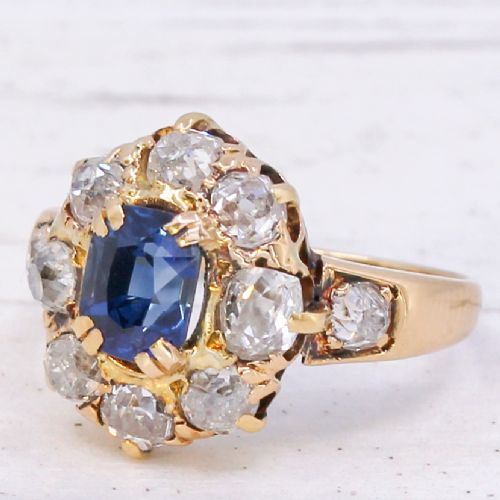
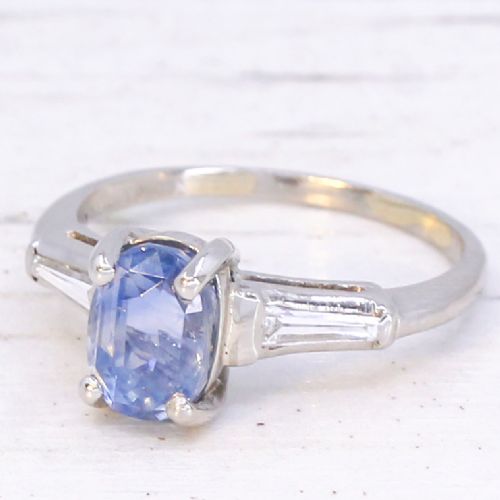
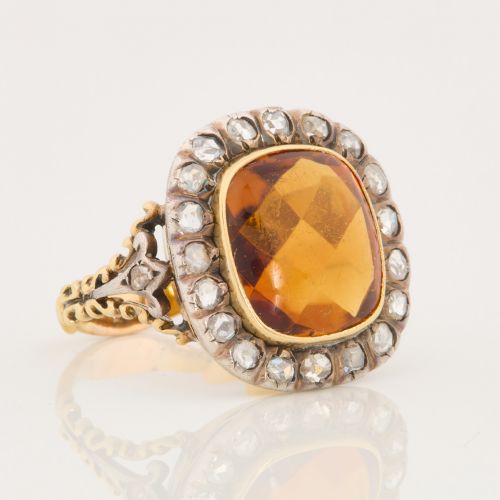
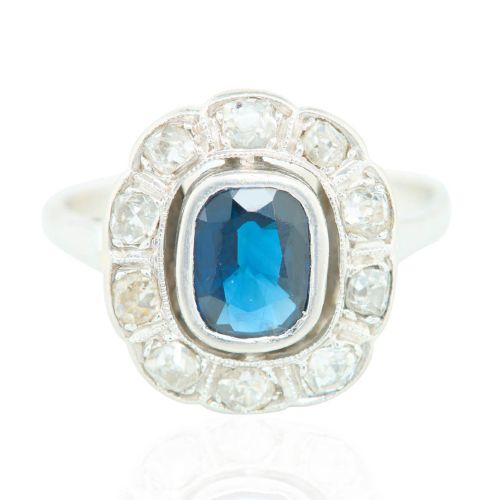
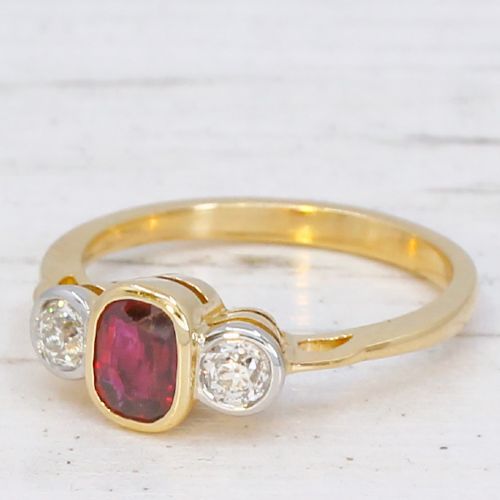
A vintage cushion diamond ring encompasses engagement rings, cocktail rings, and dress rings spanning periods from the Victorian era through the mid-twentieth century. The cushion cut stone, characterised by rounded corners and larger facets, frequently appears alongside accent gems such as sapphires, rubies, and tourmalines.
Buyers browsing this selection encounter pieces built in platinum, yellow gold, and white gold. Art Deco and Edwardian designs dominate the aesthetic, presenting geometric settings or delicate clusters that frame the central diamond.
Solitaire and cluster arrangements are common among these items, with older cuts providing a different visual depth compared to modern equivalents. The historical context of each piece adds distinct personality to the finger.
Materials and construction methods
Platinum and various purities of gold, including 18ct yellow and white gold, serve as the primary structural metals for these mountings. Platinum gained widespread favour during the Edwardian and Art Deco periods for its strength, allowing intricate, lace-like wirework and secure bezel or prong settings.
Gems were hand-cut and hand-set by jewellers working before the era of mass production. Old mine cuts and transitional cuts display high crowns and smaller tables, shaped individually by hand rather than by automated laser technology.
Vintage Cushion Diamond Ring Retail Price Guide 2026
Typical asking prices for vintage cushion diamond ring among the pieces listed under this phrase on Sellingantiques today, from the lower quarter to the upper quarter. They describe what is for sale here now, not the wider market.
The listings here include rings from the Victorian era through the 1960s, featuring platinum and gold alongside unheated sapphires.
Distinguishing quality in historical rings
Quality rests in the harmony between the gemstone and its metal setting. Master jewellers ensured that the proportions of the cushion cut diamond balanced the surrounding gallery work without hiding the stone.
The integrity of the original claw work or bezel setting determines how securely the diamond is held. Superior examples maintain crisp geometric lines in Art Deco mountings or smooth, unpolished contours in earlier Victorian pieces.
The Vintage Cushion Diamond Ring Glossary
- Cushion cut
- A diamond shape featuring rounded corners and larger facets that resemble a pillow. This cutting style dates back to the nineteenth century and earlier.
- Old mine cut
- An early form of cushion diamond with a high crown, small table, and deep pavilion. These stones were hand-faceted under candlelight.
- Cluster ring
- A ring design featuring a central stone surrounded by a border of smaller gemstones. Diamonds frequently encircle sapphires, rubies, or citrines in this arrangement.
- Transition cut
- A diamond cut used during the period when cutters moved from old cuts to modern brilliant cuts. It bridges the proportions of both styles.
- Platinum
- A dense, white metal utilised extensively in Edwardian and Art Deco jewellery. Its durability permitted delicate openwork settings.
Vintage Cushion Diamond Ring: Frequently Asked Questions
What is an old mine cut diamond?
An old mine cut diamond is a historical stone shape with a nearly square girdle, rounded corners, and a smaller table facet. Cutters shaped these diamonds by hand to maximise sparkle under low indoor lighting.
Such stones display deep pavilions and open culets visible through the back of the diamond. They form the centrepiece of many Victorian and Edwardian rings.
How do I care for a platinum mounting?
Platinum is a durable metal that develops a soft patina over time through daily wear. Cleaning requires only warm water, mild washing-up liquid, and a soft brush to remove accumulated oils.
Avoiding harsh household chemicals preserves the integrity of any surrounding gemstones and claw settings. Periodic inspection by a specialist ensures the security of the central diamond.
What defines an Art Deco ring?
Art Deco rings showcase strong geometric lines, symmetry, and contrasting materials such as platinum paired with calibre-cut sapphires. This design movement flourished during the 1920s and 1930s.
Craftsmen utilised channel settings and openwork filigree to create architectural patterns. These pieces represent a distinct departure from the flowing floral motifs of the preceding Edwardian era.
Can I wear an antique ring daily?
Many buyers wear historical engagement rings every day provided the setting is structurally sound. Platinum and high-carat gold offer sufficient durability for regular use when maintained properly.
Removing the jewellery during heavy manual work or swimming protects the metal and stones from damage. Regular checks by a jeweller help catch loose settings early.