






Traditional Diamond Solitaire Ring
A traditional diamond solitaire ring focuses all attention on a single stone, combining lasting design with enduring sentimental value.
Traditional Diamond Solitaire Ring
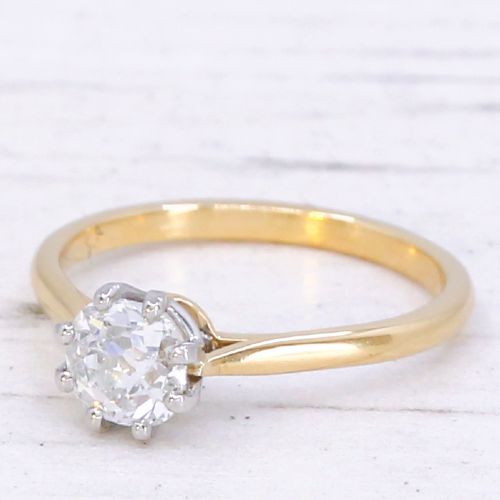
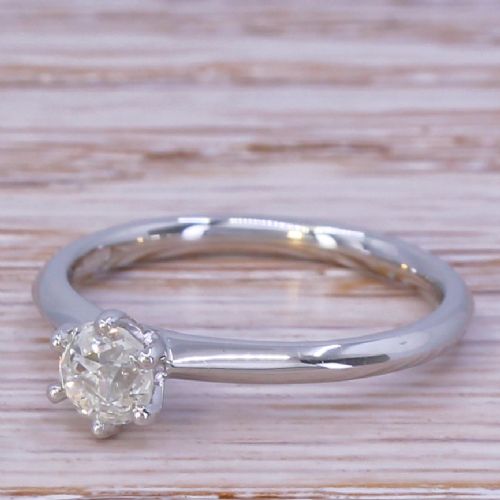
A traditional diamond solitaire ring centres upon a single diamond held securely within a precious metal band. The selection available spans distinct eras including the Victorian period, 1900, 1920, 1930, 1940, and 1960.
Forms include engagement rings and classic rings featuring old cut, old cushion cut, mine cut, and illusion set stones. Platinum and various gold purities such as 9ct, 18ct yellow gold, 18ct white gold, and 22ct gold provide the mountings.
How they were made
Craftsmen forged these traditional diamond solitaire ring mounts using platinum and yellow, white, or high purity gold. Diamonds feature hand-faceted cuts including old cuts, old cushion cuts, and mine cuts characteristic of their respective periods.
Mountings utilise techniques such as illusion settings to enhance the visual presence of the centre diamond. Metal selection ranges from 9ct up to 22ct gold alongside durable platinum.
Traditional Diamond Solitaire Ring Retail Price Guide 2026
Typical asking prices for traditional diamond solitaire ring among the pieces listed under this phrase on Sellingantiques today, from the lower quarter to the upper quarter. They describe what is for sale here now, not the wider market.
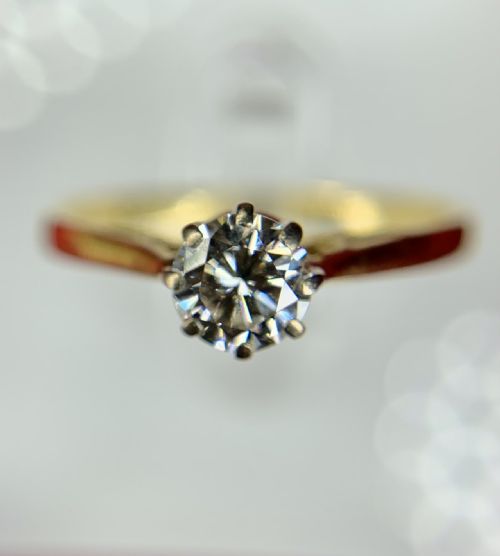
An unexpected 1940s piece pairs traditional diamond solitaire styling with bright red ruby accents.
What varies in quality
Quality differences rest in the diamond cut, colour grading, and clarity evident in reports or physical inspection. Older hand-cut stones possess unique facet patterns that differentiate them from later brilliant cuts.
The choice of metal alloy, from 9ct gold to solid platinum and 22ct gold, alters the weight and durability of the band. Precision in the setting work, such as illusion settings, dictates how refined the profile appears.
The Traditional Diamond Solitaire Ring Glossary
- Solitaire
- A piece of jewellery featuring a single gemstone set on its own. This setting highlights the central stone without distraction from side stones.
- Old Cut
- A diamond cut style originating before modern brilliant cutting standards were established. These stones typically feature smaller tables and larger culets.
- Illusion Set
- A setting technique where a metal plate surrounds the diamond to make the stone appear larger. This method was popular in Victorian and vintage designs.
- Mine Cut
- An early form of diamond cutting with a cushion shape and high crown. These stones are commonly found in antique and period pieces.
- Platinum
- A dense, durable, and naturally white precious metal utilised for fine jewellery mountings. It provides secure settings for antique diamonds.
Traditional Diamond Solitaire Ring: Frequently Asked Questions
How do I identify the period?
Periods are identified through hallmarks, mounting styles, and diamond cutting techniques. Pieces span Victorian designs, early twentieth-century mine cuts, and 1960s gold bands.
Examining the metal purity marks and the facet arrangement of the stone provides clear indicators of age.
What metals are used?
Mountings utilise platinum, 9ct gold, 18ct yellow gold, 18ct white gold, and 22ct gold. Platinum offers a bright white, durable finish favoured in earlier periods.
Gold choices vary in colour and purity, influencing the overall weight and tone of the band.
How do I care for my ring?
Clean the metal and diamond using warm soapy water and a soft brush to remove everyday debris. Regular inspection of the settings ensures the stone remains secure.
Store the ring in a dedicated box to prevent scratching against other jewellery.