


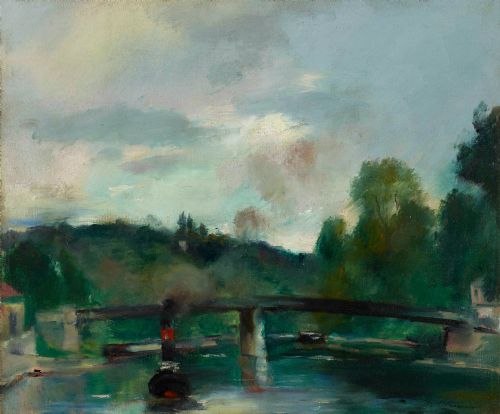
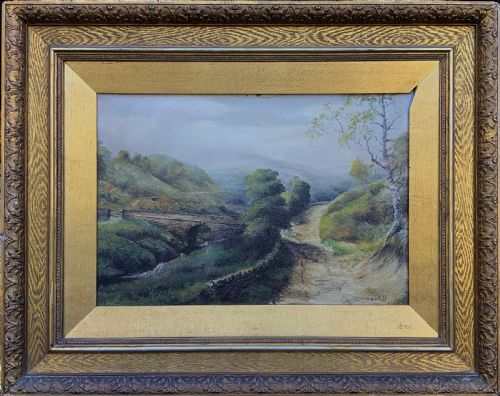

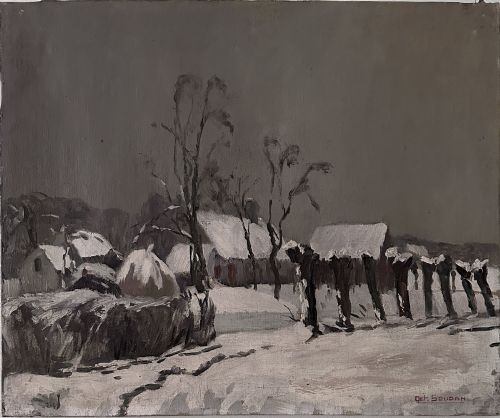
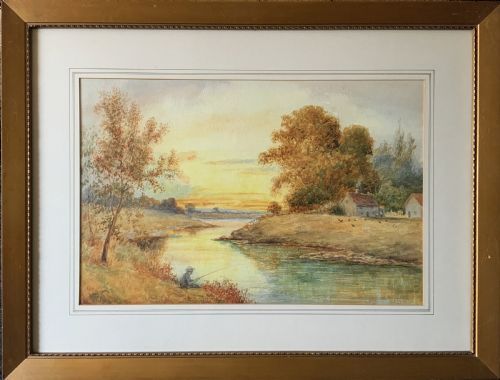

Vintage Countryside Scene Painting
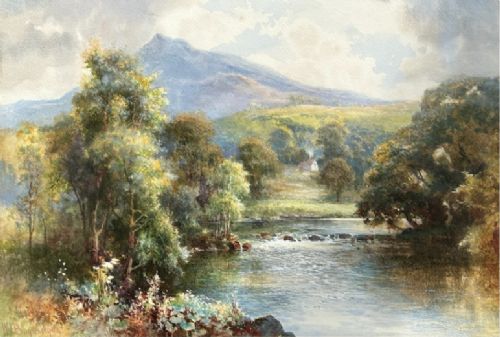
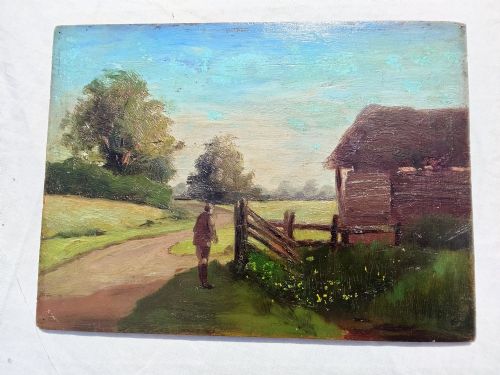
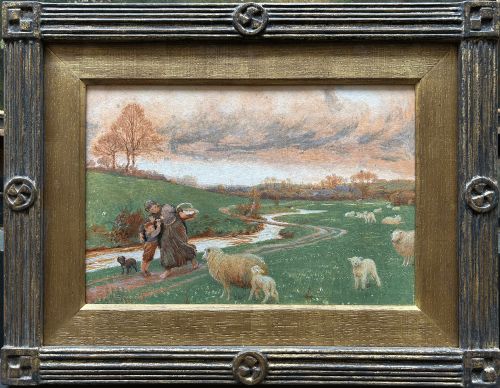
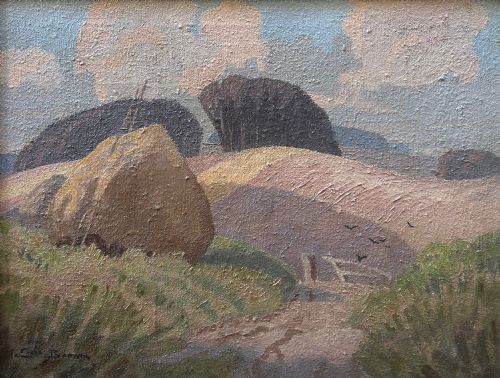
These vintage countryside scene painting works capture pastoral life across Britain and Europe through oils and watercolours spanning the Victorian era to the mid-twentieth century.
Vintage Countryside Scene Painting
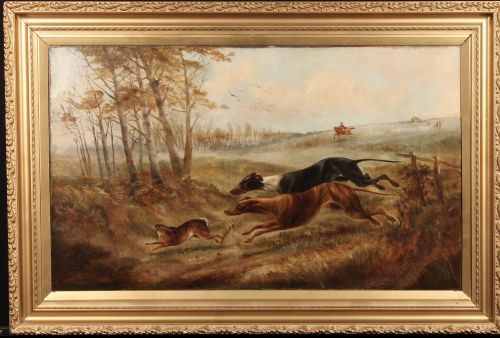
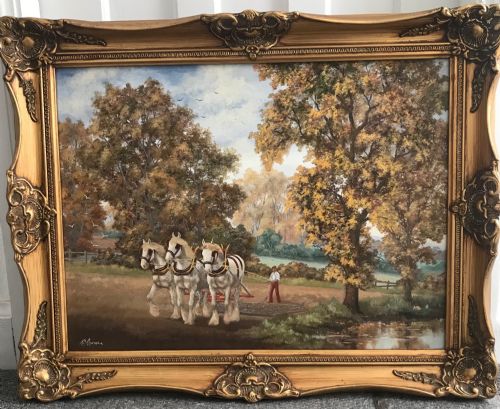
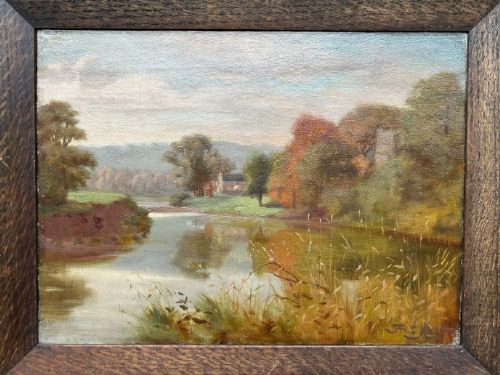
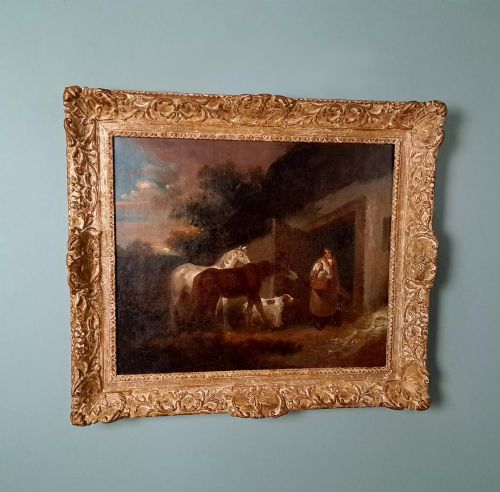
A vintage countryside scene painting depicts rural life, agricultural work, and pastoral landscapes through the eyes of artists working from the nineteenth century into the mid-twentieth century. Buyers searching this phrase encounter framed works showing thatched cottages, river banks, hay carts, and ploughing horses set against British and European fields.
The selections available here lean heavily towards traditional oil paintings on canvas or wood panel alongside watercolours on paper. Pieces range from Victorian sporting art and English School compositions to works touched by British Impressionism and Post-Impressionism.
These rural depictions offer a direct window into historical farming methods and lost country habits, rendered by named painters and skilled provincial hands alike. Most examples date from the Edwardian period through to the nineteen-fifties, capturing changing rural moods in oil paint and watercolour.
Materials and methods
Painters relied predominantly on oil paint applied to stretched canvas, wooden boards, or wooden panels, building rich textures that retain their pigment over generations. Watercolours on paper provide a lighter, more transparent record of river valleys and upland farms, frequently protected behind glass.
Supports varied according to the era and scale, with sturdy canvases accommodating larger landscape sweeps while smaller panels suited plein air sketches created directly in the fields. Traditional framing in gilt wood, ebonised surrounds, or moulded frames completed the construction.
Several canvases preserve the accidental footprint of a curious farmyard cat or the stray hair of a tired nineteenth-century brush.
Distinctions in quality
The distinction between standard provincial works and finer pieces rests upon the artist's brushwork control, atmospheric depth, and the convincing rendering of light across natural terrain. Superior examples demonstrate a confident handling of pigment that creates genuine perspective and movement within the rural setting.
Compositional balance and the accurate depiction of rural anatomy, such as working shire horses or river fisheries, elevate certain works above generic cottage scenes. The integrity of the original support and the sympathetic preservation of the paint surface further define the standing of each piece.
George Armfield·William Joseph Shayer Senior·Frederick Marriott·Benjamin Williams Leader·Herbert Royle·Charles Vickers
The Vintage Countryside Scene Painting Glossary
- Oil paint
- A slow-drying paint made by mixing pigments with oils such as linseed, allowing artists to blend tones and build thick impasto layers. It remains the dominant medium for durable landscape canvases.
- Watercolour painting
- A painting method where coloured pigments are suspended in a water-soluble binder, typically applied to heavy paper to create translucent washes of light. These works require framing under glass to prevent moisture damage.
- English School
- A collective term used for artists working within Britain who shared stylistic traditions without necessarily forming a formal movement. Their output heavily shaped rural landscape painting.
- Impressionism
- A nineteenth-century painting style characterised by relatively small, thin yet visible brush strokes and an emphasis on accurate depiction of light. British variations adapted these principles to familiar rural scenes.
- Panel
- A flat piece of wood used as a rigid support for painting instead of flexible canvas. Wooden boards provided a stable surface for smaller pastoral scenes.
Vintage Countryside Scene Painting: Frequently Asked Questions
How do I date an old landscape painting?
Dating relies on stylistic clues, framing methods, and the physical composition of the canvas or wooden panel. Victorian and Edwardian works often carry distinct brushwork techniques and canvas stamps that point to specific decades.
Signatures, exhibition labels on the reverse, and biographical details of the artist further narrow down the exact period of execution.
What is the difference between oil and watercolour country scenes?
Oil paintings utilise heavy pigments on canvas or board, offering rich textures and deep colour layering that withstands ageing well. Watercolours employ translucent washes on paper, resulting in lighter, more delicate imagery.
Oils were typically painted for permanent wall display in substantial frames, whereas watercolours offered portable records of rural topography.
Where should I hang a rural landscape painting?
These works suit traditional living spaces, dining rooms, or studies where natural light complements the earthy tones of fields and rivers. Avoid placing them in direct sunlight or damp environments to protect the paint or paper.
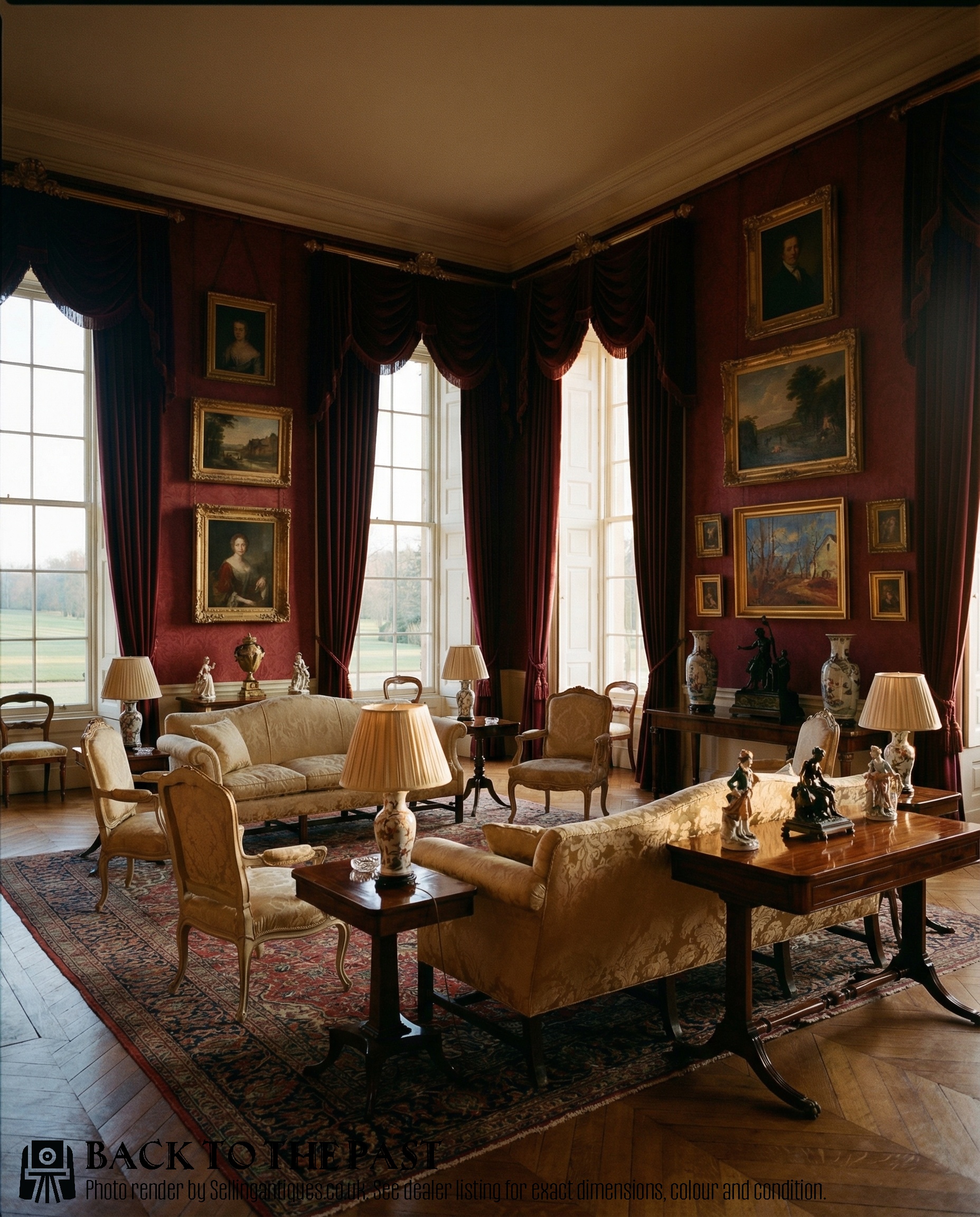
Pairing a framed oil painting with period furniture helps anchor the historical aesthetic of the room.
How do I identify the English School style?
The English School encompasses generations of artists who focused on naturalistic portrayals of the British countryside, coastal views, and rural labour. Their output prioritises atmospheric weather conditions and topographical fidelity.
Brushwork in these pieces is typically controlled and observant rather than purely abstract, reflecting a deep engagement with local geography.