
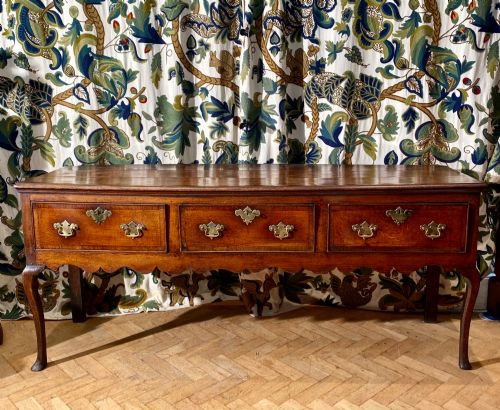
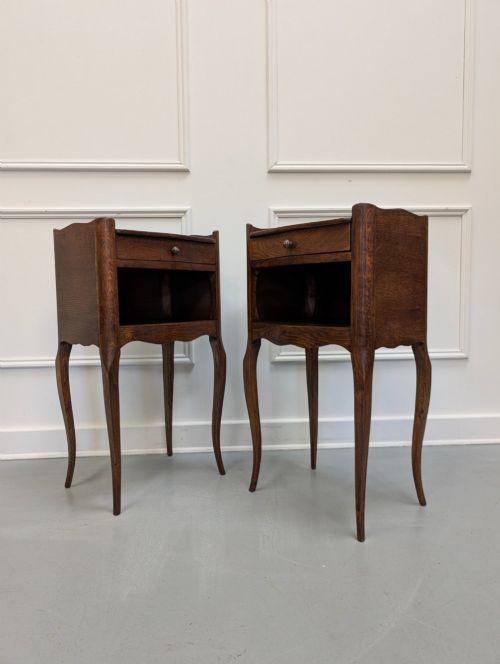
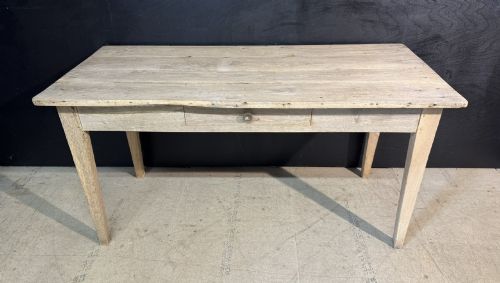
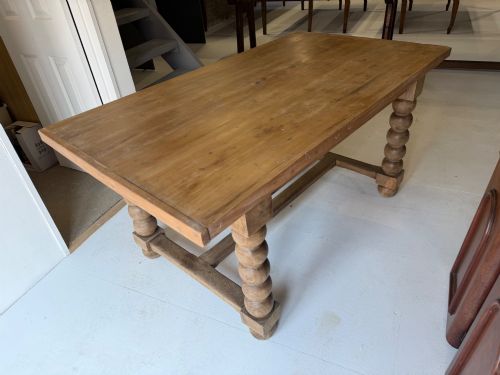

Vintage Country Side Tables
These vintage country side tables bring honest utility and timeworn character to any room through sturdy timbers and simple lines.
Vintage Country Side Tables
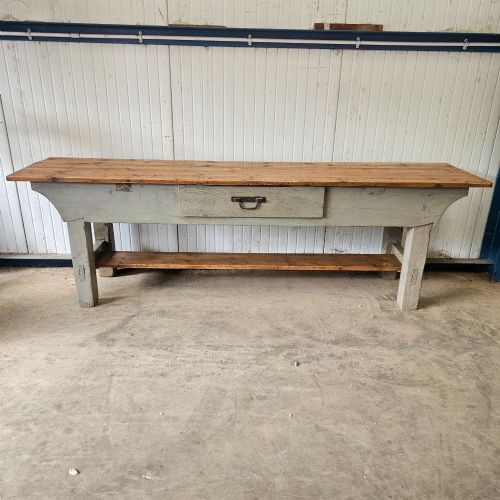
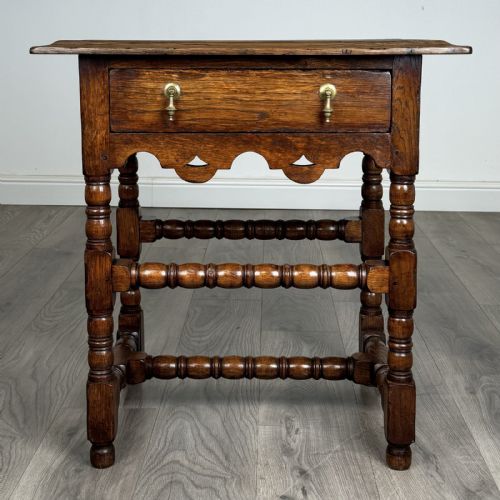
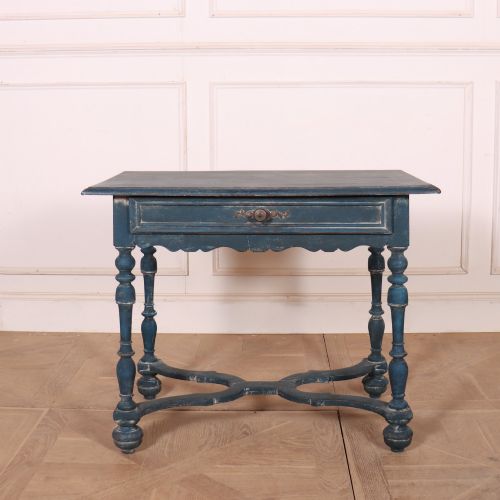
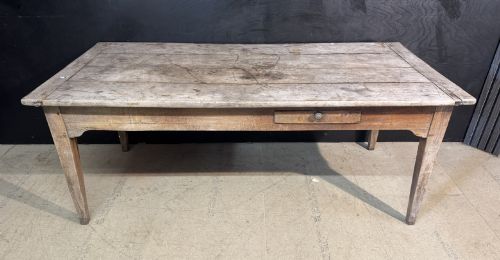
Vintage country side tables encompass a practical group of domestic furnishings designed for daily household use across various regional traditions. When exploring vintage country side tables, buyers encounter utilitarian forms rooted in English, French, and Swedish domestic spaces.
Materials and construction methods
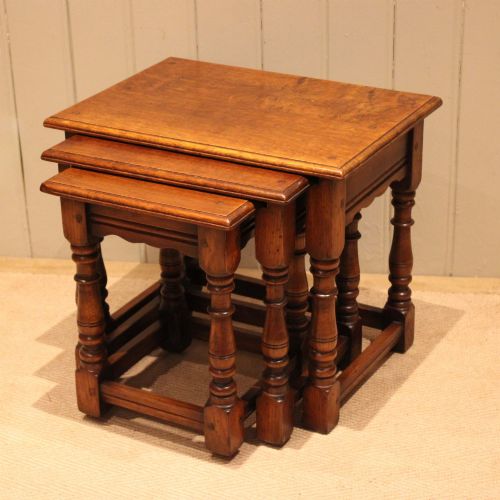
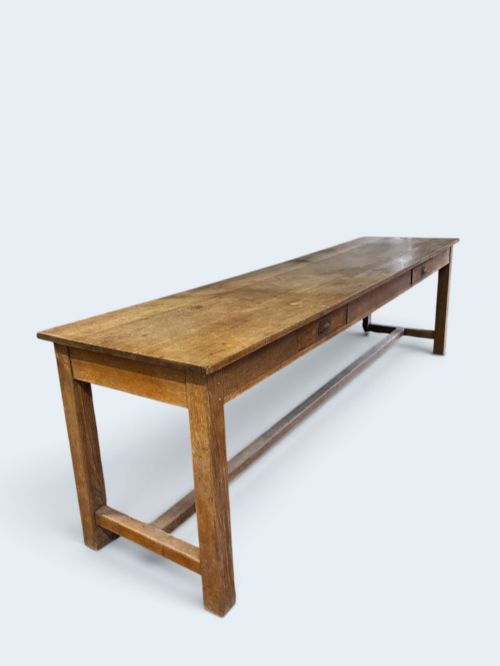
Makers relied heavily on solid native timbers such as oak, pitch pine, and fruitwood to build sturdy frameworks that endured decades of heavy use. Joinery typically prioritises structural durability over elaborate decoration, utilising sturdy stretchers, drawers, and pegged joints.
Surface treatments range from waxed natural grain to scumbled or painted finishes in muted tones. These protective and decorative coats highlight the utilitarian origins of pieces built for farmhouses, dairies, and schoolrooms.
Assessing build quality and integrity
Quality rests in the selection of timber and the preservation of original surfaces rather than intricate ornamentation. Pieces retaining their original paint finishes, patinated oak tops, and unreplaced drawer linings command greater interest.
Structural stability dictates daily usability, distinguishing solid joinery from compromised frames. Tables retaining authentic hardware and unaltered proportions demonstrate the straightforward craftsmanship valued by collectors.
The Vintage Country Side Tables Glossary
- Cricket table
- A small round occasional table featuring three splayed legs. This lightweight design prevented wobbling on uneven stone floors in traditional cottages.
- Lowboy
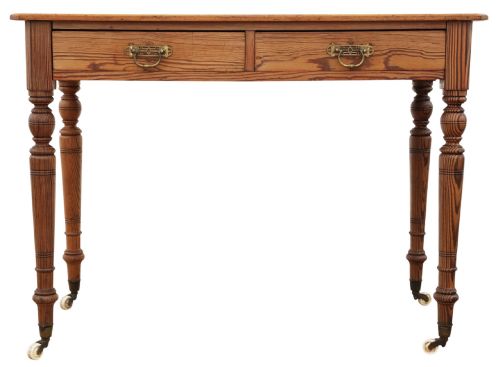
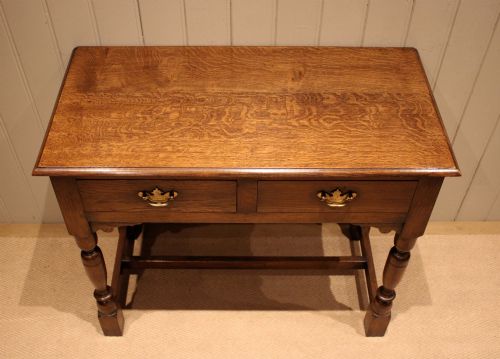
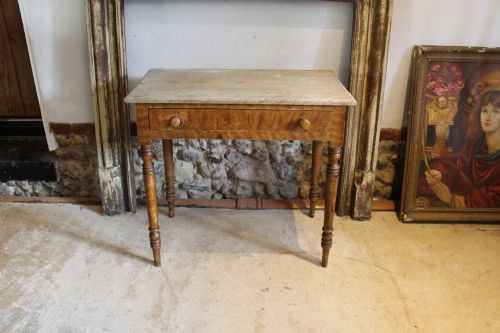
- A small oak or walnut table equipped with one or more drawers. These functional pieces served multiple domestic tasks throughout the eighteenth and nineteenth centuries.
- Scumble
- A decorative painting technique used to simulate wood grain or create mottled patterns over a base colour. Victorian makers frequently applied this finish to pine furniture.
- Gateleg table
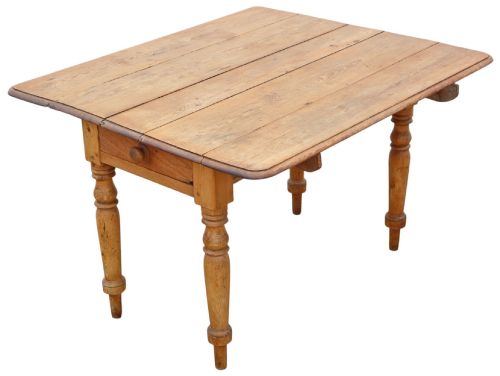
- A drop-leaf table featuring hinged legs that swing out to support the expanded leaves. This form maximised floor space in smaller rooms.
- Dresser base
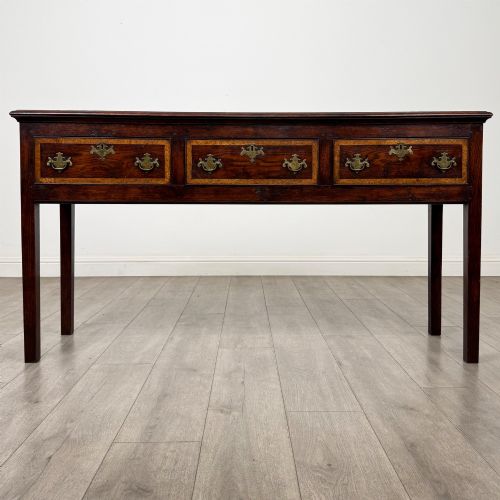
- A low utilitarian cabinet fitted with surface space and drawers. These heavy oak pieces anchored traditional country kitchens and sculleries.
Vintage Country Side Tables: Frequently Asked Questions
Where should I place a side table?
These compact tables fit naturally beside seating areas, beds, or in narrow hallways where surface space is needed.
Their restrained proportions allow them to integrate easily into diverse room layouts without dominating the floor plan.
How do I clean painted wood?
Dust surfaces regularly with a soft, dry cloth to prevent dirt accumulation.
Avoid harsh chemical cleaners that can damage historic painted finishes and delicate patinated layers.
Are these tables sturdy enough?
Solid hardwood construction ensures these pieces withstand regular daily demands.
Traditional pegged joints and sturdy stretchers provide the structural support expected from utilitarian furniture.
How do I date an oak table?
Examine the construction methods, tool marks, and overall timber characteristics for period clues.
Hand-cut joints and natural wear patterns often indicate nineteenth-century or earlier origins.