

Vintage Country House Art
Vintage country house art brings the character of landed estates into rooms through sporting oils, animal portraits and rustic decorative objects.
Vintage Country House Art
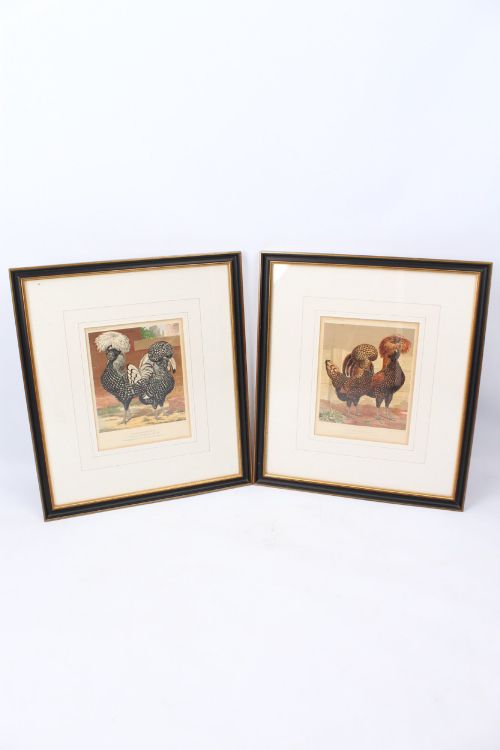
When you search for vintage country house art, you encounter a mix of oil paintings, framed prints, and vernacular decorative pieces shaped by rural life. These works span from the nineteenth century through the Edwardian era and into the mid-twentieth century.
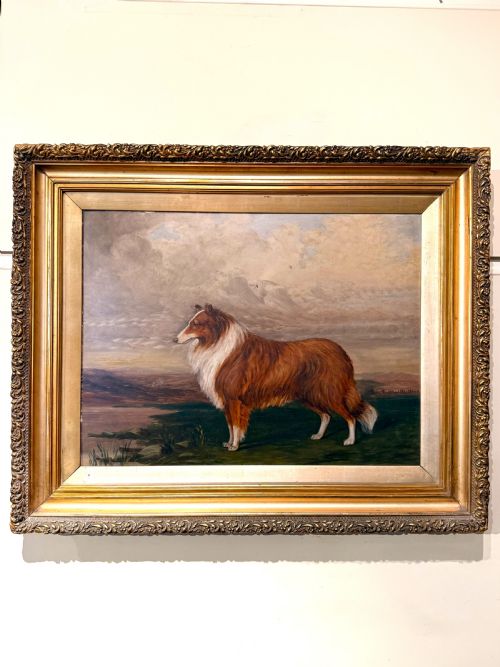
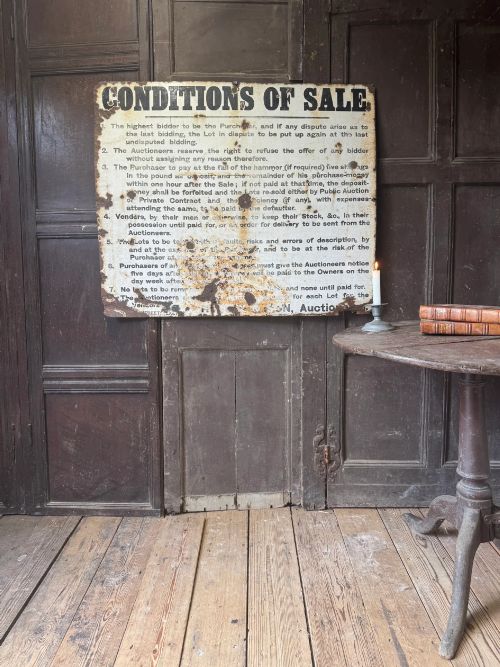
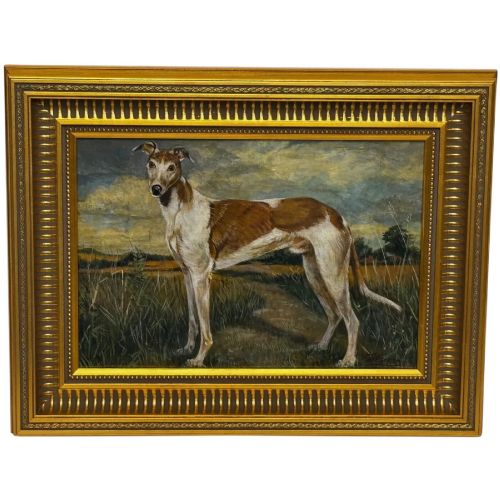
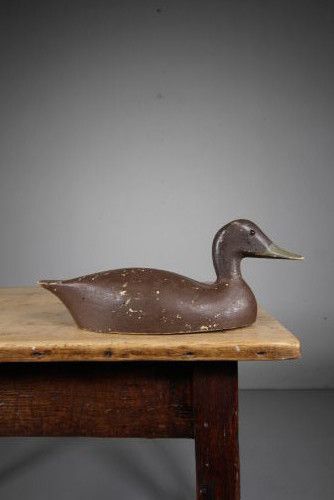
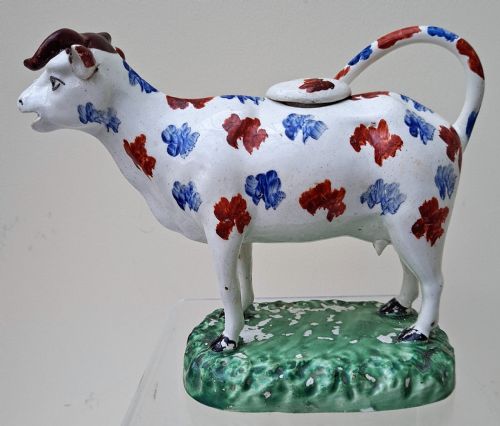
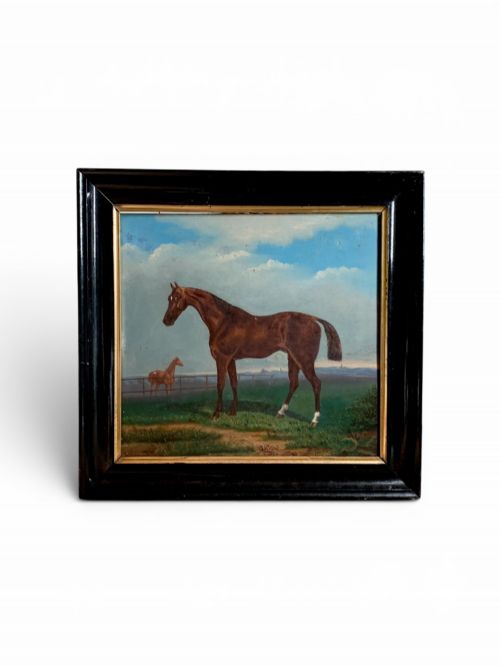
Portraits of horses, dogs, and farm animals dominate the selection, alongside sporting scenes and farmyard views. You also find practical objects like painted signs, carved umbrella stands, and decoys that served functional roles in large estates.
The aesthetic leans towards traditional British fieldsports, domestic animals, and unpretentious rural scenes rather than formal academic portraiture. These pieces reflect the tastes of generations who lived and worked in the countryside.
Materials and Techniques
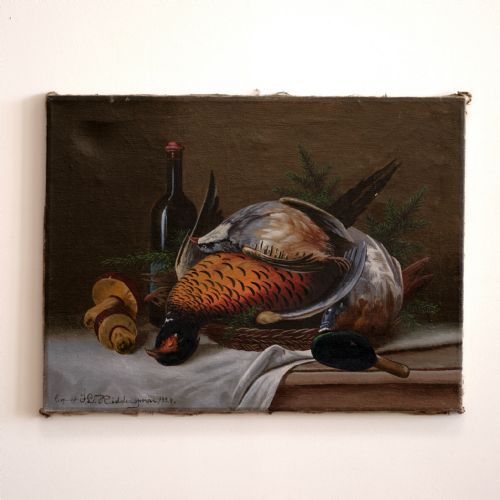
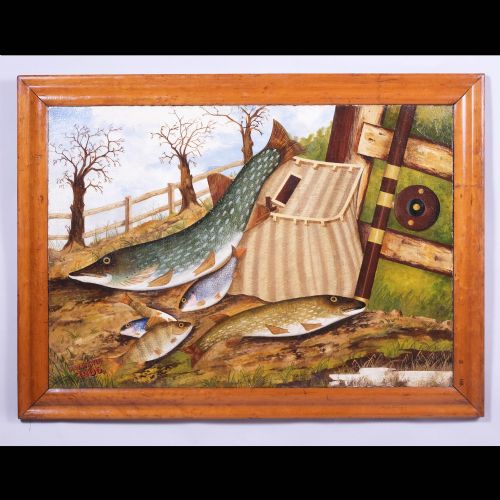
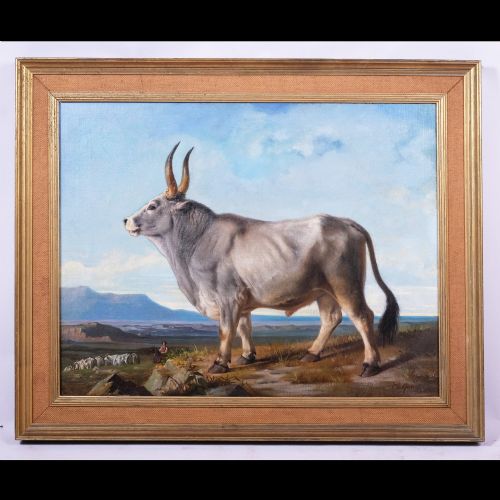
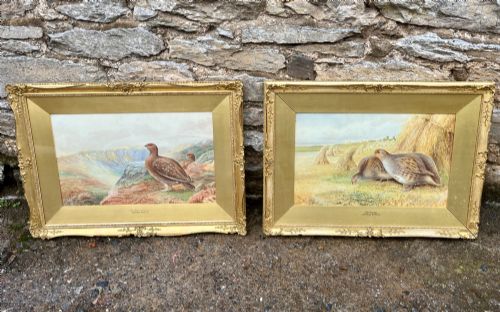
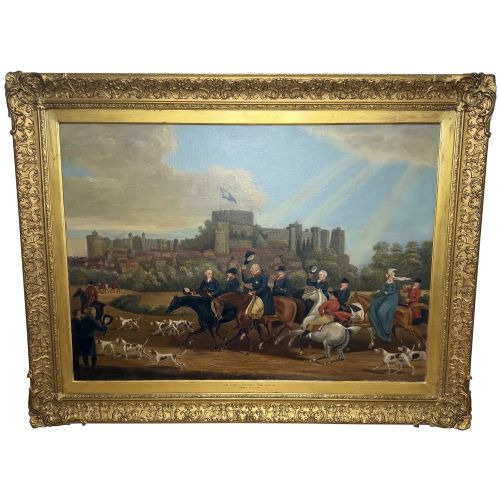
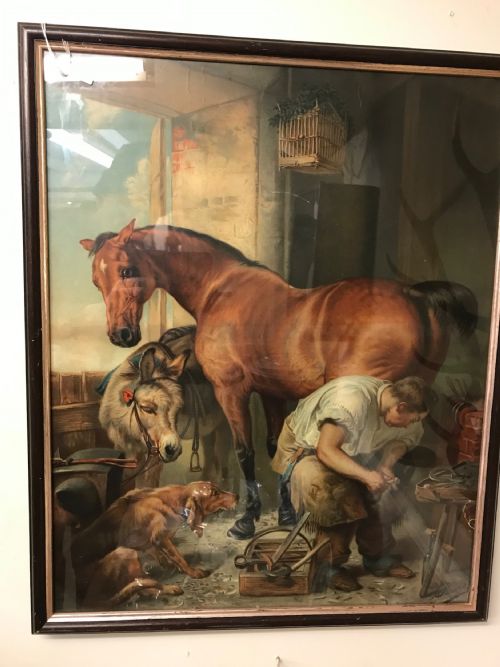
Oil paint applied to canvas, board, or wood panels forms the backbone of the pictorial works on this page. Artists relied on traditional brushwork to capture the sheen of a horse coat or the texture of a dog's fur.
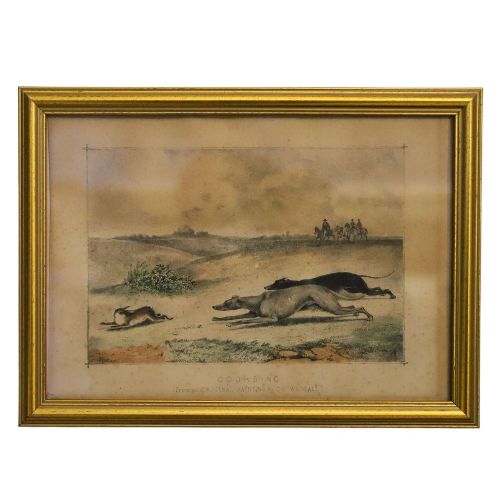
Paper works utilise lithography, hand-coloured engravings, and watercolours, often framed behind glass with period surrounds. Lithographs and prints brought popular sporting subjects and animal studies into broader circulation.
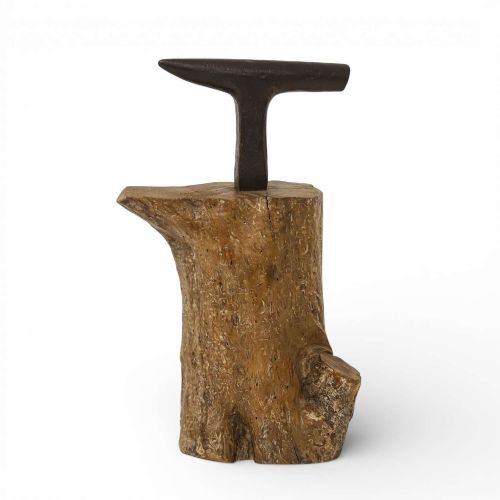
Vernacular objects incorporate carved fruitwood, painted metal, pottery, and giltwood frames. These materials show the practical hand of makers who valued durability and rustic utility.
Vintage Country House Art Retail Price Guide 2026
Typical asking prices for vintage country house art among the pieces listed under this phrase on Sellingantiques today, from the lower quarter to the upper quarter. They describe what is for sale here now, not the wider market.
Evaluating the Pieces
The distinction between ordinary and superior works often lies in the anatomical accuracy of the animals and the confidence of the brushwork. Skilled painters captured movement and light with economy, whereas weaker hands produced stiff, lifeless proportions.
Original surface condition plays a major role in perceived quality, particularly on painted signs, carved decoys, and frames. Retained original paint layers and untouched patination carry more authority than heavy restoration or over-cleaning.
Attribution to a known artist or school elevates a canvas above anonymous output, though strong vernacular pieces hold their own through sheer sculptural presence.
C R Breytle·George Rankin·Edwin Henry Landseer·John Frederick Herring Snr·F.A. Clark·A M Gauci·John Frederick Herring Jnr·Henry John Yeend King·Philip Henry Rideout·George E Sharpe
The Vintage Country House Art Glossary
- Lithography
- A planographic printing process using a stone or metal plate to produce multiple impressions on paper. This technique enabled the widespread reproduction of sporting art and animal prints in the nineteenth century.
- Vernacular
- Objects made by local craftspeople or tradesmen for practical use rather than by academic artists for exhibition. These pieces carry straightforward utility and honest regional character.
- Decoy
- A carved or moulded representation of a bird or animal formerly used in hunting or estate management. They now survive as sculptural objects appreciated for their simple form and worn paint surfaces.
- Giltwood
- Wood carved and coated with a thin layer of gold leaf or metallic powder. It provides a reflective, decorative border for traditional oil paintings and mirrors.
- Sporting art
- Depictions of equestrian subjects, hunting, shooting, and fishing. This genre forms a core element of rural estate decoration.
Vintage Country House Art: Frequently Asked Questions
What subjects define country house art?
The category centres on animals, fieldsports, and rural scenes that decorated traditional British estates. Horses, hounds, farmyard animals, and hunting expeditions appear repeatedly across canvases and prints.
Alongside paintings, the genre encompasses practical decorative objects like carved decoys, umbrella stands, and painted auction signs used in rural properties.
How do I date an oil painting?
Examining the canvas preparation, stretcher frames, and the style of the brushwork offers initial clues to age. Pigment analysis and the style of the clothing or animal breeds depicted help narrow the decade.
Framing often provides supporting evidence, as period frames match the technological methods and aesthetic preferences of their time of manufacture.
Where should I hang these pieces?
These works suit traditional living spaces, libraries, hallways, and dining rooms where natural materials and dark wood predominate. They pair well with leather armchairs, rustic furniture, and wool textiles.
Grouping smaller watercolours or prints together creates a traditional gallery wall effect reminiscent of historic estate interiors.
Are painted signs and decoys authentic?
Authentic vernacular items show genuine wear, surface patination, and material ageing consistent with functional use in outbuildings or auction rooms. Tool marks and aged paint layers indicate period manufacture rather than modern reproduction.
Examining the construction methods and fasteners helps confirm whether an object originates from the nineteenth or early twentieth century.