




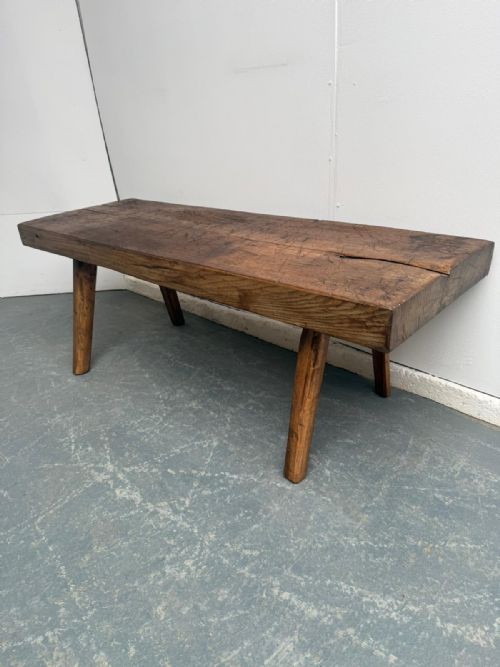
Vintage Country Farmhouse Bench
A vintage country farmhouse bench grounds a room with honest utility, offering long timber seating shaped by generations of domestic and agricultural service.
Vintage Country Farmhouse Bench
A vintage country farmhouse bench brings straightforward utility to modern interiors, drawing on regional European and British vernacular traditions from the nineteenth and early twentieth centuries. These communal seats served hardworking domestic spaces, stables and workshops before finding a second life in contemporary kitchens and halls.
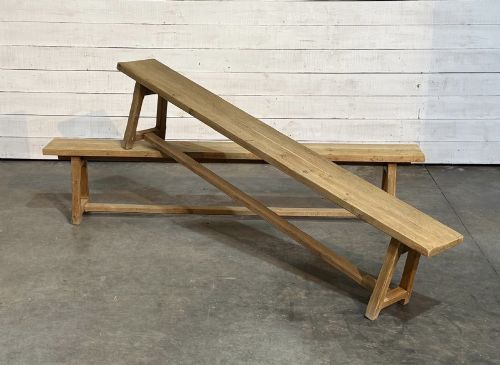
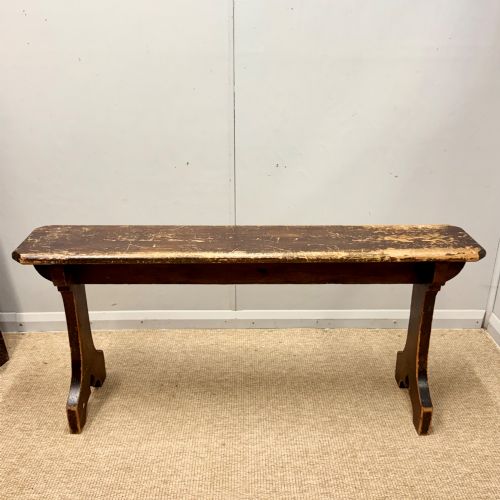
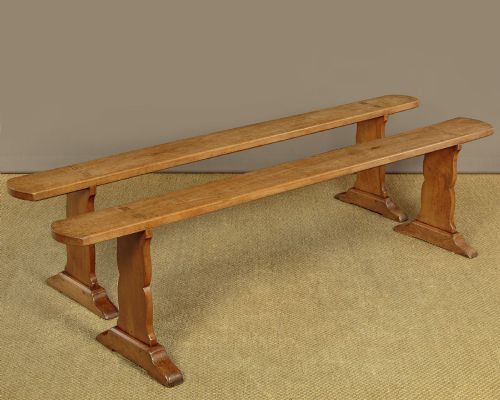
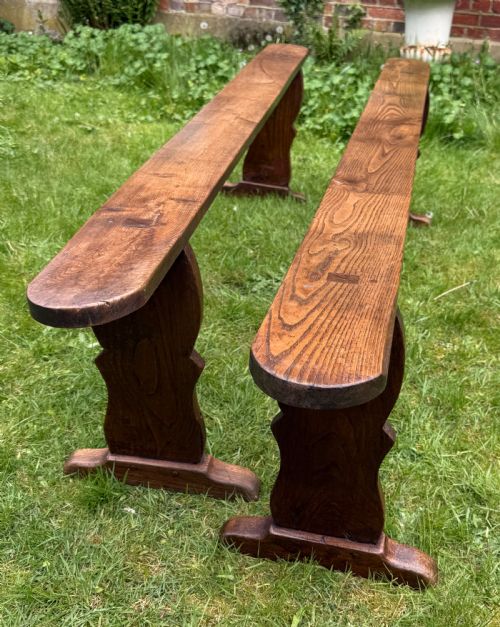
The version most commonly met on this page is a long pine or elm plank seat resting on simple trestle or pegged supports, often showing the warm patina of decades of scrubbing and wear. Pieces span from concise hallway settles to grand dining benches stretching over eight feet in length.
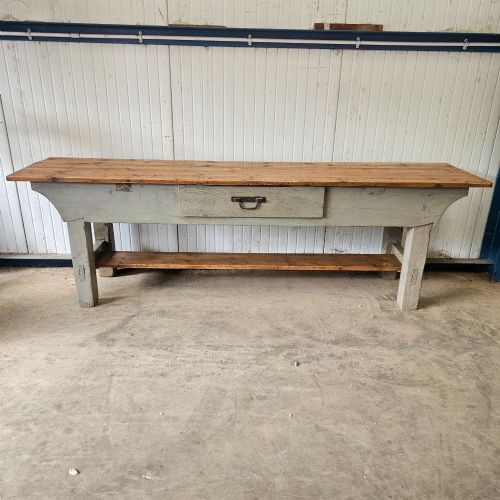
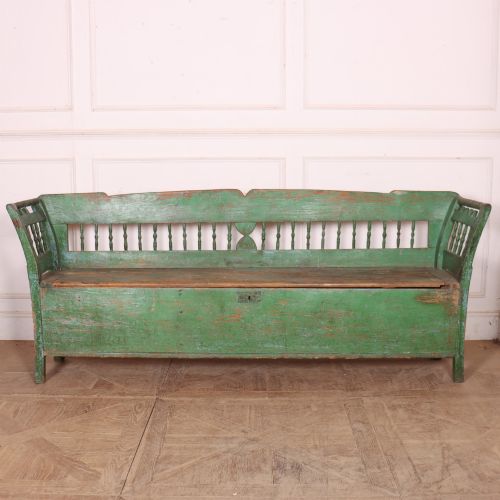
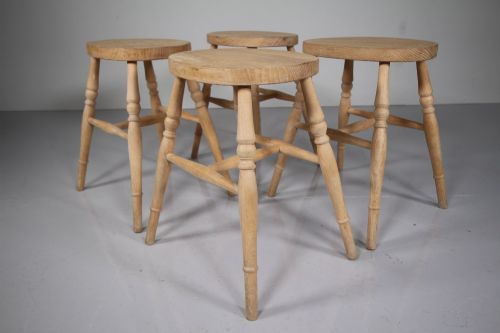
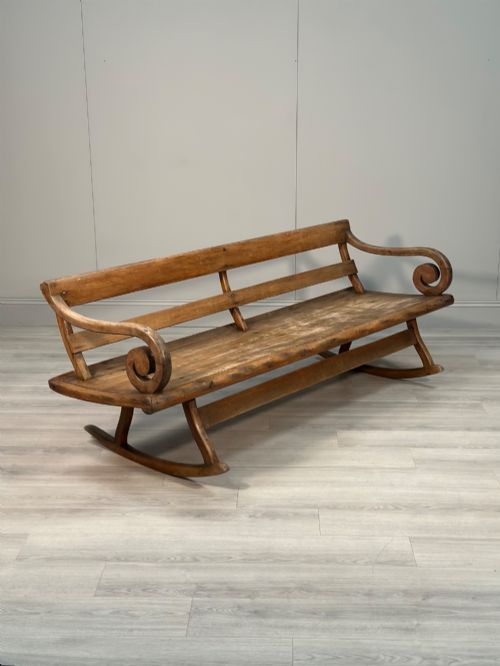
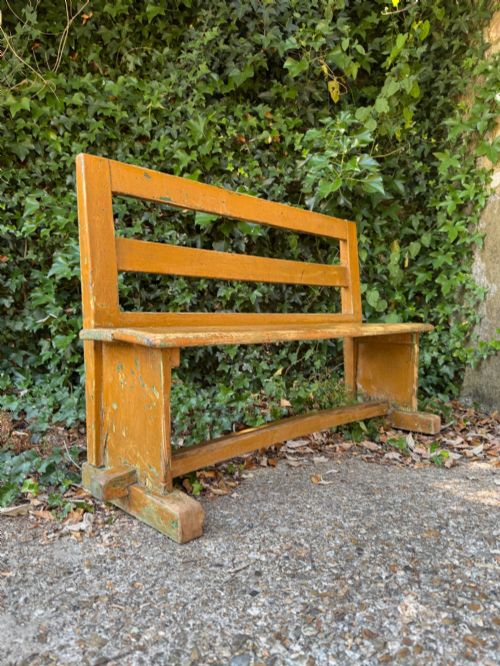
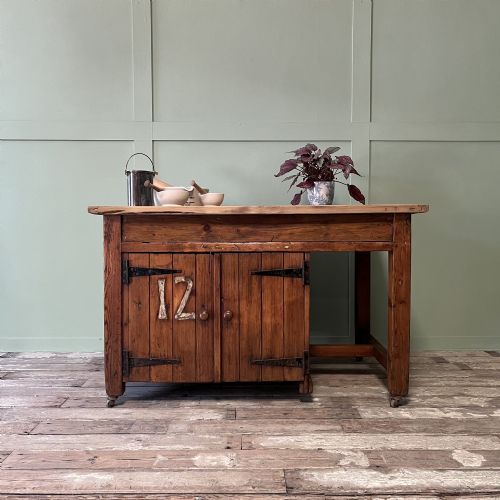
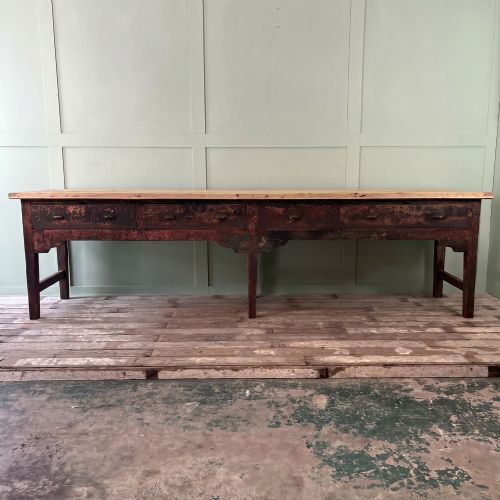
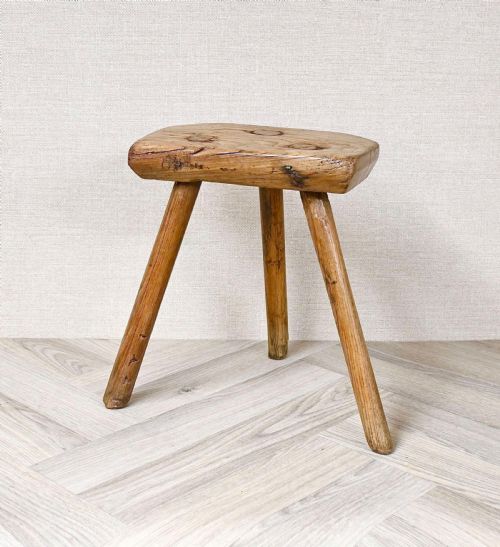
Beyond standard seating forms, related vernacular items appear alongside these benches, including low milking stools, heavy prep tables and high-backed settles. Each piece retains the unpretentious character and robust construction demanded by rural life.
Materials and construction methods
Makers relied on accessible regional timbers such as pine, oak, elm, sycamore and cherry, selecting woods that could withstand heavy daily use. Planks were often hand-sawn and joined with sturdy pegged mortise and tenon joints to ensure absolute stability.
Surface treatments remained practical rather than decorative, featuring scrubbed bare timber, original paint finishes or simple wax layers that allowed the natural grain to show. Scratch-built construction methods meant each artisan solved structural challenges independently.
Structural elements prioritised function, utilising solid timber uprights, bracing stretchers and integrated backrests on settle variants to endure shifting floorboards and heavy loads.
Vintage Country Farmhouse Bench Retail Price Guide 2026
Typical asking prices for vintage country farmhouse bench among the pieces listed under this phrase on Sellingantiques today, from the lower quarter to the upper quarter. They describe what is for sale here now, not the wider market.
Several benches carry the unmistakable scrubbed grain of French sycamore, having scrubbed up nicely after decades beside the cheese press.
Factors of quality and character
Quality rests in the integrity of the timber and the depth of natural wear, where honest patination accumulated through decades of use elevates a plain plank above a routine utility item. Surfaces cleaned down to clean, pale wood sit alongside pieces retaining remnants of old paint.
Proportion and length dictate desirability, with exceptionally long runs or narrow, shallow dimensions commanding attention for domestic placement. The harmony between the original top boards and supporting trestles defines the visual balance of the piece.
The distinction lies in structural honesty, preferring pieces that retain their original bracing and unclipped feet over heavily restored examples that have lost their early surface character.
The Vintage Country Farmhouse Bench Glossary
- Settle
- A wooden bench featuring a high back and solid arms designed to block draughts in farmhouse kitchens. These pieces often incorporate enclosed storage beneath the seat.
- Trestle
- A support structure consisting of a horizontal beam fixed to two splayed legs. This framing method allows maximum legroom along the length of a long bench or table.
- Scrubbed
- A timber surface repeatedly washed with water and stiff brushes to remove dirt and reveal clean grain. This process creates a pale, matte finish prized in country interiors.
- Pig bench
- A low, narrow wooden bench historically utilised in agricultural preparation. Their slender proportions make them ideal for modern hallways and small spaces.
Vintage Country Farmhouse Bench: Frequently Asked Questions
How do I choose the right length?
Measure your dining table or hallway space carefully, allowing extra clearance at each end for easy seating access. Long benches work well alongside large refectory tables, while shorter variants suit compact boot rooms.
Consider the daily traffic flow in the room when selecting depth. Narrow profiles sit comfortably against walls without obstructing walkways.
Are these benches sturdy enough for daily seating?
Traditional vernacular benches were built for heavy agricultural and domestic use, making them exceptionally robust. Pegged joints and thick timber planks provide stable support for everyday dining.
Routine checks of the underframe and stretchers will ensure the joints remain secure over years of family gatherings.
How do I clean and maintain scrubbed timber?
Dust regularly with a dry cloth and clean occasionally with a damp sponge using mild, natural soap. Avoid harsh chemical cleaners that strip the natural oils from the antique wood.
Applying a clear beeswax paste periodically will protect the dry surface and enhance the historic grain.
What is the difference between a settle and a bench?
A bench offers open seating from all sides, whereas a settle incorporates a solid high back and often winged armrests. Settles were originally designed to shelter occupants from cold drafts near open hearths.
Both forms share the same rustic construction methods but serve different spatial roles within a country interior.