
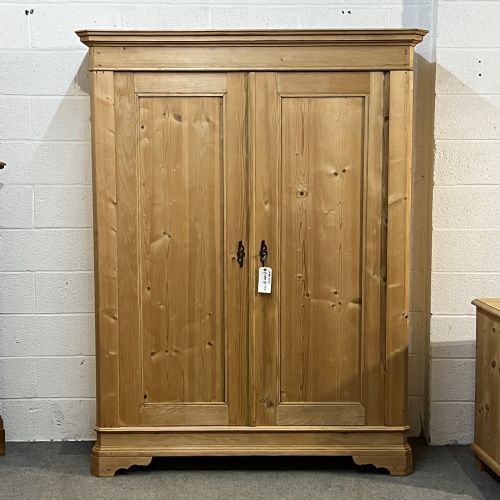
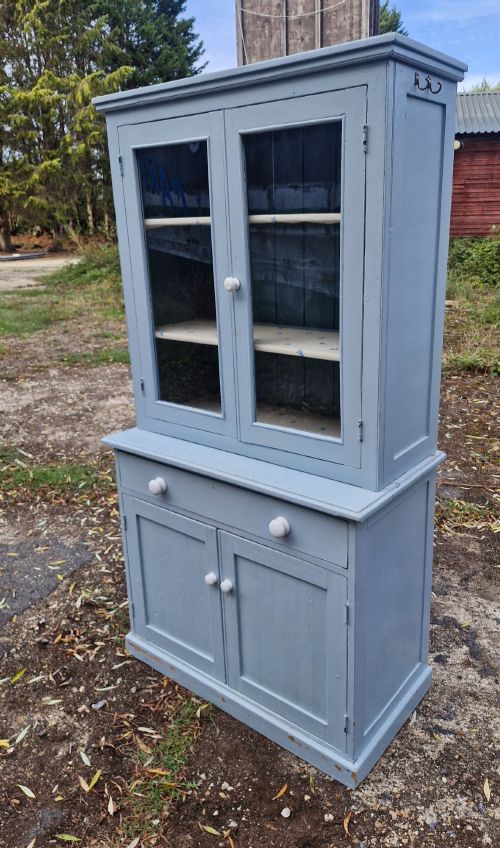
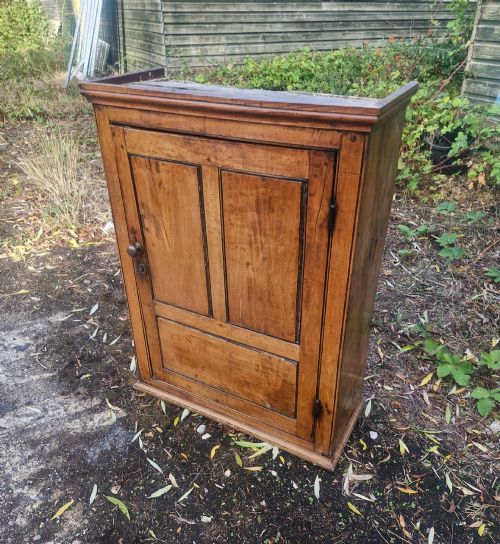
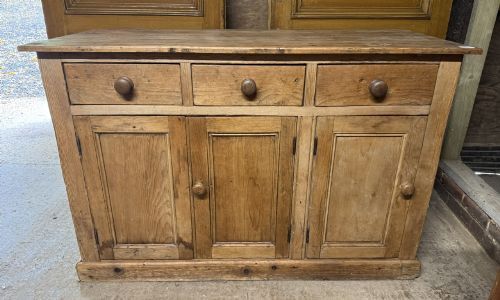
Vintage Country Cupboard
A vintage country cupboard brings practical domestic storage and honest regional character into a room.
Vintage Country Cupboard
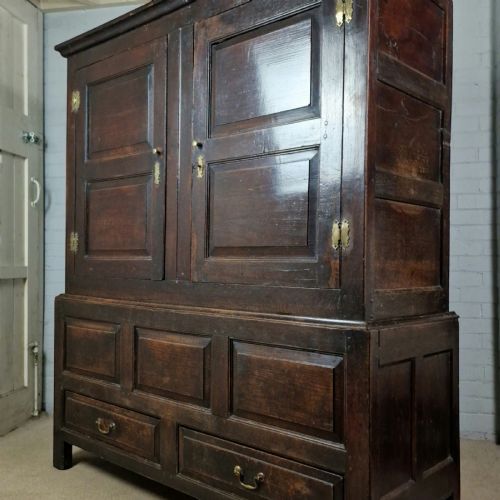
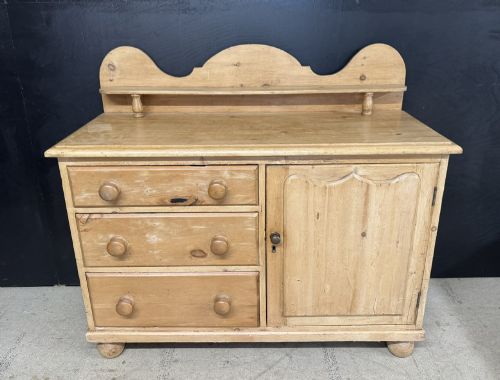
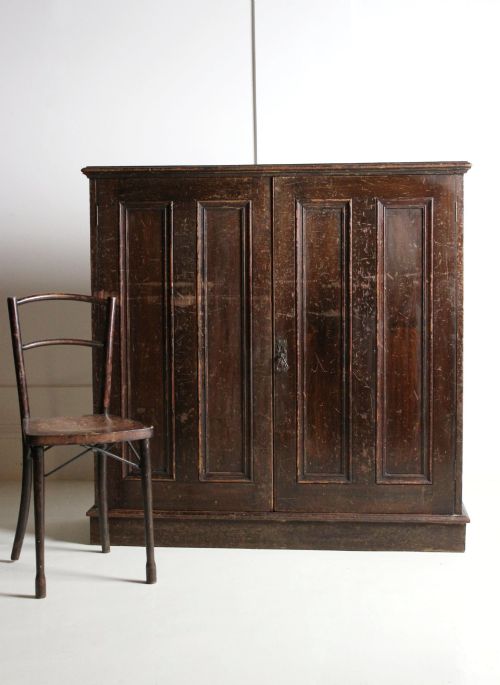
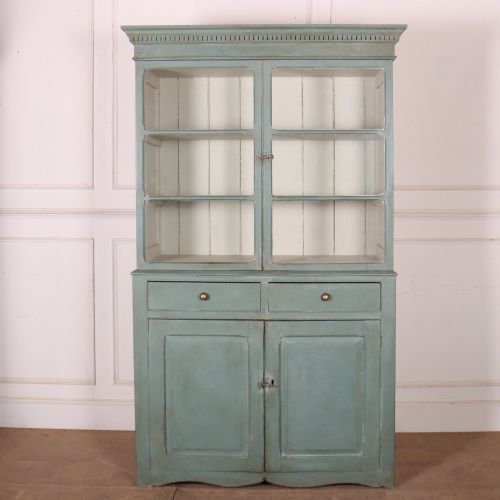
A vintage country cupboard provides utilitarian storage shaped by provincial workshops and domestic needs rather than urban fashion. When searching for a vintage country cupboard, buyers encounter practical forms designed for daily utility in kitchens, pantries and bedrooms.
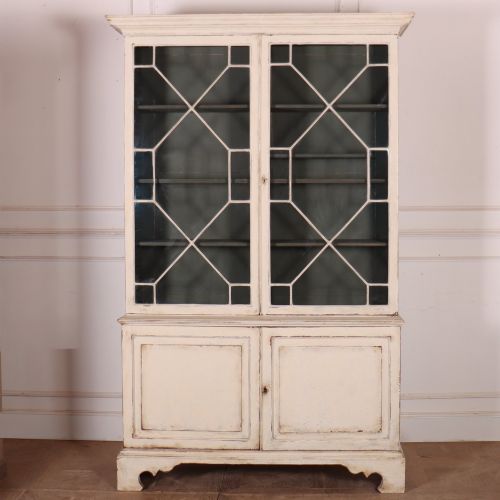
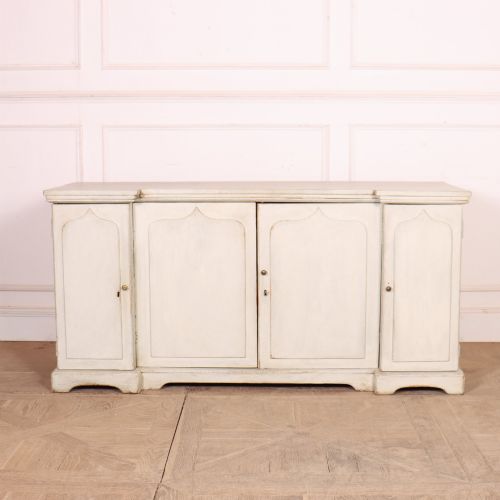
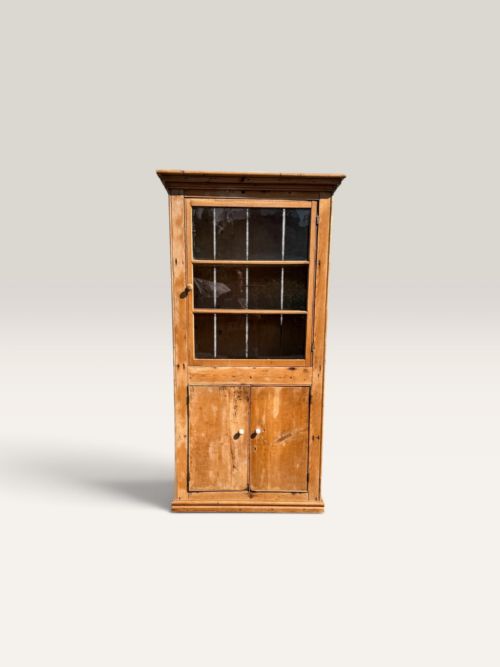
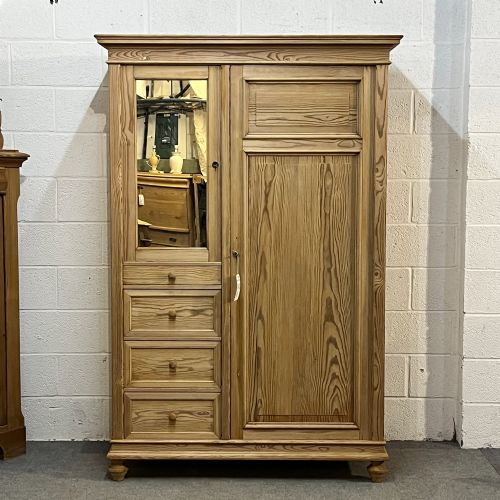
The pieces appearing here span centuries of regional craftsmanship, originating from British, Welsh and continental European domestic settings. These items include two-part kitchen cabinets, wall-mounted cupboards, housekeepers' larders and corner units built for specific domestic spaces.
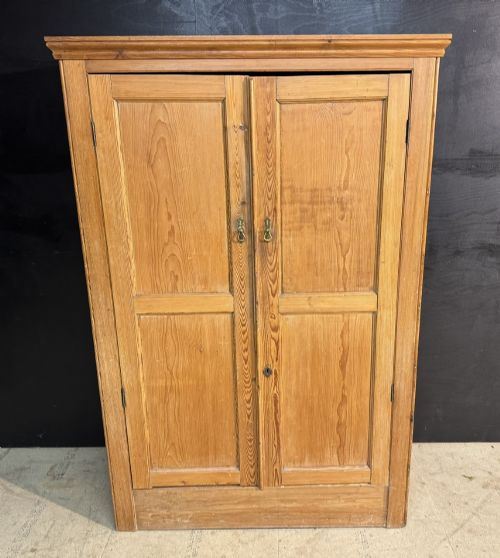
Pine and oak dominate the selection, appearing either in waxed natural timber or retaining layers of original paint. Buyers are most likely to meet nineteenth-century pine examples alongside eighteenth-century oak pieces and occasional French provincial fruitwood variants.
Materials and construction methods
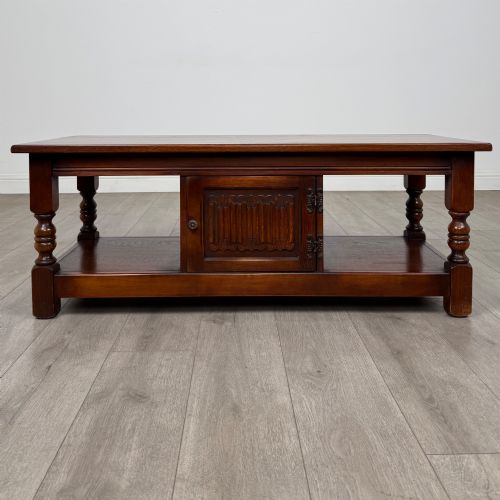
Carpenters constructed these utility pieces from accessible regional timbers, chiefly solid pine and oak, supplemented by fruitwood and cherry in continental pieces. Construction relied on durable traditional joinery such as pegged mortise and tenon frames, dovetailed drawer boxes and solid timber panelling designed to withstand heavy daily use.
Surface finishes range from simple wax applications that nourish the softwoods to accumulated coats of old paint and glaze. Iron hinges and brass pulls provide functional hardware, while glazed doors incorporate hand-finished glass panes held in wooden glazing bars.
Some French confitarii still retain the faint, sweet scent of preserved fruit trapped within their pine pores after two centuries.
Distinctions in quality
Quality rests upon the integrity of the original construction, the thickness of the surviving timber and the retention of untouched surfaces. Pieces retaining their original hardware, uncompromised backboards and authentic painted finishes stand apart from heavily restored or altered examples.
Proportion and regional vernacular detail dictate the desirability of a piece, with well-balanced dimensions and clean architectural mouldings elevating simple utilitarian furniture. The skill of the local joiner shows in the tightness of the joints and the careful selection of timber grain for visible surfaces.
The Vintage Country Cupboard Glossary
- Dresser base
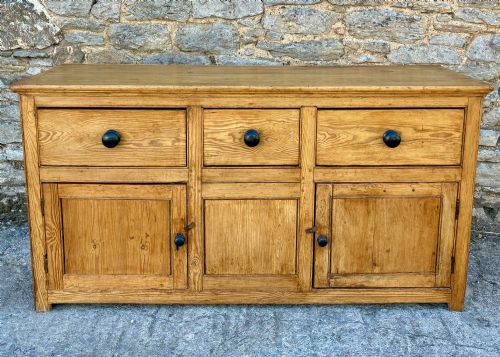
- A low sideboard or cabinet featuring drawers and cupboards, traditionally used in kitchens for food preparation and storage. It forms the lower half of a traditional dresser.
- Larder cupboard
- A tall storage cabinet originally ventilated for keeping food cool before domestic refrigeration became common. These tall pieces offer deep shelving for provisions.
- Compactum
- A large fitted wardrobe or multi-compartment wardrobe containing hanging space alongside internal drawers and shelves. This piece maximises storage efficiency within a single footprint.
- Glazed cabinet
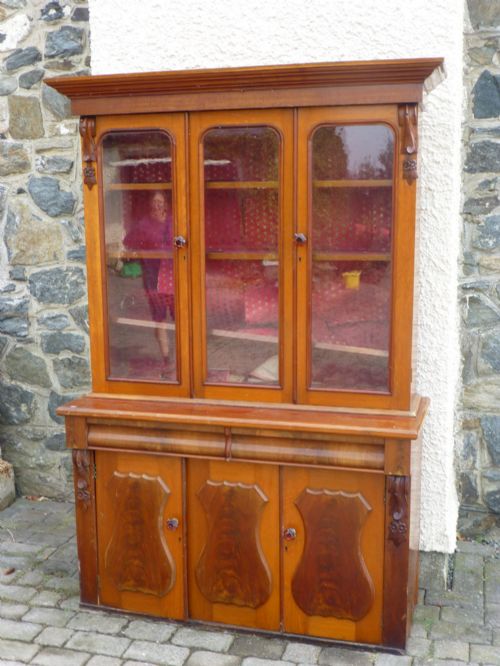
- A storage piece featuring glass-fronted doors designed to display china, books or household linen while protecting the contents from dust.
- Confiturier
- A small French provincial cupboard originally built to store pots of preserved fruit or confit. These compact side cabinets sit comfortably in modern living spaces.
Vintage Country Cupboard: Frequently Asked Questions
How do I date an old pine cupboard?
Dating relies on examining construction marks, nail types, timber boards and back construction. Hand-sawn boards and pegged joinery generally indicate earlier periods.
Later Victorian and Edwardian examples often feature machine-sawn components, standardised hardware and thinner backboards fixed with modern screws.
Can I use a larder cupboard in a modern kitchen?
These tall cabinets integrate smoothly into modern kitchens by offering deep, adjustable shelving for dry goods, tableware or small appliances. Their scale provides substantial freestanding pantry storage without requiring permanent fitted units.
Ensure you measure ceiling heights and floor space carefully, as regional country cupboards often feature generous proportions.
Should I strip painted cupboards back to bare wood?
Retaining original paint or historic layers of colour preserves the character and historical record of the piece. Stripping painted surfaces removes evidence of age and the authentic patina developed over generations of domestic use.
Many collectors specifically seek out pieces with untouched historic paintwork rather than bare timber.