



Vintage Cotswolds Art
These vintage cotswolds art pieces are honest works of regional craftsmanship and vernacular design, prized by collectors who value tactile honesty and solid timber.
Vintage Cotswolds Art
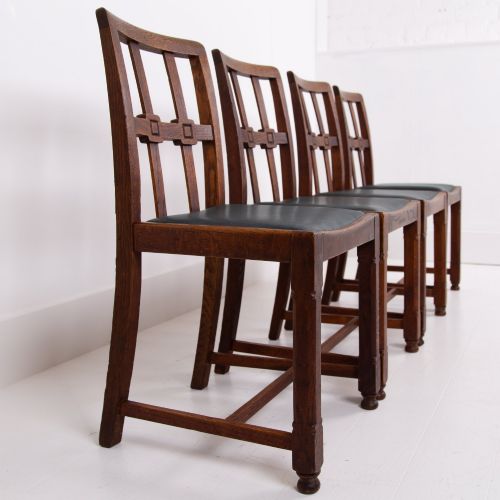
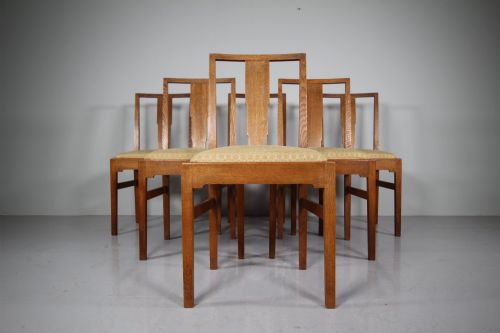
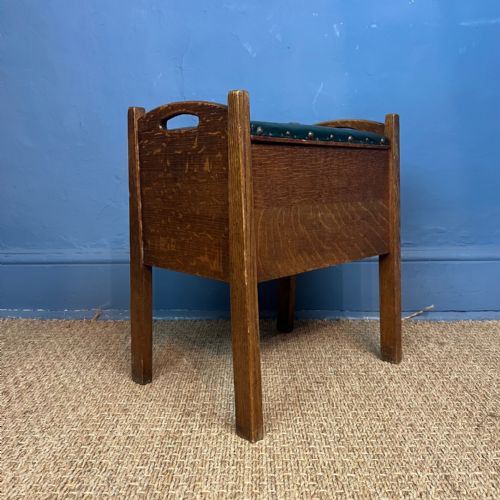
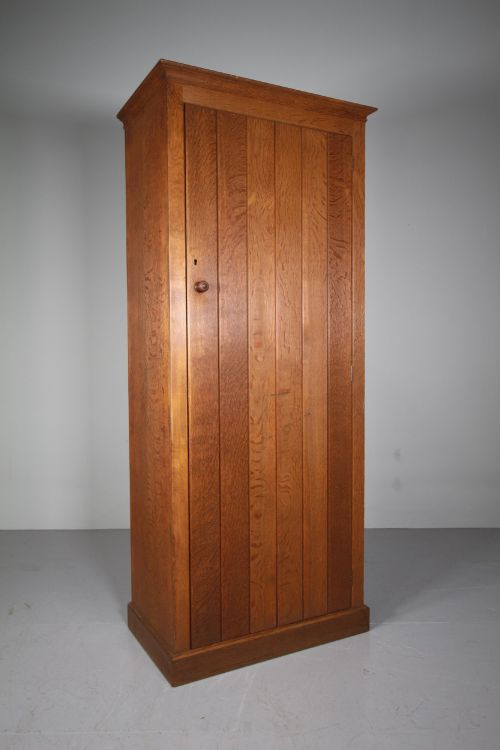
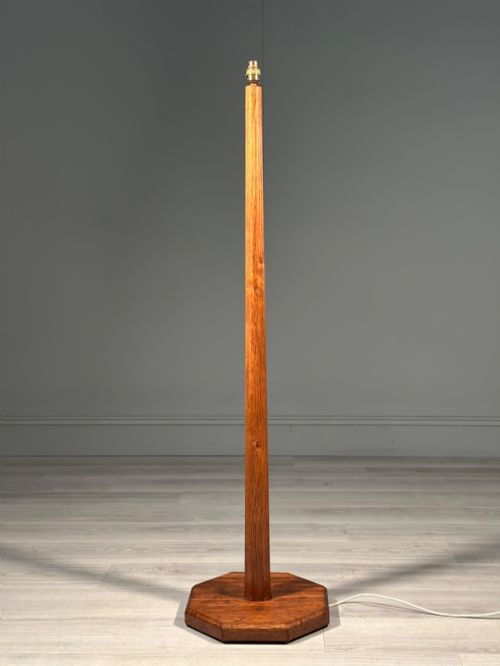
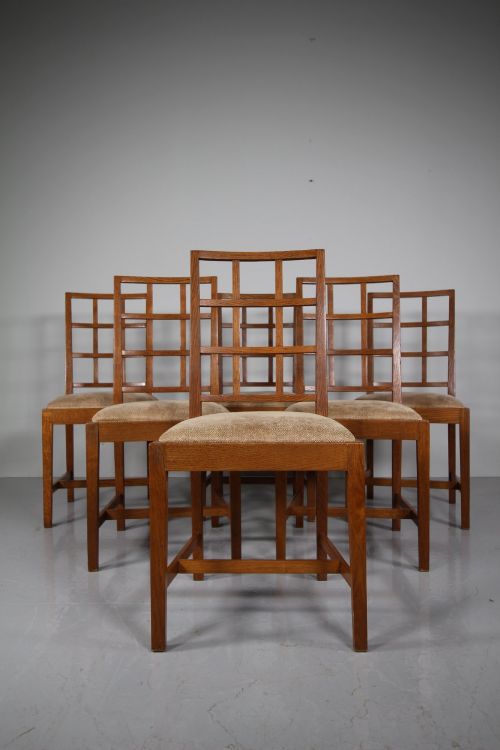
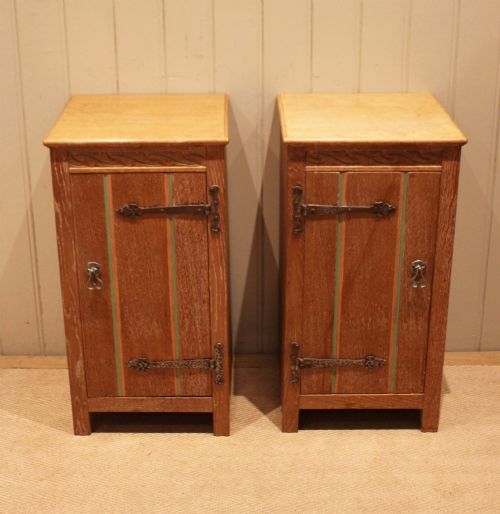
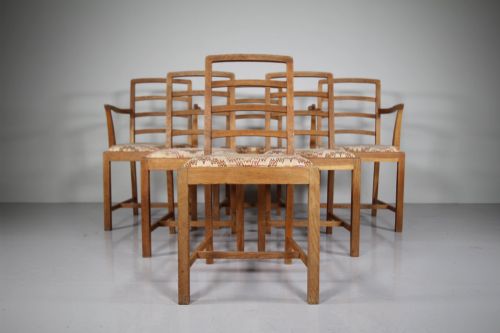
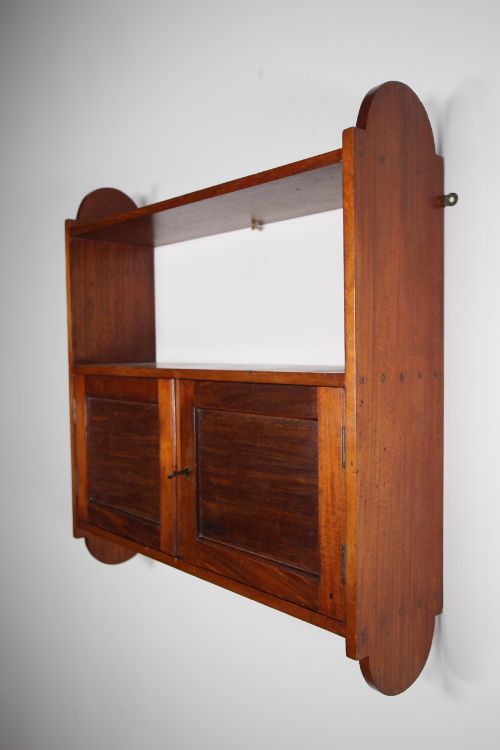
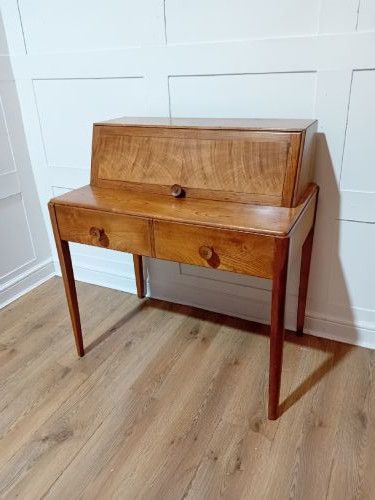
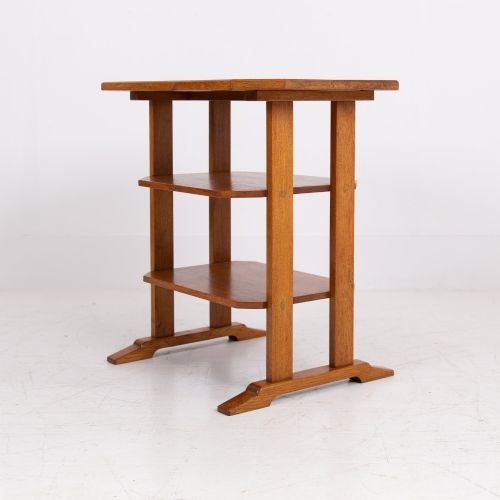
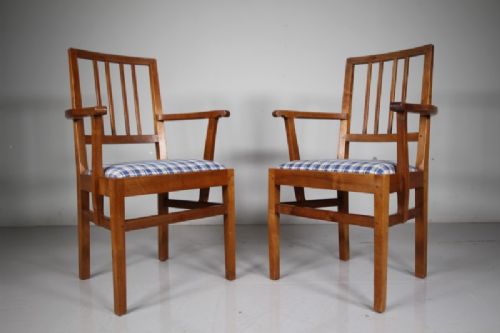
When you search for vintage cotswolds art, you encounter utilitarian furniture and decorative objects rooted in the Arts and Crafts movement and the Cotswold School. The selections span dining chairs, standard lamps, side tables, cabinets, and beds originating primarily from the early decades of the twentieth century, with occasional nineteenth-century examples and eighteenth-century cartography.
How they were made
Makers utilised solid timbers such as oak, yew wood, walnut, and fruitwood, often worked by hand rather than mass-produced by industrial machinery. Construction relies on traditional joinery techniques, visible grain patterns, and simple brass hardware where metal is required.
Surface finishes remain understated, featuring limed oak treatments, polished fruitwood, or natural waxed surfaces that highlight the organic character of the wood. Rush seating is hand-woven onto chair frames, and structural elements prioritise straightforward, robust construction over superfluous ornament.
Vintage Cotswolds Art Retail Price Guide 2026
Typical asking prices for vintage cotswolds art among the pieces listed under this phrase on Sellingantiques today, from the lower quarter to the upper quarter. They describe what is for sale here now, not the wider market.
Listings feature solid oak, brass, fabric, rush, walnut, iron, and yew wood across various decades.
What varies in quality
Quality rests in the integrity of the timber selection, the crispness of the hand-carved or adzed surfaces, and the presence of maker stamps or attributed workshop origins. Pieces carrying direct attribution to recognised regional figures command greater attention from collectors than unsigned vernacular equivalents.
The sophistication of the joinery and the restraint of the design differentiate standard workshop output from exceptional commissions. Proportion, timber figure, and the preservation of original surface finishes determine the standing of each piece within its category.
Neville Neal·Edward Barnsley·Arthur Reynolds·Heals of London·Stanley Webb Davies·Oliver Morel·Peter Waals·Hubert Simpson·Gordon Russell·Lawrence Neal
The Vintage Cotswolds Art Glossary
- Cotswold School
- A regional offshoot of the Arts and Crafts movement focused on honest construction and hand-worked vernacular furniture. Practitioners worked largely with local solid timbers.
- Arts and Crafts
- A design movement valuing handcraftsmanship, traditional materials, and simple utility over industrial mass production. It heavily influenced early twentieth-century cabinetmaking.
- Limed oak
- A wood finishing technique that fills the grain with a whitish pigment to create a pale, chalky appearance. It gained popularity during the interwar decades.
- Ladderback
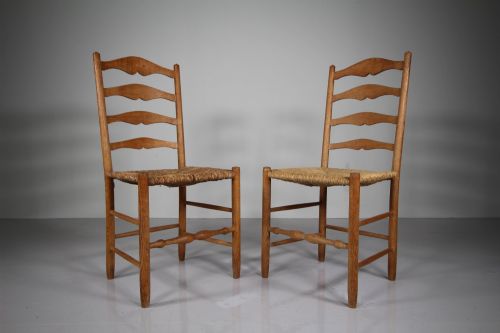
- A chair design featuring horizontal slats between the rear uprights. These frames frequently incorporate woven rush seats.
- Refectory table
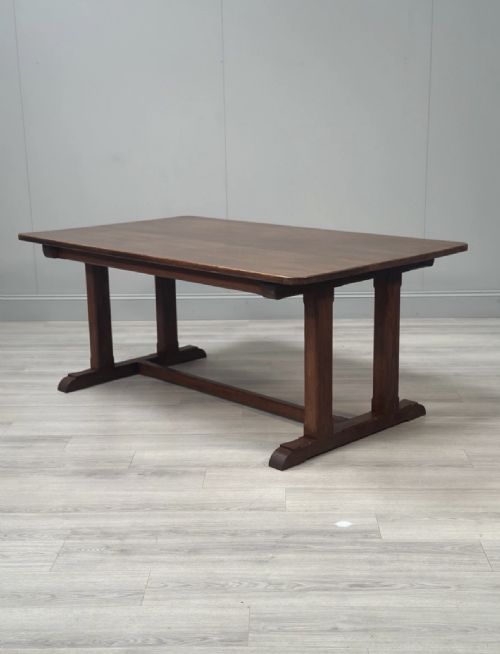
- A long dining table traditionally supported by substantial legs connected by a central floor stretcher. They were built for communal dining and sturdy daily use.
Vintage Cotswolds Art: Frequently Asked Questions
What defines cotswold school furniture?
Cotswold school furniture is defined by visible hand-craftsmanship, solid regional timbers like oak and chestnut, and unpretentious functional design. The makers rejected industrial ornamentation in favour of honest joinery and tactile surface textures.
Items range from dining chairs to large wardrobes, all built to withstand generations of daily use while retaining the tool marks of their makers.
How do I identify a signed piece?
Makers often stamped their names directly into the solid wood frames, typically on the underside of chairs, inside drawers, or along the back edges of cabinets. Attribution can also be established through distinctive construction traits and documented workshop designs.
Paper labels or faint ink stamps can fade over time, making physical inspection of the timber joints essential for verification.
Where should I place these pieces at home?
These wooden items suit dining rooms, studies, and hallways where their honest grain and simple silhouettes can anchor a room. They pair naturally with neutral walls, natural textiles, and unvarnished flooring.
Keep them away from direct heat sources and sudden humidity shifts to protect the solid timber and traditional wax finishes.
Are rush seats difficult to maintain?
Rush seating is durable when treated with care, requiring only occasional dusting with a dry brush or cloth. Avoid saturating the woven natural fibres with water during cleaning.
Weight distribution should remain balanced, and keeping the room at a stable indoor humidity prevents the dry plant fibres from becoming brittle.