


Vintage Copper Wall Plaque
These vintage copper wall plaque selections bring warmth, texture and historical craft directly into domestic spaces.
Vintage Copper Wall Plaque
A vintage copper wall plaque is a decorative piece of metalwork designed to hang in domestic interiors, capturing centuries of diverse design movements. When searching for a vintage copper wall plaque, buyers encounter British Arts and Crafts chargers, Japanese Meiji enamels, Persian engraved vessels, and commemorative plates spanning the eighteenth to early twentieth centuries.
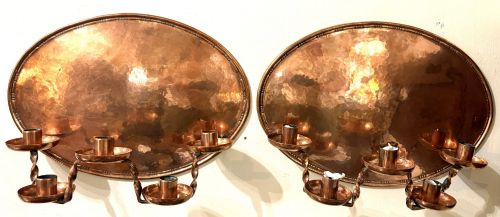
The most common examples on this page are heavy chargers and wall plaques originating from the Arts and Crafts movement around nineteen hundred. These typically display hand-beaten surfaces, botanical motifs, or commemorative imagery rather than flat machine stamping.
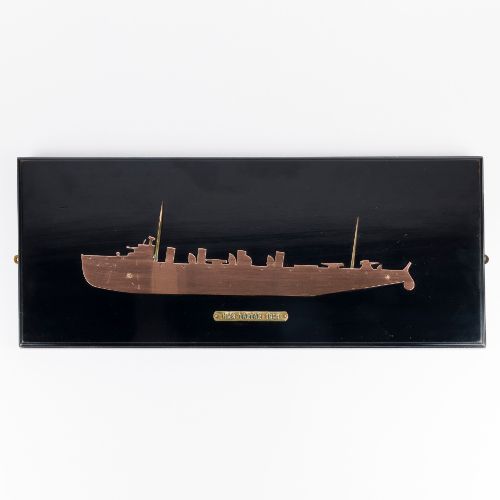
Pieces range from intimate round plaques recording local history and military vessels to large overseas chargers featuring complex repoussé and cloisonné enamel work. They bridge functional metalware and wall art, serving as focal points in traditional or eclectic interiors.
How they were made
Makers shaped these objects using sheet copper, brass, and mixed metals, often employing a hammer to raise the metal from the reverse in repoussé technique. This process pushed the material outward to create deep relief, which was then refined with chasing tools on the front face.
Surface decoration frequently combined beaten textures with engraved details, silver plating, or cloisonne enamel wires to create distinct cells of colour. Wood mounts and enamel additions provided contrast against the warm metallic tones of patinated copper.
Makers such as those associated with the Newlyn School or the Faulkner Bronze Company utilised hand-hammering to leave visible tool marks that distinguished studio metalwork from factory output.
A surprising number of heavy wall chargers record specific Royal Navy destroyers, lawn bowling tournaments, and local stone quarries.
What varies in quality
Quality rests upon the depth and control of the hand-worked relief rather than simple weight alone. Superior pieces display crisp, deliberate chasing that defines complex motifs like foliage, animals, or figures with precision.
The sophistication of the design execution and the integration of secondary materials dictate distinction. Masterpieces feature meticulous cloisonné enamel work or intricate pierced repoussé without distortion to the base metal sheet.
Provenance and attribution to known workshops, such as the Faulkner Bronze Company or the Newlyn School, elevate a piece above standard domestic production of the period.
Gustav Grohe·Faulkner Bronze Company
The Vintage Copper Wall Plaque Glossary
- Repoussé
- A metalworking technique where the artisan hammers the metal from the reverse side to form a raised design in relief on the front. This method creates tactile depth across chargers and plaques.
- Cloisonne
- A method of decorating metalwork objects using enamel held within thin wire compartments soldered to the base. Japanese examples often showcase this intricate technique.
- Charger
- A large decorative plate or tray that was traditionally displayed on walls or sideboards rather than used for dining. These form the substantial centrepieces of many metalwork collections.
- Patinated
- The natural or chemically induced surface oxidation that alters the colour and finish of copper over time. This ageing process adds visual richness to antique metal.
- Chasing
- The complementary metalwork process to repoussé, executed on the front of the piece to sink the metal and sharpen the details of the raised design. It provides the final definition to patterns.
Vintage Copper Wall Plaque: Frequently Asked Questions
How do I hang a heavy copper charger safely?
Heavy copper wall plaques and chargers require sturdy picture wire or specialised bracket hangers designed to distribute weight evenly across the rim. Ensure the fixing secures directly into wall studs or masonry rather than relying on standard plaster plugs.
Regularly check the tension of wire attachments on the reverse to prevent slipping over time.
Should I polish my vintage copper wall plaque?
Polishing removes the historical patination and softened tones that collectors value on antique metalwork. Most pieces benefit from gentle dusting with a dry microfibre cloth rather than abrasive chemical cleaners.
Leaving the surface undisturbed preserves the subtle colour shifts acquired over a century or more.
How do I distinguish Arts and Crafts copper from later reproductions?
Arts and Crafts pieces display individual hammer marks, uneven edges, and hand-chased details resulting from manual production methods. Modern machine-stamped reproductions feature uniform thickness and identical stamped patterns without tool variations.
Examine the reverse of the plaque for the irregular contours characteristic of hand-beating.
What is Cairo Ware metalwork?
Cairo Ware refers to nineteenth and early twentieth-century decorative metalware produced in Egypt, often featuring brass or copper inlaid with silver and copper wire in Islamic geometric patterns. These items were popular souvenirs during the Grand Tour era.
They combine traditional Middle Eastern vessel forms with the tastes of European collectors.